
What Makes Retail Price Intelligence a Smarter Approach to Understanding Modern Retail Markets?

Introduction
Modern retail markets shift by the minute, leaving static pricing models obsolete. Today’s consumers compare costs across dozens of digital storefronts before clicking buy. Businesses must adapt quickly to protect profit margins while remaining attractive to price-sensitive shoppers in an increasingly crowded global marketplace.
Relying on manual spreadsheets or intuition no longer suffices when algorithms dictate market rates. Adopting Competitor Price Intelligence gives brands real-time visibility into dynamic market shifts, promotional patterns, and stock availability across rival platforms, turning raw pricing figures into clear, actionable commercial strategies.
By implementing Retail Price Intelligence, organizations replace reactive discounting with proactive margin protection. This data-driven methodology connects pricing decisions directly to consumer demand, inventory levels, and market positioning, ensuring sustainable profitability across every digital sales channel.
Moving Beyond Guesswork Toward Real-Time Digital Market Clarity
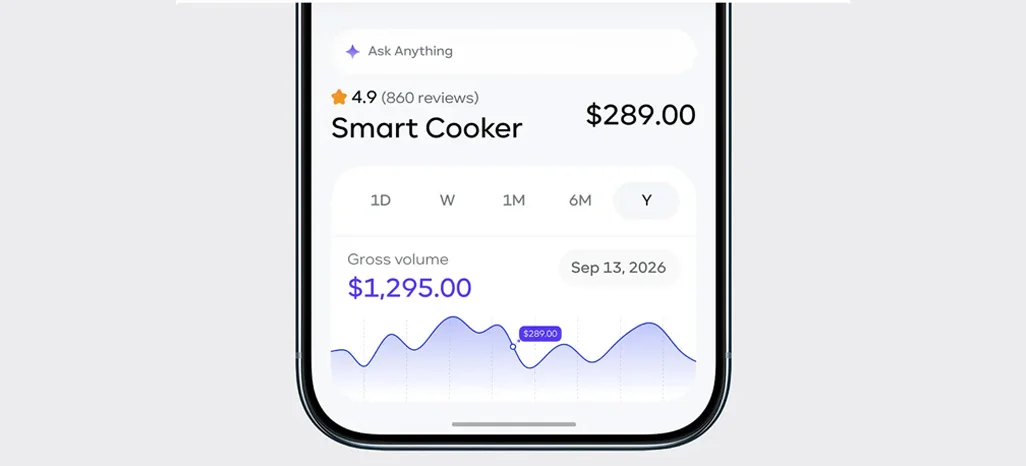
Manual price checks fail to capture intraday fluctuations across major online marketplaces. According to industry benchmarks, leading e-commerce platforms adjust product prices multiple times per day based on demand surges and stock depletion. Integrating Competitor Price Tracking into daily commercial workflows ensures businesses never react to market shifts hours or days too late, preventing the loss of high-intent buyers to agile rivals.
Modern commercial teams require continuous visibility to separate temporary promotional noise from permanent market repositioning. Adopting Ecommerce Pricing Intelligence transforms fragmented market observations into structured, continuous insights that guide smarter commercial execution. Instead of slashing prices blindly to match a brief flash sale, pricing analysts evaluate whether a rival’s discount stems from excess inventory or a deliberate category takeover.
- Real-time alerts flag sudden promotional drops across key rival storefronts before traffic shifts occur.
- Automated stock-level detection highlights competitor out-of-stock windows for immediate margin recovery.
- Historical rate logs reveal recurring seasonal discount cycles across high-velocity product categories.
| Pricing Approach | Data Frequency | Margin Impact | Operational Effort |
|---|---|---|---|
| Manual Spreadsheets | Weekly or Monthly | High risk of margin loss | 15+ hours per week |
| Basic Rule-Based Tools | Daily Batch Updates | Moderate margin protection | 4–6 hours per week |
| Automated Systems | Real-Time / Hourly | Up to 12% margin lift | Under 1 hour per week |
Studies show that retailers utilizing automated tracking systems experience a 10% to 15% improvement in gross margins within six months. Observing exact stock-out moments across competing stores lets brands confidently raise prices on in-demand items rather than leaving valuable revenue on the table during peak shopping windows.
Transforming Raw Market Numbers Into Predictive Commercial Strategies
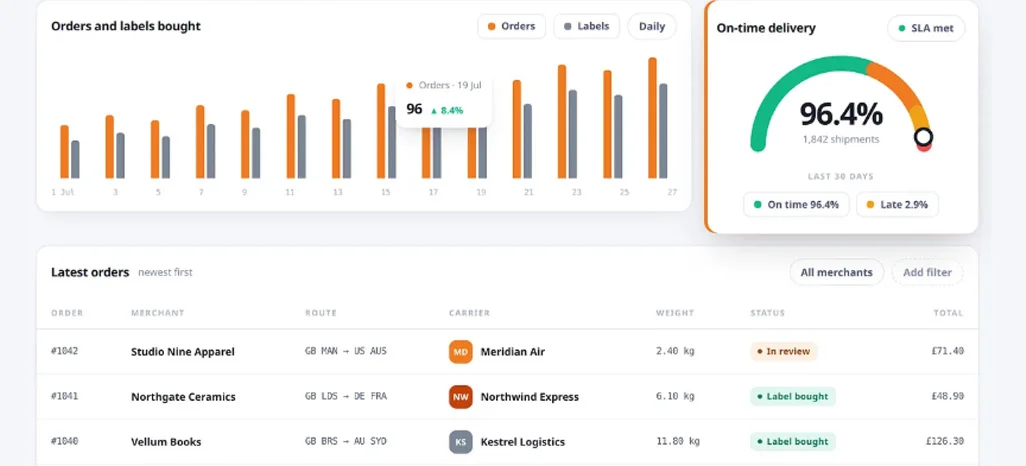
Collecting massive datasets means very little without the analytical capability to interpret underlying market behavior. Deploying Retail Price Monitoring captures historical price trajectories, seasonal discounting cycles, and regional pricing variations across thousands of SKUs simultaneously, providing a comprehensive blueprint of industry-wide commercial tactics that inform long-term planning.
Advanced analytical engines turn raw marketplace records into forward-looking revenue forecasts. Integrating AI-Powered Pricing Intelligence enables predictive elasticity models that evaluate how specific customer segments respond to minor price adjustments. Machine learning algorithms identify exact thresholds where conversion rates peak without sacrificing unit profitability, boosting overall revenue by 5% to 8% across mid-to-large retail catalogs.
- Dynamic elasticity modeling measures shopper sensitivity across individual product lines and regional markets.
- Pre-campaign simulations forecast promotional profitability prior to launching sitewide discount events.
- Automated repricing rules adjust storefront rates instantly when rival inventory levels drop below critical thresholds.
| Market Metric | Traditional Reporting | Predictive Analytics |
|---|---|---|
| Price Elasticity | Estimated via quarterly reviews | Calculated dynamically per SKU |
| Promotional ROI | Measured post-campaign | Forecasted prior to launch |
| Stock-Out Response | Delayed manual repricing | Instant automated price adjustment |
Comprehensive catalog evaluation goes far beyond surface-level tag comparisons. Conducting thorough Product Price Analysis allows merchandising teams to evaluate bundle pricing, shipping thresholds, and cross-category discounts accurately. Understanding total landed cost—including delivery fees and promotional codes—ensures your storefront competes effectively on actual customer checkout value rather than misleading base sticker prices.
Aligning Inventory Control, Promotions, And Brand Market Positioning
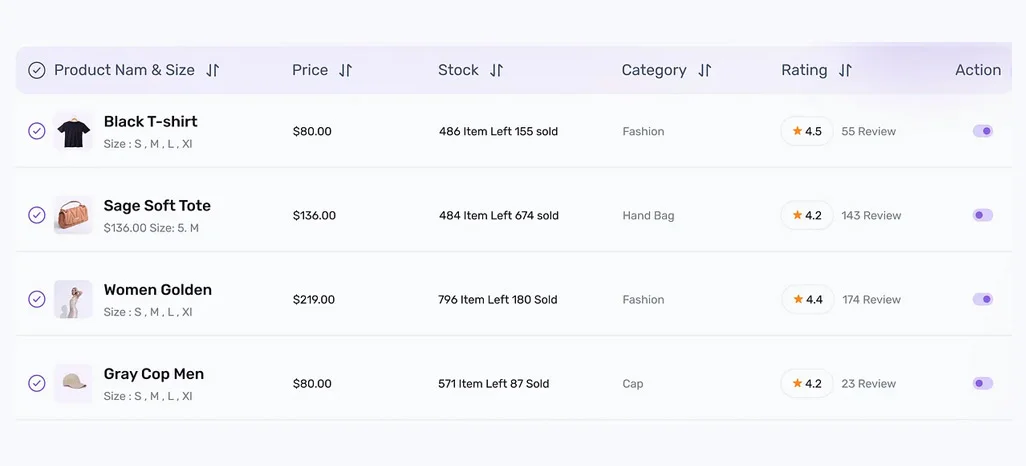
Pricing decisions directly influence brand perception, inventory turnover, and supplier negotiations across every sales channel. High-growth retailers integrate Product Price Comparison Data directly into their enterprise resource planning systems, ensuring procurement, marketing, and finance teams operate from a single source of truth regarding market positioning and supplier cost benchmarks.
Protecting brand equity requires constant vigilance across authorized dealers and third-party marketplace resellers. Utilizing Competitive Pricing Intelligence enables brands to enforce Minimum Advertised Price (MAP) policies consistently across global distribution networks. According to retail compliance reports, unmonitored MAP violations erode brand value and reduce authorized dealer sales by up to 20% annually, making automated breach detection essential.
- Automated compliance tracking identifies unauthorized reseller discounts within minutes of publication.
- Gradual markdown schedules clear seasonal inventory smoothly without triggering brand-damaging fire sales.
- Dynamic ad-spend synchronization pauses paid search bids on items where rivals hold steep price advantages.
| Strategic Area | Blind Pricing Risk | Data-Driven Outcome |
|---|---|---|
| MAP Compliance | Frequent unauthorized discounting | 95%+ policy adherence across channels |
| Inventory Clearance | Steep, late-season markdowns | Gradual, profit-preserving price drops |
| Ad Spend Efficiency | Bidding on uncompetitive SKUs | Budget focused on price-winning items |
Marketing teams also achieve substantially higher return on ad spend by syncing paid search campaigns with live market competitiveness. Automatically pausing advertising budgets on products where competitors hold a steep price advantage prevents wasted customer acquisition costs, redirecting marketing capital toward high-converting, competitively priced inventory that drives sustainable profit growth.
How Retail Scrape Can Help You?
Navigating complex e-commerce ecosystems requires accurate, structured data delivered without technical bottlenecks. Integrating Retail Price Intelligence into your daily operations becomes effortless when you partner with a dedicated data extraction specialist built for modern retail scale.
Our infrastructure bypasses anti-scraping barriers, normalizes messy product attributes, and delivers ready-to-use datasets directly into your BI dashboards or pricing engines.
- Automated daily and hourly data extraction across global marketplaces and direct-to-consumer websites
- Exact SKU matching using advanced attribute normalization, UPC codes, and image recognition
- Custom alert systems notifying your team of sudden price drops, flash sales, and competitor stock-outs
- Historical pricing archives enabling deep seasonal trend evaluation and promotional forecasting
- Seamless API and cloud delivery formats compatible with existing ERP and repricing software
- Dedicated account engineering ensuring uninterrupted data pipelines during peak shopping events
By eliminating manual data collection and broken scrapers, our platform gives your commercial team full confidence in every pricing decision. Achieve sustainable Retail Price Optimization across your entire product catalog while keeping your internal engineering resources focused on core business growth.
Conclusion
Navigating today’s hyper-competitive digital shelves demands more than intuition or sporadic spreadsheet updates. Brands that embed Retail Price Intelligence into their commercial workflows consistently outperform rivals by reacting to live market signals, safeguarding profit margins, and capturing demand when competitors run out of stock.
Combining structured data collection with Competitor Price Monitoring turns volatile market shifts into predictable revenue opportunities. Building a resilient pricing strategy starts with clean, reliable market visibility tailored to your specific catalog and growth targets.
When your team leverages Product Price Analysis, every promotional campaign, inventory markdown, and margin target rests on verified marketplace reality. Partner with Retail Scrape today to transform raw market data into your strongest competitive advantage, schedule a custom demo with our team now.