How Does a Real Estate Price Comparison API Simplify Competitor Price Analysis for Property Firms?
Introduction
Property firms increasingly rely on structured market information to understand listing prices, rental rates, property types, and neighborhood-level movements. A Real Estate Price Comparison API brings these details into a consistent format, helping teams compare properties across locations without manually reviewing numerous listing sources.
Competitive analysis becomes more practical when property data is collected at regular intervals. Firms can evaluate comparable listings, identify pricing differences, monitor changes, and organize market information for internal dashboards. This structured approach also supports analysts when evaluating properties with similar locations, sizes, amenities, and listing conditions.
Accurate comparisons can support pricing teams, brokers, investors, and research departments in their daily workflows. Instead of depending on scattered spreadsheets or manually collected figures, organizations can integrate standardized property information into existing systems. This creates a more consistent foundation for market benchmarking, reporting, and property pricing decisions.
Centralized Property Records Strengthen Competitor Price Comparisons
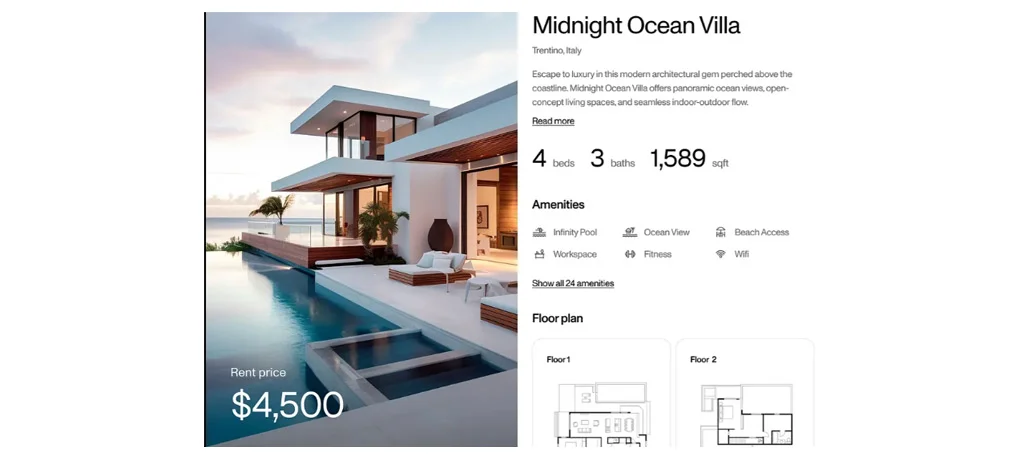
Property firms often need to compare similar listings across neighborhoods, cities, and property categories to understand differences in market positioning. Centralized property records can bring listing prices, property types, locations, bedrooms, bathrooms, sizes, and amenities into a consistent structure. This gives analysts a clearer foundation for comparing properties with similar characteristics and identifying meaningful pricing variations across different sources and locations.
For recurring market research, a Property Price Data API can organize property information into standardized records that are easier to process. Analysts can use these records to review current asking prices, compare comparable properties, and identify differences between competing listings. Instead of collecting individual records manually, teams can work with structured information that supports repeatable comparison workflows and reporting activities.
Regularly organized information can make Real Estate Competitor Price Analysis more consistent because teams can work from comparable records rather than disconnected observations. Useful workflows may include:
- Comparing similar properties across selected locations
- Reviewing price differences between competing listings
- Grouping properties according to specific characteristics
- Monitoring changes in listing information over time
- Preparing structured datasets for internal reporting
A broader Property Price Data API for Competitor Analysis can also help firms examine pricing patterns across multiple property segments. Data can be grouped according to location, property type, size, listing status, or other attributes. This allows analysts to establish more relevant comparison groups and examine whether pricing differences are associated with specific property characteristics, neighborhoods, or market segments.
| Data Point | Comparison Purpose | Business Application |
|---|---|---|
| Listing Price | Identifies pricing differences | Competitive benchmarking |
| Property Type | Groups comparable listings | Segment analysis |
| Location | Supports geographic comparison | Local market research |
| Property Size | Improves property matching | Valuation support |
| Listing Status | Tracks market availability | Inventory review |
Automated Market Monitoring Improves Consistent Pricing Decisions
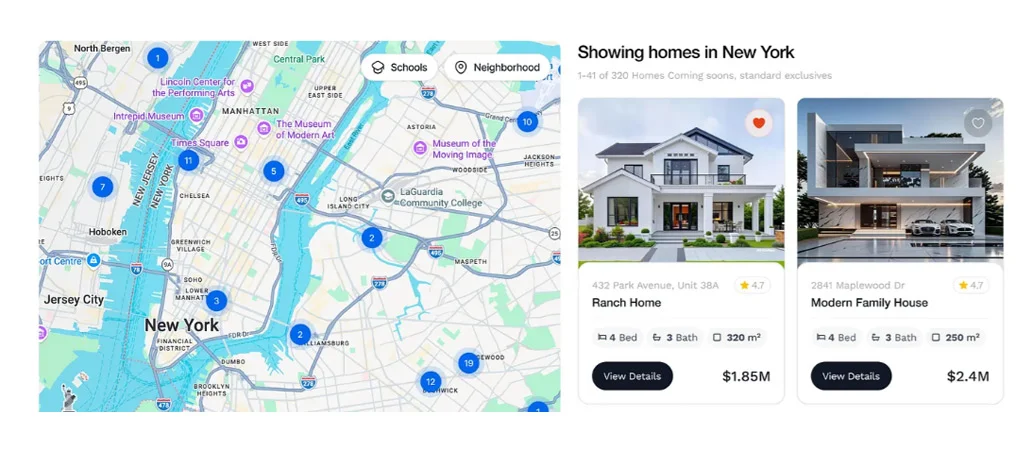
Manual property price research can become increasingly difficult when firms monitor thousands of listings across multiple cities, neighborhoods, and property categories. Automated market monitoring provides a more organized approach by collecting relevant information at scheduled intervals. Teams can then review current and historical records without repeatedly searching individual sources or maintaining multiple disconnected spreadsheets.
A Real Estate Price Data API can provide structured information covering listing prices, rental values, property characteristics, locations, and other relevant attributes. When this information enters a centralized workflow, analysts can filter records according to their specific requirements. This can support recurring comparisons between similar properties and make it easier to identify pricing differences across selected market segments.
For firms requiring continuous monitoring, a Real Estate Pricing Intelligence API can provide a structured connection between collected property information and internal analytical systems. This approach can support several recurring activities:
- Monitoring property prices at scheduled intervals
- Comparing current and historical listing values
- Organizing market information by location
- Reviewing pricing differences between property segments
- Feeding structured records into reporting platforms
A structured Real Estate Price Analysis workflow can also connect collected information with dashboards, reporting systems, and analytical applications. Teams can review price movements, compare property categories, and examine location-based differences using standardized records. Historical datasets can provide additional context by allowing analysts to review how listing values changed across defined periods.
| Monitoring Metric | Measurement Example | Analytical Application |
|---|---|---|
| Asking Price | Current listing value | Price benchmarking |
| Rental Rate | Monthly rental amount | Rental comparison |
| Price per Area | Value relative to size | Property assessment |
| Price Change | Period-based movement | Market monitoring |
| Listing Volume | Number of active records | Inventory analysis |
Structured Listing Workflows Simplify Property Price Comparisons
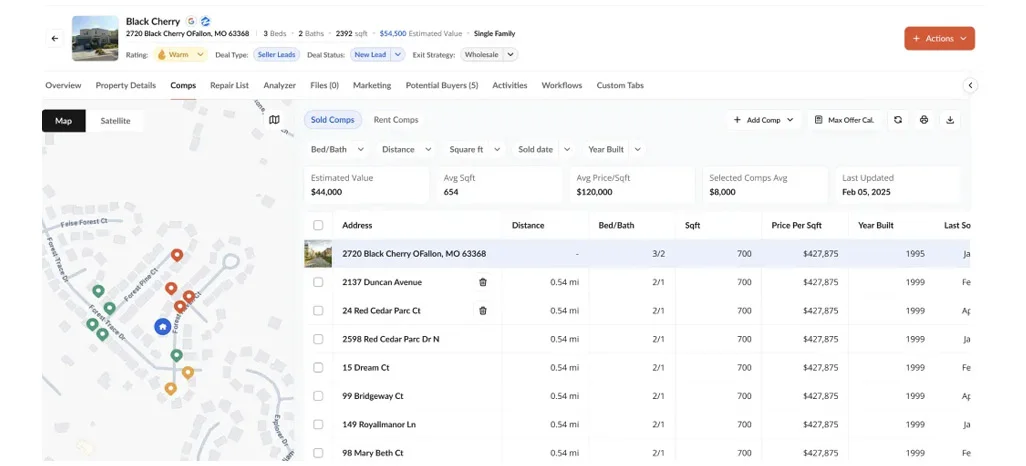
Property comparison becomes more manageable when listing information follows a standardized structure. Property firms may work with different sources that present prices, locations, property sizes, amenities, and listing statuses in different formats. Bringing these attributes into a consistent dataset allows analysts to organize comparable records and reduce the time required to prepare information for further evaluation.
Through Property Price Data Scraping, firms can collect relevant listing details from selected property sources and prepare them for structured analysis. The collected information can include property prices, addresses, square footage, property categories, amenities, listing status, and other attributes. Standardization makes it easier to filter records and create comparison groups based on specific business requirements.
A structured workflow can provide additional value when property information needs to be shared across different teams. Pricing analysts, brokers, researchers, and management teams can work from consistent records rather than separate spreadsheets. Useful activities include:
- Collecting relevant property listing attributes
- Standardizing information from multiple sources
- Grouping comparable properties by defined criteria
- Preparing records for internal analytical systems
- Supporting recurring market comparison workflows
Teams can Compare Real Estate Prices Using API integrations by connecting structured property information with internal dashboards, analytical applications, or reporting platforms. This can help organizations evaluate listings across multiple locations and property segments without repeatedly preparing raw information. API-based workflows can also support scheduled updates when firms need regularly refreshed datasets for ongoing market research.
| Property Attribute | Structured Output | Analytical Purpose |
|---|---|---|
| Address | Standardized location | Geographic comparison |
| Square Footage | Numeric property size | Price-per-area analysis |
| Amenities | Categorized features | Property segmentation |
| Listing Status | Active or inactive | Inventory monitoring |
| Property Category | Consistent classification | Market grouping |
How Retail Scrape Can Help You?
Data can be collected from relevant sources and prepared for comparison across locations, property categories, pricing segments, and other selected attributes. A Real Estate Price Comparison API becomes more useful when supported by reliable collection, normalization, and delivery processes.
We can support property data workflows by organizing information into consistent formats and preparing it for dashboards, research platforms, or internal applications. A Real Estate Scraping API can also help connect collected information with systems that require recurring property records for analysis, reporting, and market monitoring.
Key capabilities can include:
- Collecting property listing information from selected sources
- Standardizing prices and property attributes for comparison
- Monitoring listing changes at scheduled intervals
- Organizing location-specific property information
- Supporting structured datasets for analytical workflows
- Delivering collected information in business-ready formats
With automated collection and structured delivery, property teams can spend less time preparing raw information and more time evaluating market conditions. Data can be organized according to location, property type, listing status, price range, and other relevant attributes. This supports recurring research and helps teams maintain consistent datasets for internal decision-making.
Conclusion
A Real Estate Price Comparison API provides property firms with a structured approach for collecting, organizing, and comparing market listing information. By bringing pricing, locations, property specifications, and related attributes into consistent workflows, firms can simplify competitor benchmarking while creating a more organized foundation for property pricing research and reporting.
When integrated with Property Price Analytics API, structured property information can support recurring comparisons across locations and property segments while reducing repetitive manual research. Property teams can apply these datasets to dashboards, market reports, pricing reviews, and internal analysis. Request a demo today to see how Retail Scrape can support your real estate data requirements.