What Can Netflix Dataset Scraping for OTT Competitor Analysis Show About OTT Content Strategies?
Introduction
OTT platforms compete through catalog depth, genre diversity, release frequency, language coverage, and audience-focused programming. Netflix Dataset Scraping for OTT Competitor Analysis provides structured information for examining titles, genres, release years, languages, ratings, and other catalog attributes in a consistent format. This organized approach supports detailed comparisons across defined markets and periods.
For research teams, structured catalog information makes it easier to identify recurring patterns instead of depending on scattered observations. Netflix Dataset Scraping can organize title-level records into datasets suitable for comparison, while Netflix Content Dataset information can support broader catalog studies. Web Scraping Netflix Data can also contribute to recurring market research and content benchmarking activities.
Such structured information can support genre monitoring, catalog expansion studies, release analysis, and competitive research. When movie and television records are separated and standardized, analysts can examine content movements more efficiently. The resulting data foundation can help teams understand catalog composition, regional differences, and programming patterns that may influence OTT content strategies.
Catalog Structure Supporting Deeper OTT Competitive Content Analysis
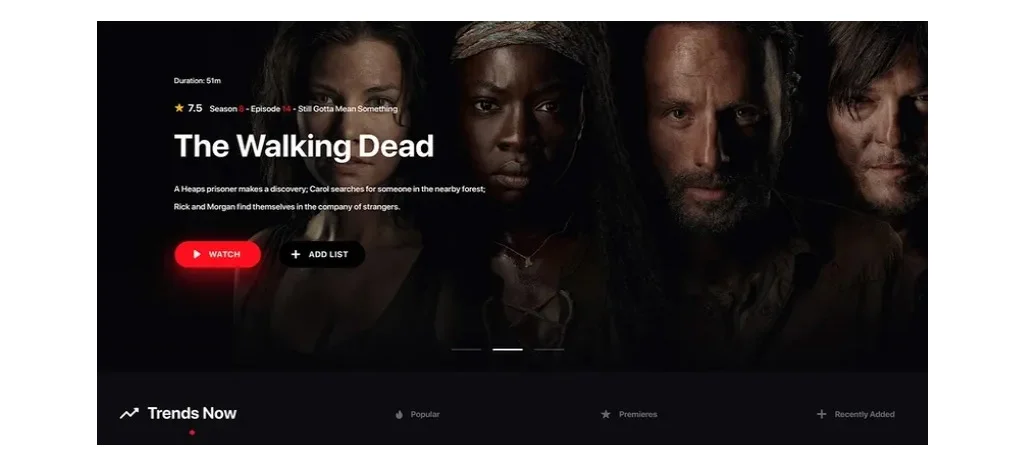
OTT catalog structure provides useful signals about how content is distributed across formats, genres, languages, and release periods. A properly organized dataset can separate movies from television programming and make recurring patterns easier to examine. Netflix Movie Dataset records can support analysis of film volumes, genre concentration, release years, and language distribution, giving researchers a clearer view of catalog composition.
Television programming requires a slightly different analytical approach because series can involve multiple seasons, episodes, genres, and release periods. A Netflix TV Show Dataset can organize these attributes into consistent records, allowing analysts to compare television depth with movie availability. This distinction can also help identify whether programming activity is concentrated around particular formats, genres, or periods.
Researchers can further organize catalog information around measurable indicators such as title count, genre groups, language categories, and regional availability. Netflix Data Scraping can support recurring collection workflows where similar fields are captured at defined intervals. This makes it easier to compare changes without rebuilding the research structure each time.
Key analytical areas can include:
- Genre distribution across content formats
- Release-year concentration and catalog age
- Language and regional availability patterns
- Movie and television format comparisons
| Analytical Indicator | Sample Value |
|---|---|
| Genre groups tracked | 18 |
| Release-year segments | 10 |
| Language categories | 12 |
| Format classifications | 2 |
| Regional markets compared | 6 |
These observations can help researchers understand catalog balance and identify content areas that warrant deeper competitive analysis.
Pricing And Catalog Signals Shaping OTT Market Positioning
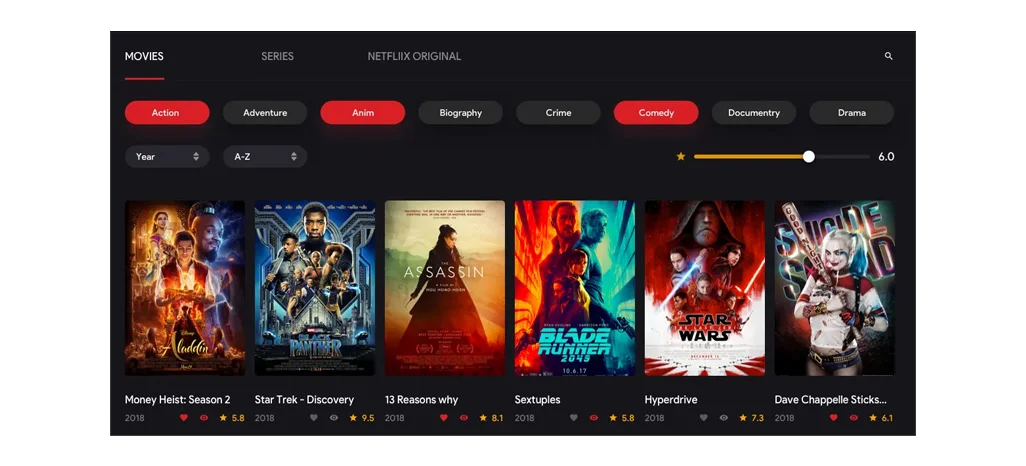
Subscription pricing and content availability can be examined together when researchers want a broader view of OTT positioning. Catalog depth, content variety, regional availability, and plan structures can provide complementary indicators for market studies. Instead of evaluating subscription information separately, analysts can organize pricing attributes alongside catalog characteristics to create a more connected research framework.
Regional subscription differences can also be examined through structured pricing records. Netflix Pricing Data Scraping can help organize plan names, pricing levels, currencies, and regional variations into consistent records for comparison. When these attributes are reviewed alongside catalog measurements, analysts can examine how content breadth differs across markets with different subscription structures.
A consistent dataset can further support comparisons between catalog volume and selected pricing indicators. Netflix Data Scraping for Market Research can contribute to recurring studies where teams monitor content and commercial attributes over specific periods. This approach can be useful for benchmarking markets, preparing research reports, and identifying measurable changes within selected OTT segments.
Key research areas can include:
- Regional subscription plan comparisons
- Catalog breadth across selected markets
- Content-format distribution by region
- Pricing and availability relationship studies
| Market | Catalog Records | Genre Groups | Language Groups | Plan Index |
|---|---|---|---|---|
| Market A | 8,500 | 17 | 10 | 100 |
| Market B | 7,900 | 16 | 12 | 92 |
| Market C | 6,800 | 15 | 9 | 86 |
Combining these indicators can give research teams a more organized framework for evaluating content positioning alongside subscription structures and regional market differences.
Regional Content Trends Influencing Future OTT Programming Strategies
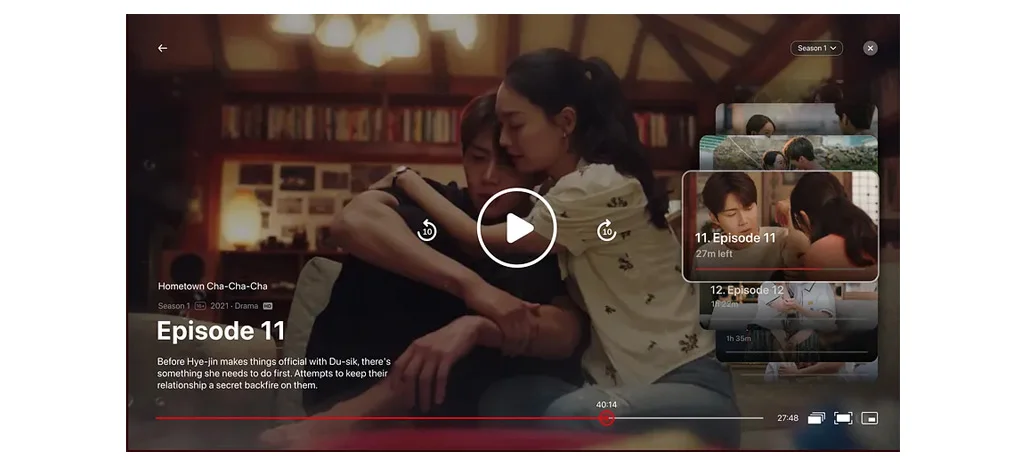
Regional catalog differences can reveal meaningful variations in language coverage, genre distribution, release activity, and content availability. Researchers can segment records by geography to examine whether particular markets contain higher concentrations of local-language programming or specific content categories. This creates a structured basis for studying how catalog composition varies between audience groups.
A detailed classification framework can include title, genre, language, release year, format, and market attributes. Netflix Dataset for Content Analysis can support these classifications by providing organized fields for program-level examination. Researchers can then compare multiple markets using consistent attributes instead of reviewing regional catalogs through separate manual processes.
Regional benchmarking becomes more useful when changes are tracked over time. Netflix Datasets for OTT Competitor Analysis can support comparisons involving catalog size, genre groups, language proportions, and format distribution across selected markets. Such records can also assist research teams in identifying recurring regional patterns and shifts in programming emphasis.
Key regional research areas can include:
- Local-language content distribution
- Genre concentration by geographic market
- Regional release-period comparisons
- Movie and television availability patterns
| Region | Titles Tracked | Local-Language Share | Genre Groups |
|---|---|---|---|
| North America | 9,200 | 18% | 16 |
| Europe | 8,700 | 42% | 19 |
| Asia-Pacific | 10,100 | 57% | 21 |
| Latin America | 6,900 | 51% | 17 |
These comparisons can help teams organize regional observations and identify content patterns that deserve further investigation during OTT programming and market research activities.
How Retail Scrape Can Help You?
OTT research often requires consistent information from large catalogs, multiple markets, and changing content categories. Netflix Dataset Scraping for OTT Competitor Analysis can fit into a structured workflow where title information is collected, standardized, categorized, and prepared for recurring research. This reduces the need for repetitive manual compilation and creates a consistent foundation for analysis.
A structured process can help research teams organize information according to defined fields, geographic markets, content formats, and collection schedules. The resulting records can be prepared for dashboards, reports, comparison studies, and other analytical workflows. Data can also be delivered in formats suited to existing research and business intelligence systems.
Key capabilities can include:
- Automated collection of relevant catalog attributes
- Structured organization of movie and series information
- Market-specific dataset preparation
- Historical catalog comparison
- Genre and language classification
- Delivery in formats suited to analytical workflows
The collected information can support programming studies, catalog benchmarking, audience research, and competitive assessments. Netflix Datasets can also provide a structured foundation for recurring studies where teams need comparable records across defined timeframes. For specialized requirements, collection workflows can be configured around selected fields, markets, schedules, and delivery formats.
A dedicated extraction process can further support organizations that need recurring data instead of one-time research files. Netflix Content Data Extraction Service can provide structured records based on project requirements, helping teams integrate catalog information into broader OTT intelligence workflows. This can support ongoing research where consistency and organized delivery are important.
Conclusion
Our Netflix Dataset Scraping for OTT Competitor Analysis can provide a structured foundation for examining catalog composition, genre distribution, regional variations, release patterns, and content formats. These observations can help research teams create consistent comparisons and evaluate recurring changes across selected OTT markets.
A structured Netflix Content Dataset can support ongoing research by keeping content records organized and comparable across defined periods. When collection, cleaning, classification, and delivery are handled systematically, the resulting information can contribute to repeatable content intelligence workflows. Connect with Retail Scrape to support your content research and competitor analysis needs.