How Does a Grocery Product Availability API Improve Real-Time Stock Monitoring for Grocery Products?
Introduction
Grocery retailers manage thousands of products across stores, warehouses, fulfillment centers, and online marketplaces. Keeping product availability information accurate across these channels can become difficult when inventory changes frequently. A Grocery Product Availability API helps connect product data with monitoring systems, providing structured information for inventory teams and operational workflows.
With API for Grocery Product Availability, retailers can organize information such as SKU status, product availability, store-level conditions, and inventory changes into consistent records. Automated data collection reduces dependence on manual checks and gives teams a more organized foundation for reviewing stock conditions, replenishment requirements, and catalog updates.
Timely availability information also helps businesses respond when products become unavailable or return to stock. Connecting automated data feeds with existing retail systems can improve visibility across locations and digital channels while supporting more consistent monitoring. This creates a practical data foundation for inventory planning, operational reporting, and product availability management.
Strengthening Product Visibility Across Multiple Grocery Locations
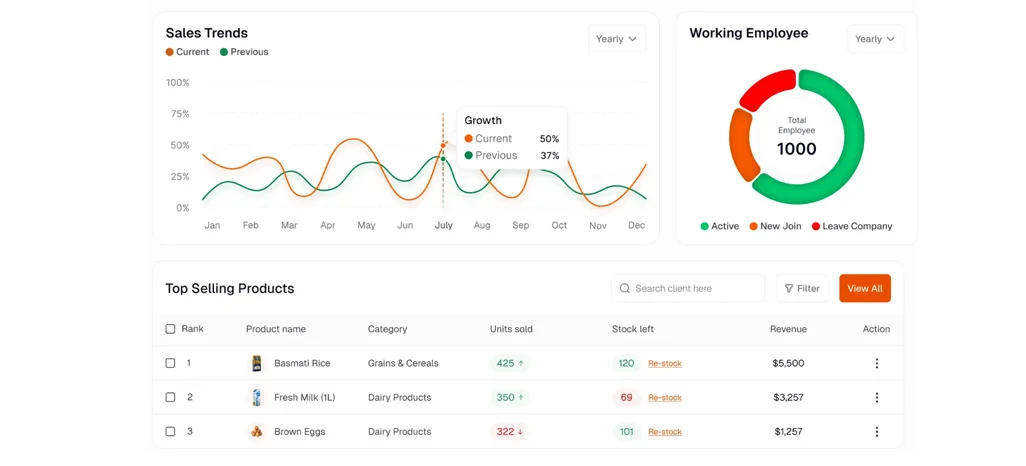
Grocery retailers often operate across multiple stores where product availability can change throughout the day. Monitoring each location manually requires considerable effort and may create delays between actual inventory changes and recorded information. A Grocery Stock Availability API for Retailers can organize product-level availability records from different locations, giving inventory teams a structured way to review stock conditions and identify products requiring attention.
Location-based monitoring becomes particularly useful when the same product has different availability conditions across individual stores. Store-Level Product Availability Tracking can associate product information with specific locations, allowing teams to distinguish between regional shortages, store-level gaps, and broader catalog availability issues. This supports more focused replenishment and operational decisions.
Frequent data updates can also improve visibility when inventory conditions change rapidly. Real Time Grocery Stock Monitoring allows teams to work with refreshed availability information instead of relying exclusively on periodic manual reports. Retailers can use these records to identify unavailable products, monitor returning inventory, and coordinate responses across different operational teams.
Key monitoring activities can include:
- Product availability checks across multiple locations
- Store-specific stock condition monitoring
- Identification of unavailable products
- Scheduled availability data collection
- Location-based inventory reporting
- Centralized product status organization
| Monitoring Area | Sample Coverage |
|---|---|
| Store locations | 150+ |
| Product records | 500,000+ |
| Data refresh | 15 minutes |
| Daily availability checks | 96 |
Consistent product records can make location-level monitoring more organized and provide inventory teams with information that is easier to review and connect with existing retail workflows.
Identifying New Products And SKU Changes Faster
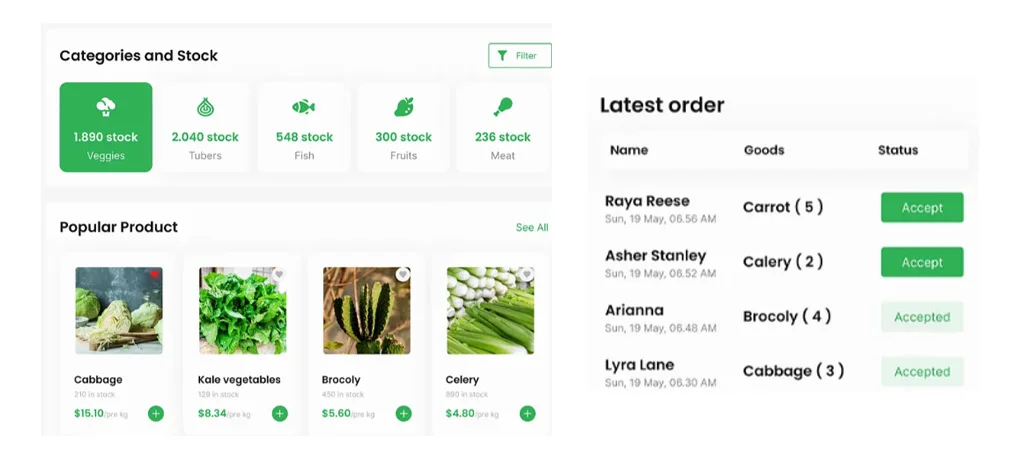
Grocery catalogs continuously change as retailers introduce new products, remove discontinued items, modify packaging, or create different SKU combinations. These changes can affect inventory databases and product monitoring workflows. A Grocery Inventory Tracking API can structure product information so teams can compare current records with previous datasets and identify meaningful catalog changes more efficiently.
New product additions can otherwise remain unnoticed when teams depend on manual catalog reviews. New Product & SKU Detection helps identify newly appearing products, changed SKU records, and additions to monitored categories. This information can support catalog maintenance while helping retailers maintain more complete product records across their inventory systems.
Availability monitoring also becomes more useful when SKU changes are connected with product status. A Real-Time Grocery Stock Availability API can provide recurring product-level information that helps teams identify whether newly added or modified products are available, unavailable, or experiencing changing stock conditions across monitored locations.
Retailers can structure these workflows around several operational activities:
- Identifying newly added grocery products
- Comparing current and previous SKU records
- Monitoring product status changes
- Detecting missing catalog information
- Tracking discontinued or modified products
- Maintaining structured product databases
| SKU Monitoring Metric | Sample Result |
|---|---|
| New SKU identification | 94% |
| Catalog refresh | 30 minutes |
| Daily SKU checks | 48 |
| Record matching accuracy | 97% |
Structured SKU monitoring can reduce fragmented catalog information and make product changes easier to incorporate into inventory databases. It also gives teams a clearer process for maintaining current product information as grocery assortments continue to change.
Supporting Forecasting With Continuous Availability Information
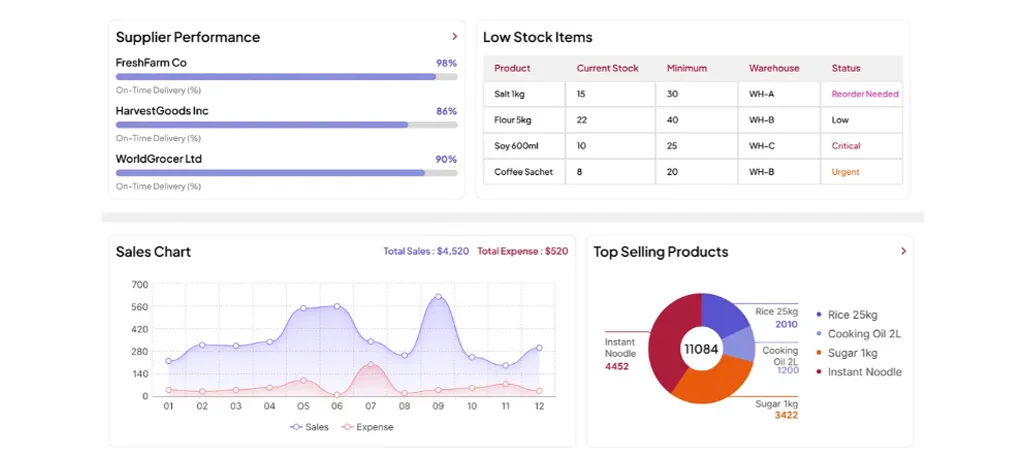
Inventory planning depends on consistent information about how products move through different locations. Historical availability records can show recurring stock patterns, frequent shortages, and product-level changes that may support broader planning workflows. A Grocery Inventory API for Stock Monitoring can organize these records into structured information that can be connected with inventory dashboards and analytical systems.
Availability information can also become an input for forecasting models when combined with historical sales, product movement, and location-level inventory records. AI Demand & Availability Forecasting can evaluate recurring patterns to support planning around replenishment, product demand, and potential availability changes. This creates a broader analytical layer around continuously collected inventory information.
Regular data refreshes are important when forecasting workflows depend on current availability conditions. A Real-Time Grocery Inventory API can provide frequently updated information for dashboards, analytical platforms, and internal systems. Teams can then combine current records with historical datasets to identify recurring patterns and support more structured planning processes.
Businesses can apply continuous availability information to:
- Replenishment planning
- Product demand analysis
- Inventory trend identification
- Location-level forecasting
- Stock shortage monitoring
- Operational dashboard development
| Planning Indicator | Sample Performance |
|---|---|
| Data refresh interval | 20 minutes |
| Product coverage | 96% |
| Daily records | 1.8 million |
| Forecast input accuracy | 93% |
When availability information is collected consistently, retailers can build stronger historical datasets for analytical workflows. These datasets can support inventory planning teams that need recurring product signals across different stores, categories, and operational environments.
How Retail Scrape Can Help You?
Retail businesses require structured product information when monitoring availability across multiple grocery sources and locations. A Grocery Product Availability API can connect automated product data collection with existing inventory workflows, helping teams organize availability records and recurring monitoring activities without depending entirely on manual checks.
We can support this process through automated collection, structured data processing, and scheduled monitoring workflows. The service can be configured around specific sources, product categories, locations, and fields required by a business.
Key capabilities include:
- Automated grocery product data collection
- Scheduled monitoring across selected sources
- Structured SKU and product information
- Availability status monitoring
- Location-based product data organization
- Integration-ready data delivery
The collected information can be formatted according to operational requirements and prepared for dashboards, analytics platforms, internal databases, or other technology systems. Businesses can also define monitoring schedules based on how frequently product information needs to be refreshed.
We can work with Retail Data APIs to support automated delivery and recurring data requirements. This approach can help inventory teams maintain organized product records, review changing availability conditions, and integrate refreshed information into existing retail processes without creating a completely manual monitoring workflow.
Conclusion
Connecting availability records with inventory workflows can help teams identify stock gaps, review SKU conditions, coordinate replenishment activities, and maintain more organized product information across multiple operating locations. A Grocery Product Availability API can provide retailers with structured and frequently refreshed information for monitoring product conditions across stores and digital channels.
Consistent inventory information can also support broader analytical workflows when connected with business systems and reporting tools. Using Grocery Inventory API for Stock Monitoring can help retailers connect product availability records with dashboards, planning processes, and internal data environments. Contact Retail Scrape today to discuss your grocery data monitoring requirements and customized delivery options.