
What Can E-Commerce Retail Datasets 2026 Reveal About Product Demand, Pricing, and Market Trends?
Introduction
Retail markets are becoming increasingly data-driven as shoppers compare products, prices, availability, ratings, and promotions across multiple online channels. E-Commerce Retail Datasets 2026 provide structured information that helps businesses examine product movement, pricing changes, category performance, and emerging purchasing patterns across competitive digital marketplaces.
For retailers, manufacturers, analysts, and marketplace operators, organized datasets can support broader market research without relying only on isolated observations. Information covering products, sellers, prices, categories, ratings, and availability can strengthen Ecommerce Datasets for Competitor Analysis while helping teams identify shifts in consumer interest and marketplace activity.
The value of these datasets extends beyond product tracking. Businesses can combine historical records with current observations to evaluate demand signals, pricing movements, assortment changes, and category-level developments. This makes structured retail information useful for planning, benchmarking, forecasting, and building more consistent analytical workflows.
Tracking Product Demand Across Evolving Retail Categories
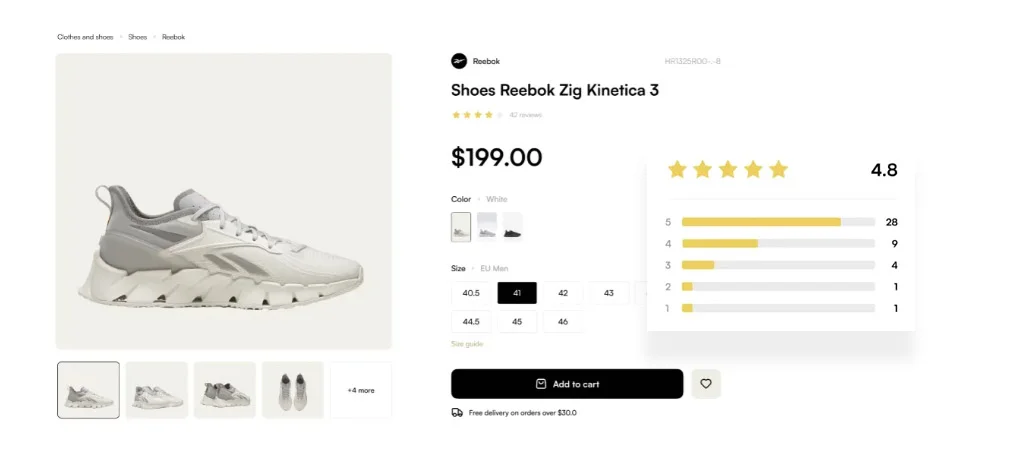
Product demand can change rapidly because of seasonality, pricing, promotions, inventory conditions, customer preferences, and category developments. Structured retail information helps businesses examine these changes across different products and time periods. Ecommerce Datasets for Market Intelligence can bring product attributes, availability, ratings, seller information, and pricing observations together, allowing analysts to identify recurring demand signals and compare category-level movements with greater consistency.
Historical records are particularly useful when businesses want to distinguish temporary fluctuations from longer-term changes. For example, repeated increases in product visibility, declining availability, growing review activity, or expanding seller participation can indicate changing market conditions. These observations can support demand planning while providing additional context for merchandising and category management decisions.
Businesses can also connect Ecommerce Data APIs with internal analytical environments to create more frequent information flows. This approach can reduce repetitive manual collection and help teams organize incoming product observations according to their reporting requirements. API-based workflows are particularly useful when multiple categories, platforms, or geographic markets need to be monitored simultaneously.
Key demand indicators can include:
- Product availability changes
- Category-level listing growth
- Seller participation patterns
- Review and rating movements
- Promotional activity changes
- Product assortment expansion
| Demand Indicator | Example Observation | Analytical Purpose |
|---|---|---|
| Product Movement | 18% monthly change | Demand tracking |
| Category Growth | 24% quarterly increase | Trend assessment |
| Availability | 91% average | Supply monitoring |
| Rating Change | 0.4-point movement | Customer response |
Together, these observations provide a structured foundation for evaluating demand patterns, supporting assortment decisions, and improving market research workflows.
Examining Pricing Patterns Across Competitive Product Markets
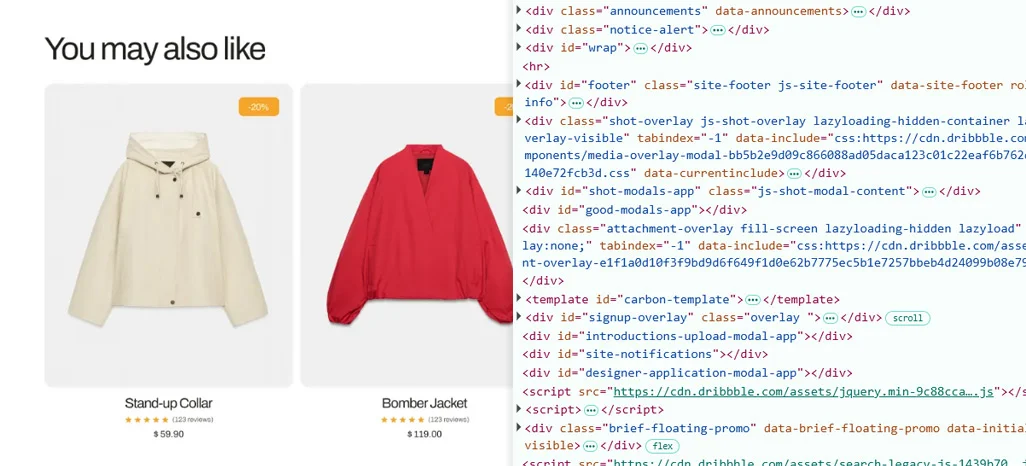
Pricing information offers valuable context for understanding how online marketplaces change over time. Product prices may fluctuate because of competitor activity, promotions, inventory levels, seasonal demand, seller strategies, and changing customer interest. Retail Product Datasets for Market Research can organize these observations into consistent records, making it easier to compare products, brands, sellers, and categories across selected periods.
Historical price records can reveal recurring discount patterns that may not be visible through isolated observations. Analysts can examine average prices, promotional frequency, discount levels, and seller variations to understand how individual products behave within competitive categories. When these records are connected with availability and product attributes, businesses can evaluate pricing movements alongside broader marketplace conditions.
Using Ecommerce Product Datasets within analytical workflows can also support detailed benchmarking across product groups. Teams can identify products with frequent price changes, categories with stronger promotional activity, or sellers showing notable differences from prevailing market prices. These insights can contribute to pricing reviews, assortment planning, competitor monitoring, and promotional performance analysis.
Important pricing observations can include:
- Average product price changes
- Discount frequency and depth
- Seller-level price variations
- Promotional duration
- Category price ranges
- Changes in product positioning
| Pricing Indicator | Example Value | Business Application |
|---|---|---|
| Average Price Change | 11% | Price monitoring |
| Discount Frequency | 36% | Promotion analysis |
| Seller Price Variation | 14% | Benchmarking |
| Promotional Duration | 9 days | Campaign review |
Consistent pricing information can therefore help businesses understand marketplace movements more systematically while connecting price behavior with product availability, competition, and customer demand.
Mapping Market Trends Through Structured Retail Observations
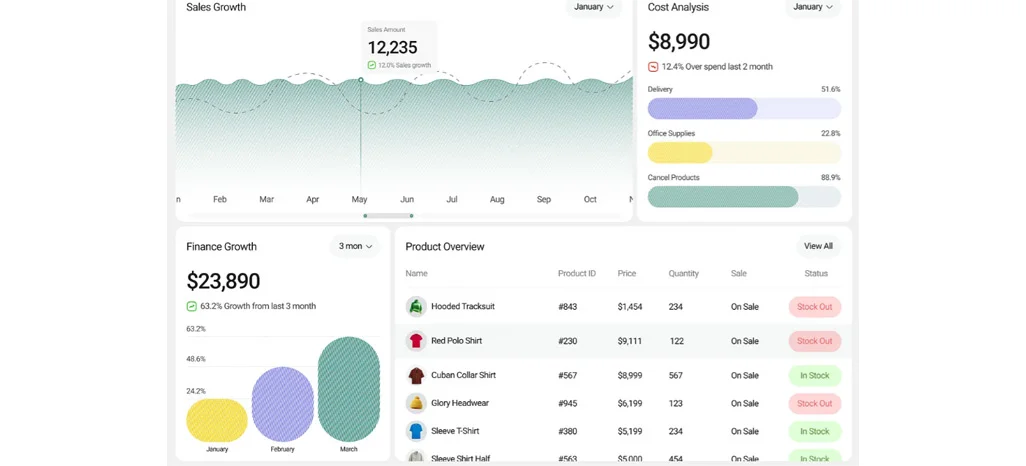
Market trends become easier to interpret when product, seller, category, availability, and promotional observations are collected consistently. Retail Datasets can bring these different information points into a structured environment, helping analysts compare marketplace changes over specific periods. Such records can provide a broader view of assortment expansion, seller participation, product launches, and category development.
Trend analysis becomes more meaningful when observations are maintained over time rather than evaluated as isolated snapshots. Businesses can monitor the appearance of new products, changes in seller counts, variations in stock availability, and shifts in category composition. Ecommerce Datasets for Retail Market Analysis can support these workflows by organizing multiple retail indicators for comparison across products, categories, platforms, or geographic markets.
Recurring collection can also help organizations evaluate market movements with greater consistency. E-Commerce Scraper Services can support scheduled data gathering across selected retail sources, allowing businesses to create structured historical records. These records can then be used for market reporting, category monitoring, assortment reviews, and competitive research without depending entirely on manual observations.
Useful market signals can include:
- New product listing activity
- Seller participation changes
- Category expansion patterns
- Stock availability movements
- Promotional frequency
- Product assortment changes
| Market Signal | Example Change | Monitoring Purpose |
|---|---|---|
| New Product Listings | 22% increase | Assortment tracking |
| Seller Count | 16% growth | Competition review |
| Category Expansion | 13% | Market mapping |
| Stock Availability | 89% | Supply assessment |
When these observations are maintained consistently, businesses can develop clearer market reports and identify meaningful changes across retail categories, sellers, products, and marketplace structures.
How Retail Scrape Can Help You?
We can organize E-Commerce Retail Datasets 2026 around practical business requirements, including product information, pricing, availability, seller details, categories, ratings, and promotional activity. This approach can support businesses that need regularly updated information without depending on fragmented manual research.
The collection process can be adapted according to specific source requirements, product categories, geographic markets, and data fields. This makes the workflow suitable for retailers, manufacturers, brands, analysts, and marketplace teams working with large volumes of product information.
Key capabilities include:
- Customized source and category selection
- Scheduled data collection at defined intervals
- Product, price, seller, and availability monitoring
- Structured records prepared for analytical workflows
- Historical data organization for trend comparisons
- Delivery formats aligned with business requirements
With Web Scraping Services, organizations can establish repeatable data pipelines that provide consistently formatted information for downstream analysis. These workflows can support competitive research, category monitoring, pricing studies, assortment analysis, demand assessment, and market reporting while reducing the effort associated with repetitive information collection.
Conclusion
For organizations evaluating Best Ecommerce Datasets 2026, the focus should remain on data coverage, update frequency, required fields, source consistency, geographic scope, and delivery requirements. E-Commerce Retail Datasets 2026 can support market research when the collected information aligns with specific business objectives and analytical processes.
The growing availability of structured retail information gives businesses a practical foundation for studying demand, pricing, assortment, and marketplace behavior. Product Catalog Dataset resources can support detailed product-level research when organizations need organized information across categories, sellers, and market segments. Contact Retail Scrape today to request customized retail data for your market research and analytics requirements.