
How Amazon Price Tracking Compares With Cross-Platform Monitoring for More Accurate Price Data?
Introduction
Retail pricing changes frequently across products, sellers, locations, and marketplaces, making consistent data collection important for competitive analysis. Amazon Price Tracking helps businesses monitor product-level movements, seller changes, discounts, and availability while maintaining a focused view of one major marketplace.
A broader approach adds competitor marketplaces to the monitoring process. Amazon Price Tracking vs Cross-Platform Price Monitoring highlights how marketplace-specific observations can differ from wider market signals, particularly when identical products carry different prices, promotions, shipping fees, or seller conditions.
Combining focused Amazon observations with broader marketplace coverage creates a more complete pricing dataset. Businesses can compare recurring price movements, identify unusual changes, and evaluate competitive positioning through structured records. This approach also supports better reporting when pricing decisions depend on frequent updates across multiple sources.
Marketplace Coverage Shapes More Accurate Competitive Pricing Analysis
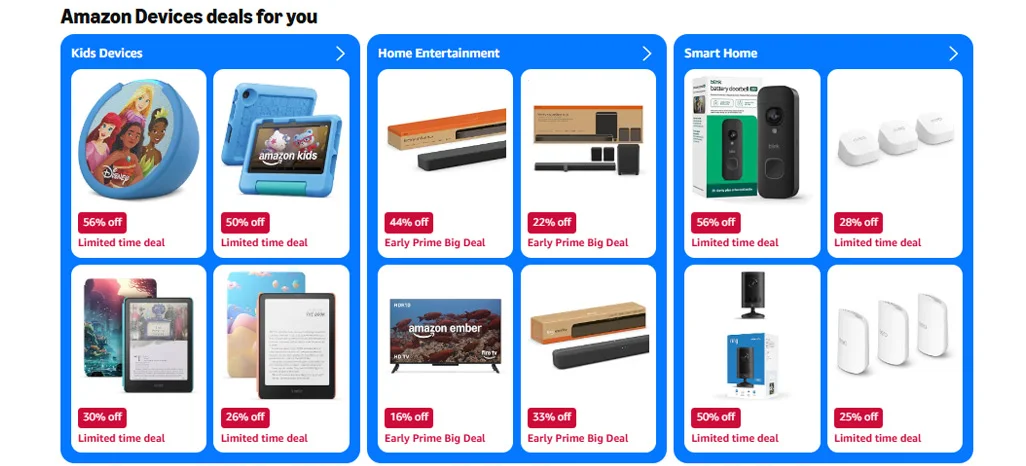
Marketplace coverage directly affects how businesses interpret product pricing and competitive movements. A focused dataset can provide detailed observations from one marketplace, while broader monitoring introduces additional reference points for the same products. This distinction becomes particularly important when sellers adjust prices at different times or use marketplace-specific promotions. Amazon Price Tracking vs Cross-Platform Price Monitoring provides a practical framework for examining these differences and determining how coverage influences the resulting analysis.
The breadth of collected records also affects the ability to identify recurring market patterns. When product information is gathered from multiple sources, analysts can compare identical SKUs, seller offers, discounts, shipping charges, and availability conditions. A sample monitoring model showed that expanding from one marketplace to five increased comparable product observations from 12,000 to approximately 58,000. Such expansion provides additional context when interpreting individual price movements.
| Measurement Area | Focused Coverage | Broader Coverage |
|---|---|---|
| Marketplaces monitored | 1 | 5 |
| Product observations | 12K | 58K |
| Daily checks | 3 | 8 |
| Seller records | 1.8K | 7.6K |
Businesses can therefore structure their workflows around defined product groups and recurring comparison rules. Cross Platform Price Monitoring can extend those workflows by connecting marketplace-level observations within a common dataset. Useful activities include:
- Matching equivalent products across marketplaces
- Recording seller-level pricing changes
- Capturing promotional price movements
- Maintaining historical comparison records
- Standardizing availability information
Data quality remains equally important because additional sources do not automatically create reliable comparisons. Amazon Price Tracking Accuracy depends on consistent product identification, correct seller mapping, standardized pricing fields, and timely updates. Without these controls, duplicate products or incomplete records can distort comparisons and make marketplace differences appear larger or smaller than they actually are.
Update Frequency Influences How Quickly Pricing Changes Appear
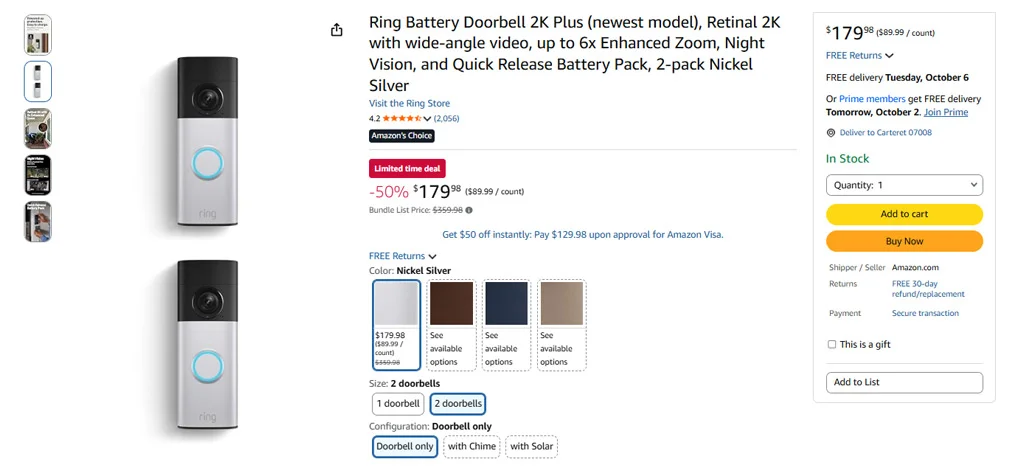
Update frequency determines how effectively a monitoring workflow captures short-lived price changes. Prices can change several times during a single day because of promotions, inventory levels, seller competition, or automated pricing rules. A workflow that checks information only once may miss temporary discounts or rapid adjustments. Amazon Competitor Price Monitoring can therefore benefit from scheduled collection intervals that provide repeated observations instead of isolated snapshots.
Automation can significantly improve the consistency of recurring data collection. A sample workflow recorded a 34% improvement in update consistency after moving from manual checks to scheduled extraction. Automated processes can also standardize product identifiers, prices, seller information, discounts, and availability before records enter analytical systems. This reduces repetitive manual work while creating a more consistent historical record for comparison.
| Data Measurement | Manual Workflow | Scheduled Workflow |
|---|---|---|
| Daily checks | 2 | 8 |
| Update consistency | 61% | 95% |
| Product records | 9K | 41K |
| Processing time | 6 hrs | 1.5 hrs |
Technical infrastructure also plays an important role in maintaining recurring workflows. Amazon Scraper API integration can support automated extraction, structured responses, scheduled requests, and downstream data processing. A practical workflow can include:
- Defining products and target marketplaces
- Setting source-specific refresh intervals
- Capturing price and seller changes
- Validating incoming records
- Storing historical observations
- Sending structured data to analytical systems
Broader coverage requires similar attention to scheduling because different marketplaces may update their information at different rates. Multi Platform Price Monitoring allows teams to establish source-specific collection intervals while maintaining a unified structure for comparison. This can help analysts distinguish between genuine market-wide movements and changes limited to a particular marketplace, seller, or promotional period.
Product-Level Structure Supports Consistent Marketplace Comparisons
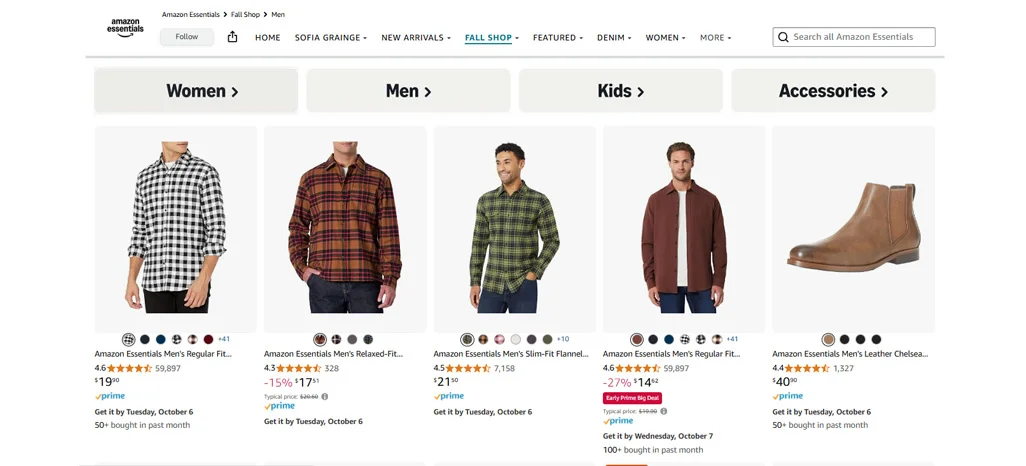
Product-level structure provides the foundation for meaningful pricing analysis because different marketplaces may describe identical products in different ways. Product names, identifiers, variants, seller information, discounts, and availability fields need to be standardized before records can be compared. A structured workflow makes it easier to distinguish genuine price movements from differences caused by product variations or incomplete marketplace information.
Historical records become especially useful when businesses want to understand how prices behave over specific periods. Amazon Price Tracking Comparison can organize repeated observations into comparable records covering current prices, previous prices, discount percentages, sellers, and availability. A sample dataset showed that structured records reduced manual comparison time by approximately 46%, primarily by reducing repetitive cleaning and matching activities.
| Data Attribute | Capture Rate | Analytical Role |
|---|---|---|
| Product price | 100% | Price movement |
| Seller details | 96% | Seller comparison |
| Discount data | 91% | Promotion analysis |
| Stock status | 94% | Availability review |
A structured collection workflow can also simplify reporting and alert generation. Amazon Scraper processes can collect defined fields at scheduled intervals and prepare them for dashboards, historical databases, or analytical systems. Important workflow components include:
- Standardized product identifiers
- Consistent seller mapping
- Historical price records
- Discount and promotion fields
- Stock and availability indicators
- Structured analytical outputs
Seller-level information adds another layer to competitive analysis because multiple sellers may offer the same product at different prices. Amazon Competitor Price Tracking Accuracy can be strengthened when seller records are consistently captured and linked to the correct product identifiers. This allows analysts to examine price changes alongside seller activity rather than treating every movement as a marketplace-wide change.
How Retail Scrape Can Help You?
We support businesses that require consistent pricing information from Amazon and competing marketplaces. Amazon Price Tracking can be incorporated into scheduled collection workflows that capture product prices, seller changes, discounts, availability, ratings, and promotional information.
The workflow can be customized around product categories, marketplace combinations, collection frequency, required fields, and preferred delivery formats. Historical datasets can also support trend analysis, pricing reports, promotional reviews, seller comparisons, and recurring competitive intelligence activities.
Key capabilities include:
- Scheduled product and price data collection
- Seller-level pricing and availability monitoring
- Historical price movement tracking
- Competitor product comparison
- Structured datasets for analytical workflows
- Custom delivery through preferred data formats
Businesses can define monitoring requirements around specific products, sellers, regions, or marketplaces. Amazon Datasets can support deeper historical analysis by organizing recurring observations into consistent records. We can also structure the workflow around reporting requirements, allowing teams to receive organized data for pricing dashboards, internal analysis, research projects, and automated business processes.
Conclusion
Accurate pricing analysis depends on detailed marketplace coverage, reliable product matching, and consistent refresh schedules. Amazon Price Monitoring can provide structured visibility into product-level movements, seller activity, discounts, and availability when collection processes are designed around recurring observations and standardized fields.
Broader competitive analysis becomes more informative when marketplace-specific records are reviewed alongside external pricing signals. Amazon vs Competitor Price Tracking can connect these observations within a consistent analytical framework, helping businesses examine price differences, promotional activity, seller changes, and recurring market patterns.
Contact Retail Scrape to build a customized pricing data workflow designed around your products, marketplaces, update frequency, and analytical requirements.