How Can Food Delivery APIs Build Smart Restaurant Platforms for Faster, Better Food Ordering System?
Introduction
Restaurant technology is shifting from isolated ordering tools toward connected platforms that coordinate menus, customer requests, payments, fulfillment, and operational information. Food Delivery APIs help restaurants connect these functions through structured data flows, reducing manual work and supporting quicker responses across digital ordering channels while maintaining consistent information between different restaurant service touchpoints.
A well-designed restaurant platform can synchronize menu availability, pricing, order status, delivery details, and customer interactions without forcing teams to manage every process separately. This connected approach also supports consistent information across websites, mobile applications, kiosks, and partner channels, creating a smoother ordering journey without creating fragmented customer experiences or unnecessary operational delays.
For restaurant operators, API-based architecture provides a practical foundation for scaling digital services while keeping operational data organized. It can support automated workflows, real-time updates, and more responsive customer experiences, helping technology teams build systems that adapt to changing ordering volumes and business requirements as digital operations become more complex across different channels.
Building Connected Restaurant Data For Faster Digital Ordering
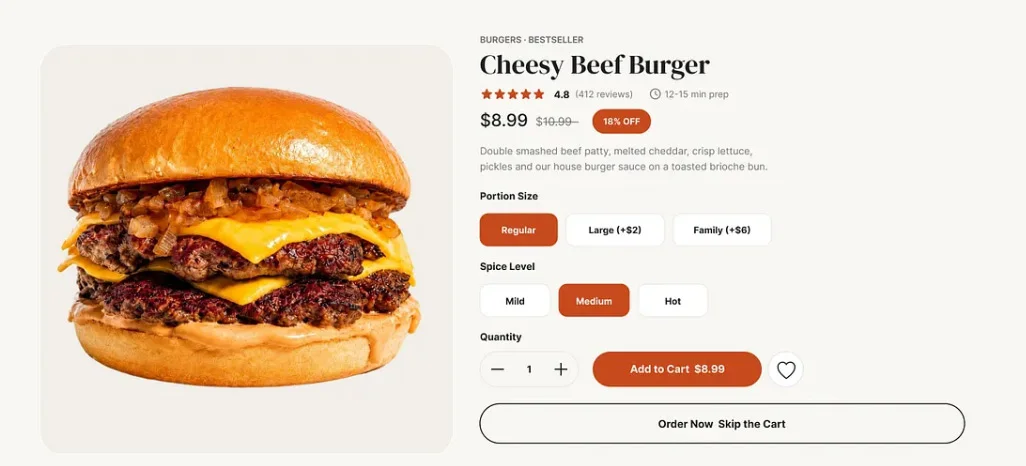
Restaurant platforms need a dependable data layer to keep product details, pricing, availability, locations, and order information aligned across connected systems. Best Food Delivery APIs for Restaurants can support these connections by moving structured information between customer-facing applications and internal operational tools. This creates a more organized environment where restaurant information can be maintained consistently instead of being repeatedly entered across separate platforms.
A strong integration strategy also helps teams establish reliable information flows between websites, mobile applications, ordering interfaces, and management systems. Through Restaurant Data API Integration, businesses can coordinate restaurant records, menu attributes, availability information, and operational details while reducing unnecessary duplication. This approach becomes especially useful when restaurants operate across several locations or digital channels requiring frequent information updates.
Another important consideration is how businesses organize information for analysis and ongoing decision-making. Restaurant Data Intelligence can bring together structured restaurant information and operational signals, helping teams evaluate menu performance, availability patterns, customer activity, and other useful indicators. Such organized information gives technology and business teams a clearer foundation for improving digital ordering workflows and operational planning.
Key Benefits:
- Centralized restaurant information management
- Consistent menu and availability updates
- Reduced repetitive data entry
- Better coordination between applications
- Structured information for operational analysis
- Easier expansion across multiple locations
Teams can establish standardized processes for updating information, connecting applications, and managing operational records without depending heavily on manual intervention. This supports faster digital ordering experiences while giving restaurant operators a more dependable technical foundation for future platform improvements.
| Area | Operational Focus | Expected Outcome |
|---|---|---|
| Restaurant information | Centralized records | Consistent data |
| Menu information | Product and availability updates | Accurate ordering |
| Digital channels | Website and application connectivity | Unified experience |
| Internal systems | Operational coordination | Reduced duplication |
| Analytics | Structured business information | Better decisions |
Streamlining Menu And Order Coordination Across Channels
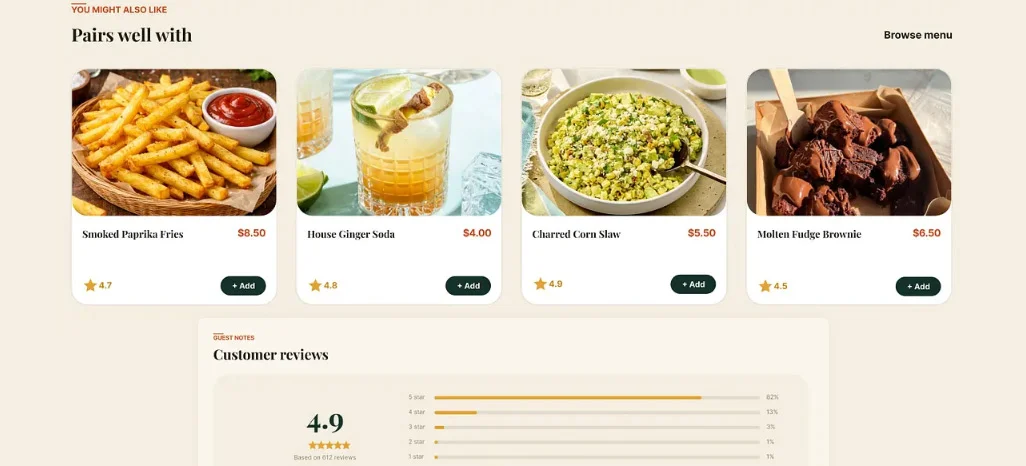
Modern ordering platforms require menus and order workflows to remain synchronized as customers move between discovery, selection, checkout, and fulfillment. A Restaurant Menu and Ordering API can transfer item names, descriptions, options, pricing, and availability into connected applications. This reduces the need for separate updates and helps customer-facing platforms present more consistent information throughout the ordering journey.
Restaurant teams also need administrative systems that can respond quickly when orders change or operational conditions shift. A Restaurant Management API can connect order status, operational records, restaurant information, and management workflows with the applications customers use. This creates a more connected environment where front-end interactions and back-office activities can communicate through structured data exchanges instead of isolated processes.
This connected model reduces manual coordination and improves visibility across the ordering lifecycle. Teams can track menu changes, order activity, and operational updates through structured workflows, while Food Scraper Services support broader data integration. It also enables digital ordering services to scale by connecting new applications and delivery channels without rebuilding existing processes.
Key Benefits:
- Synchronized menu information
- Faster order status updates
- Connected administrative workflows
- Easier partner-channel coordination
- Reduced manual order handling
- More consistent customer-facing information
Instead of maintaining entirely separate systems for every external channel, businesses can establish coordinated connections that simplify information movement and support more consistent operational handling. Third Party Food Delivery API Integration can help connect partner-based ordering and fulfillment workflows with existing restaurant infrastructure.
| Workflow Stage | Connected Information | Operational Result |
|---|---|---|
| Menu setup | Items and options | Accurate presentation |
| Customer selection | Product details | Consistent ordering |
| Checkout | Order information | Faster processing |
| Fulfillment | Status information | Better coordination |
| Completion | Order records | Improved tracking |
Creating Scalable Restaurant Platforms Through Better Data
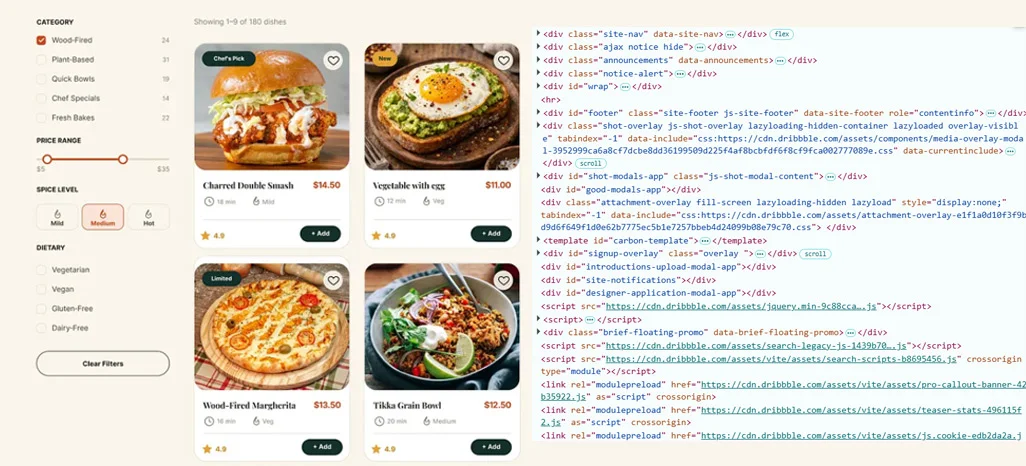
Restaurant platforms must be capable of handling different customer journeys, operational requirements, and ordering volumes without creating disconnected technology environments. A Food Delivery Platform API can connect ordering, fulfillment, customer, and restaurant services through structured exchanges. This gives technology teams a more flexible architecture for coordinating multiple digital functions while maintaining clearer relationships between the systems supporting restaurant operations.
Scalability also depends on how efficiently restaurant businesses manage information across applications and operational tools. A Smart Restaurant Platform With Food Delivery APIs can bring different digital workflows together while supporting automated updates, centralized monitoring, and multiple ordering channels. Such architecture allows teams to build applications that respond more effectively to changing business requirements without creating unnecessary technical duplication.
Pricing information is another valuable component when restaurants evaluate their digital operations and market positioning. Food Pricing Data Extraction can provide structured pricing information for menu comparisons, market analysis, product evaluation, and related research. When organized appropriately, these insights can help businesses understand pricing differences and identify patterns that may influence menu planning or competitive analysis.
Key Benefits:
- Flexible digital architecture
- Centralized operational connectivity
- Better pricing analysis
- Support for multiple ordering channels
- Easier platform expansion
- More structured analytical workflows
A scalable data architecture can therefore support more than basic ordering functionality. By establishing structured data exchanges and repeatable integration processes, restaurant businesses can create technology environments that remain easier to manage as their locations, applications, partners, and customer demand continue to expand.
| Platform Area | Primary Requirement | Business Purpose |
|---|---|---|
| Ordering | Reliable data exchange | Smooth transactions |
| Fulfillment | Status coordination | Better service |
| Pricing | Organized market information | Competitive analysis |
| Applications | Flexible connectivity | Easier expansion |
| Operations | Centralized monitoring | Better management |
How Retail Scrape Can Help You?
For restaurant businesses, Food Delivery APIs can support a connected digital workflow by bringing menu, ordering, delivery, and operational information into a structured environment. We can help teams organize relevant restaurant information for applications that require consistent and refreshed data.
Key ways this support can strengthen restaurant platforms:
- Centralize restaurant and menu information
- Refresh changing item and availability details
- Organize information for application-ready workflows
- Support monitoring across digital ordering channels
- Reduce repetitive manual data collection
- Prepare structured information for analysis
We can also help businesses collect and organize information from different restaurant and food-service sources according to defined data requirements. This can support teams that need structured records for applications, dashboards, comparison systems, research workflows, and operational analysis while reducing the effort involved in maintaining large volumes of manually collected information.
With a structured Food Delivery Menu Dataset, teams can work with organized menu attributes, pricing details, categories, availability signals, and related restaurant information across websites, mobile applications, partner channels, and internal operational dashboards.
Conclusion
When these connections are planned around clear data structures, restaurants can support faster service, consistent information, and scalable digital operations across multiple customer touchpoints, applications, and partner services. Food Delivery APIs can provide the integration layer needed to coordinate restaurant information, menus, order activity, and delivery workflows.
A strong implementation can also improve how technology teams maintain applications as business needs evolve. Restaurant Ordering API Integration can connect ordering workflows with supporting systems while reducing fragmented processes and repeated data handling. Contact Retail Scrape to build structured restaurant data solutions for smarter ordering platforms.