.gif)


What Does a Restaurant Menu Data API Show About Menu Items, Prices, Modifiers and Ratings in 2026?
Introduction
Consumer dining habits in 2026 shift rapidly across digital delivery channels, creating vast amounts of unstructured storefront data. Food brands need accurate visibility into competitor offerings without manual tracking. Using a Restaurant Menu Data API gives analysts structured access to daily dish listings, regional pricing changes, and customer sentiment across thousands of locations.
Maintaining competitive margins requires continuous visibility into daily menu updates, seasonal specials, and localized pricing strategies. Businesses rely on Real-Time Menu Price Monitoring to spot sudden price hikes, promotional discounts, and delivery platform markups before they erode market share or distort regional benchmarking models.
Beyond base dish costs, modern restaurant menus rely heavily on customization options and verified diner reviews to drive average order value. Structured data feeds capture every add-on modifier, portion size, and star rating, turning raw aggregator pages into reliable datasets for commercial strategy and market research.
Granular Visibility into Digital Dish Listings and Descriptions
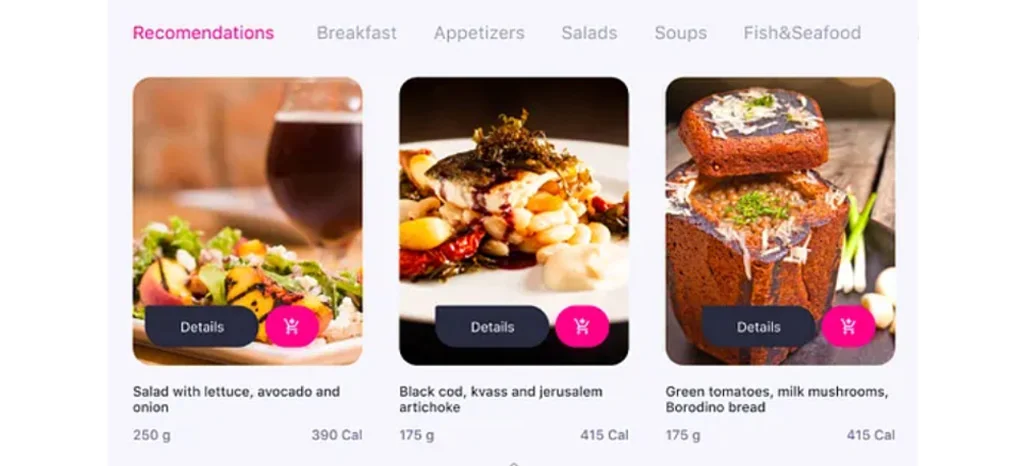
Modern food aggregators list millions of dishes that fluctuate constantly based on local inventory, meal periods, and shifting consumer demand. Implementing automated Food Menu Data Scraping captures standardized item names, ingredient lists, dietary tags, and livestock statuses across breakfast, lunch, and dinner menus. In 2026, industry research indicates that 42% of quick-service restaurants rotate limited-time offers every four weeks, making manual catalog audits completely obsolete for enterprise teams.
Deploying a reliable Restaurant Product Catalog API ensures that food manufacturers and national restaurant chains receive clean, categorized taxonomies rather than messy HTML strings. Analysts can track SKU-level ingredient trends, such as the 28% rise in plant-based protein substitutions or regional flavor variations across metropolitan zip codes without manual cleanup.
- Standardized category mapping across appetizers, entrees, beverages, and desserts.
- Automated detection of seasonal launches, limited-time specials, and discontinued items.
- Dietary and allergen tagging including vegan, keto, gluten-free, and calorie counts.
- Cross-platform SKU matching to compare identical dishes across multiple delivery apps.
| Menu Attribute | Captured Granularity in 2026 | Primary Commercial Use Case |
|---|---|---|
| Dish & Category Name | Standardized taxonomy, cuisine type, meal period | Competitive assortment benchmarking |
| Ingredient & Allergen Tags | Vegan, gluten-free, calorie counts, spice levels | R&D trend forecasting and compliance |
| Availability Status | Live in-stock, temporarily unavailable, seasonal | Supply chain and demand disruption tracking |
| Combo & Bundle Structure | Included sides, beverage pairings, family meal tiers | Value-meal architecture analysis |
Consistent Menu Item Data Extraction also flags out-of-stock dishes immediately across neighborhood storefronts, helping supply chain teams anticipate ingredient shortages and competitor menu pruning. By monitoring daily catalog additions and removals, culinary R&D teams identify emerging flavor profiles early and validate new product concepts against real-world restaurant adoption rates.
Dynamic Pricing Shifts and Promotional Elasticity Across Platforms
Restaurant pricing in 2026 operates much like airline ticketing, with algorithmic adjustments occurring hourly based on peak demand, local weather, and courier availability. Integrating a dedicated Food Pricing Intelligence API allows enterprise teams to monitor base dish rates alongside delivery platform markups, which average between 15% and 30% higher than dine-in prices across major urban markets.
Through a scalable Restaurant Price Monitoring API, pricing strategists compare identical dishes across multiple delivery apps and direct ordering websites simultaneously. Data from Q1 2026 reveals that 64% of multi-unit restaurant brands adjust delivery prices at least twice per month to offset fluctuating ingredient and labor expenses.
- Hourly tracking of base dish prices across dine-in, pickup, and third-party delivery channels.
- Identification of hidden platform service fees, surge markups, and small-order surcharges.
- Granular logging of promo codes, combo discounts, and threshold-based free delivery deals.
- Zip-code level price variance mapping to uncover regional purchasing power differences.
| Pricing Metric | 2026 Industry Benchmark | Strategic Analytical Value |
|---|---|---|
| Delivery App Markup | 18.5% average premium over dine-in | Channel margin and fee impact modeling |
| Price Update Frequency | 2.4 adjustments per store monthly | Inflation response and elasticity testing |
| Promotional Discount Depth | 12% to 20% off minimum basket size | Customer acquisition cost benchmarking |
| Regional Price Variance | Up to 24% spread across zip codes | Hyper-local purchasing power calibration |
Tracking promotional mechanics—such as buy-one-get-one offers, minimum basket thresholds, and free delivery windows—reveals how competitors protect order volume without permanently lowering base dish costs. Understanding the exact gap between listed storefront prices and discounted checkout totals helps revenue teams model regional price elasticity and calibrate localized promotional campaigns effectively.
Capturing Nested Add-On Modifiers and Verified Customer Ratings
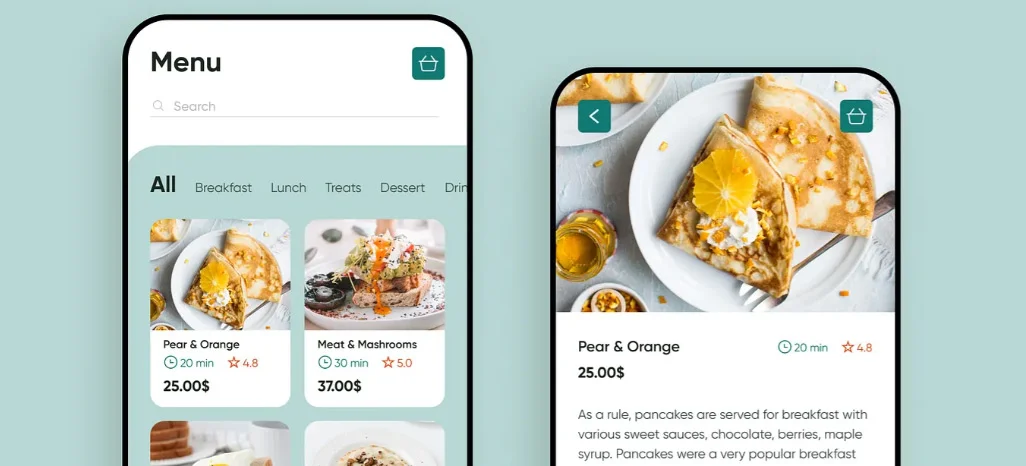
Base dish prices rarely tell the full revenue story because customization trees drive substantial margin expansion in digital ordering. A robust Restaurant Menu Price Tracking API extracts nested modifier hierarchies, capturing exact upcharges for extra proteins, premium toppings, crust upgrades, and beverage upsells. Industry benchmarks from 2026 confirm that add-on modifiers contribute up to 22% of total digital ticket size across fast-casual dining segments.
Alongside customization structures, enterprise Food Delivery Menu Data Tracking Solutions aggregate verified diner ratings, total review counts, and dish-level popularity badges across every storefront. Combining modifier pricing with live sentiment scores shows analysts whether price increases on popular add-ons trigger sudden drops in customer satisfaction.
- Extraction of required base choices including portion sizes, protein selections, and cooking temperatures.
- Itemized pricing for optional paid add-ons such as extra cheese, sauces, and side upgrades.
- Aggregation of overall store star ratings, total review volume, and recent sentiment shifts.
- Tracking of platform popularity badges including most-liked tags and repeat-order indicators.
| Modifier & Rating Field | Captured Data Points | Business Impact in 2026 |
|---|---|---|
| Required Modifiers | Portion sizes, base proteins, temperature choices | Core cost-of-goods margin calculation |
| Optional Paid Add-Ons | Extra cheese, premium sauces, side upgrades | Upsell revenue and basket-size optimization |
| Store & Dish Ratings | Overall star score (1–5), total review volume | Brand health and local store performance |
| Popularity Indicators | "Most Liked" tags, repeat order badges | Menu engineering and item placement |
Continuous Restaurant Menu Data Extraction links high-performing menu items directly to verified diner feedback, enabling culinary teams to refine portion sizes and optimize digital menu layouts. When brands correlate review volume with specific customization options, they eliminate poorly rated add-ons, highlight top-converting upsells, and maximize average order value across every digital storefront.
How Retail Scrape Can Help You?
Building and maintaining internal web crawlers across dozens of food delivery platforms drains engineering resources and breaks whenever websites update their layouts. We eliminate these bottlenecks by delivering clean, structured restaurant datasets through a scalable Restaurant Menu Data API tailored to your exact geographic and competitive parameters.
Our infrastructure handles anti-bot challenges, proxy rotation, and schema normalization so your analysts can focus entirely on strategic decision-making.
- Custom coverage across global food delivery aggregators, quick-service chains, and independent local restaurants.
- Automated daily or hourly refresh schedules to capture flash promotions and meal-period menu shifts.
- Standardized JSON and CSV delivery formats ready for immediate ingestion into your existing BI tools.
- Complete extraction of nested modifier trees, combo options, and regional tax or fee structures.
- Historical data archiving to support year-over-year inflation tracking and seasonal menu comparisons.
- Dedicated engineering support and strict quality assurance checks to guarantee high field-level accuracy.
Partnering with us gives your enterprise reliable Restaurant Data Intelligence Services that transform raw digital menus into measurable pricing and product advantages.
Conclusion
Navigating hyper-competitive food markets in 2026 requires granular visibility into every dish, price shift, modifier option, and customer rating across digital storefronts. Relying on a structured Restaurant Menu Data API empowers hospitality brands, CPG manufacturers, and market researchers to replace guesswork with verified competitive benchmarks.
Combining automated Restaurant Menu Data Extraction with disciplined pricing and sentiment analysis ensures your business reacts quickly to market shifts while protecting profit margins. Contact Retail Scrape today to schedule a custom data demo and start automating your restaurant menu intelligence.