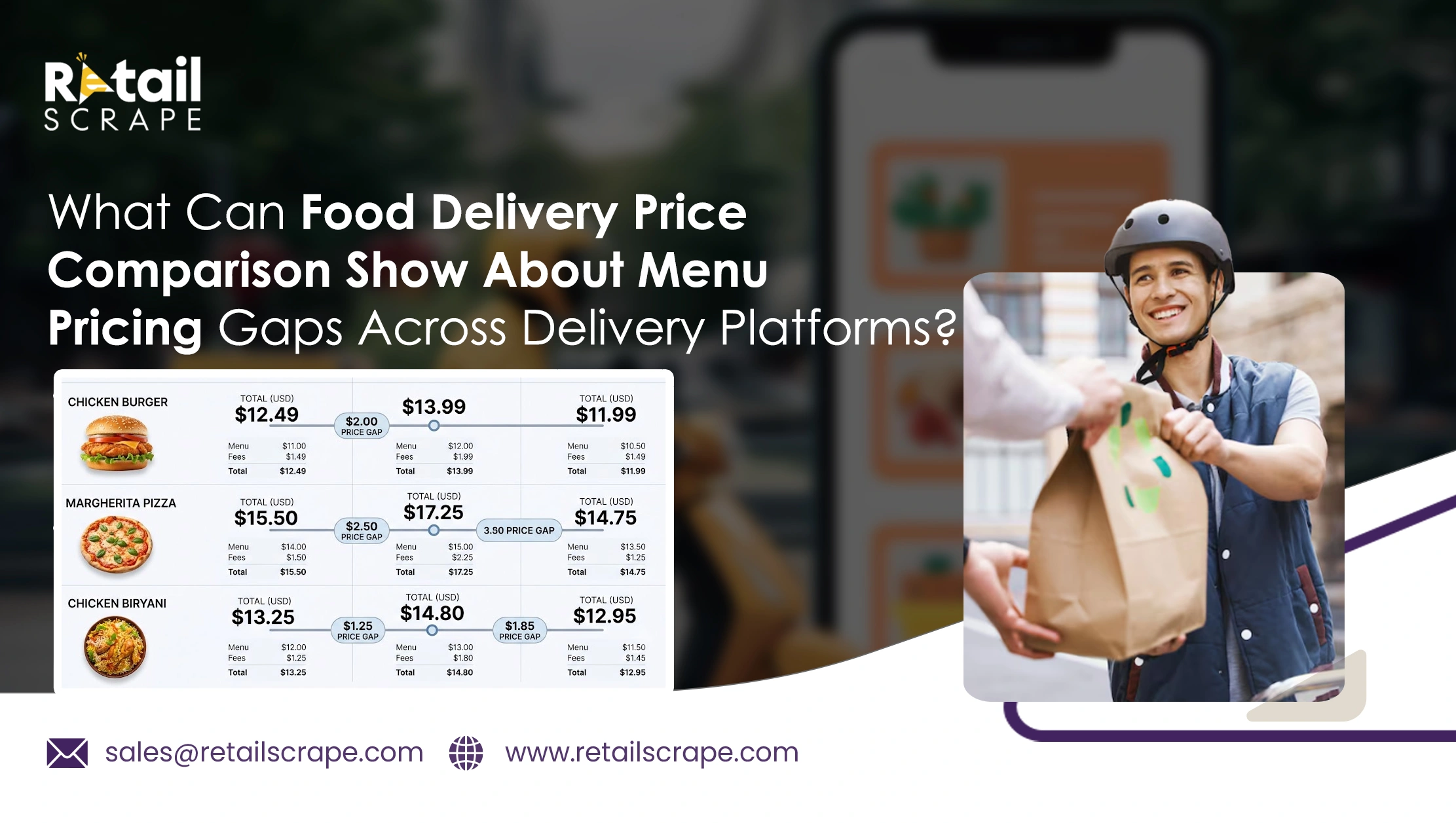
What Can Food Delivery Price Comparison Show About Menu Pricing Gaps Across Delivery Platforms?
Introduction
Food delivery platforms often list the same restaurant with different prices, offers, portions, and delivery charges. These variations can influence customer choices and restaurant revenue. A structured Restaurant Menu Price Comparison helps businesses examine these differences and understand how pricing changes across competing delivery channels.
Brands can compare item-level prices, discounts, availability, ratings, and promotional patterns to identify inconsistencies that may affect demand. Using structured menu information, businesses can organize pricing records across multiple platforms and evaluate where pricing gaps occur. This creates a clearer view of competitive positioning and customer-facing price variations.
Regular monitoring also helps restaurants understand whether price differences result from commissions, promotions, platform strategies, or menu updates. With Food Delivery Price Comparison, businesses can turn scattered menu information into structured insights that support better decisions. This approach is particularly useful for restaurants operating across several delivery marketplaces and locations.
Comparing Menu Prices Across Multiple Delivery Platforms
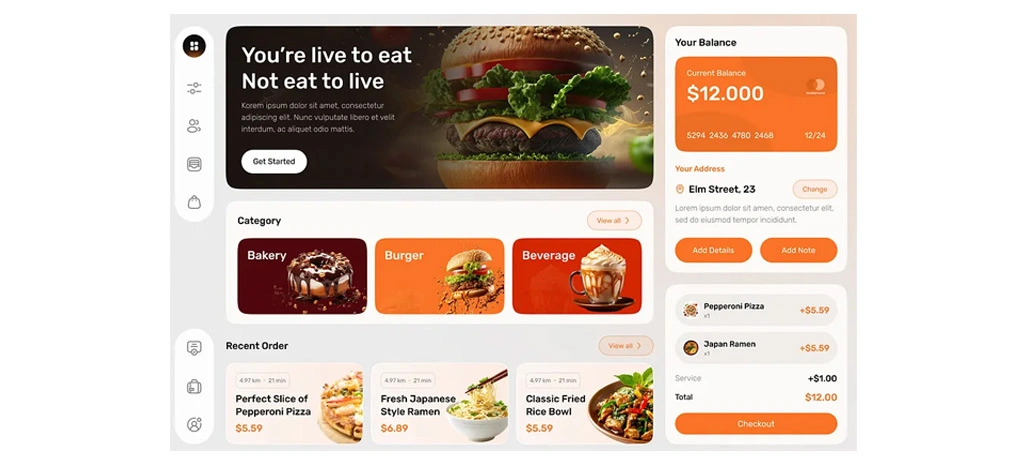
Menu prices can differ considerably when the same restaurant and dish appear across several delivery applications. Businesses can examine item names, listed prices, portions, discounts, and availability to create consistent comparisons. This helps identify unusual variations while showing how individual menu items are positioned differently across competing platforms. Such comparisons also make recurring pricing patterns easier to monitor.
Using Restaurant Menu Pricing Analytics in the middle of the evaluation process can help organize item-level observations into meaningful pricing patterns. Businesses can compare standard prices against promotional rates and identify whether certain dishes consistently carry different customer-facing prices. This approach also helps teams separate temporary discounts from persistent pricing differences that may require further investigation.
Food Delivery Pricing Analysis can further support comparisons by grouping results according to restaurants, categories, locations, and individual dishes. When these dimensions are reviewed together, businesses can identify whether pricing differences are isolated or part of a broader marketplace pattern.
Key observations may include:
- Listed dish prices across platforms
- Promotional and discounted rates
- Serving-size information
- Menu availability status
- Restaurant and location details
Historical records can also show whether variations remain stable or change over time. Businesses can use Food Data Scraping to collect menu information at regular intervals and create structured records for analysis.
| Comparison Area | Business Purpose |
|---|---|
| Item Price | Review direct pricing variations |
| Discount | Examine promotional changes |
| Portion | Check serving-related differences |
| Availability | Monitor listing consistency |
Evaluating Competitive Pricing Gaps Through Menu Data
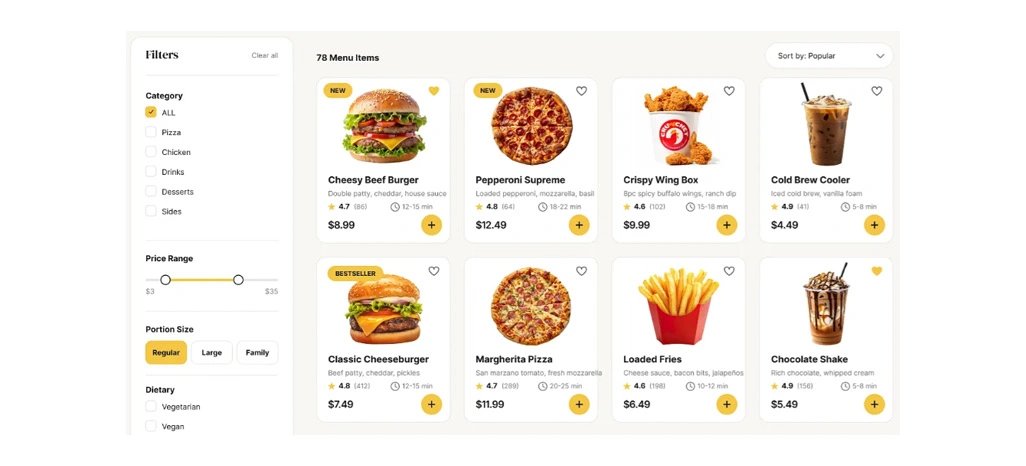
Comparing restaurant listings across delivery applications provides a broader understanding of how businesses position their menus. Differences can appear across individual dishes, food categories, locations, discounts, and availability. Reviewing these elements together allows companies to identify where customer-facing prices diverge and whether those differences follow specific restaurant or platform patterns.
Businesses can apply Food Delivery Menu Analytics to organize menu records and examine pricing behavior at a more detailed level. Instead of reviewing individual listings manually, teams can compare multiple restaurants and categories using standardized fields. This makes it easier to identify products with unusually large price differences and determine which menu segments require closer monitoring.
Through Food Delivery Data Intelligence, companies can connect menu information from multiple delivery sources and structure it for recurring competitive analysis. This creates a consistent foundation for examining price movements, promotional activity, and listing changes.
Useful comparison areas include:
- Restaurant-level pricing patterns
- Category-based price movements
- Platform-specific promotional rates
- Location-based menu variations
- Changes in listed availability
Historical records can also help businesses distinguish short-term campaign pricing from longer-lasting differences between platforms. Menu Price Differences Across Delivery Platforms can become more meaningful when businesses review them alongside location, category, and promotional information.
| Data Point | Analytical Use |
|---|---|
| Dish Price | Identify direct variations |
| Food Category | Compare category behavior |
| Promotion | Review offer differences |
| Location | Examine regional patterns |
This structured approach helps businesses move from simple price checking toward consistent marketplace benchmarking and menu monitoring.
Turning Pricing Variations Into Better Restaurant Decisions
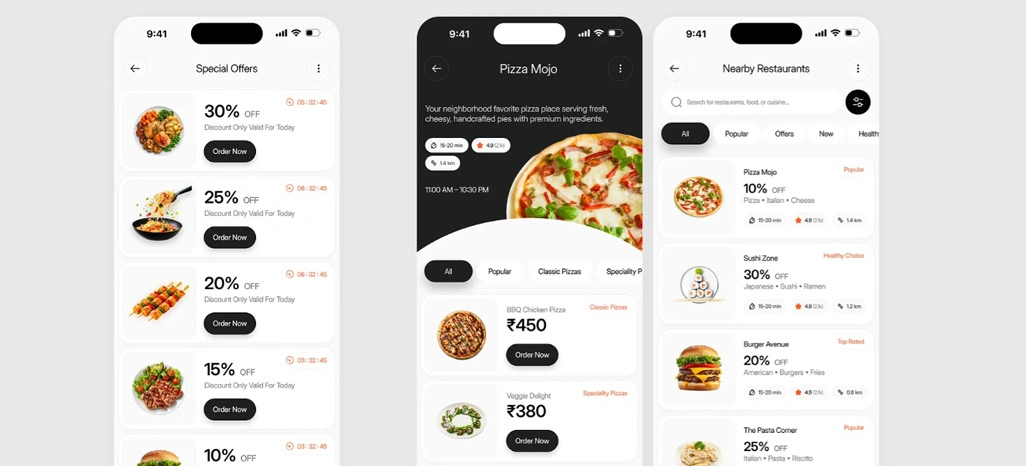
Pricing differences become more useful when businesses connect menu observations with broader marketplace conditions. A restaurant may display different rates because of promotional campaigns, platform commissions, location-specific strategies, portion changes, or other commercial factors. Reviewing these variables together provides greater context for understanding why customer-facing prices may not remain consistent.
Businesses can use Food Delivery Menu Data Scraping to collect prices, discounts, ratings, availability, categories, and menu attributes at scheduled intervals. Structured records make it easier to compare current listings with historical information and identify changes that may require attention. This can also reduce the manual effort involved in checking multiple delivery applications repeatedly.
Applying Food Delivery Pricing Intelligence allows teams to interpret collected information within a broader competitive context. Instead of focusing only on individual price differences, businesses can examine recurring patterns across restaurants, locations, and categories.
Relevant considerations include:
- Changes in competitor pricing
- Promotional frequency
- Item-level demand indicators
- Regional pricing patterns
- Menu availability trends
This can help identify areas where pricing requires closer review while providing supporting evidence for future menu adjustments. Businesses can also apply Restaurant Pricing Optimization Using Data when evaluating possible pricing changes.
| Business Factor | Potential Application |
|---|---|
| Price Variation | Review pricing consistency |
| Promotion | Assess offer patterns |
| Rating | Add customer context |
| Availability | Track menu accessibility |
A structured comparison process therefore gives restaurants a clearer basis for reviewing menu decisions, monitoring competitors, and assessing marketplace changes without relying solely on isolated observations.
How Retail Scrape Can Help You?
We can help businesses collect and organize restaurant menu information from multiple delivery platforms for structured comparison. Using Food Delivery Price Comparison, teams can monitor item prices, discounts, ratings, availability, categories, and other relevant attributes across selected restaurants and locations.
The collected information can support How to Compare Restaurant Prices Across Delivery Apps by creating consistent records for item-level and platform-level analysis. Businesses can use these datasets for competitor monitoring, menu benchmarking, promotional analysis, pricing research, and marketplace tracking.
Key capabilities include:
- Multi-platform restaurant menu collection
- Item-level price and discount tracking
- Restaurant and location-based data extraction
- Menu availability monitoring
- Structured competitor price comparison
- Regular collection for trend analysis
We can also organize collected information into usable Food Datasets, allowing teams to analyze historical and current menu records more efficiently. This structured approach reduces manual comparison work and provides businesses with reliable information for ongoing restaurant pricing research and delivery marketplace monitoring.
Conclusion
Consistent pricing monitoring can reveal meaningful differences between restaurant listings, promotional offers, and customer-facing menu rates. Food Delivery Price Comparison provides businesses with a structured way to examine these variations, identify recurring gaps, and understand marketplace pricing behavior across restaurants, categories, and locations.
When pricing decisions are supported by structured information, teams can respond more effectively to changing marketplace conditions. Restaurant Pricing Optimization Using Data helps connect collected pricing information with practical business decisions. Contact Retail Scrape to collect structured restaurant menu data and build a reliable foundation for pricing comparison, competitive monitoring, and delivery marketplace analysis.