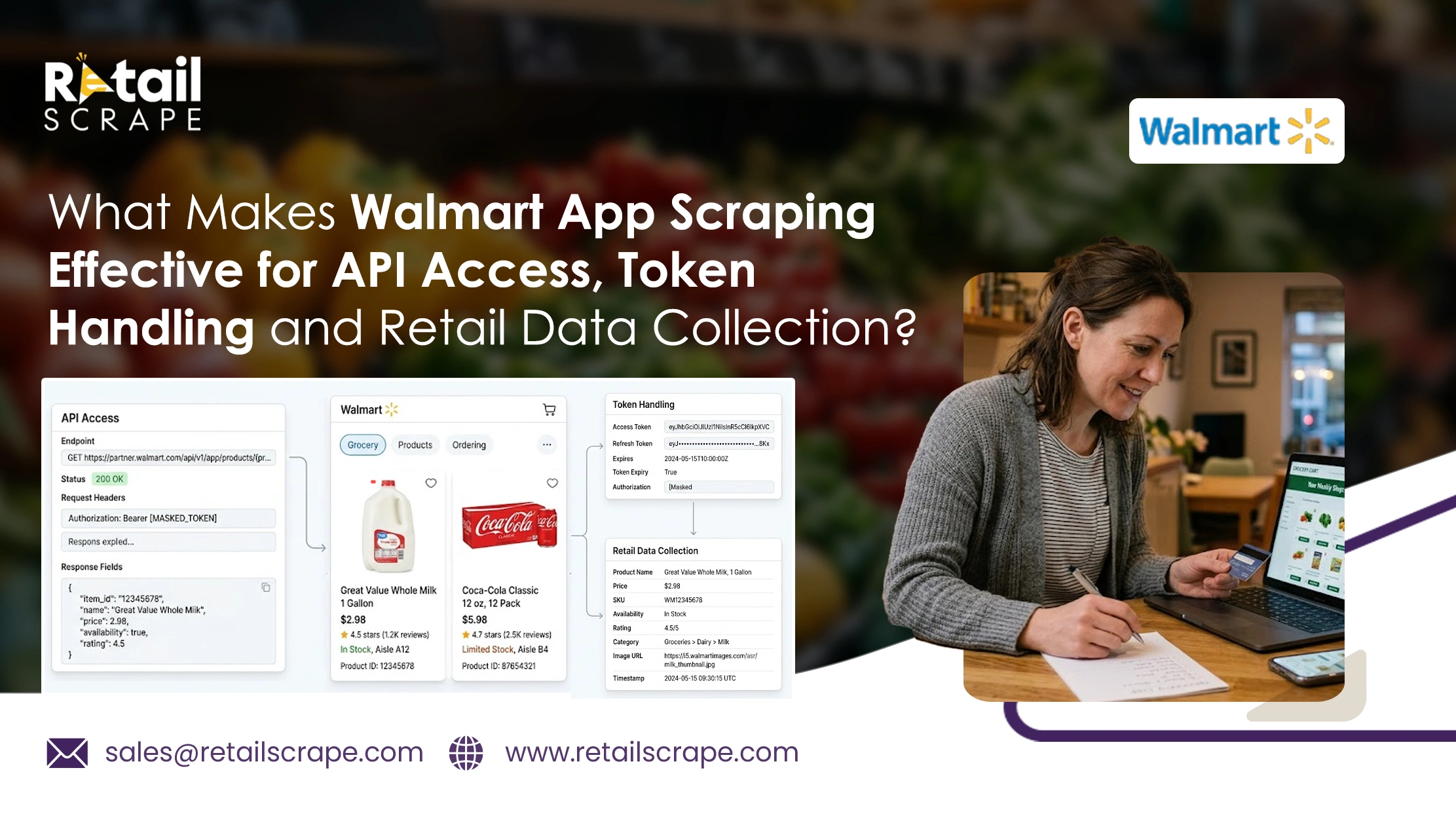
What Makes Walmart App Scraping Effective for API Access, Token Handling and Retail Data Collection?
Introduction
Retail applications generate continuously changing information across products, prices, inventory, categories, promotions, and fulfillment options. Businesses can convert this app-level information into structured datasets when collection workflows account for API responses, authentication requirements, pagination, and changing request patterns. This creates a more dependable foundation for retail intelligence and competitive analysis.
Modern Walmart App Data Extraction focuses on collecting relevant fields while maintaining consistency across repeated requests. API-oriented workflows can capture product identifiers, titles, prices, availability, ratings, categories, and related attributes without depending entirely on visible application screens. Proper request handling also helps organize large datasets for downstream analysis.
In 2026, effective Walmart App Scraping depends on more than retrieving product pages. It requires practical token handling, request validation, response parsing, scheduling, and data normalization. A structured approach can support Walmart Product Data Extraction, price monitoring, assortment analysis, and retail research while keeping collected information organized for recurring use.
Streamlined API Access Strengthens Modern Retail Data Workflows
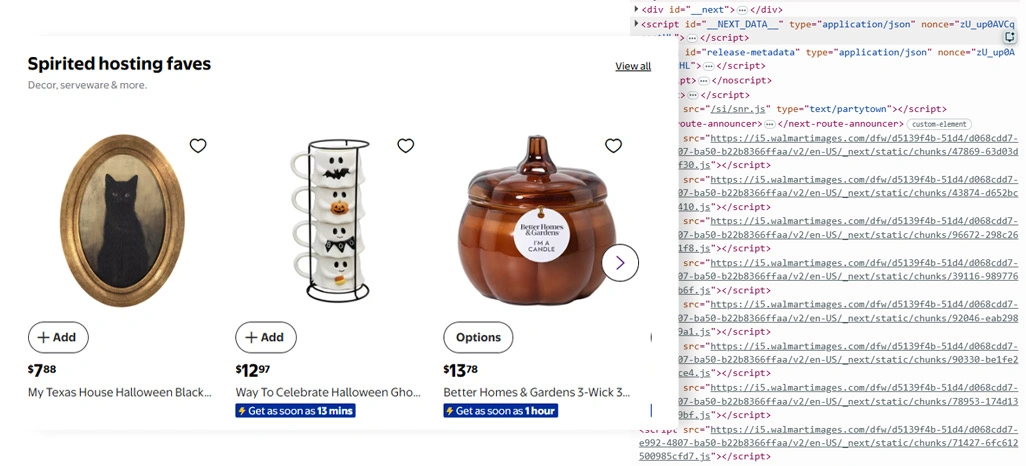
Retail application data collection becomes more structured when API requests are mapped to relevant endpoints, parameters, and response fields. Walmart Product Data Extraction Using API can organize product IDs, names, categories, prices, stock indicators, and other attributes into repeatable records. Instead of processing every visible application element, teams can focus collection logic around useful response structures and defined fields.
This approach also makes it easier to establish consistent schemas for large-scale datasets while reducing unnecessary duplication during recurring collection activities. A properly planned Walmart Product Data API workflow can incorporate request validation, pagination management, response parsing, and field normalization.
API responses may contain nested objects or multiple product attributes, making systematic parsing important for maintaining usable records. Teams can also define which fields require regular updates and which can remain unchanged for longer periods. This creates a practical separation between frequently refreshed information and relatively stable product metadata.
Important workflow considerations include:
- Endpoint and response-field mapping
- Pagination and batch management
- Product identifier normalization
- Response validation and error detection
- Timestamp-based record management
- Structured storage for recurring datasets
| Workflow Area | Typical Implementation |
|---|---|
| Product fields | Defined extraction schema |
| Request processing | Controlled batches |
| Pagination | Sequential page handling |
| Data validation | Field and response checks |
| Storage | Structured records |
Reliable Walmart Product Data Extraction also depends on maintaining consistent formats across collection cycles. Product names, prices, identifiers, categories, and other attributes should follow predefined structures so historical datasets remain comparable. With appropriate parsing and validation, businesses can create cleaner datasets that are easier to integrate with databases, dashboards, analytical systems, and downstream retail applications.
Robust Token Handling Enables Reliable Application Data Retrieval
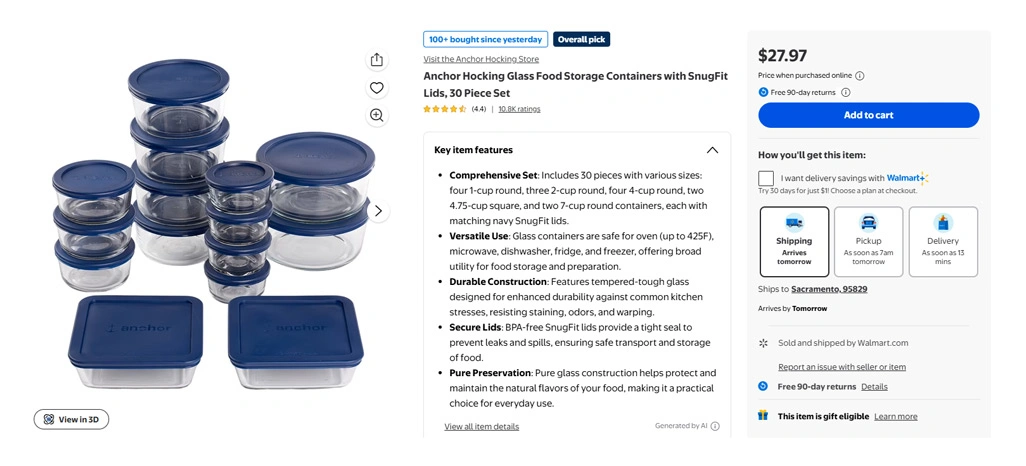
Authentication can influence whether an application data workflow remains consistent across repeated requests. Session information, access tokens, headers, and request parameters may need to be handled according to the application's technical structure. Walmart Product Availability API workflows can incorporate controlled authentication processes alongside response validation, allowing availability-related information to be collected within an organized request sequence rather than through disconnected extraction attempts.
Token-aware workflows should monitor authentication states throughout scheduled collection. When a token expires or a session changes, the process needs to identify the response condition and follow its predefined handling logic. Proper request sequencing can also reduce incomplete records caused by interrupted sessions. For recurring datasets, these controls are useful because collection jobs may run across multiple categories, products, or geographic configurations over extended periods.
Useful token-handling practices include:
- Monitoring session validity
- Checking authentication responses
- Managing request headers consistently
- Recording failed request conditions
- Applying controlled retry logic
- Validating returned product records
| Handling Component | Operational Focus |
|---|---|
| Session state | Continuity monitoring |
| Token lifecycle | Expiration checks |
| Request headers | Consistent formatting |
| Error handling | Response classification |
| Retry process | Controlled reattempts |
For broader Walmart App Data Extraction, token management works alongside parsing, scheduling, and validation rather than functioning as an isolated technical step. A consistent process can identify incomplete responses before they enter the final dataset. This helps maintain cleaner product and availability records while supporting recurring collection schedules and reducing the manual effort required to inspect failed requests individually.
Structured Pricing Data Supports Deeper Retail Market Analysis
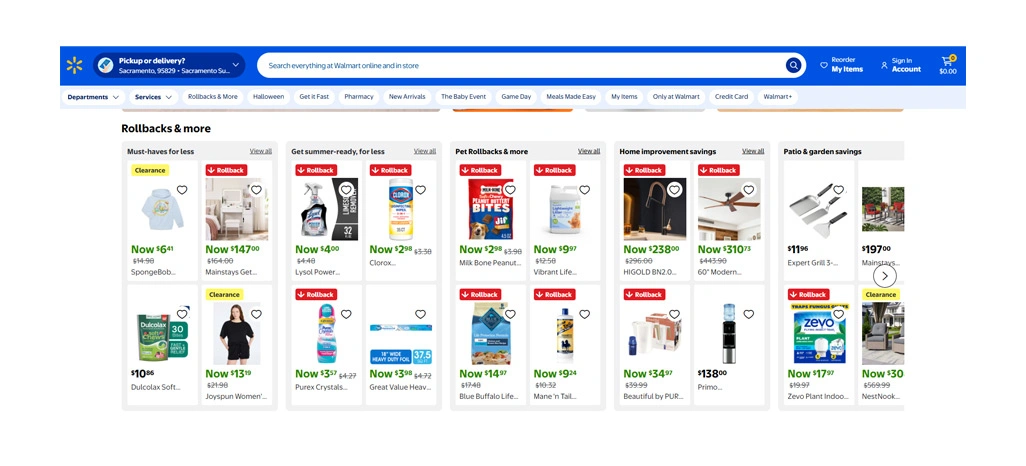
Retail app information becomes more useful when pricing, availability, product attributes, and timestamps are stored in consistent formats. Walmart App Price and Availability Data can bring these elements together within a structured dataset, allowing businesses to examine changes across collection periods. Product identifiers can serve as stable references while prices and availability indicators are recorded as time-based observations for subsequent comparison and analysis.
Standardization becomes especially important when similar products appear with different descriptions or packaging information. A Walmart Product Data for Price Comparison workflow can normalize product names, package sizes, identifiers, prices, and timestamps before analytical processing. Consistent structures make it easier to compare records, identify changes, and prepare datasets for dashboards or automated reporting systems without repeatedly cleaning the same information.
Businesses can organize collection around several analytical elements:
- Product-level pricing observations
- Availability status changes
- Category and brand attributes
- Package-size normalization
- Collection timestamps
- Historical record retention
| Analytical Field | Dataset Purpose |
|---|---|
| Product ID | Record identification |
| Product name | Catalog reference |
| Price | Pricing observation |
| Availability | Stock monitoring |
| Timestamp | Historical comparison |
Structured Walmart Product Data for Retail Analytics can further support category-level analysis, assortment monitoring, pricing research, and inventory observations. Historical records provide additional context because individual price or availability observations can be examined alongside earlier collection points. When these datasets are refreshed on a defined schedule, teams can maintain an organized retail information layer that supports recurring analysis rather than relying on one-time extraction results.
How Retail Scrape Can Help You?
We can support structured app-data workflows by combining collection logic, API response processing, token-aware request management, validation, and dataset normalization. For businesses working with Walmart App Scraping, the process can be organized around defined product fields, refresh schedules, validation rules, and scalable storage rather than isolated extraction tasks.
Key capabilities can include:
- API-oriented retail data collection workflows
- Structured product and category field extraction
- Session and authentication workflow management
- Automated response validation and normalization
- Scheduled dataset refresh and monitoring
- Export-ready datasets for analytical applications
These capabilities help teams maintain consistent datasets as product information changes across collection cycles. For pricing-focused projects, Walmart Product Price Tracking From App Data can be incorporated into recurring workflows that record product prices, timestamps, availability signals, and related attributes for historical analysis and reporting.
Conclusion
A well-designed Walmart App Scraping workflow combines API access, authentication handling, structured parsing, validation, and scheduled collection to create dependable retail datasets. Instead of treating app data as isolated responses, businesses can organize product, pricing, availability, and category information into consistent records suitable for ongoing analysis.
With properly structured Walmart Product Data Extraction, teams can build datasets that support price intelligence, assortment monitoring, inventory analysis, and broader retail research. The approach can also be adapted to changing collection requirements through validation and refresh controls. Contact Retail Scrape today to discuss a scalable retail data collection solution tailored to your project requirements.