Why Is Hotel Data Scraping Becoming Essential for Real-Time Pricing Intelligence and Rate Tracking?
Introduction
Hotel pricing changes continuously because of demand, occupancy, seasonality, events, and competitor movements. Hotel Data Scraping provides structured information from multiple sources, helping businesses monitor room rates, availability, promotions, and pricing patterns consistently. This creates a more organized foundation for understanding market movements and supporting pricing-related research.
Modern pricing teams increasingly depend on automated data collection instead of manually checking multiple booking platforms. Hotel Data Extraction for Dynamic Pricing can organize rates according to property, room category, date, location, and occupancy. This makes large datasets easier to analyze while reducing repetitive monitoring activities and improving the speed of pricing research.
Reliable market information also supports competitor benchmarking and rate tracking across different destinations. Businesses can compare historical and current pricing patterns to identify fluctuations and changing market conditions. With structured datasets, pricing teams can evaluate room-level differences, promotional changes, and availability signals while creating a stronger foundation for informed revenue and market analysis.
Real-Time Pricing Signals Reshape Modern Hotel Rate Tracking
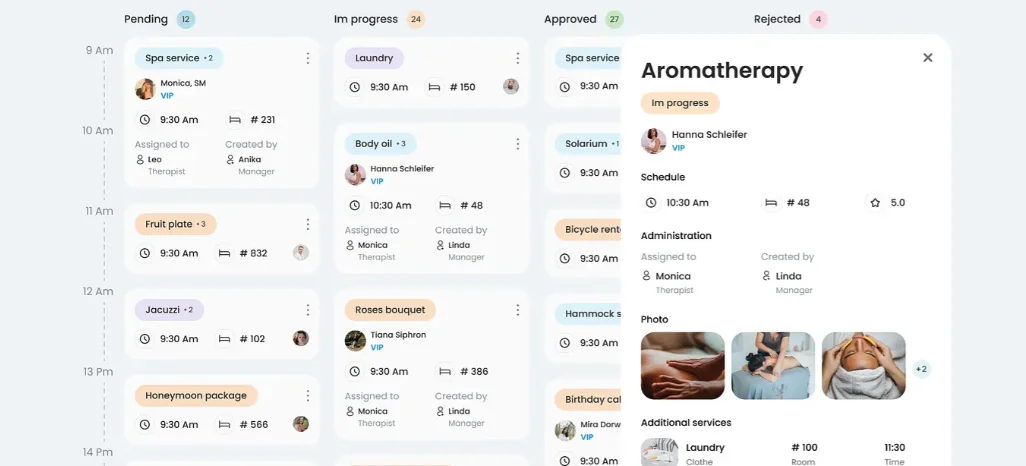
Hotel prices can fluctuate throughout the day because of demand levels, occupancy, booking windows, local events, seasonal conditions, and competitor movements. Collecting pricing information at regular intervals helps businesses understand these changes instead of relying on occasional manual checks. This creates a broader view of market behavior and makes rate comparisons more consistent across properties and destinations.
For businesses comparing multiple accommodation providers, Hotel Price Comparison Data Scraping can organize rates according to property, room category, stay date, occupancy, and booking conditions. Instead of reviewing individual websites repeatedly, analysts can work with structured records that make differences easier to identify. This approach can also support historical comparisons when rate observations are stored over time.
Industry research and hospitality analytics frequently emphasize the importance of timely pricing information. A monitoring project covering 100 competing hotels across several destinations, for example, can produce thousands of rate observations when multiple dates, room categories, and occupancy conditions are included. Hotel Competitor Price Data Extraction can organize these observations for benchmarking and help analysts examine changing market conditions more systematically.
Key data collection areas may include:
- Current room rates and displayed prices
- Property and room-category information
- Stay dates and booking windows
- Promotions and visible discount conditions
- Occupancy-related availability signals
| Pricing Factor | Data Tracked | Business Use |
|---|---|---|
| Room Rate | Listed price | Rate benchmarking |
| Stay Date | Check-in and checkout | Demand analysis |
| Room Type | Category and occupancy | Product comparison |
| Promotions | Discounts and offers | Competitive monitoring |
Consistent collection allows pricing teams to identify unusual movements, recurring patterns, and differences between properties. Historical datasets can reveal how rates change during weekends, holidays, peak seasons, or major events. These observations can then support broader pricing research while giving businesses a structured foundation for monitoring competitive market activity.
Competitive Market Movements Influence Hotel Pricing Decisions
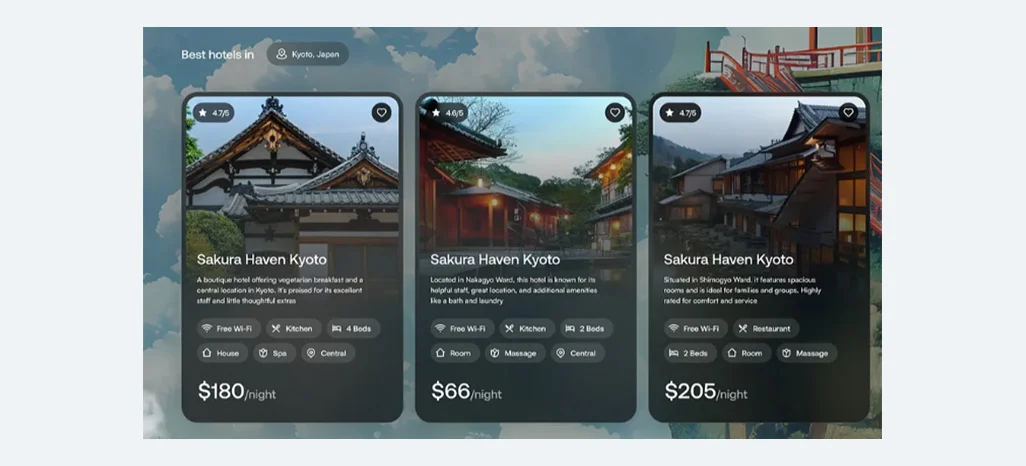
Competitive pricing becomes easier to evaluate when information is collected systematically from multiple accommodation sources. Hotels operate within markets where neighboring properties may adjust rates according to occupancy, demand, seasonality, promotions, and booking activity. Regularly collected information provides analysts with a broader perspective on how prices move across different properties and destinations.
Businesses can organize collected information according to location, property category, room type, stay date, and booking window. Hotel Competitor Price Analysis can then help analysts examine pricing differences across comparable properties and identify recurring variations. Rather than reviewing isolated rates, teams can work with structured records that provide greater consistency for market comparisons and reporting.
Automated monitoring can become particularly useful when businesses track hundreds of properties simultaneously. For instance, a dataset covering 250 properties across five destinations can produce thousands of observations when several room categories and booking periods are included. These records can help analysts examine pricing behavior across market segments while reducing the repetitive effort associated with manual collection.
Important competitive monitoring activities can include:
- Comparing rates across similar properties
- Tracking pricing changes across destinations
- Monitoring promotional activity and discounts
- Grouping hotels by category and location
- Maintaining historical observations for analysis
| Comparison Area | Collected Information | Analytical Purpose |
|---|---|---|
| Competitor Rates | Room prices | Benchmarking |
| Property Type | Hotel category | Market segmentation |
| Location | City or destination | Regional comparison |
| Booking Window | Advance booking period | Pricing pattern analysis |
Analysts can review pricing differences, promotional activity, and market movements without repeatedly visiting individual sources. Real-Time Hotel Rate Monitoring Solutions can support recurring collection and organize changing information into usable datasets. This creates a more consistent framework for competitive research and helps businesses maintain comparable records across properties, destinations, dates, and room categories.
Availability Patterns Add Context To Changing Hotel Rates
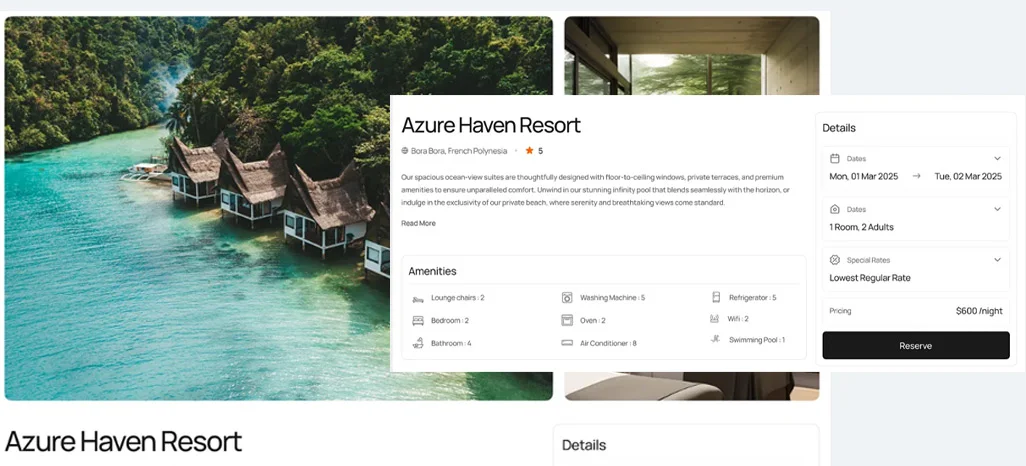
Room availability and pricing are closely connected because inventory conditions can influence how properties position their rates. When fewer rooms remain for a particular date, displayed prices may differ from periods with greater inventory. Monitoring both factors together provides additional context for interpreting pricing movements and helps analysts understand how room availability relates to changing market conditions.
When these observations are collected repeatedly, businesses can compare inventory and pricing patterns across different periods. Hotel Room Availability and Price Scraping can capture room categories, visible availability signals, listed rates, stay dates, and occupancy conditions within structured datasets. This information can be particularly useful for analyzing peak dates, high-demand destinations, and changing booking conditions.
For example, a property with limited rooms remaining may display different pricing from the same property when inventory is higher. Real-Time Hotel Price Data Scraping can capture these changes at recurring intervals, allowing analysts to maintain current observations alongside historical records. Combining current and previous observations can provide greater context when reviewing pricing fluctuations and availability movements.
Useful monitoring areas can include:
- Available room categories and inventory signals
- Current listed rates by room type
- Upcoming stay dates and booking periods
- Occupancy-related pricing observations
- Historical changes in room availability
| Data Point | Example Signal | Analytical Value |
|---|---|---|
| Available Rooms | Limited inventory | Demand indicator |
| Listed Rate | Current price | Rate tracking |
| Room Category | Standard or premium | Product comparison |
| Stay Date | Upcoming date | Forecasting context |
Businesses can combine availability and rate information with seasonal calendars, destination events, historical observations, and booking patterns. This broader dataset can help analysts interpret why rates change under different market conditions. Automated collection also makes it easier to maintain consistent records across properties, dates, and booking channels for ongoing pricing research and reporting.
How Retail Scrape Can Help You?
We can help hospitality businesses organize large volumes of accommodation information into structured datasets for pricing and market analysis. Hotel Data Scraping can collect relevant information across selected properties, room categories, dates, and booking sources according to defined project requirements. This supports recurring research while reducing repetitive manual data collection.
Key capabilities can include:
- Automated collection across selected hotel sources
- Structured organization of property and room information
- Scheduled datasets for recurring market monitoring
- Historical data preparation for trend analysis
- Custom fields based on business requirements
- Delivery in analysis-ready formats
These capabilities can support Hotel Pricing Intelligence by giving revenue teams consistent datasets for comparing rates, evaluating market movements, and examining pricing patterns. Businesses can use these datasets to evaluate changing rates, compare properties, and examine availability patterns across destinations.
With properly structured records, teams can integrate collected information into internal dashboards, analytical workflows, and revenue-planning processes. Hotel Price Data Scraping can also provide organized pricing information for broader analysis, reporting, and benchmarking activities.
Conclusion
Hotel Data Scraping gives hospitality businesses a structured way to collect changing rates, room information, and competitive signals from multiple online sources. Hotel Rate Data Extraction for Pricing Intelligence can support historical comparisons, market monitoring, and detailed pricing analysis while reducing dependence on repetitive manual research.
As hotel markets become increasingly dynamic, timely and organized datasets can help teams understand rate movements and availability conditions more systematically. Hotel Price Data Scraping can become part of a consistent analytical process for ongoing market research. Contact Retail Scrape today to discuss your hotel pricing data collection requirements and build a customized scraping solution for your business.