


How Do Food Delivery APIs Compare for Restaurant Data, Platform Integration, and Market Research?
Introduction
Modern hospitality businesses depend on third-party aggregators to connect with digital customers and manage incoming orders efficiently. Integrating Point-of-Sale systems with delivery platforms through Food Delivery APIs streamlines order processing, eliminates manual entry, minimizes kitchen errors, and speeds up dispatch across multiple storefronts.
However, enterprise brands and market analysts require far more than basic order routing. A thorough Food Delivery API Comparison reveals stark differences in how major platforms restrict public endpoints, throttle data requests, and govern commercial telemetry access.
Understanding these technical boundaries is essential for scaling restaurant operations and executing competitive intelligence. Selecting the right integration architecture determines whether your team captures real-time catalog visibility or remains locked out of critical marketplace insights.
Evaluating Regional Aggregator Ecosystems for Restaurant Platform Integration
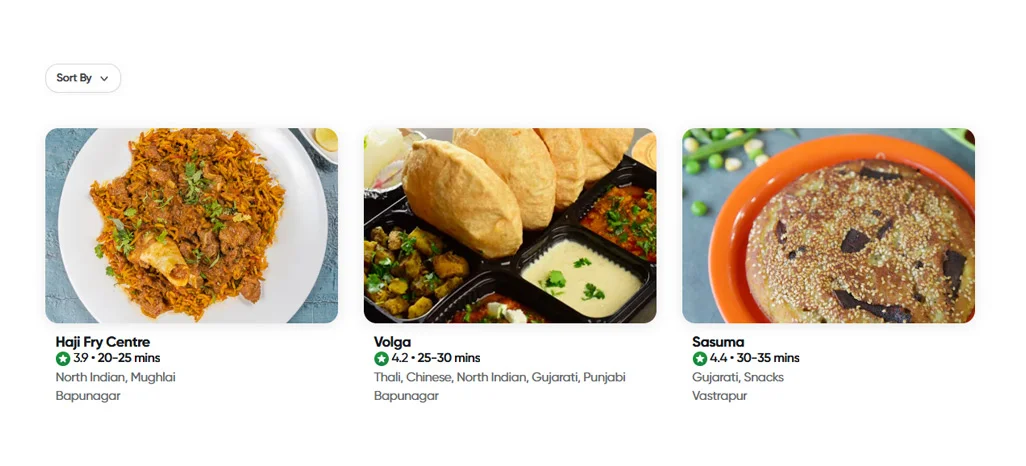
South Asia’s hyper-competitive delivery sector enforces strict partner-only access models that govern how enterprise kitchens connect with digital storefronts. Conducting a detailed Swiggy vs Zomato API Comparison highlights that neither platform offers open, self-serve public developer keys for external market researchers. Instead, both organizations restrict official endpoints to verified merchant partners and certified point-of-sale integrators to protect consumer privacy and proprietary logistics networks.
Industry benchmarks show that over 78% of multi-chain restaurants in Tier-1 Indian cities rely on middleware aggregators to bridge these two ecosystems. While official partner webhooks handle live order acceptance reliably, they intentionally block external visibility into rival pricing, localized delivery fees, and dynamic surge zones across competing neighborhoods.
| Feature / Metric | Swiggy Partner Endpoint | Zomato Enterprise Endpoint |
|---|---|---|
| Access Model | Whitelisted POS & Merchant Partners | Approved Enterprise & POS Integrators |
| Primary Use Case | Order lifecycle, inventory sync, rider status | Menu publishing, order relay, outlet toggles |
| Rate Limits | Strict per-outlet throttling (~60 req/min) | Tiered enterprise quotas (~100 req/min) |
| Historical Analytics | Limited to 30–90 days via merchant portal | Basic payout and order summary exports |
| Competitor Visibility | Zero cross-restaurant catalog access | Restricted strictly to owned brand outlets |
- Webhook Latency: Real-time order status updates trigger within two seconds to synchronize kitchen display screens immediately.
- Catalog Synchronization: Automated stock toggles prevent customer cancellations during peak dining hours across multiple branches.
- Partner Onboarding: Rigorous technical compliance audits precede production credential approval for enterprise restaurant chains.
Data teams seeking broader market intelligence cannot rely solely on standard partner webhooks to benchmark regional demand. When analysts require structured catalog intelligence across thousands of competing storefronts, deploying a specialized Restaurant Menu Data Extraction API becomes necessary to capture item-level variations, modifier pricing, and real-time availability without violating strict platform rate limits.
Comparing Global Marketplace Architectures for Commercial Restaurant Data
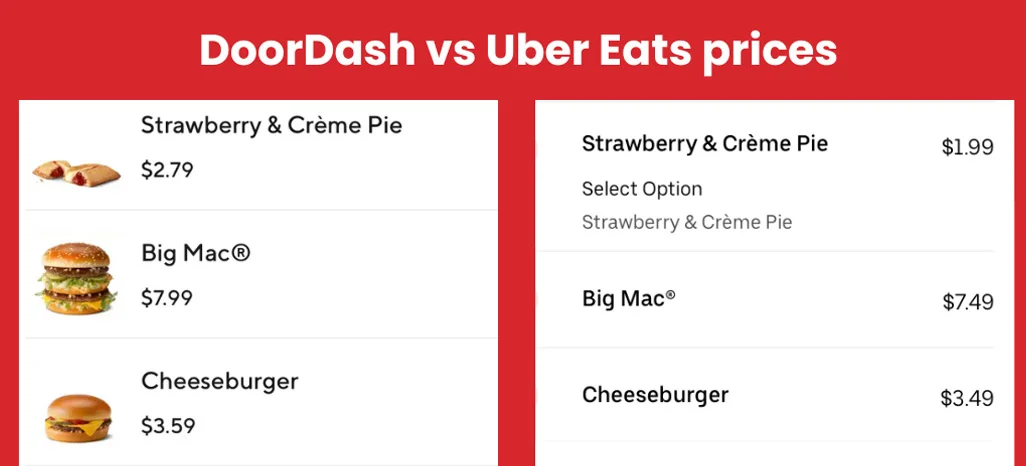
North American and European delivery leaders offer more mature developer portals than their Asian counterparts, yet strict scope permissions still govern every endpoint. Evaluating Uber Eats API vs Doordash API capabilities shows that both platforms separate operational store management from white-label logistics fulfillment, requiring distinct OAuth credentials and security audits for each integration tier.
Recent hospitality benchmarks indicate that automated menu synchronization reduces order cancellation rates by 34% across enterprise quick-service chains. Developers building internal point-of-sale bridges often debate which ecosystem represents the Best Food Delivery API for Developers, frequently favoring DoorDash Drive for rapid white-label dispatch testing while preferring Uber Eats for multi-region international store management.
| Technical Specification | Uber Eats Developer Portal | DoorDash Developer Portal |
|---|---|---|
| Onboarding Flow | Self-serve sandbox; production requires review | Open Drive sandbox; Marketplace requires approval |
| Webhook Latency | Sub-2 seconds for order status events | 1.5 to 3 seconds for dispatch updates |
| Menu Management | Granular JSON schema for nested modifiers | Structured item/option group endpoints |
| Reporting Scope | Store-level sales & payout reconciliation | Detailed delivery timing & fee breakdowns |
| Market Research Access | Prohibited under standard developer terms | Blocked for non-affiliated merchant accounts |
- OAuth Token Management: Short-lived bearer tokens enforce strict outlet-level access permissions across regional franchises.
- Nested Modifier Schemas: Complex customization trees map directly to kitchen preparation stations without manual intervention.
- Dispatch Telemetry: Live courier GPS milestones allow brands to track delivery times from kitchen handoff to doorstep.
Despite robust technical documentation, both global platforms strictly isolate telemetry to the authenticated merchant’s own locations. Teams aiming to benchmark regional pricing elasticity or track rival promotional discounting must implement a dedicated Food Delivery API for Price Monitoring alongside a Food Delivery Competitor Price Monitoring API to gather cross-platform pricing intelligence legally and at scale.
Leveraging Granular Marketplace Telemetry for Strategic Market Research
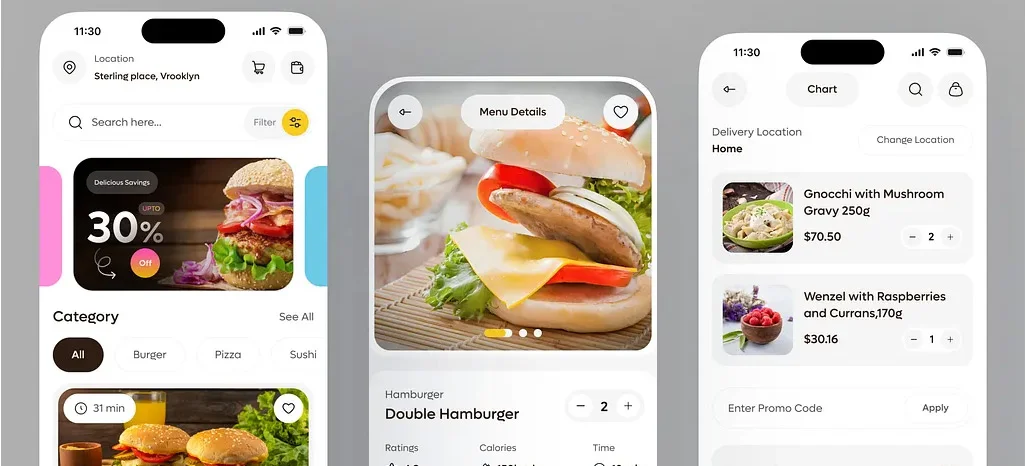
Beyond operational order routing, enterprise restaurant groups and consumer packaged goods brands depend on aggregator telemetry to guide menu engineering and regional expansion. Official partner endpoints excel at transactional execution, delivering 99.9% uptime for live kitchen tickets, yet they omit critical market context such as search ranking positions, sponsored listing placements, and neighborhood delivery radius shifts.
Hospitality analytics studies demonstrate that data-driven menu optimization increases average order value by 14% to 19% within two consecutive quarters. Leveraging a Food Delivery API for Restaurant Analytics enables operations leaders to correlate preparation times with customer rating fluctuations and stockout frequency across diverse metropolitan zones.
| Research Dimension | Official Partner Endpoints | Enterprise Data Extraction Pipelines |
|---|---|---|
| Data Scope | Single-brand transactional metrics | Multi-platform, cross-competitor coverage |
| Update Frequency | Real-time event webhooks | Scheduled hourly or daily snapshots |
| Search & Ad Rankings | Unavailable | Full visibility into organic & paid slots |
| Pricing & Promo Tracking | Own brand discounts only | Complete rival discounting & fee tracking |
| Engineering Maintenance | Moderate (versioned SDK updates) | Zero (managed proxy & schema parsing) |
- Digital Shelf Visibility: Daily rank tracking measures how sponsored ad spend impacts organic placement within key cuisine categories.
- Dynamic Fee Benchmarking: Hyper-local postal code sampling reveals how surge pricing and distance fees affect consumer checkout conversion.
- Assortment Gap Analysis: Cross-referencing rival catalogs uncovers high-demand menu items missing from regional kitchen offerings.
Securing reliable Uber Eats Restaurant Data API Access alongside multi-platform market feeds empowers analysts to map hyper-local demand trends across individual zip codes. Combining internal point-of-sale telemetry with external marketplace visibility creates a complete feedback loop for pricing strategy, dark kitchen site selection, and seasonal menu launches.
How Retail Scrape Can Help You?
Building and maintaining internal data pipelines across fragmented delivery platforms drains engineering resources and stalls strategic decision-making. We eliminate anti-bot roadblocks and schema breaks by delivering clean, structured marketplace intelligence through high-availability Food Delivery APIs tailored for enterprise scale.
We provide:
- Automated multi-platform extraction covering menus, modifiers, dynamic delivery fees, and hyper-local availability across major global aggregators.
- Real-time tracking of competitor promotional campaigns, combo pricing adjustments, and seasonal menu additions across specific postal codes.
- High-frequency monitoring of organic search rankings and sponsored restaurant placements to measure digital shelf visibility accurately.
- Clean JSON and CSV data delivery formatted for seamless ingestion into existing business intelligence dashboards and internal data warehouses.
- Enterprise-grade proxy rotation and automated parser maintenance ensure uninterrupted data streams despite frequent platform interface updates.
- Custom geo-targeted data collection allowing brands to benchmark regional pricing elasticity and identify underserved delivery zones.
Whether your analytics team needs a reliable Zomato Scraping API or global multi-aggregator coverage, our infrastructure scales effortlessly with your research demands.
Conclusion
Navigating the technical landscape of modern delivery aggregators requires balancing direct operational integration with comprehensive market visibility. While official partner endpoints streamline live kitchen workflows, enterprise growth depends on pairing internal POS connectivity with external Food Delivery APIs that reveal true competitive dynamics across neighborhoods.
Investing in structured marketplace intelligence transforms how hospitality brands price menus, evaluate new territories, and respond to shifting consumer demand. By adopting a robust Food Delivery API for Restaurant Analytics, your organization gains the clarity needed to outperform regional rivals. Contact Retail Scrape today to schedule a custom data demo and elevate your restaurant intelligence strategy.