What Makes the TikTok Shop Data Scraping Legal Guide 2026 Essential for Safe Business Intelligence?
Introduction
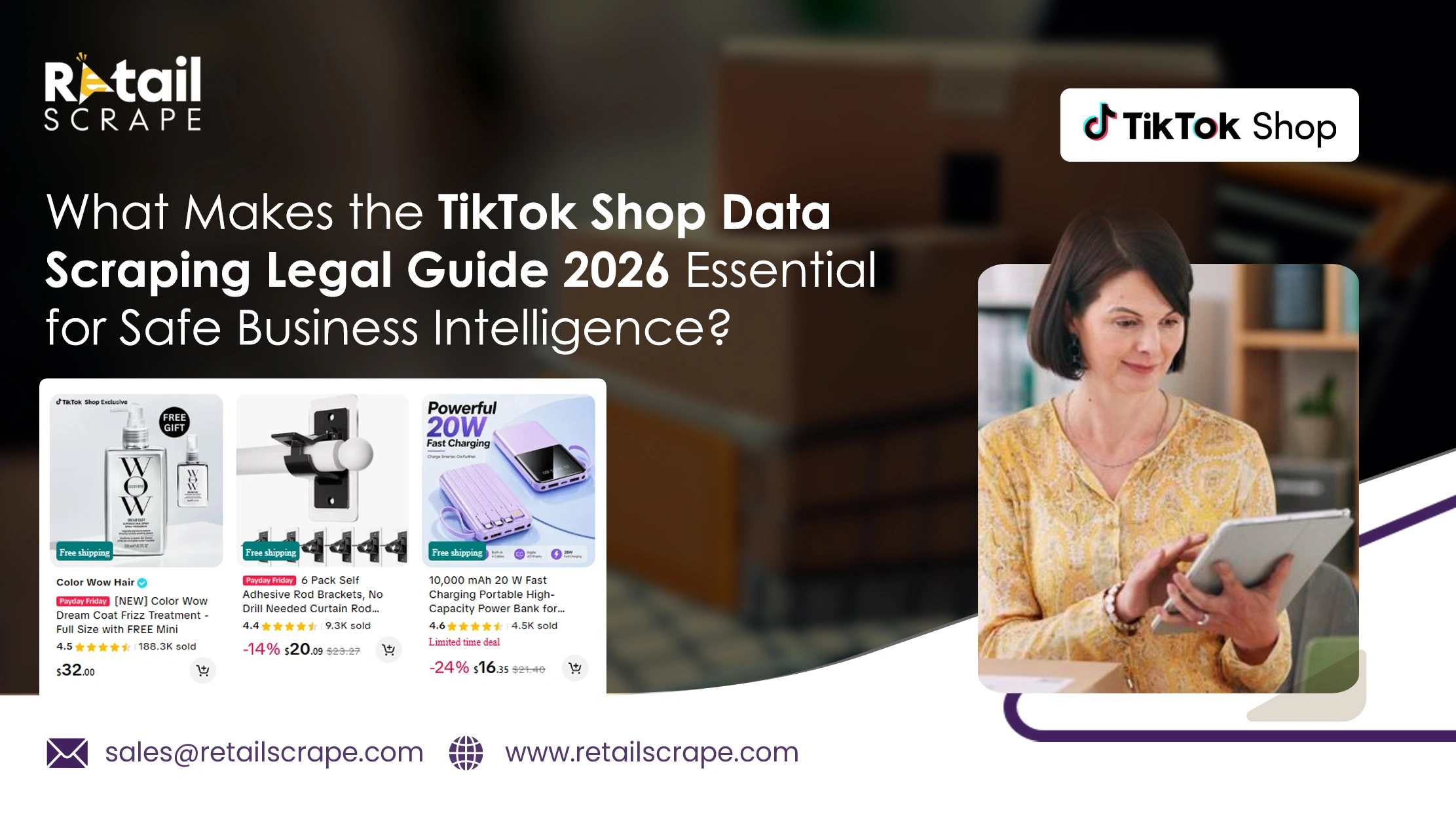
TikTok Shop has become an influential commerce channel where brands, retailers, sellers, and analysts can observe product visibility, promotional activity, pricing changes, creator-led demand, and marketplace trends. However, accessing marketplace information for commercial analysis requires careful attention to platform rules, privacy expectations, intellectual property rights, and applicable data regulations.
Businesses that collect information without clear governance may face operational disruptions, account restrictions, legal exposure, or unreliable datasets that weaken strategic decisions. The TikTok Shop Data Scraping Legal Guide 2026 helps organizations understand how responsible data collection can support retail intelligence while reducing compliance risks.
When teams define permissible sources, collection frequency, retention periods, and validation rules, they can build datasets that are more consistent and easier to audit. Best Practices for TikTok Shop Web Scraping include collecting only relevant public information, limiting unnecessary requests, documenting collection purposes, and avoiding activities that could disrupt the marketplace experience for sellers or consumers.
Establishing Responsible Boundaries Before Marketplace Research Begins
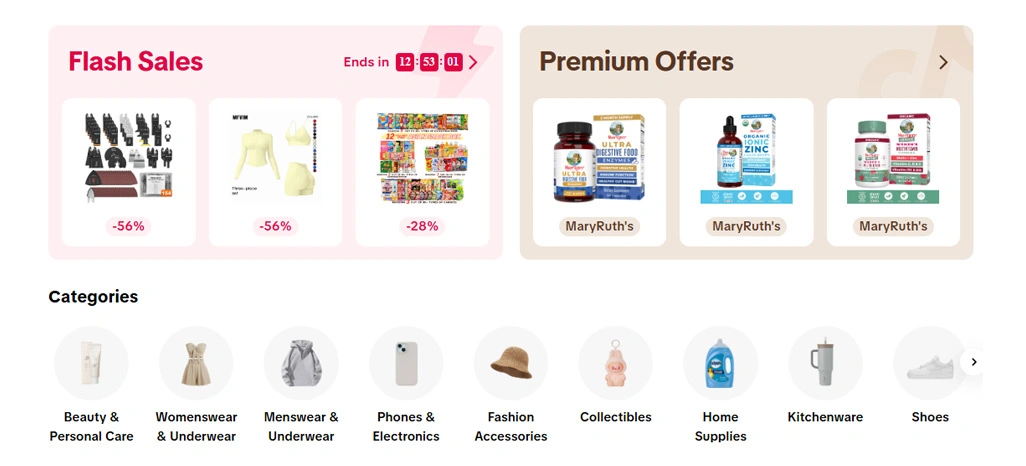
Businesses often begin marketplace research by tracking product listings, visible prices, seller names, discounts, and category movement. However, collecting this information without a clear policy can create compliance concerns and weaken the reliability of business intelligence. Before starting any project, teams should review marketplace rules, public access conditions, privacy expectations, intellectual property protections, and regional regulations.
This early assessment helps define which fields are relevant and which sources should remain outside the collection scope. Specialized Data Scraping Services can also help businesses create structured workflows that align marketplace research with internal governance requirements.
The question Is TikTok Shop Scraping Legal? should be assessed according to the information type, collection method, intended business use, and applicable platform conditions. Public product titles, category labels, listed prices, and visible ratings may support research, while personal information, private messages, login-restricted content, and protected records should remain excluded.
| Compliance Area | Key Business Question | Recommended Action |
|---|---|---|
| Platform terms | Does the marketplace allow the selected access method? | Review rules before collection begins |
| Public visibility | Is the information available without restricted access? | Focus on relevant public fields |
| Privacy | Could records identify an individual user? | Exclude personal or sensitive details |
| Data usage | What business purpose supports collection? | Maintain documented use cases |
| Retention | How long should collected records remain stored? | Apply deletion schedules |
A well-planned process can support TikTok Shop Web Scraping Compliance by establishing field restrictions, review checkpoints, and collection controls before data enters reporting systems. Teams should also document why each field is necessary for reporting or analysis.
Creating Controlled Workflows for Reliable Product Intelligence Collection
Once research boundaries are established, businesses need a dependable workflow for gathering product information without increasing legal, technical, or operational risk. Clear documentation also helps analysts explain when data was collected, how it was obtained, and why it supports a specific commercial objective.
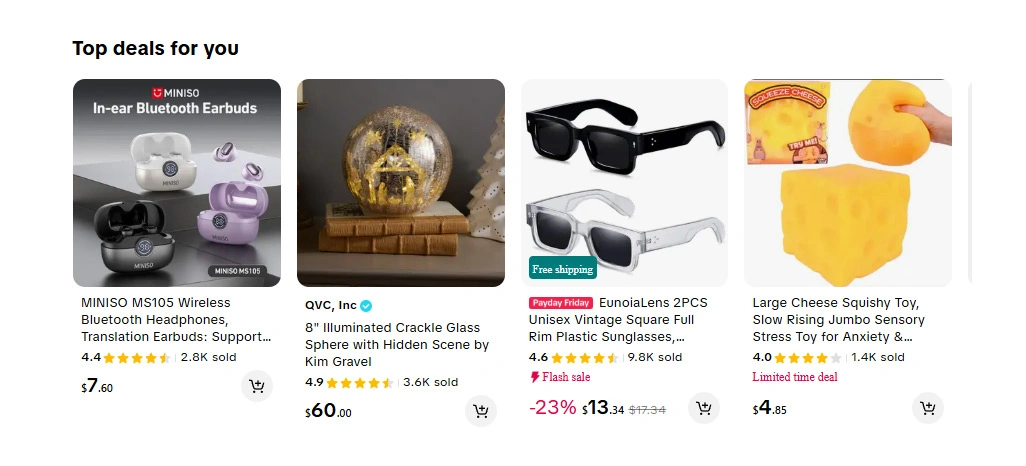
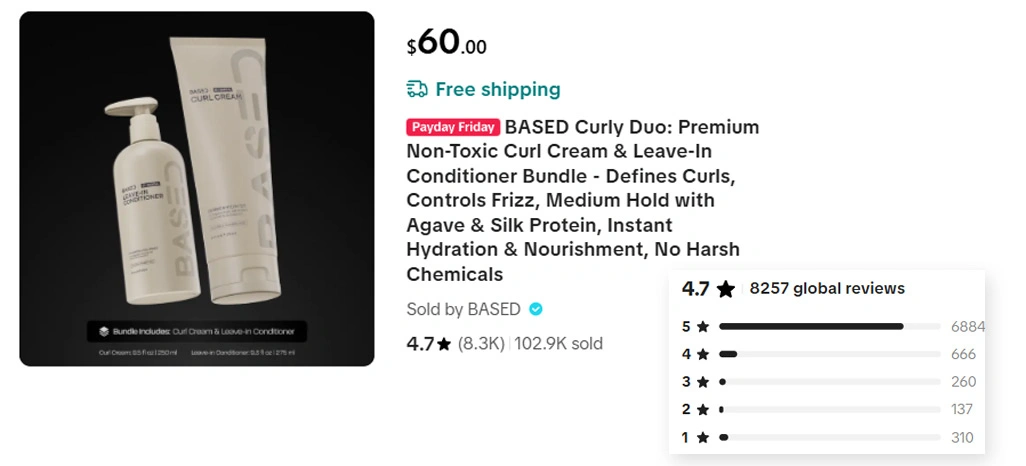
Limiting the scope helps reduce unnecessary collection while improving the relevance of the final dataset. Through Collecting Publicly Available TikTok Shop Product Data, retailers can assess category movement, visible offers, pricing shifts, and product assortment patterns.
Teams evaluating How to Scrape TikTok Shop Product Data Legally should define collection schedules, validate public sources, apply request limits, and maintain records of the information gathered. They should avoid accessing hidden endpoints, restricted accounts, private profiles, or information that requires bypassing technical controls.
| Workflow Stage | Primary Activity | Compliance Value |
|---|---|---|
| Scope definition | Identify required product and seller fields | Reduces unnecessary collection |
| Source review | Confirm public availability and access conditions | Supports responsible decisions |
| Collection setup | Apply rate limits and request controls | Minimizes system disruption |
| Data validation | Review accuracy and remove duplicates | Improves reporting quality |
| Governance review | Check retention and permitted use | Strengthens accountability |
When social signals are relevant to market analysis, approved methods to Scrape TikTok Social Media API Data can support more structured access while maintaining responsible collection practices.
Strengthening Ethical Standards Across Competitive Research Activities Today
Legal review alone cannot create a responsible marketplace intelligence program. Businesses must also consider how collection frequency, storage practices, reporting methods, and intended use may affect sellers, platform stability, and stakeholder trust. Legal, technical, and analytics teams should collaborate before expanding data collection into additional categories, markets, or reporting systems.
By applying Ethical Web Scraping From TikTok Shop Marketplace, organizations can prioritize aggregated insights rather than individual-level tracking. A properly configured TikTok Scraper should support filtering, validation, request throttling, and controlled delivery.
Strong Legal Considerations for TikTok Shop Data Collection should include privacy obligations, intellectual property protections, contractual conditions, and regional rules affecting automated access. Internal approvals can help ensure that new projects remain aligned with the original business purpose.
| Ethical Principle | Responsible Practice | Business Benefit |
|---|---|---|
| Data minimization | Collect only necessary fields | Reduces governance complexity |
| Transparency | Document sources and collection processes | Supports audit readiness |
| Fair access | Avoid restricted or bypassed access methods | Lowers operational risk |
| Seller respect | Prevent misuse of identifiable information | Builds responsible practices |
| System stability | Schedule limited collection requests | Prevents excessive load |
Meanwhile, TikTok Shop Competitor Monitoring With Data Scraping can help businesses evaluate visible market changes while maintaining accountable and sustainable research practices.
How Retail Scrape Can Help You?
Retail intelligence requires more than raw marketplace information. By applying the TikTok Shop Data Scraping Legal Guide 2026 within project planning, businesses can build safer processes for marketplace research and competitive intelligence.
Our approach includes:
- Collect structured product listing information from approved public sources
- Monitor price movements and promotional changes across relevant categories
- Track seller assortment patterns and visible availability indicators
- Deliver cleaned datasets in preferred business-ready formats
- Apply request controls to support stable collection processes
- Build scheduled reports for recurring market analysis needs
A well-organized TikTok Dataset can help teams compare product activity, identify category trends, evaluate visible offers, and support evidence-based planning across fast-moving commerce markets.
Conclusion
Responsible marketplace intelligence depends on clear rules, controlled workflows, and ongoing review of how collected information is used. Businesses that follow the TikTok Shop Data Scraping Legal Guide 2026 can reduce avoidable risks while building more reliable systems for product, pricing, and seller analysis.
A thoughtful approach to TikTok Shop Pricing Data Collection for Competitive Intelligence allows retailers to assess visible market changes without relying on unstructured or high-risk collection practices. Contact Retail Scrape today to build a compliant, scalable, and business-focused TikTok Shop data collection strategy.
Effortlessly managing intricacies with customized strategies.
Mitigating risks, navigating regulations, and cultivating trust.
Leveraging expertise from our internationally acclaimed team of developers
Reliable guidance and assistance for your business's advancement