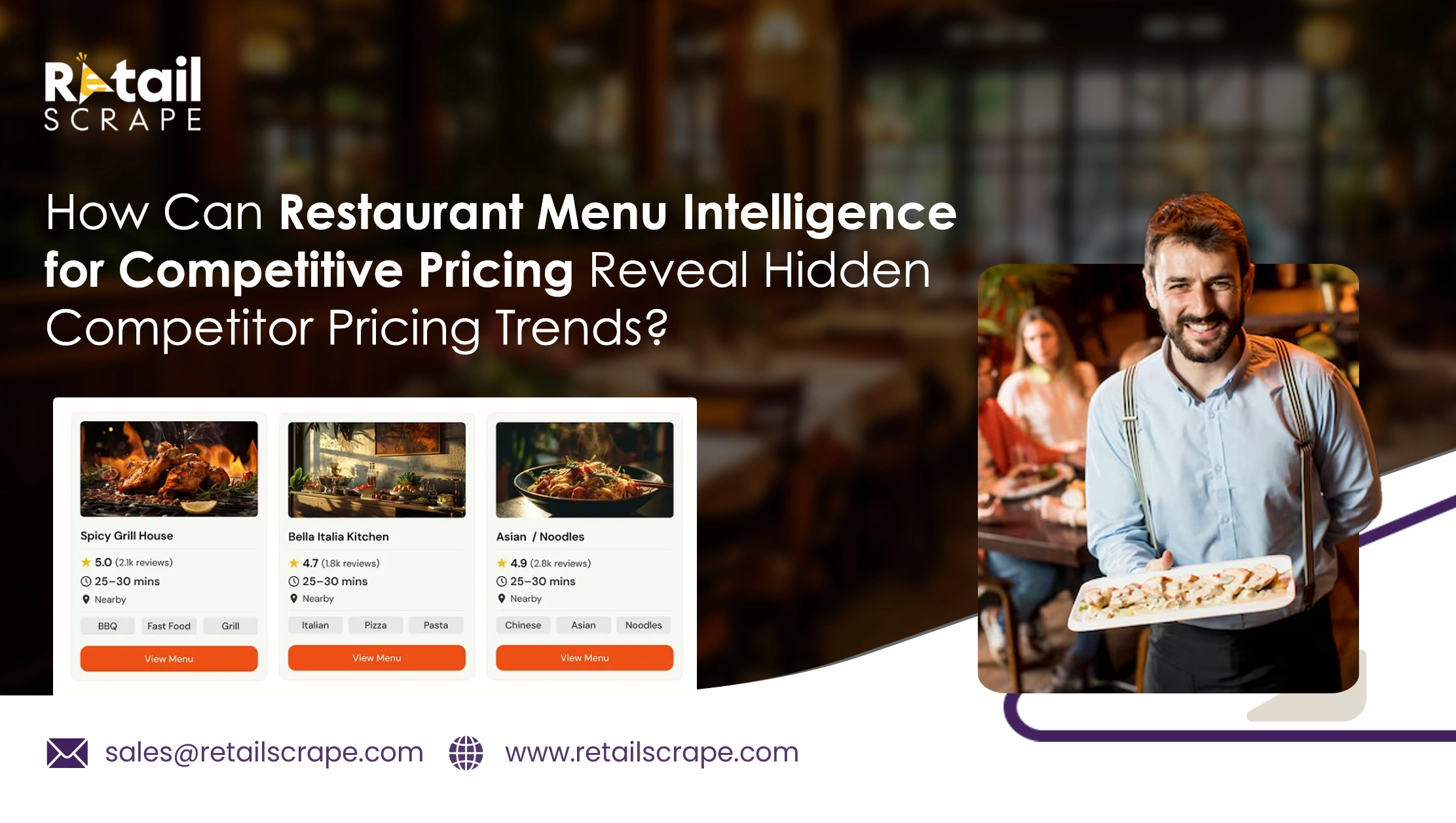
How Can Restaurant Menu Intelligence for Competitive Pricing Reveal Hidden Competitor Pricing Trends?
Introduction
Restaurant operators face constant pressure to keep menu prices attractive while protecting margins across dine-in, takeaway, and delivery channels. Ingredient costs, platform commissions, local demand, promotions, and competitor activity can change quickly, making manual menu comparison difficult to maintain.
A structured intelligence approach helps teams identify where nearby brands are raising prices, introducing bundles, adjusting portion sizes, or using delivery-only offers to influence customer decisions. Web Scraping Restaurant Menu Data gives restaurant brands a reliable way to collect menu names, item categories, prices, discounts, availability, ratings, delivery fees, and promotional details from relevant public sources.
Even small price differences may influence order frequency, basket value, and brand preference. With Restaurant Menu Intelligence for Competitive Pricing, businesses can connect competitor menu changes with internal sales performance and make more informed decisions about pricing, promotions, and assortment planning. It is to understand why prices differ, which menu combinations create value perception, and where a restaurant can improve positioning without reducing profitability.
Building Clear Visibility Across Changing Local Menu Markets
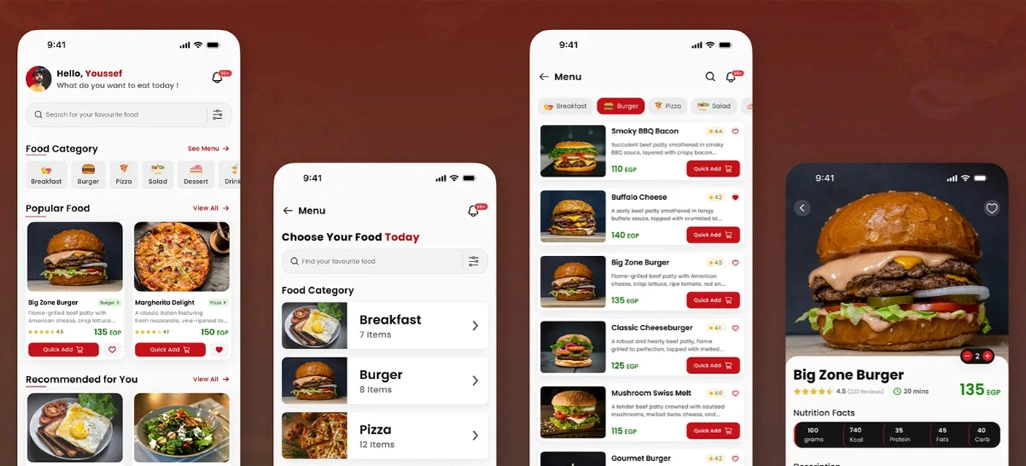
Restaurant brands often struggle to identify competitor menu changes before those updates influence customer orders. A consistent monitoring workflow helps teams compare competitor activity across cuisines, locations, meal periods, and customer segments without relying on irregular manual checks.
Within this process, a Restaurant Pricing Intelligence Platform can organize collected information by menu category, item type, outlet, delivery channel, and price range. Teams can assess similar dishes, including burgers, pizza, beverages, desserts, rice bowls, and family meals, to understand how competitors position entry-level and premium offerings.
| Competitive Signal | What It Reveals | Recommended Action |
|---|---|---|
| Lower entry-level rates | Competitor targets price-sensitive buyers | Review starter menu positioning |
| Newly introduced bundles | Competitor improves value perception | Develop relevant meal combinations |
| Repeated item-level discounts | Promotion supports order conversion | Assess discount frequency carefully |
| Premium menu additions | Competitor targets higher-spending customers | Evaluate premium category opportunities |
Regular comparisons can also reveal whether pricing changes are temporary campaign actions or part of a longer market strategy. Using Restaurant Competitor Pricing Analysis in the middle of planning discussions enables teams to compare rate changes with offers, item availability, and category expansion.
This makes it easier to identify whether a competitor is targeting value-focused customers, promoting higher-margin combinations, or expanding into underserved categories. This supports more measured decisions around menu architecture, local price adjustments, and value-focused promotions while protecting operational margins.
Strengthening Promotional Planning Through Timely Competitive Price Signals
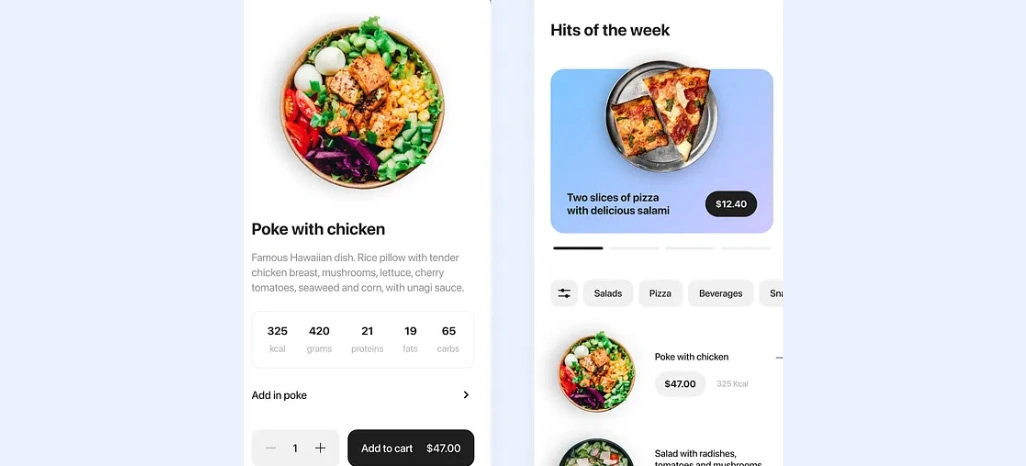
Restaurant promotions can improve visibility, but unplanned discounting may reduce margins without generating long-term customer value. Teams need to understand whether competitors use offers to attract new users, increase average order value, improve platform ranking, or maintain demand during slower periods.
When teams use Scrape Restaurant Menu Price Monitoring during regular competitor reviews, they can track item prices, promotional codes, combo offers, delivery charges, packaging fees, and minimum order requirements.
| Promotion Type | Competitor Objective | Business Response |
|---|---|---|
| Percentage-based offer | Improve immediate order conversion | Compare discount depth by category |
| Value meal combination | Increase basket size | Test relevant bundled options |
| Free delivery campaign | Reduce checkout hesitation | Review delivery threshold structure |
| Limited-period deal | Create urgency among customers | Plan seasonal menu promotions |
In highly competitive delivery markets, customers frequently compare multiple restaurants before placing an order. However, lower pricing is not always the primary reason a competitor performs well. Better menu presentation, clearer bundle value, wider availability, or targeted offers may influence customer selection more strongly.
Applying Scrape Restaurant Competitor Analysis during campaign planning helps teams connect price movements with promotional structures and menu availability. This creates a disciplined approach to discount decisions, reducing unnecessary price cuts while supporting offers that align with customer expectations, market activity, and business profitability.
Linking Category Movements With Evolving Customer Demand Patterns
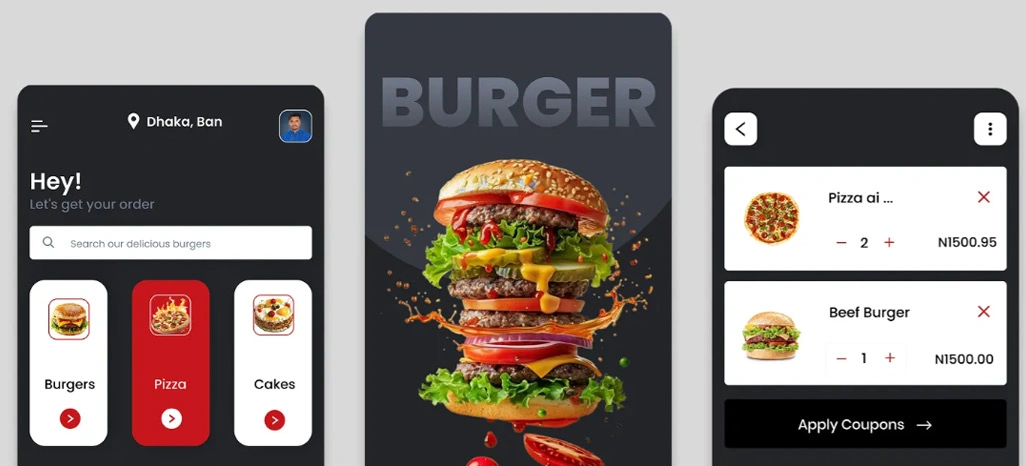
Competitive menu planning becomes more effective when businesses understand how pricing, demand, and customer preferences interact across local markets. A lower-priced item may generate attention, yet customers can select another restaurant based on portion size, menu variety, dietary choices, ratings, convenience, or delivery availability.
By using Food Delivery Data Intelligence within ongoing category reviews, restaurant teams can combine menu rates with product availability, cuisine trends, ratings, review themes, and delivery platform activity. This makes it easier to identify growing demand for healthy meals, family packs, late-night snacks, premium desserts, or budget-friendly combinations.
| Data Point | Business Insight | Planning Outcome |
|---|---|---|
| Category price range | Shows prevailing market boundaries | Improve category-level positioning |
| Item availability | Indicates demand and stock patterns | Refine menu availability planning |
| Ratings and reviews | Highlights service or product concerns | Improve menu and service quality |
| Bundle activity | Reflects customer value preferences | Develop targeted meal combinations |
A structured Restaurant Market Research Dataset can support long-term comparisons by connecting historical menu changes with current category activity. It helps teams identify gradual competitor price increases, reduced portions, premium menu additions, or shifts toward delivery-first offerings.
Using Scrape Restaurant Competitor Monitoring in regional planning discussions also enables multi-location brands to compare local market behavior across cities. This supports location-specific pricing and menu decisions, helping businesses balance customer expectations, operational costs, and competitive positioning more effectively.
How Retail Scrape Can Help You?
Reliable market visibility requires more than occasional competitor checks. Through Restaurant Menu Intelligence for Competitive Pricing, teams can monitor relevant competitors, compare item-level rates, assess promotional activity, and identify emerging category trends across selected markets.
Our approach includes:
- Track menu items, categories, and changing prices across competitors.
- Compare promotions, bundles, delivery fees, and checkout offers.
- Monitor location-specific menu availability and product changes.
- Receive structured datasets in preferred delivery formats.
- Build dashboards for category, outlet, and market comparisons.
- Support pricing teams with scheduled and scalable data updates.
Our solutions are designed to support restaurants, delivery platforms, consultants, and food brands that need dependable competitive intelligence. Customer Sentiment Analysis can further help teams understand how menu quality, pricing, and service perceptions affect competitor positioning.
Conclusion
Menu decisions become more effective when they are based on consistent competitor evidence rather than isolated observations. Restaurant Menu Intelligence for Competitive Pricing helps businesses recognize price movements, promotional tactics, and category-level changes that may otherwise remain hidden.
With Restaurant Data Intelligence Services, teams can build clearer pricing strategies that reflect both market conditions and customer expectations. Better menu planning requires timely, structured, and location-specific information. Restaurant Data Scraping Services in USA & UAE can support brands that need ongoing visibility into competitor menus, offers, and market shifts.
Contact Retail Scrape today to build a customized restaurant intelligence workflow that supports stronger pricing decisions and sustainable growth.
Effortlessly managing intricacies with customized strategies.
Mitigating risks, navigating regulations, and cultivating trust.
Leveraging expertise from our internationally acclaimed team of developers
Reliable guidance and assistance for your business's advancement