
Why Is Flight Price Tracker for Airline Fare Trends Essential for Smarter Airline Booking Decisions?

Introduction
Airline fares can change several times a day due to seat availability, route demand, seasonal travel, competitor activity, booking windows, fuel costs, and promotional offers. A Flight Price Tracker for Airline Fare Trends helps monitor these movements across selected routes, making it easier to identify whether prices are increasing, decreasing, or staying stable.
Modern airfare research requires more than checking one airline website manually. This is where Monitor Airline Ticket Price Fluctuations With Web Scraping APIs becomes valuable for organizations that need timely, consistent, and actionable airfare intelligence.
A reliable tracker can collect pricing details from airline websites, OTAs, metasearch platforms, and booking engines. It can organize information by origin, destination, departure date, airline, stop count, baggage rules, refundability, and ticket class. The following sections explain the major airfare pricing challenges, practical solutions, and the role of structured data collection in improving airline booking decisions.
Tracking Rapid Changes Across Popular Travel Routes
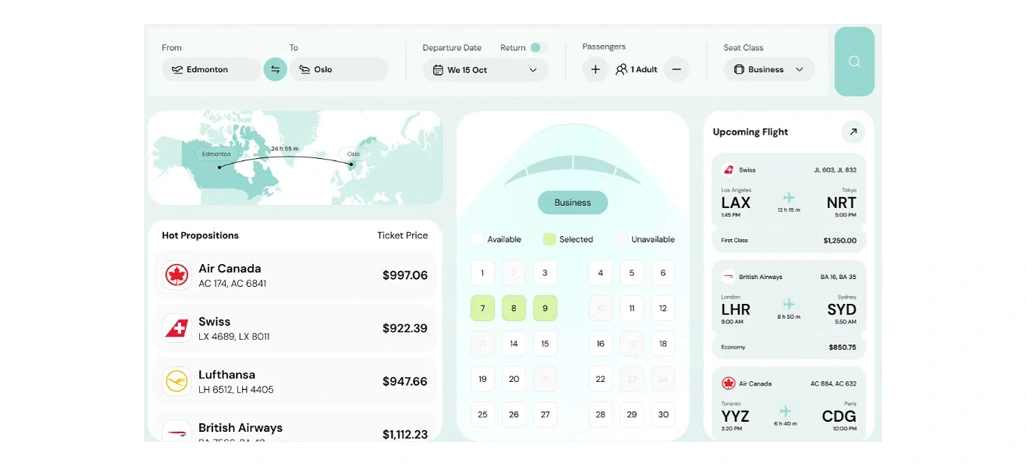
Airfare can change repeatedly throughout the day as airlines respond to seat availability, route demand, seasonal travel, competitor promotions, fuel costs, and booking activity. A fare shown during the morning may rise later when lower inventory categories sell out, creating uncertainty for travelers, agencies, and online booking platforms.
Instead of reviewing individual booking pages, teams can organize fare records by airline, route, departure date, availability, and booking window. In the middle of this process, Airline Price Monitoring for Dynamic Pricing Strategies helps identify whether a price movement is limited to one carrier or reflects broader market activity.
| Monitoring Area | Common Booking Challenge | Data-Based Solution |
|---|---|---|
| Route pricing | Fares vary among carriers | Compare airline-level fare records |
| Departure dates | Nearby dates offer different prices | Track flexible travel dates |
| Cabin classes | Premium tickets change separately | Review class-level fare movement |
| Inventory shifts | Lower fare buckets sell quickly | Identify early price increases |
| Competitor activity | Promotions affect route demand | Analyze market-wide changes |
On busy domestic and international routes, manual checks often fail to capture timely changes, particularly when teams compare several departure dates, cabin classes, and airline options.
Modern booking platforms often load prices after page interactions, rather than displaying them in static source code. Therefore, Scraping JavaScript Rendered Flight Data supports the collection of dynamically displayed fare details from browser-based interfaces.
Evaluating Complete Airline Offers Before Fare Expiry
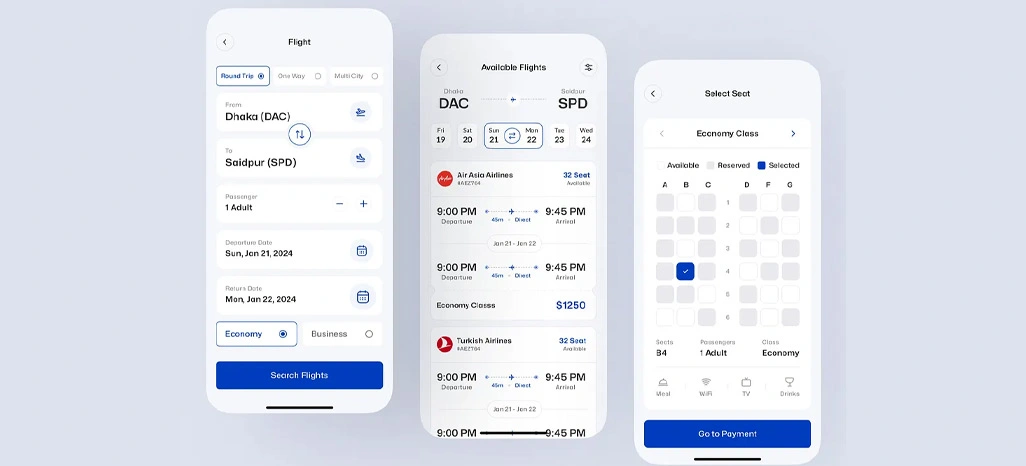
Comparing flights only by the displayed ticket amount can result in poor booking decisions. Baggage allowance, layover duration, cancellation rules, airport changes, seat selection, loyalty benefits, and fare flexibility can significantly alter the final value of an itinerary.
Airlines frequently modify fares according to remaining inventory, demand forecasts, route competition, booking behavior, and travel seasonality. In the middle of fare comparison activities, Dynamic Airline Pricing explains why a ticket available at one price may disappear within hours while another carrier introduces a promotional alternative.
| Comparison Factor | Why It Matters | Booking Impact |
|---|---|---|
| Base fare | Shows the initial ticket cost | Supports price evaluation |
| Baggage rules | Extra luggage may increase spend | Prevents unexpected charges |
| Stop duration | Longer connections reduce convenience | Improves itinerary selection |
| Refund policy | Flexible tickets lower travel risk | Supports business planning |
| Fare availability | Lower fare levels sell quickly | Encourages timely booking |
For continuous route-level comparisons, a Real Time Flight Fare Monitoring API can supply updated records for selected airlines, travel dates, cabin categories, and destinations. Businesses can further review carrier positioning through Airline Competitor Fare Benchmarking Tools, especially when similar airlines operate on the same route.
When agencies or travel platforms manage several origin-destination combinations, a Multi Route Travel Price Tracker API can consolidate pricing data into one monitoring workflow. This approach reduces repeated manual searches and supports recommendations that consider both fare value and service conditions.
Applying Past Fare Patterns for Booking Timing
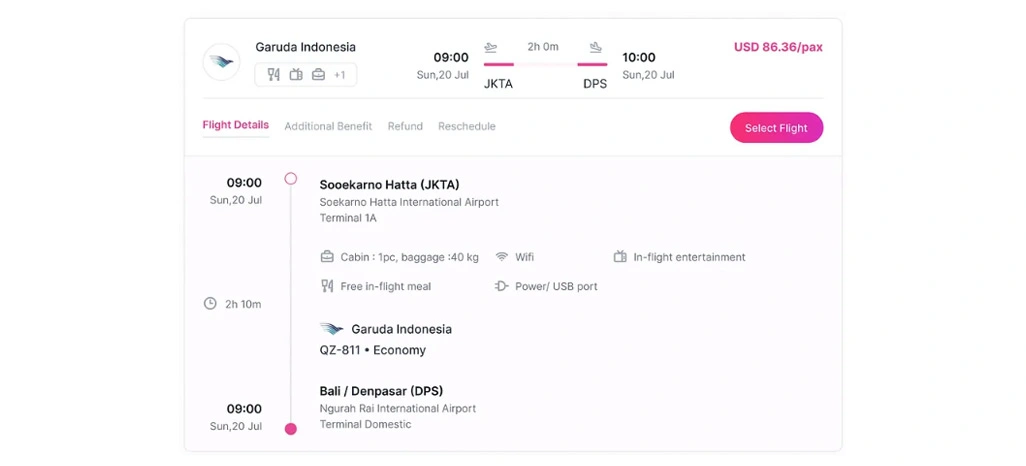
Current ticket prices provide useful information, but historical fare records make booking analysis more reliable. Previous price behavior can reveal recurring patterns linked to holidays, weekends, school breaks, major events, weather disruptions, and seasonal demand.
Travel companies can compare current fares with average historical prices to determine whether a ticket is relatively high, low, or within the normal range for a selected route. In the middle of a structured collection process, How to Build a Flight Price Tracker Using Web Scraping involves defining fields such as airline name, route, travel date, cabin class, fare type, stop count, baggage policy, and booking timestamp.
| Historical Data Point | Practical Use | Decision Benefit |
|---|---|---|
| Lowest recorded fare | Identifies favorable price levels | Supports timely booking |
| Average route price | Shows normal fare range | Detects costly offers |
| Seasonal trend | Highlights high-demand periods | Improves travel planning |
| Airline fare history | Compares carrier behavior | Supports airline selection |
| Booking-window movement | Tracks changes before departure | Improves timing decisions |
Organizations can store structured records through Historical Airline Price Datasets Json for dashboards, analytics platforms, and internal reporting systems. For spreadsheet-based research, Download Historical Airfare Data CSV enables route audits, pricing reviews, and campaign analysis.
A broader data workflow may include Global Distribution System Gds API Integration to combine fare availability with established travel distribution channels. Meanwhile, Automated Airline Ticket Pricing Feeds provide scheduled updates that reduce repetitive searches and help teams turn historical observations into practical booking guidance.
How Retail Scrape Can Help You?
Airline fare monitoring requires accurate, structured, and regularly updated information from multiple travel sources. In the middle of this process, Flight Price Tracker for Airline Fare Trends can provide visibility into changing ticket prices, airline availability, and route-specific booking opportunities.
Our tailored data extraction solutions collect fare details from airline websites, booking engines, travel aggregators, and metasearch platforms, supporting accurate Airline Pricing Intelligence for informed market decisions.
- Track fares across selected domestic and international routes.
- Compare airline prices by cabin class and travel date.
- Capture availability changes and booking restrictions.
- Receive scheduled updates based on your preferred frequency.
- Build route-specific reports for travel planning teams.
- Integrate structured fare records into internal systems.
For websites with advanced anti-bot protections, our approach can address requirements related to Bypassing Datadome Flight Price Scraper workflows through compliant, customized data collection methods.
Conclusion
Better airline booking decisions depend on more than viewing a single fare at one point in time. By using a Flight Price Tracker for Airline Fare Trends, travelers and businesses can compare route prices, identify fare movement, evaluate airline options, and recognize favorable booking periods.
Historical records, current availability, and structured route comparisons together create a clearer view of the airfare market. Contact Retail Scrape today to build a customized airfare monitoring solution for your travel data requirements.
Effortlessly managing intricacies with customized strategies.
Mitigating risks, navigating regulations, and cultivating trust.
Leveraging expertise from our internationally acclaimed team of developers
Reliable guidance and assistance for your business's advancement