Why Is Ecommerce Data Scraping Growing as a 2026 Strategy for Better Retail Data and Risk Control?
Introduction
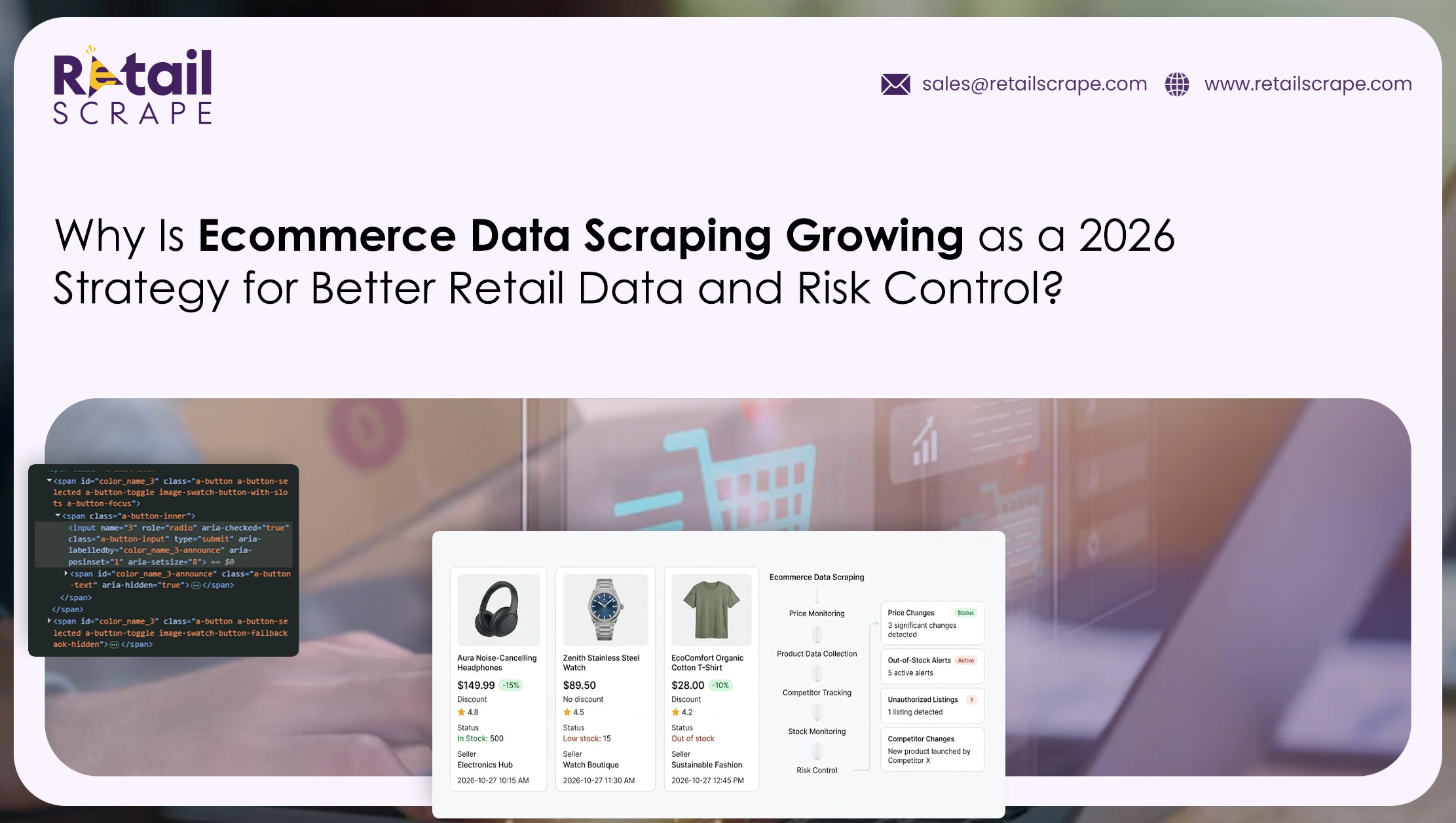
Retail businesses are dealing with rapidly changing prices, product catalogs, promotions, inventory signals, and competitor activity. Ecommerce Data Scraping provides a structured way to collect these details from multiple online sources. As digital marketplaces expand, businesses increasingly need reliable datasets for pricing analysis, assortment research, and operational decision-making.
Modern E-Commerce Scraper Services can support large-scale collection while helping teams organize product information into usable datasets. Businesses can monitor competitor movements, compare product availability, and identify changing market patterns without depending entirely on manual research. The growing focus on data quality also makes responsible collection practices increasingly important.
In 2026, retailers are placing greater attention on accuracy, scalability, and controlled data collection. Automated workflows can reduce repetitive research while creating consistent records for analysis. At the same time, organizations need suitable safeguards around access, storage, website policies, and compliance to keep data operations structured and sustainable.
Strategic Retail Intelligence Through Scalable Data Collection Frameworks
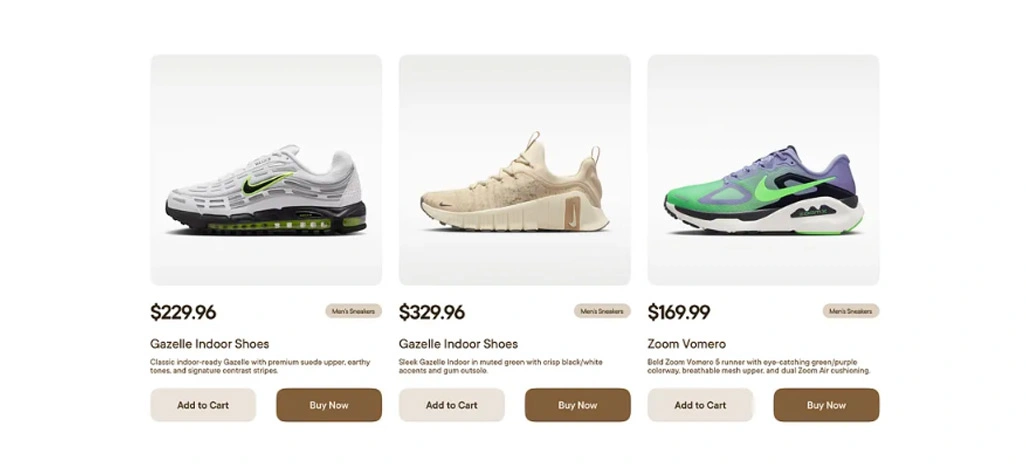
Retail businesses increasingly depend on structured information to understand changing products, competitors, prices, and marketplace activity. Automated collection can bring scattered ecommerce information into organized datasets, making it easier to compare product attributes and identify changes across multiple sources. This approach also reduces repetitive manual research and creates a consistent foundation for ongoing retail analysis.
A structured Ecommerce Web Scraping workflow can collect product titles, categories, prices, ratings, availability, seller information, and promotional details according to defined requirements. Businesses can then organize these records into standardized formats for dashboards, research systems, or internal analytics. Consistent extraction schedules can also help teams maintain fresher datasets as online catalogs continue changing.
Responsible collection requires more than simply extracting information at scale. Teams need to consider source accessibility, request frequency, storage practices, data validation, and applicable website requirements. A practical Ecommerce Scraping Compliance Guide can help organizations establish clear procedures around collection activities, access controls, documentation, and responsible dataset management before deploying larger workflows.
Key considerations for building a reliable collection framework include:
- Defining required data fields before extraction
- Establishing suitable collection schedules
- Validating records after each extraction cycle
- Monitoring missing or inconsistent values
- Maintaining organized historical datasets
| Data Category | Collection Focus | Business Application |
|---|---|---|
| Product Information | Attributes and classifications | Catalog analysis |
| Pricing | Listed and promotional values | Market comparison |
| Availability | Stock indicators | Inventory research |
| Seller Details | Marketplace information | Competitive analysis |
A well-designed workflow can therefore combine scale, consistency, validation, and responsible operational practices without creating unnecessary complexity.
Advanced Pricing Signals Shaping Modern Retail Monitoring Strategies
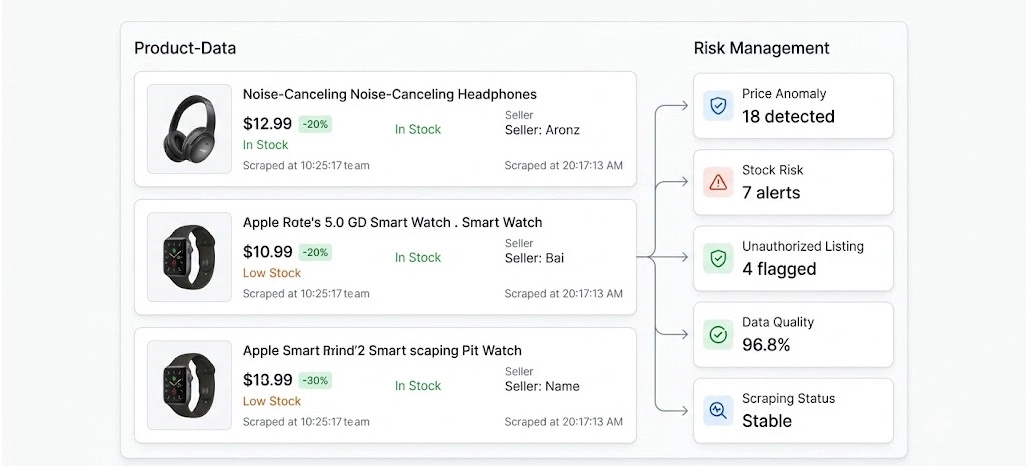
Pricing information changes frequently across online marketplaces because of promotions, competitor movements, demand patterns, and inventory conditions. Businesses that monitor these changes can build historical datasets for comparing market behavior over time. Ecommerce Data Scraping for Price Monitoring helps businesses collect pricing information at defined intervals and organize historical records for comparison.
Using Ecommerce Price Data Scraping within a defined monitoring workflow can help organize current and historical price observations into usable records. Instead of relying on isolated manual checks, businesses can schedule recurring collections and compare newly captured values against previous datasets. This supports structured benchmarking and helps analysts identify significant changes that require further review.
Pricing workflows also require attention to operational controls. Ecommerce Web Scraping Risk Management can help teams consider request frequency, source restrictions, system security, dataset handling, and monitoring procedures when building automated collection processes. Establishing these controls early can reduce operational inconsistencies while supporting a more predictable data pipeline.
Businesses can strengthen pricing analysis by combining automated collection with clear validation and review practices. Important monitoring activities include:
- Recording historical price observations
- Comparing promotional and standard prices
- Identifying unusual pricing movements
- Checking incomplete or inconsistent records
- Maintaining consistent product identifiers
| Pricing Area | Monitoring Objective | Analytical Use |
|---|---|---|
| Current Prices | Track present values | Benchmarking |
| Discounts | Review promotional changes | Offer analysis |
| Historical Values | Compare previous records | Trend analysis |
| Competitor Prices | Examine market differences | Competitive research |
Together, these practices create a structured foundation for analyzing retail pricing patterns while keeping data workflows controlled and repeatable.
Comprehensive Product Intelligence Supporting Ecommerce Data Strategy
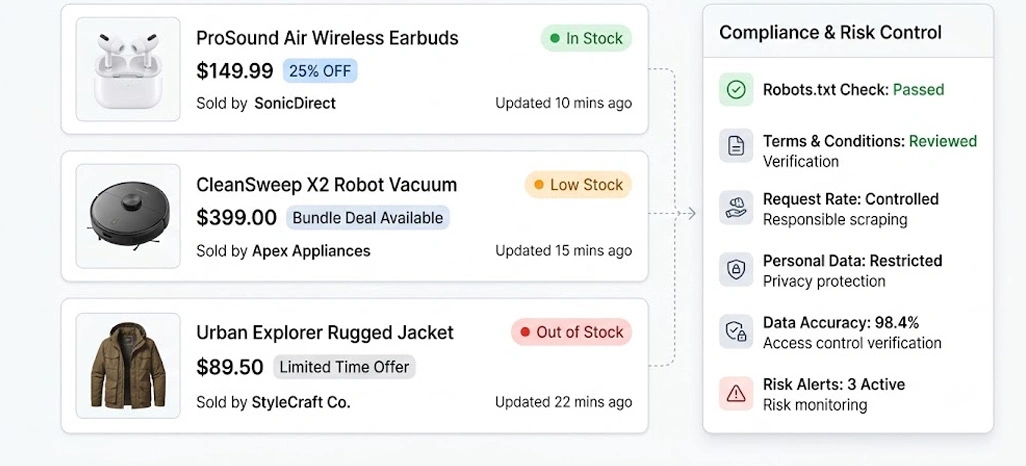
Product catalogs contain considerably more information than basic names and prices. Retailers may need specifications, categories, ratings, reviews, availability, seller information, and product variations to understand marketplace composition. Bringing these attributes together allows analysts to study assortment changes and maintain structured records across frequently changing online catalogs.
When businesses use Ecommerce Product Data Scraping, they can organize multiple product attributes into standardized datasets for research and analysis. Consistent field structures make it easier to compare products across sellers and marketplaces. Historical records can also help teams identify newly listed products, discontinued items, changing specifications, and shifts in category composition.
Large-scale product collection should be supported by clear controls because datasets may contain inconsistencies, duplicates, missing attributes, or outdated information. Ecommerce Data Scraping Compliance and Risks should therefore be considered alongside extraction speed and dataset volume. Teams can establish validation checks, source documentation, access controls, and review procedures before expanding collection operations.
A dependable product intelligence workflow can include several practical activities:
- Standardizing product attributes across sources
- Identifying duplicate product records
- Checking missing product information
- Tracking catalog additions and removals
- Maintaining historical product datasets
| Product Area | Information Focus | Business Application |
|---|---|---|
| Specifications | Product characteristics | Catalog comparison |
| Categories | Product classification | Assortment research |
| Ratings | Customer evaluations | Product analysis |
| Availability | Stock indicators | Inventory monitoring |
Organizations can also refer to How to Scrape Ecommerce Product Data when defining technical requirements, field structures, validation methods, and collection workflows for broader product intelligence initiatives. Selecting suitable infrastructure and Best Ecommerce Data Scraping Tools 2026 can further support scalability when data volumes and monitoring requirements increase.
How Retail Scrape Can Help You?
Retail businesses require organized datasets that can be refreshed according to changing market conditions. We can support Ecommerce Data Scraping workflows by collecting structured product, pricing, catalog, and competitor information from relevant online sources. Automated processes can reduce repetitive collection activities while helping teams maintain consistent datasets for analysis and reporting.
Key capabilities can include:
- Automated product information collection
- Structured pricing and catalog datasets
- Scheduled data extraction workflows
- Competitor information monitoring
- Data validation and organization
- Scalable collection for large datasets
These capabilities can help businesses create repeatable data pipelines instead of relying on fragmented manual research. Appropriate validation can further improve consistency by identifying missing fields, duplicate records, or unexpected values before datasets reach analytical systems.
For organizations focused on responsible operations, Retail Data Scraping can also be designed around defined collection requirements, source restrictions, access controls, and applicable compliance considerations.
Conclusion
As ecommerce marketplaces continue expanding, businesses require timely and structured information to evaluate pricing, products, competitors, and market changes. Ecommerce Data Scraping can support these requirements through automated collection, structured datasets, scheduled workflows, and repeatable monitoring processes while keeping accuracy and responsible data handling in focus.
A well-planned strategy should also consider Ecommerce Data Scraping Compliance and Risks alongside technical scalability and data quality. Clear collection policies, validation procedures, access controls, and responsible storage practices can create a more controlled workflow. Contact Retail Scrape today to build a structured ecommerce data solution tailored to your retail analytics and monitoring requirements.