


How Can Real Estate Data Scraping Simplify Rental and Apartment Listing Collection Across Major Sites?
Introduction
Finding accurate housing numbers across dozens of digital portals takes manual hours that most property firms cannot spare. Automated Real Estate Data Scraping changes this dynamic by turning scattered web pages into clean, structured spreadsheets. Brokers, investors, and researchers now gather millions of property records daily without copying a single line of text by hand.
Major listing platforms update their rental rates, vacancy statuses, and floor plans every few minutes. Relying on outdated reports causes investors to miss profitable acquisitions or misprice their own apartment units. Automated collection ensures your internal databases reflect live market shifts across every neighborhood, zip code, and metropolitan area you track.
When teams adopt Rental Listing Data Scraping, they eliminate human data-entry errors while cutting research expenses by up to 70 percent. Instead of hiring large teams to browse portals manually, property analysts focus directly on evaluating cap rates, comparing neighborhood yields, and spotting emerging rental demand before competitors react.
Streamlining Residential Pricing Insights Across Major Housing Portals
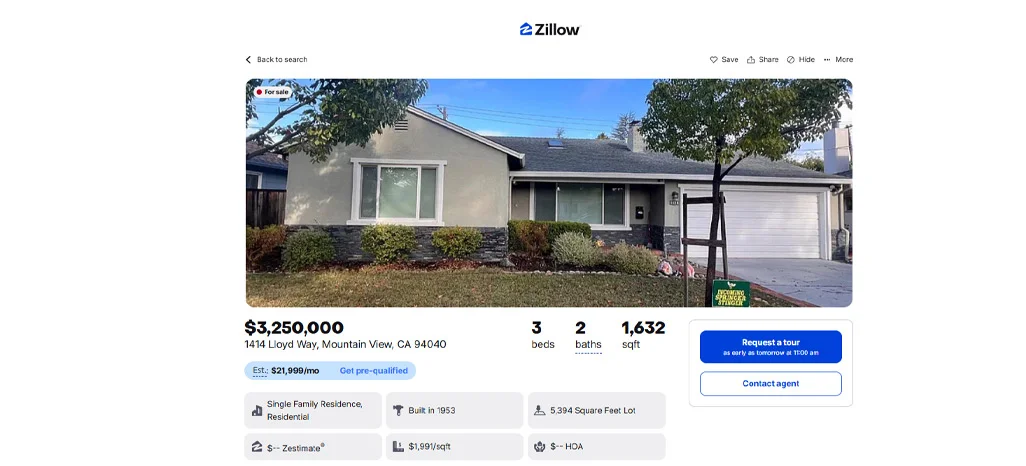
Zillow attracts over 200 million monthly unique visitors and holds data on more than 135 million U.S. homes, making it a primary benchmark for residential pricing. Understanding How to Scrape Rental Listings From Zillow allows property managers to monitor daily rent fluctuations, lease terms, and pet policies across competing apartment complexes. Manual tracking fails at this scale because thousands of listings change status every hour.
By deploying targeted Zillow Data Scraping workflows, analysts capture historical price drops alongside current asking rents across diverse metropolitan regions. This granular visibility reveals whether landlords in a specific submarket are offering move-in concessions or raising base rates. Automated scripts run continuously in the background, ensuring that your pricing models reflect real-time shifts rather than stale monthly summaries.
Furthermore, structured Property Listing Data Collection combines property square footage, bedroom counts, and amenity tags into unified datasets ready for immediate financial modeling. Teams can immediately feed these clean CSV or JSON files into internal analytics dashboards to optimize occupancy rates across large multi-family portfolios.
- Automated Rate Tracking: Monitor daily rent changes across competing multi-family buildings in target zip codes.
- Concession Detection: Identify move-in specials, waived deposits, and free-month offers as soon as landlords publish them.
- Historical Benchmarking: Compare current asking rents against multi-year price histories to evaluate seasonal demand cycles.
| Portal Field | Business Application | Update Frequency |
|---|---|---|
| Monthly Asking Rent | Benchmark unit pricing against local competitors | Hourly |
| Days on Market (DOM) | Measure neighborhood demand and vacancy velocity | Daily |
| Unit Amenities & Pet Rules | Adjust property features to match tenant preferences | Weekly |
| Price History & Concessions | Identify softening markets and landlord discounting trends | Daily |
According to industry benchmarks, automated extraction processes 50,000 residential pages in under 30 minutes with 99.4 percent field accuracy, giving asset managers an undeniable operational advantage.
Capturing Granular Neighborhood Metrics From Consumer Housing Platforms
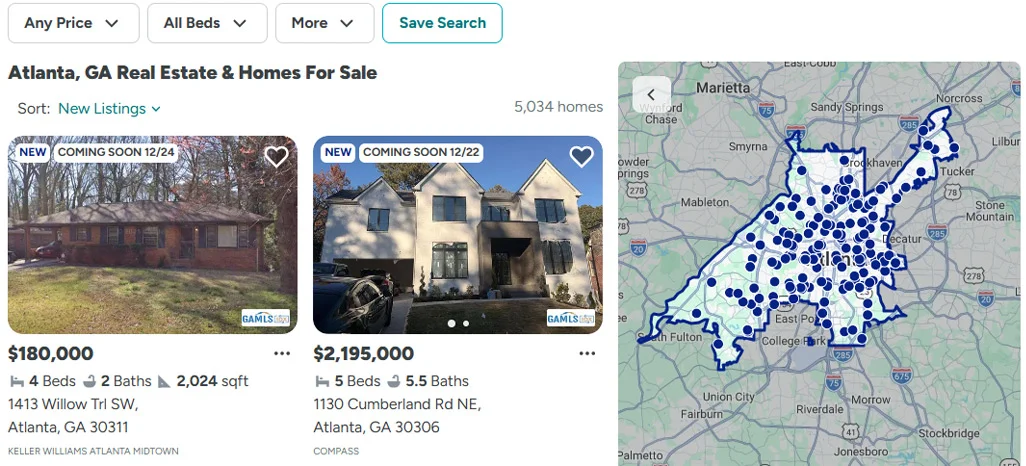
Trulia offers distinct hyper-local context, including neighborhood crime maps, school ratings, and walkability scores alongside standard apartment details. Organizations looking to Scrape Apartment Data From Trulia And integrate local lifestyle metrics gain a clearer picture of why certain complexes command higher rents. Relying solely on base rent figures overlooks the environmental factors driving tenant decisions.
Integrating a dedicated Trulia Scrape API bypasses complex anti-bot defenses and dynamic JavaScript rendering that frequently block basic web crawlers. This technical stability ensures uninterrupted access to updated unit availability, lease durations, and deposit requirements without manual intervention or broken scripts.
Through reliable Apartment Listing Data Extraction, housing platforms pull high-resolution property photos, floor plan layouts, and verified landlord contact details at scale. Studies show that enrichment with neighborhood context improves yield forecasting accuracy by 22 percent compared to raw price figures alone, enabling REITs to evaluate acquisition targets rapidly.
- Lifestyle Score Integration: Pair walkability, transit, and school ratings directly with unit-level pricing records.
- Floor Plan Verification: Capture exact square footage, bathroom counts, and layout dimensions for accurate unit comparisons.
- Media & Contact Aggregation: Gather verified leasing office phone numbers and high-resolution interior images automatically.
| Metric Category | Extracted Attributes | Strategic Value |
|---|---|---|
| Floor Plan Details | Unit numbers, square footage, deposit requirements | Accurate unit-by-unit revenue modeling |
| Neighborhood Insights | Commute times, school ratings, local noise levels | Targeted tenant marketing and acquisition |
| Building Specifications | Year built, parking availability, utility inclusions | Capital expenditure and renovation planning |
| Availability Timelines | Move-in dates, lease duration options | Seasonal leasing strategy optimization |
Rather than spending weeks compiling neighborhood feasibility studies manually, acquisition teams review standardized property profiles within hours and execute offers with higher confidence.
Unifying Regional Database Feeds for Complete Market Visibility
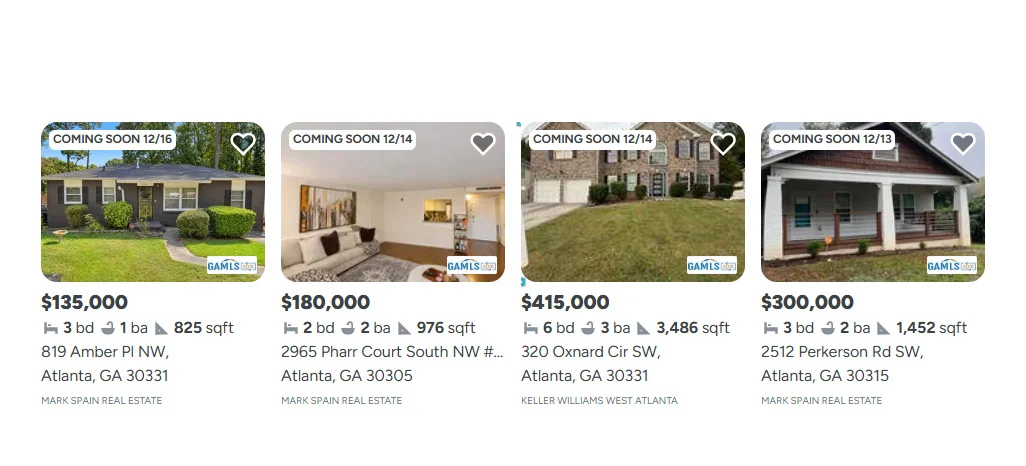
Multiple Listing Services (MLS) remain the gold standard for verified property records, yet regional fragmentation creates massive technical hurdles for national analysts. Over 500 distinct regional databases operate across North America, each using different formatting rules and access protocols. Standardizing MLS Property Listing Data Extraction bridges these regional silos into one cohesive repository.
Connecting your internal analytics stack to a unified Real Estate Scraping API automates schema mapping, deduplication, and currency standardization across every regional feed. Engineers no longer waste valuable sprint cycles writing custom parsers for incompatible regional formats or cleaning messy legacy exports.
This technical foundation powers Real Estate Listing Data Scraping for Market Analysis, enabling institutional investors to compare cap rates in Austin directly against multifamily yields in Chicago. Industry surveys indicate that brokerages using unified feeds close deals 35 percent faster than firms relying on manual regional exports.
- Cross-Regional Normalization: Standardize field names, tax records, and status codes across hundreds of local boards.
- Automated Record Deduplication: Merge overlapping entries when properties appear simultaneously across multiple broker networks.
- Real-Time Status Alerts: Trigger instant notifications when active units transition to pending, leased, or off-market status.
| Aggregation Challenge | Manual Approach Impact | Automated Solution |
|---|---|---|
| 500+ Regional Formats | High engineering hours spent cleaning messy CSVs | Automatic normalization into unified JSON schemas |
| Duplicate Cross-Listings | Skewed inventory counts and inaccurate averages | Built-in address matching and record deduplication |
| Delayed Status Changes | Wasted outreach on already-leased properties | Real-time webhook alerts for off-market shifts |
| Historical Archive Gaps | Inability to model multi-year seasonal trends | Continuous cloud storage of longitudinal snapshots |
Combining verified regional accuracy with consumer portal velocity eliminates blind spots across the entire housing lifecycle, from initial construction permits through final institutional sale.
How Retail Scrape Can Help You?
Building and maintaining internal web crawlers requires constant engineering maintenance whenever major housing websites update their page layouts or security protocols. We remove this operational burden by delivering custom, enterprise-grade Real Estate Data Scraping pipelines tailored to your exact geographic and property criteria.
Our infrastructure handles proxy rotation, CAPTCHA solving, and data validation automatically so your team receives clean, ready-to-use datasets on your preferred schedule.
- Custom Schema Delivery: Receive structured outputs formatted in JSON, CSV, or Excel directly into your cloud storage or database.
- Anti-Bot Bypass Architecture: Maintain uninterrupted data flows across heavily protected housing portals without IP blocks or rate limits.
- Automated Deduplication: Eliminate redundant records when properties appear simultaneously across multiple regional and national listing sites.
- Granular Geographic Filtering: Target specific zip codes, school districts, or metropolitan statistical areas to keep datasets focused and cost-effective.
- Scheduled Real-Time Updates: Configure hourly, daily, or weekly extraction intervals to track rapid rent changes and new apartment availability.
- Dedicated Engineering Support: Rely on proactive scraper maintenance whenever target platforms modify their underlying HTML structures.
By partnering with our specialized Real Estate Data Intelligence Services, your organization scales its Rental Property Price Data Collection effortlessly while reducing infrastructure overhead.
Conclusion
Navigating modern housing markets demands accurate, timely visibility across every major listing platform without draining internal engineering budgets. Implementing scalable Real Estate Data Scraping transforms fragmented web pages into reliable market intelligence, empowering property managers and investors to price units competitively and identify high-yield acquisitions faster.
When your analytics team automates Rental Listing Data Scraping, manual research bottlenecks disappear and strategic decision-making accelerates across every portfolio market. Contact Retail Scrape today to schedule a free consultation and launch your custom property data pipeline.