


How Can Quick Commerce Grocery Product Data Extraction Improve Staples, Snacks and Beverage Tracking?
Introduction
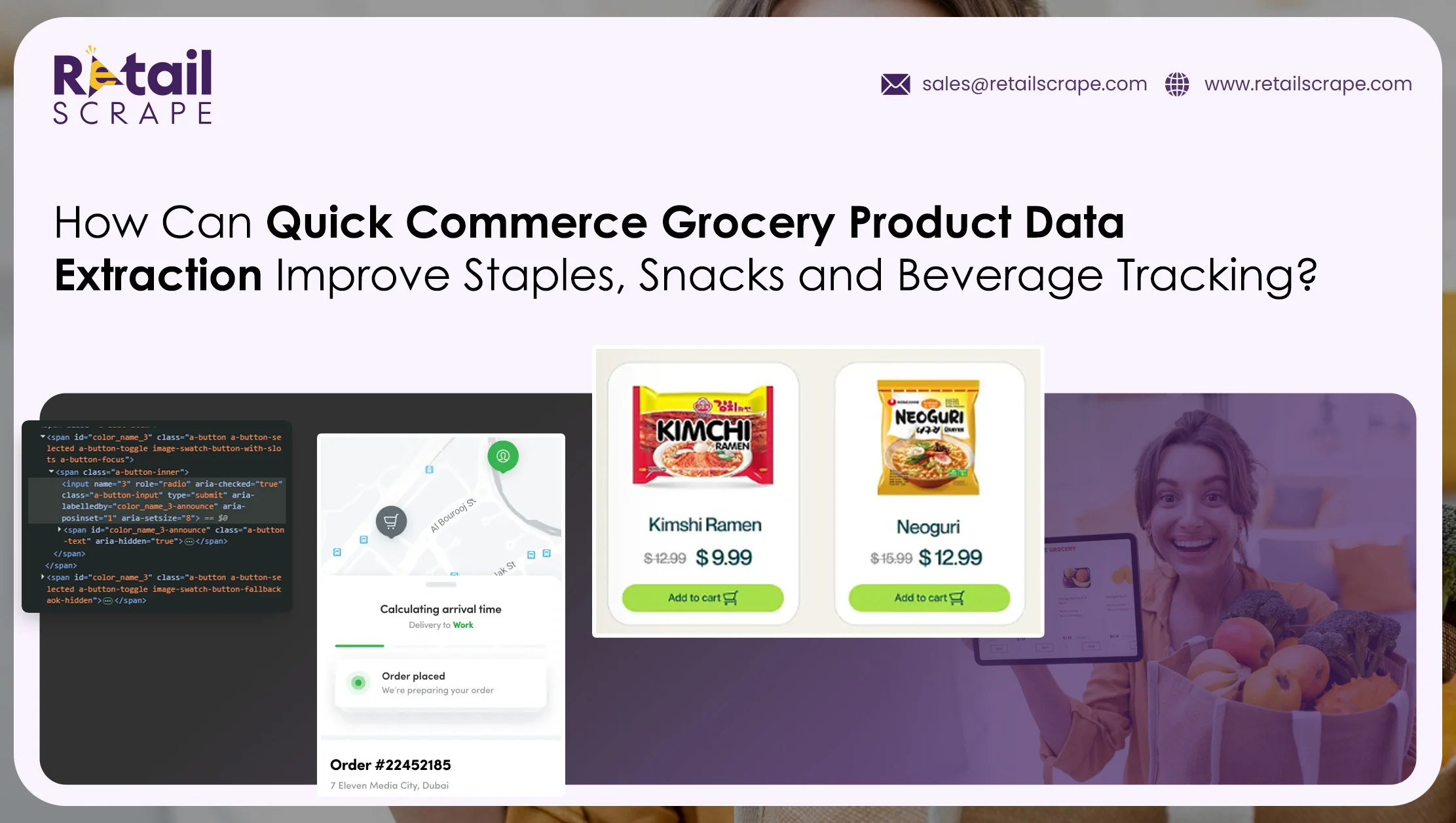
The rapid expansion of ultra-fast delivery platforms has fundamentally reshaped how urban consumers purchase daily kitchen essentials. Monitoring rapid price shifts and hyperlocal inventory levels across multiple delivery dark stores requires automated Quick Commerce Grocery Product Data Extraction to maintain competitive visibility across high-frequency categories.
Traditional manual tracking methods fail to capture dynamic regional pricing models and sudden stock depletion during peak shopping hours. Implementing structured Grocery Product Data Scraping India enables consumer brands to capture granular SKU-level metrics directly from leading delivery applications with consistent accuracy.
By pairing automated extraction workflows with FMCG Product Data Analytics, retail decision-makers can evaluate regional demand elasticity and optimize distribution strategies. Real-time visibility into staples, snacks, and beverages prevents revenue leakage while strengthening shelf presence across competitive metropolitan pin codes.
Improving Daily Kitchen Staples Tracking Across Hyperlocal Dark Stores
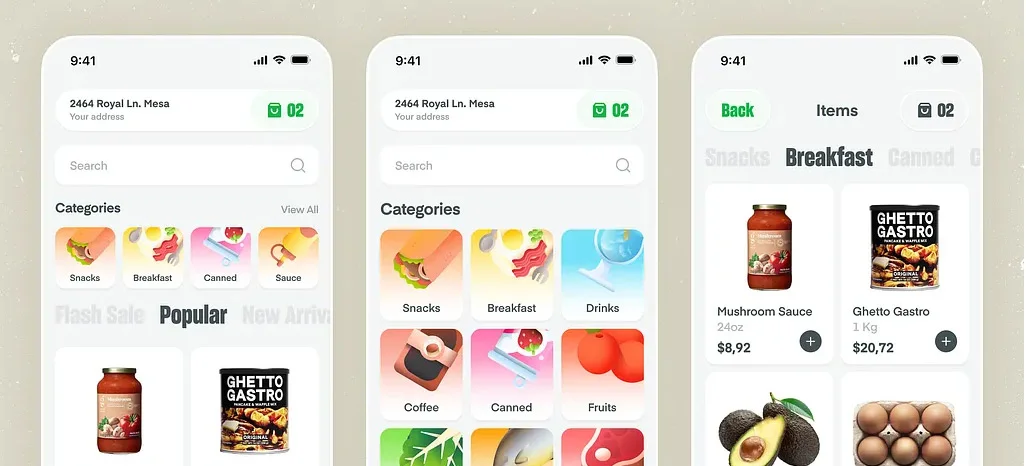
Daily kitchen essentials such as cooking oils, flours, rice, and pulses form the foundational core of recurring orders on rapid delivery applications. Because household shoppers compare essential kitchen items closely across competing delivery storefronts, brand managers must execute continuous Grocery Competitor Price Tracking to detect subtle platform-level markdowns and sudden dynamic surge pricing across neighborhoods.
Recent retail industry benchmarks indicate that over 68% of recurring rapid delivery orders in Tier-1 Indian cities include at least two staple food items. Price sensitivity drives a 22% higher cart abandonment rate whenever essential kitchen costs exceed nearby dark store averages by even 4%, making automated Grocery Price Data Scraping vital for mapping exact MRP-to-selling-price ratios across city zones.
Integrating structured FMCG Product Price and Discount Tracking India enables commercial teams to calibrate trade promotions rapidly without eroding baseline profit margins. When suppliers align regional wholesale distribution rates with verified storefront pricing realities, they protect brand equity and sustain steady repeat order volumes across high-demand residential clusters.
| Staple Category | Avg. Price Fluctuation (Weekly) | Peak Stockout Window | Primary Pricing Driver |
|---|---|---|---|
| Edible Oils & Ghee | 3.5% – 6.2% | 7:00 PM – 10:00 PM | Bulk pack promotional discounting |
| Atta, Rice & Grains | 1.8% – 4.0% | Weekend Mornings | Private-label price undercutting |
| Sugar, Salt & Spices | 1.2% – 2.5% | Festival Eve Windows | Minimum order value bundling |
| Pulses & Lentils | 4.1% – 7.5% | Mid-Month Restock Cycles | Wholesale commodity rate shifts |
- Automated monitoring of regional cooking oil and grain price gaps across competing delivery storefronts.
- Identification of private-label undercutting strategies during high-traffic weekend morning shopping hours.
- Alignment of wholesale distributor margins with real-time neighborhood retail selling prices.
Capturing these granular pricing fluctuations empowers category managers to respond immediately whenever rival brands launch localized bundle offers. Maintaining accurate visibility across staple categories guarantees uninterrupted shelf competitiveness during peak monthly household restocking cycles.
Enhancing Impulse Snacks Tracking Through Real-Time Promotional Monitoring
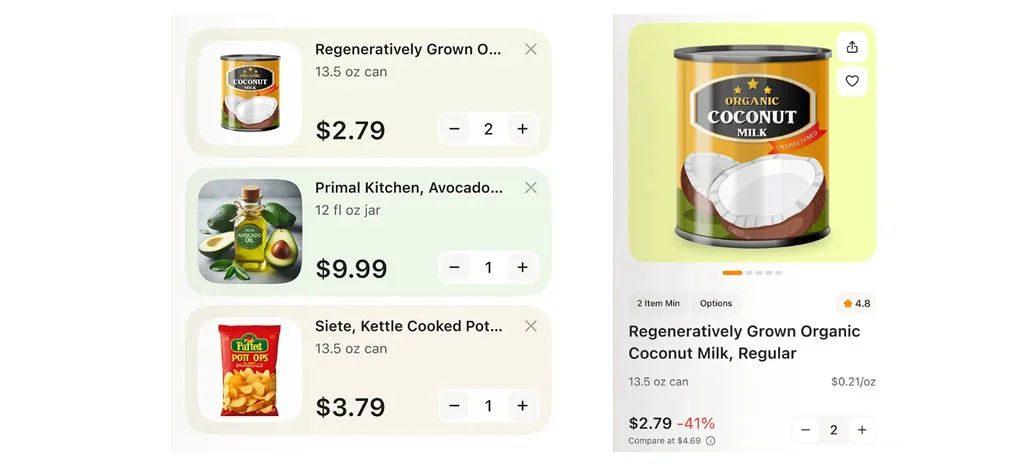
Unlike planned household staple purchases, packaged snacks, biscuits, and ready-to-eat savories thrive on evening cravings, impulse buying, and algorithmic storefront placement. Executing automated Quick Commerce Price Monitoring reveals how rival snack manufacturers utilize top-of-screen banner placements, multi-pack combo deals, and flash markdowns to capture immediate shopper attention during peak snacking hours.
Market performance metrics show that impulse snack categories experience a 35% surge in order volume between 4:00 PM and 8:00 PM daily. Bundled multi-pack offers generate up to 44% higher conversion rates than standalone packs, so integrating Grocery Promotions Data Scraping helps marketing teams benchmark exact discount percentages, coupon mechanics, and sponsored shelf rankings across competing brands.
Leveraging comprehensive FMCG Product Data Analytics allows brand teams to evaluate which promotional formats drive genuine incremental volume rather than temporary margin dilution. Instead of deploying blanket citywide markdowns, snack manufacturers can allocate promotional budgets selectively into neighborhoods where competitor campaigns threaten category share.
| Snack Sub-Category | Avg. Discount Depth | Peak Ordering Window | Dominant Promotional Mechanic |
|---|---|---|---|
| Extruded & Potato Chips | 12% – 20% | 5:00 PM – 9:00 PM | Multi-pack combo value deals |
| Biscuits & Cookies | 10% – 18% | 8:00 AM – 11:00 AM | Family-pack flat percentage off |
| Namkeen & Traditional Savories | 8% – 15% | 4:00 PM – 7:00 PM | Festive and weekend flash banners |
| Chocolates & Confectionery | 15% – 25% | 8:00 PM – 11:30 PM | Checkout cart add-on discounts |
- Real-time tracking of evening flash discounts and bundled combo offers across competing snack labels.
- Benchmarking of sponsored search visibility and home-screen banner share during peak craving windows.
- Optimization of trade promotional budgets toward specific pin codes facing aggressive competitor discounting.
Tracking rapid promotional shifts across impulse food lines ensures marketing teams capitalize on weekend gatherings, sporting events, and festive occasions. Timely visibility turns fleeting consumer cravings into repeatable brand loyalty across ultra-fast delivery channels.
Strengthening Beverage Inventory Tracking Across High-Demand Neighborhood Pin Codes
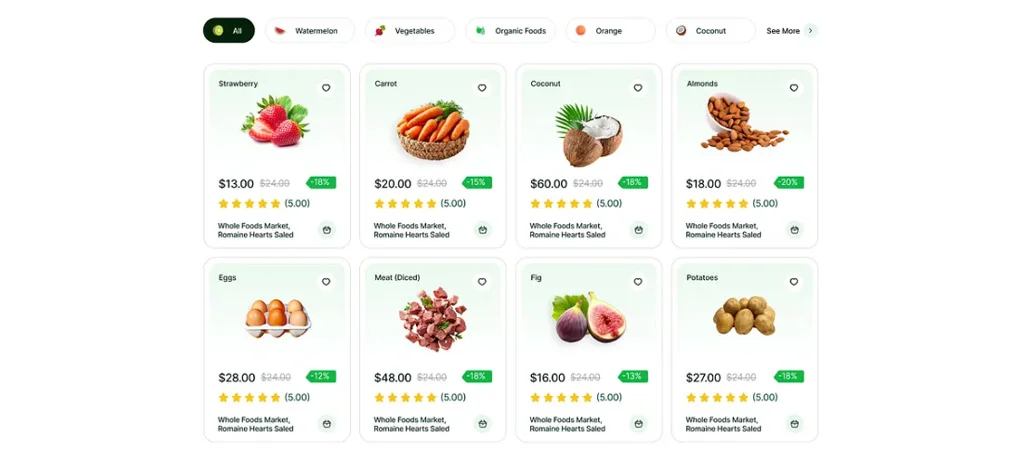
Carbonated soft drinks, packaged fruit juices, energy drinks, and bottled mineral water face sharp weather-driven demand spikes and tight storage limits inside compact dark stores. Deploying reliable Grocery Product Availability Data ensures beverage manufacturers detect out-of-stock SKUs immediately before temporary shelf gaps translate into permanent consumer switching across competing brands.
Operational supply chain studies demonstrate that cold beverage stockouts during peak afternoon heatwaves trigger an immediate 31% brand-switching rate, since thirsty shoppers rarely wait for restocks on 10-minute delivery platforms. Utilizing granular Pincode-Wise FMCG Product Availability Data equips logistics planners with exact visibility into neighborhood replenishment cycles and regional fulfillment bottlenecks.
Connecting live replenishment alerts with Grocery Scraping API workflows enables field sales and distribution partners to route inventory directly toward depleted micro-warehouses. Proactive stock balancing keeps chilled beverages ready for instant dispatch during peak consumption hours.
| Beverage Segment | Avg. Dark Store Stockout Rate | Weather Sensitivity Index | Restock Frequency (Daily) |
|---|---|---|---|
| Carbonated Soft Drinks | 14.2% | High (+42% in summer) | 2 to 3 times daily |
| Packaged Fruit Juices | 9.5% | Moderate (+18% seasonal) | Once daily |
| Energy & Sports Drinks | 11.8% | Moderate (+24% weekend) | Once daily |
| Bottled Mineral Water | 16.4% | Very High (+55% heatwaves) | 3 to 4 times daily |
- Continuous tracking of neighborhood dark store stockout rates during high-temperature afternoon peaks.
- Prioritization of rapid warehouse dispatches to high-velocity delivery hubs experiencing fast depletion.
- Reduction of lost revenue opportunities caused by unmonitored chilled beverage fulfillment delays.
Maintaining consistent product availability across every urban delivery zone protects hard-won digital shelf rankings from algorithmic penalties. When beverage brands prevent recurring stockouts, they maximize peak-season revenue while reinforcing dependable consumer brand recall.
How Retail Scrape Can Help You?
We empower consumer brands and market analysts with enterprise-grade Quick Commerce Grocery Product Data Extraction tailored to capture live SKU assortments, dynamic pricing, and hyperlocal stock statuses across major quick commerce platforms.
Our automated infrastructure eliminates manual tracking delays by delivering accurate datasets directly into your analytics ecosystem through a scalable Grocery Scraping API built for high-frequency retail monitoring.
- Automated collection of real-time product prices, MRP variations, and seller-level markdowns across multiple delivery platforms.
- Granular neighborhood-level stock tracking to identify dark store replenishment gaps and prevent lost sales opportunities.
- Continuous monitoring of flash deals, combo offers, banner placements, and sponsored search rankings for impulse categories.
- Standardized SKU mapping and product matching across staples, snacks, and beverages for accurate cross-platform benchmarking.
- Customizable extraction schedules delivering clean JSON, CSV, or database-ready feeds aligned with your internal reporting workflows.
- Dedicated technical support and anti-blocking data pipelines engineered to maintain uninterrupted data delivery during peak sale events.
Integrating FMCG Product Price and Discount Tracking India into your daily commercial operations ensures your pricing, marketing, and supply chain teams act on verified market reality rather than delayed historical estimates.
Conclusion
Winning shelf space in the fast-paced quick commerce ecosystem demands continuous visibility into every price change, promotional campaign, and dark store stock update. Implementing reliable Quick Commerce Grocery Product Data Extraction equips consumer brands with the real-time intelligence needed to protect margins on daily staples, optimize promotional spend on impulse snacks, and prevent costly stockouts across high-demand beverage lines.
Combining automated extraction pipelines with FMCG Product Data Analytics transforms raw storefront listings into actionable category growth strategies across metropolitan and emerging Tier-2 markets. Contact Retail Scrape today to schedule a custom data consultation and start monitoring live quick commerce grocery shelves with total precision.