
How Does Pincode-Level Grocery Delivery Coverage in India Map 19,000+ Areas for Market Insights?

Introduction
India’s grocery delivery ecosystem has evolved rapidly, driven by digital adoption, urbanization, and the rise of quick commerce platforms. Businesses today require precise location intelligence to understand where services are available, how delivery networks are expanding, and which markets remain underserved. Tracking delivery availability at the pincode level provides granular visibility into consumer reach, operational efficiency, and market penetration across diverse geographic regions.
The concept of Pincode-Level Grocery Delivery Coverage in India has become increasingly important for retailers, brands, logistics providers, and investors seeking actionable market intelligence. By analyzing more than 19,000 serviceable areas, organizations can identify demand clusters, regional growth opportunities, and competitive positioning across cities, towns, and emerging suburban markets.
Advanced Grocery Data Scraping Services enable businesses to collect real-time information from grocery delivery platforms, helping stakeholders understand coverage changes, assortment availability, delivery timelines, and service expansion patterns. Detailed coverage mapping ultimately helps organizations make informed decisions while improving customer reach and service effectiveness throughout India's dynamic grocery delivery landscape.
Building Accurate Location Intelligence Across Diverse Consumer Markets
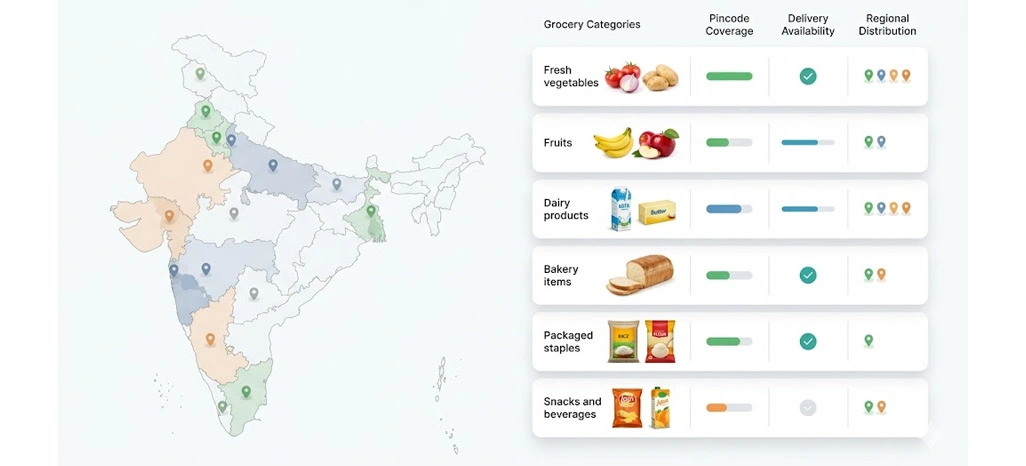
The expansion of grocery delivery services across India has created a growing need for precise location intelligence. One of the most effective approaches for measuring accessibility is Delivery Coverage Mapping by Pincode, which provides detailed insights into service availability across metropolitan regions, Tier-1 cities, Tier-2 markets, and emerging suburban locations.
By monitoring delivery footprints, companies can identify where customer demand aligns with operational capabilities and where additional investments may be required. Modern data collection technologies, including a Grocery Scraping API, allow businesses to track availability changes, service radius expansions, and delivery performance across thousands of locations.
Additionally, organizations increasingly depend on India Grocery Delivery Market Insights to compare coverage performance across different markets. Such intelligence supports strategic decisions related to fulfillment networks, warehouse placement, and local marketing initiatives. At the same time, Quick Commerce Coverage Analysis helps businesses evaluate how delivery providers compete within specific regions and customer segments.
Regional Coverage Assessment:
| Region Category | Coverage Rate (%) | Strategic Importance |
|---|---|---|
| Metro Markets | 95 | Established Demand |
| Tier-1 Cities | 82 | Expansion Focus |
| Tier-2 Cities | 68 | High Growth Potential |
| Tier-3 Cities | 45 | Emerging Opportunities |
| Rural Areas | 21 | Long-Term Development |
These datasets help retailers and brands understand evolving customer accessibility patterns and optimize regional strategies. As delivery ecosystems continue evolving, location-based intelligence remains essential for understanding customer accessibility and supporting sustainable market expansion.
Measuring Expansion Momentum Across Emerging Urban Corridors
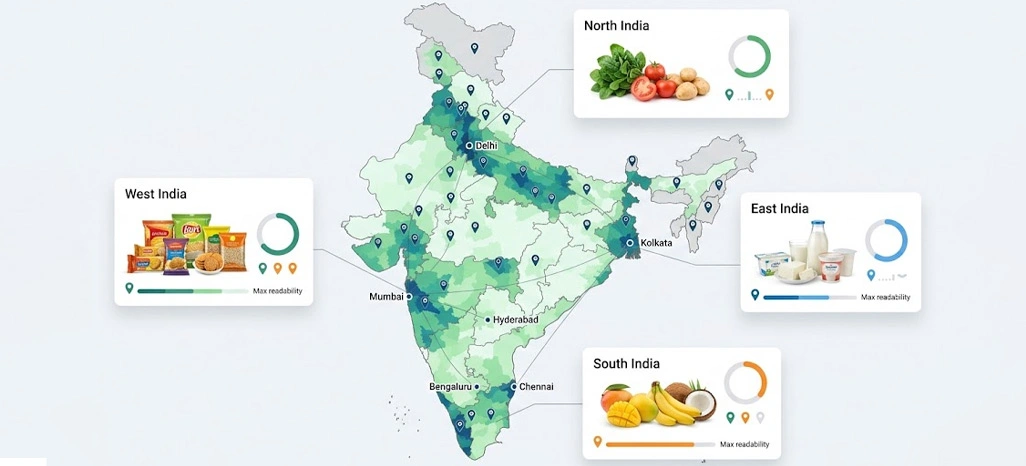
As grocery delivery platforms expand their operational footprints, businesses require deeper visibility into growth patterns and market penetration. Understanding how service networks evolve across diverse regions enables organizations to identify competitive opportunities, assess infrastructure development, and evaluate long-term expansion potential. Comprehensive Geographic Analysis of Grocery Delivery Platforms helps stakeholders compare service availability across multiple cities and regions.
This approach reveals which markets are experiencing rapid adoption and where delivery providers are investing to strengthen their presence. Such visibility is particularly valuable for retailers, brands, and investors evaluating future growth opportunities. Through Web Scraping Grocery Store Datasets, organizations can gather large-scale operational data that highlights platform expansion activity, newly serviceable regions, and changes in customer accessibility.
These datasets provide valuable context for measuring delivery reach and evaluating regional performance. Businesses also rely on Grocery Delivery Service Penetration Across Indian Pincodes to understand the depth of market coverage and identify locations where service adoption continues to accelerate.
Expansion Performance Indicators:
| Metric | Market Observation |
|---|---|
| New Area Onboarding | Increasing Monthly |
| Urban Market Entry | Rapid Growth |
| Fulfillment Centers | Expanding |
| Delivery Speed | Improving |
| Service Hours | Extending |
In addition, Delivery Coverage Intelligence Using Location-Based Data enables organizations to assess platform competitiveness through detailed geographic comparisons. Combined with Quick Commerce Expansion and Delivery Coverage Trends, businesses can evaluate how fulfillment infrastructure, dark stores, and delivery hubs contribute to broader network growth.
Converting Service Availability Data Into Strategic Business Decisions
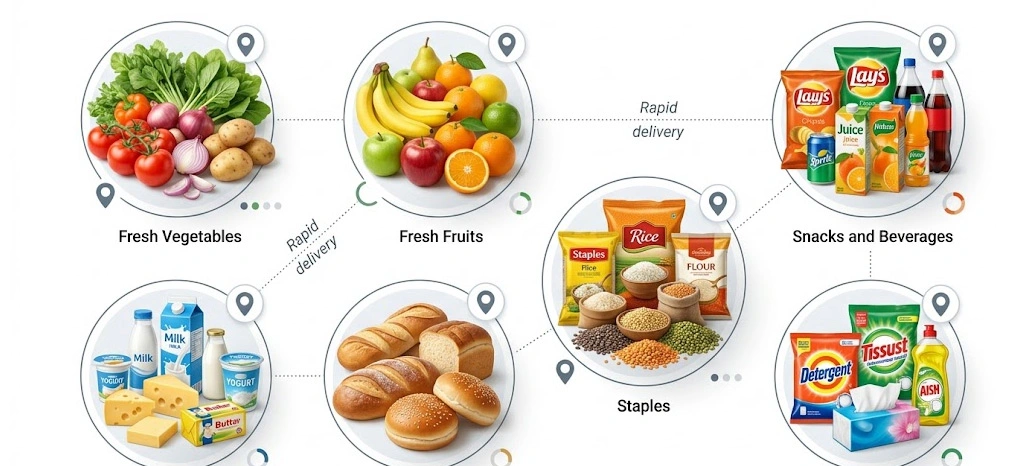
Coverage intelligence has evolved from a simple operational metric into a critical business asset. Organizations increasingly use geographic delivery data to improve planning, strengthen market positioning, and enhance customer accessibility across multiple regions. One major application involves Hyperlocal Delivery Network Analysis in India, which helps businesses understand delivery density, fulfillment efficiency, and localized consumer demand patterns.
Such insights allow organizations to optimize resource allocation and improve service quality in highly competitive markets. Combining coverage intelligence with pricing data creates a more complete view of market performance. Tools such as a Grocery Price Scraper help organizations evaluate pricing strategies alongside delivery availability, enabling more accurate competitive assessments and business planning.
Companies also benefit from Quick Commerce Availability Analysis Across Indian Pincodes, which reveals areas where customer demand may exceed current service capacity. These locations often represent attractive opportunities for expansion, investment, and partnership development. Coverage datasets further support demand forecasting, inventory optimization, and regional performance evaluation.
Strategic Applications of Coverage Intelligence:
| Application Area | Business Advantage |
|---|---|
| Demand Forecasting | Better Planning |
| Inventory Management | Reduced Stock Issues |
| Market Expansion | Smarter Entry Decisions |
| Competitive Benchmarking | Improved Positioning |
| Customer Reach Evaluation | Higher Engagement |
Businesses can compare service footprints across competing platforms while identifying operational gaps that influence customer satisfaction and retention. As grocery delivery competition intensifies, organizations that transform service availability data into actionable intelligence can improve decision-making, strengthen operational efficiency, and identify new opportunities for long-term growth.
How Retail Scrape Can Help You?
Businesses operating in the grocery and quick commerce ecosystem require reliable market intelligence to monitor expansion, identify service gaps, and understand changing consumer accessibility patterns. Through Pincode-Level Grocery Delivery Coverage in India, organizations can transform raw location data into actionable business insights that support growth and operational efficiency.
Key Benefits:
- Monitor service availability across multiple delivery platforms.
- Track regional expansion activities in real time.
- Analyze location-specific customer accessibility trends.
- Identify underserved markets with growth potential.
- Support inventory and fulfillment planning decisions.
- Enhance competitive benchmarking with accurate data.
These capabilities are further strengthened through Quick Commerce Data Intelligence, enabling businesses to make informed decisions based on continuously updated coverage and market performance data.
Conclusion
The growing importance of Pincode-Level Grocery Delivery Coverage in India reflects the increasing need for precise location intelligence in a highly competitive grocery delivery landscape. Detailed coverage analytics help organizations evaluate market reach, identify expansion opportunities, and improve operational planning across thousands of serviceable areas.
Businesses utilizing India Grocery Delivery Market Insights can better understand regional demand patterns, monitor competitive movements, and strengthen long-term growth strategies. Contact Retail Scrape today to transform grocery delivery coverage data into actionable market intelligence that drives smarter business decisions.
Effortlessly managing intricacies with customized strategies.
Mitigating risks, navigating regulations, and cultivating trust.
Leveraging expertise from our internationally acclaimed team of developers
Reliable guidance and assistance for your business's advancement