
What Makes Airline Dynamic Pricing KLM Price Changes Jump 30% in Minutes? Discover the Key Stats!
Introduction
Airline ticket pricing has become increasingly complex in recent years as airlines adopt advanced revenue management technologies. Travelers often notice that ticket prices change within minutes, sometimes rising by as much as 30% during high demand periods. One of the most discussed examples involves Airline Dynamic Pricing KLM Price Changes, where fares fluctuate rapidly based on multiple data-driven variables such as booking demand, time of purchase, competitor pricing, and seat availability.
Airlines like KLM rely heavily on dynamic pricing algorithms to maximize revenue while maintaining competitive ticket offerings. These systems analyze real-time market signals, historical booking patterns, route popularity, and traveler behavior to adjust ticket prices automatically.
Studies analyzing KLM Flight Price Changes and Dynamic Pricing reveal that automated pricing engines can adjust fares dozens of times per day across thousands of routes. By studying pricing behavior and flight demand trends, organizations can better predict fare fluctuations, identify the best booking windows, and design smarter travel analytics systems for both consumers and businesses.
Understanding the Core Factors Behind Rapid Airline Fare Adjustments
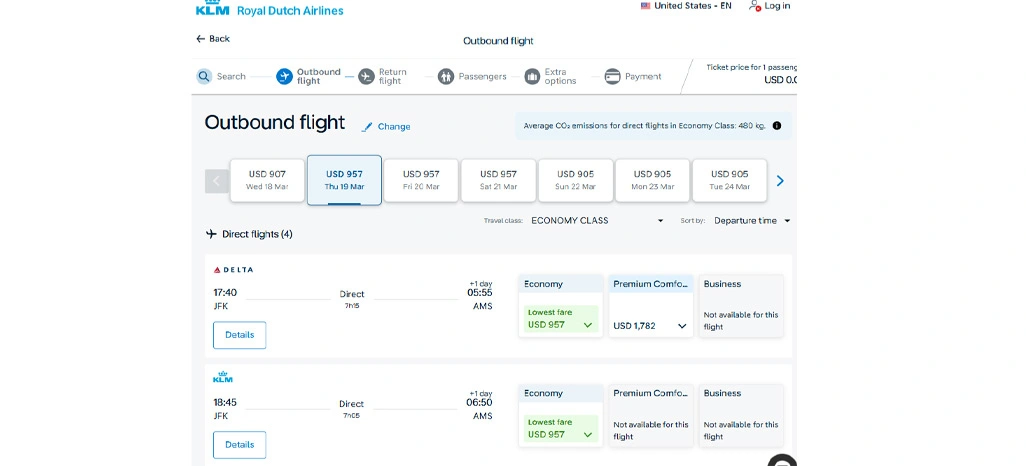
Airline ticket prices can fluctuate multiple times within a single hour because modern airline revenue systems rely on highly automated algorithms. These systems continuously analyze passenger demand, route popularity, booking patterns, and competitor activity to determine the most profitable ticket price.
A major factor behind these adjustments is demand prediction. Airlines collect large volumes of historical booking data to estimate when travelers are likely to purchase tickets. When booking patterns begin matching high-demand trends, the system increases prices accordingly. Studies examining Why Flight Prices Change Every Hour Data Scraping Analysis show that algorithmic pricing engines may revise fares dozens of times each day.
Another important component involves monitoring competitor fares. To maintain full visibility across these changes, travel platforms rely on Dynamic Pricing Monitoring for Airlines and OTAs, which provides structured insights into market-wide airfare trends and helps analysts understand fare movement patterns.
| Pricing Trigger | Impact on Fare Adjustments |
|---|---|
| Sudden search activity | Indicates rising demand |
| Decreasing seat availability | Increases perceived value |
| Competitor fare updates | Triggers automated response |
| Seasonal travel demand | Causes frequent adjustments |
| High last-minute bookings | Leads to premium pricing |
Such observations help analysts better interpret KLM Flight Price Changes and Dynamic Pricing, providing valuable insights into how airline revenue systems react to changing travel demand.
Key Data Signals Used by Airline Pricing Algorithms
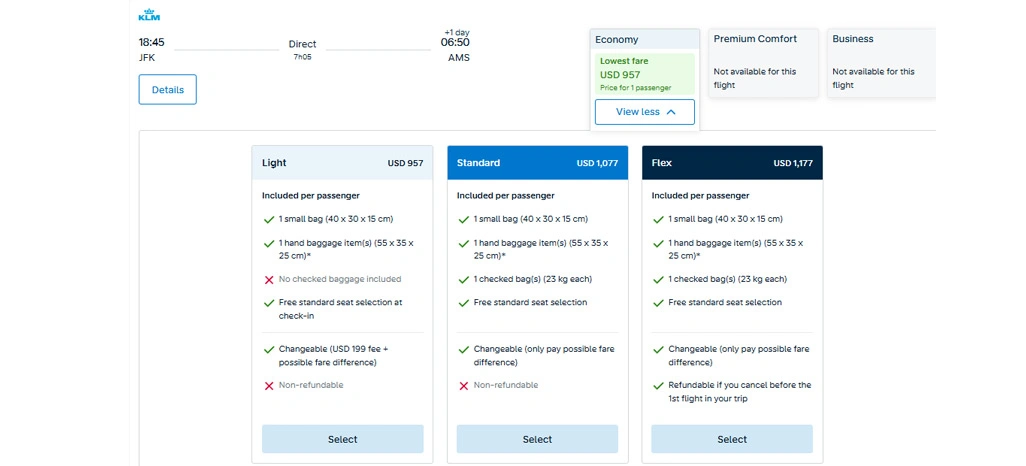
Modern airline pricing engines operate using complex data pipelines designed to evaluate traveler behavior and market conditions in real time. Every ticket price shown on a booking platform is calculated based on multiple signals that indicate how likely passengers are to purchase a seat at a specific moment.
One of the most influential signals comes from historical fare datasets. Airlines rely on structured records containing route demand, seat inventory levels, booking windows, and past ticket prices. Analysts often use an Airline Fare Tracking Dataset for Price Prediction to identify long-term patterns in airfare movements.
Real-time search behavior also plays a major role in pricing decisions. Companies operating travel intelligence tools also use a Flight Price Intelligence Platform for Travel Companies to transform raw airline fare data into actionable insights. These platforms monitor ticket changes across airlines and provide structured analytics dashboards for market analysis.
| Data Source | Role in Price Calculation |
|---|---|
| Historical booking records | Predict future traveler behavior |
| Route popularity metrics | Estimate seat demand |
| Search activity monitoring | Detect booking interest spikes |
| Competitor pricing data | Maintain market competitiveness |
| Seasonal travel patterns | Adjust fares during peak periods |
Many travel research teams also Scrape International Flight Prices for Travel Analytics to build cross-airline datasets that help interpret fare changes across different regions and routes.
Role of Automated Airline Data Collection in Pricing Analysis
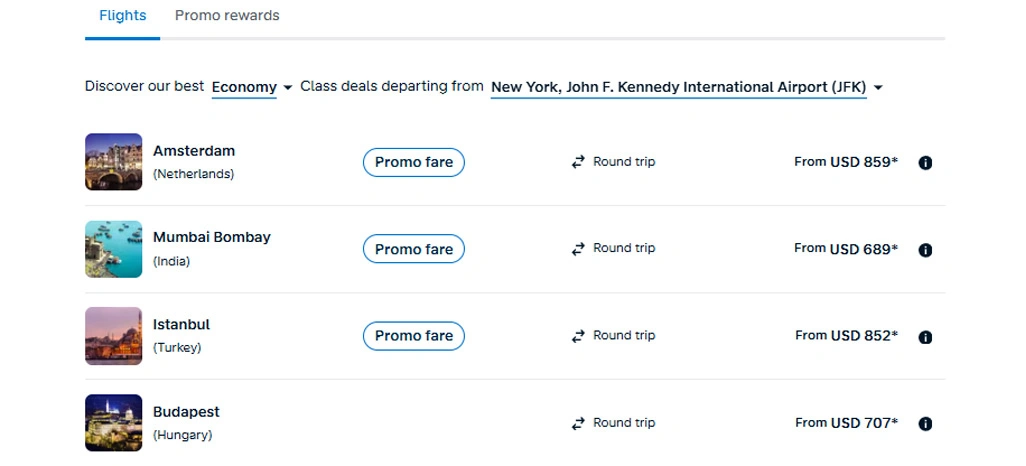
Airline pricing research relies heavily on large-scale automated data collection systems. One common approach involves automated extraction tools designed for analysts learning How to Scrape Flight Price Data From Global Airlines. These tools collect large datasets from airline websites and booking engines, enabling researchers to monitor price changes across thousands of routes simultaneously.
Specialized data extraction projects also focus on airline-specific datasets. For example, KLM Flight Data Web Scraping projects collect detailed information about flight schedules, ticket tiers, and pricing patterns. By studying these datasets, analysts can detect seasonal price changes and identify common fare adjustment intervals.
Real-time monitoring is equally important in airfare analytics. Systems designed to track Real-Time Airline Price Changes KLM allow researchers to observe minute-level fare movements and capture rapid fluctuations triggered by demand changes or market events.
| Data Collected | Analytical Purpose |
|---|---|
| Route and destination data | Identify high-demand travel corridors |
| Ticket price records | Monitor historical fare changes |
| Seat availability | Predict pricing thresholds |
| Booking timestamps | Study traveler purchase timing |
| Airline promotions | Detect temporary fare reductions |
These datasets are often integrated into advanced Airline Revenue Management Data Scraping Solutions, which help analysts interpret airline pricing strategies and build predictive travel intelligence models.
How Retail Scrape Can Help You?
Understanding airline fare movements requires sophisticated analytics and automated data collection tools. Travel companies, analysts, and booking platforms need reliable datasets to identify patterns behind Airline Dynamic Pricing KLM Price Changes and other airline pricing strategies.
Our Travel Data Intelligence Capabilities:
- Continuous monitoring of airline pricing patterns.
- Automated collection of global flight fare data.
- Historical dataset creation for travel analytics.
- Competitor pricing observation across routes.
- Route demand tracking and booking behavior insights.
- Real-time data delivery for predictive models.
These capabilities help travel platforms make smarter pricing decisions, build forecasting models, and improve customer booking insights. Our specialized KLM Flight Price Scraping Services ensure accurate airfare datasets that power modern travel analytics platforms.
Conclusion
Airline pricing has evolved into a sophisticated data-driven system where algorithms continuously respond to demand signals, seat availability, and competitor behavior. The frequent fluctuations in Airline Dynamic Pricing KLM Price Changes demonstrate how modern airline revenue systems adapt instantly to changing market conditions.
Advanced analytics, automated monitoring, and structured travel datasets now play a crucial role in understanding airfare behavior. Businesses that analyze KLM Flight Price Changes and Dynamic Pricing can build smarter forecasting tools and improve travel pricing strategies. Contact Retail Scrape today to access reliable airline pricing datasets and transform your travel analytics capabilities.
Effortlessly managing intricacies with customized strategies.
Mitigating risks, navigating regulations, and cultivating trust.
Leveraging expertise from our internationally acclaimed team of developers
Reliable guidance and assistance for your business's advancement