How does Grocery Store Price Comparison Using Scraping Boost Savings by 27% Across Retail Markets?
Introduction
In today’s competitive retail environment, grocery pricing changes faster than ever due to supply chain shifts, seasonal demand, local competition, and promotional strategies. This is why Grocery Store Price Comparison Using Data has become a key business strategy for understanding real-time pricing movements and predicting purchasing trends.
Additionally, Grocery Data Scraping enables retailers to monitor product categories, brand-level changes, discount variations, and bundle offers across different geographic locations. Instead of relying on outdated spreadsheets, modern retailers now depend on automation to compare price differences across multiple sources.
When implemented correctly, Grocery Store Price Comparison Using Scraping helps improve cost accuracy, reduces price mismatches, and creates stronger promotional planning. With many markets reporting up to 27% savings improvement through optimized pricing comparisons, data-driven grocery pricing is no longer an advantage—it’s becoming a necessity for long-term retail growth.
Why Price Variations Disrupt Shopper Trust Fast?
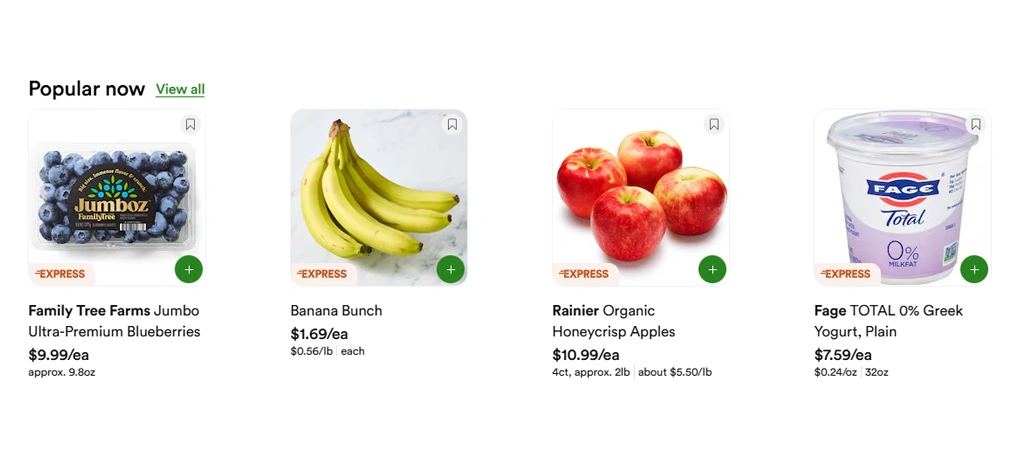
In grocery retail, even small price gaps across stores can quickly influence consumer decisions. Studies across modern retail markets indicate that shoppers are likely to change their preferred store when price differences exceed 6–10% on frequently purchased essentials.
To reduce this risk, businesses are increasingly adopting Grocery Data Scraping to track competitor pricing patterns daily. This approach improves catalog consistency and ensures retailers respond to pricing shifts before customers notice. When pricing teams have access to automated datasets, they can identify which categories are overpriced, which items require promotion support, and where competitor discounts are impacting demand.
Many retailers are now integrating Real-Time Grocery Price Optimization Tools to evaluate short-term deals, weekend discounts, and regional pricing drops. These systems help decision-makers align pricing with local demand patterns instead of relying on delayed store audits.
Pricing Issues and Their Direct Business Effects:
| Pricing Issue | Consumer Impact | Business Result |
|---|---|---|
| Untracked competitor discounts | Reduced trust | Lower conversions |
| Pricing inconsistency across cities | Store switching | Market share loss |
| Slow response to pricing drops | Cart abandonment | Declining revenue |
| Weak promotion alignment | Poor sales volume | Overstock risk |
A strong pricing strategy also depends on Compare Grocery Store Prices Using Scraping, which supports structured benchmarking across multiple grocery platforms.
How Delayed Monitoring Causes Pricing Blindness?
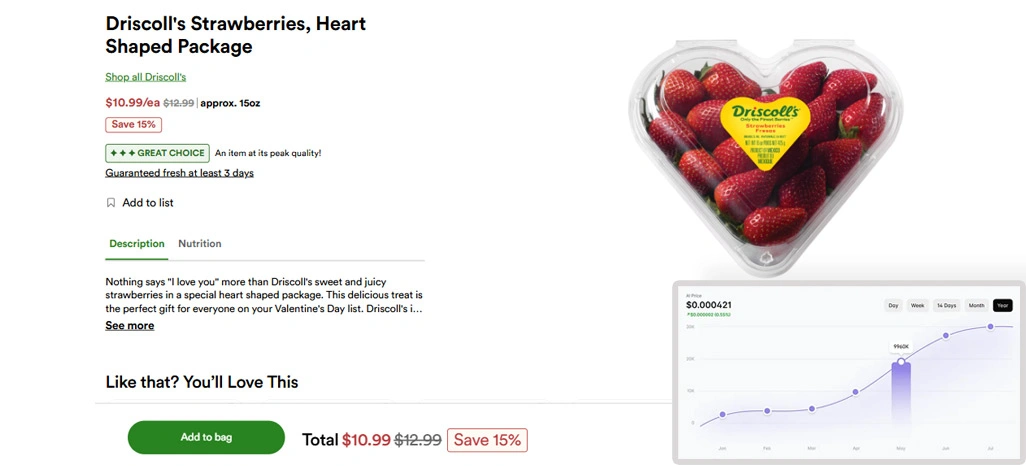
Manual price monitoring remains one of the biggest operational weaknesses in grocery retail. Retailers now rely on Web Scraping for Grocery Price Tracking to collect competitor pricing data automatically and reduce human dependency. This method allows businesses to monitor category-level changes across essential products like dairy, grains, snacks, beverages, and household supplies.
Another advantage comes from Scraping Online Grocery Prices for Analysis, which enables businesses to identify pricing patterns and detect anomalies such as inflated delivery pricing or misleading promotional discounts. When these insights are tracked consistently, retailers can optimize their pricing strategy based on real market behavior rather than assumptions.
To improve planning, many grocery brands adopt Data-Driven Grocery Cost Comparison for evaluating true product cost differences across platforms, including membership pricing and bulk discounts. This gives procurement and marketing teams a stronger foundation for promotions and pricing alignment.
Manual Tracking vs Automated Intelligence:
| Method | Accuracy | Update Frequency | Operational Effort |
|---|---|---|---|
| Manual store visits | Medium | Weekly | High |
| Spreadsheet-based tracking | Low | Delayed | High |
| Automated scraping system | High | Daily | Low |
| Multi-store tracking dashboard | Very High | Hourly | Very Low |
In fast-moving grocery markets, prices can shift multiple times per week due to supply chain changes, demand surges, or sudden promotional campaigns.
Building Competitive Advantage Through Pricing Insights
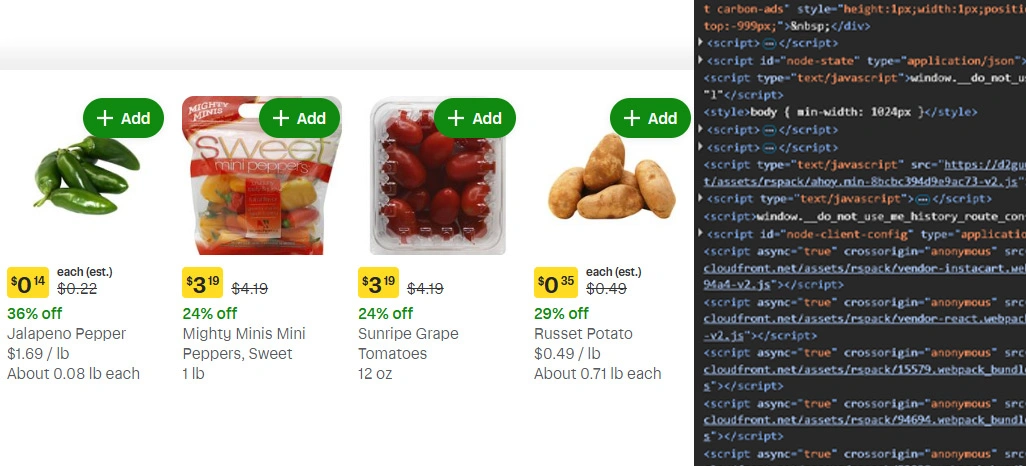
Competitive grocery markets demand more than occasional price checks. This is where Competitive Grocery Price Analysis becomes essential. By benchmarking multiple stores at SKU and category level, businesses can identify which competitors are aggressively discounting and which categories are driving demand shifts.
Retailers also benefit from structured frameworks such as Automated Grocery Price Scraping Guide, which ensures data is collected consistently and converted into usable insights. This helps businesses avoid random discounting and instead build smarter pricing plans based on competitor behavior.
To improve implementation, many teams follow How to Scrape Grocery Store Price Scraping processes to ensure product-level pricing is extracted accurately across regions. This makes it easier to track fast-changing product segments and maintain pricing stability.
Competitive Pricing Intelligence and Its Value:
| Intelligence Type | Tracks | Retail Benefit |
|---|---|---|
| Discount monitoring | Promotions and offers | Better conversions |
| Category benchmarking | Pricing trends | Strong positioning |
| SKU-level mapping | Product comparisons | Higher accuracy |
| Regional pricing shifts | City-wise variation | Localized pricing |
For long-term planning, businesses increasingly invest in Grocery Price Intelligence Solutions, which provide dashboards and reporting that support smarter forecasting, localized pricing decisions, and category optimization.
How Retail Scrape Can Help You?
Retail pricing success depends on data consistency, speed, and accuracy. When integrated into your workflow, Grocery Store Price Comparison Using Scraping becomes a scalable strategy that supports better decision-making across all grocery categories.
What we delivers:
- Faster competitor monitoring across multiple platforms.
- Automated catalog-level pricing extraction.
- Regional pricing comparison for targeted strategy.
- Better promotional trend visibility.
- Improved pricing accuracy for high-demand products.
- Reliable reporting for pricing and procurement teams.
With our services, businesses can also improve long-term forecasting through Grocery Price Monitoring for Market Research, helping them identify demand-driven pricing opportunities and reduce cost inefficiencies across retail markets.
Conclusion
Modern grocery markets demand pricing precision, speed, and smarter decision-making. When implemented correctly, Grocery Store Price Comparison Using Scraping supports better cost tracking, stronger promotional planning, and measurable savings improvements across multiple retail segments.
At the same time, consistent monitoring through Scraping Online Grocery Prices for Analysis helps retailers understand category pricing shifts, customer demand behavior, and competitor discount cycles. Contact Retail Scrape today to build a scalable grocery pricing intelligence solution that delivers real savings and long-term retail growth.