Food Delivery App Scraping: A Complete Guide to Extract Real-Time Restaurant, Menu & Pricing Data
Introduction
Why Food Delivery App Scraping Is Booming in 2025
Food delivery has become one of the biggest digital industries globally. Platforms such as Swiggy, Zomato, Uber Eats, DoorDash, Deliveroo, Grubhub, Postmates, and others deliver food, groceries, bakery items, beverages, and even quick-commerce essentials.
With millions of orders placed every day, businesses need real-time, accurate, and structured data from these apps to survive in a hyper-competitive market.
This includes:
- Restaurant menu data
- Pricing information
- Discounts & offers
- Delivery charges
- ETA & delivery speed
- Product availability
- Ratings & reviews
- Images & descriptions
Collecting all this manually is impossible. That’s where Food Delivery App Scraping comes in.
Food delivery app scraping helps businesses extract large-scale, real-time data from food delivery platforms and convert it into insights that fuel growth.
What Is Food Delivery App Scraping?
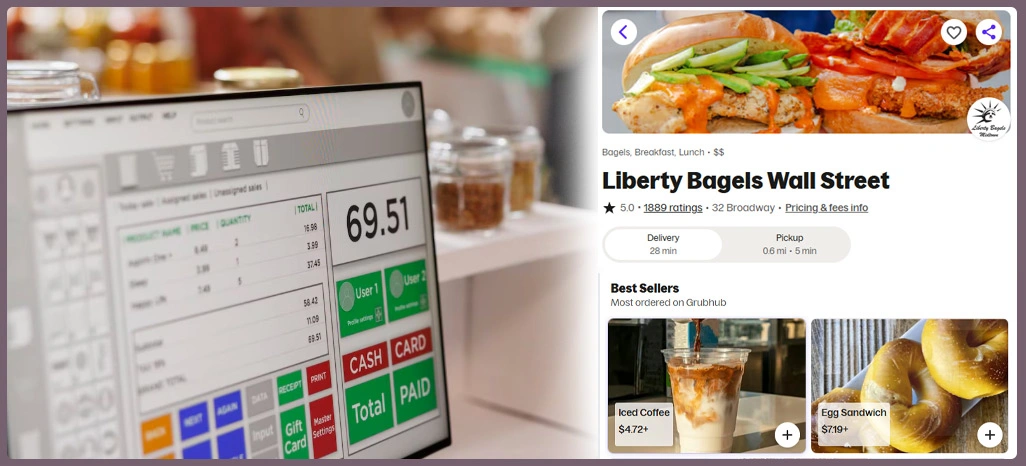
Food delivery app scraping means using automated systems or APIs to extract real-time data from platforms like:
- Swiggy
- Zomato
- Uber Eats
- DoorDash
- Deliveroo
- Grubhub
- FoodPanda
- Talabat
- Postmates
Scraping tools fetch structured data that users can analyze, store, compare, or integrate into applications.
Food Delivery Data You Can Scrape
- Restaurant Name
- Address & Location (latitude & longitude)
- Cuisine Type
- Menu Items & Variants
- Price & MRP
- Menu Descriptions
- Item Images
- Offers & Discounts
- Delivery Charges
- Delivery ETA
- Ratings & Reviews
- Veg/Non-Veg Labels
- Add-on Items
- Bestseller Tags
- Packaging Charges
- Restaurant Operational Hours
This helps businesses track daily market activity and make intelligent decisions.
Why Businesses Need Food Delivery App Scraping
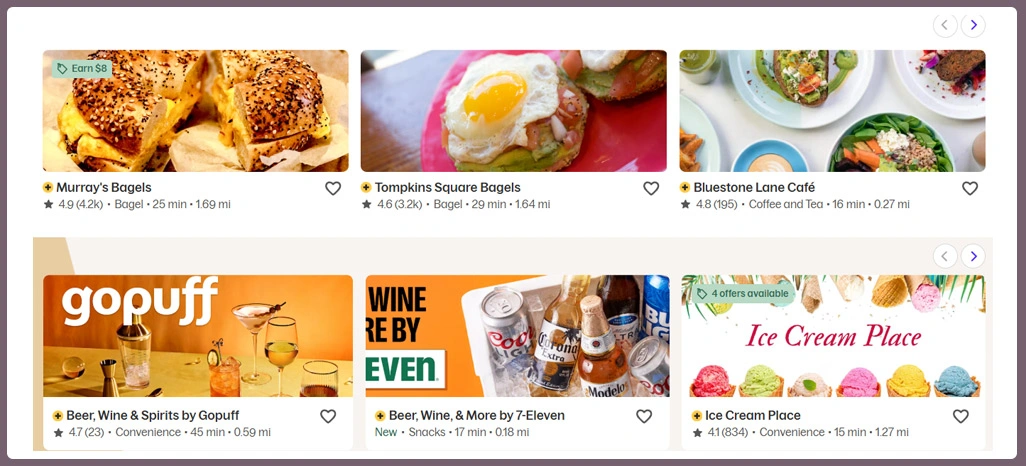
From restaurant chains to FMCG brands, delivery kitchens to analytics companies — everyone relies on delivery app data today.
Here’s why:
Competitor Price Tracking
Food delivery platforms constantly change pricing due to:
- Festival rush
- Surge in demand
- Promo codes
- Restaurant-level offers
- New item launches
Scraping data gives businesses real-time pricing intelligence.
Restaurant Menu Intelligence
Menus change every week.
Brands use scraped menu data to track:
- Newly added dishes
- Out-of-stock items
- Trending menu categories
- Bestseller SKUs
- Portion sizes and pricing
This helps restaurants optimize their own menus.
Delivery Fee & ETA Monitoring
Delivery charges vary based on:
- Time of day
- Distance
- Surge pricing
- Platform rules
Scraping helps determine delivery cost competitiveness.
Market Expansion & Location Intelligence
Food delivery scraping provides:
- High-demand areas
- Most ordered items
- Peak rush hours
- Zone-wise competition
This helps brands decide:
- Where to open new kitchens
- Which cuisines work best
- How to optimize delivery zones
Customer reviews reveal real insights:
- Pain points
- Service quality
- Product satisfaction
- Delivery issues
Sentiment analysis helps improve brand strategy.
Q-Commerce & Grocery Intelligence
Platforms like:
- Swiggy Instamart
- Zomato Everyday
- Blinkit
- Zepto
- Uber Eats Grocery
all need constant scraping to track real-time grocery and kitchen data.
Which Food Delivery Platforms Can Be Scraped?
Most global and regional delivery apps support structured scraping. Popular platforms include:
- Swiggy
- Zomato
- Uber Eats
- DoorDash
- Deliveroo
- Grubhub
- Talabat
- Food Panda
- Rappi
- Postmates
- Jumia Food
Scraping processes vary by platform due to:
- API structures
- Unique page layouts
- Geolocation restrictions
- Rate limits
But with the right scraping infrastructure, all can be monitored reliably.
Key Data Points Extracted from Food Delivery Apps
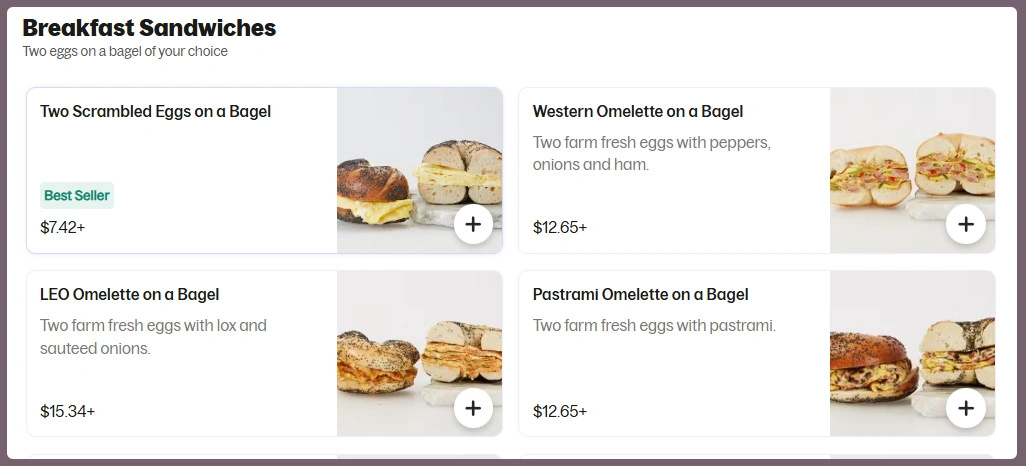
Restaurant-Level Data
- Name
- Category (North Indian, Chinese, Pizza, etc.)
- Address
- Geolocation
- Minimum order value
- Packaging charges
- Delivery time & fees
- Bestseller items
- Discounts
Menu-Level Data
- Item name
- Ingredients
- Price
- Meal size
- Veg/Non-Veg tag
- Add-ons
- Images
- Availability
- Ratings
Delivery & Operations Data
- Peak hours
- Surge fees
- Time slots
- Serviceable areas
- Reviews
- Ratings
- Complaints
- Popular dishes
This dataset fuels everything from dashboards to machine learning models.
How Food Delivery App Scraping Works
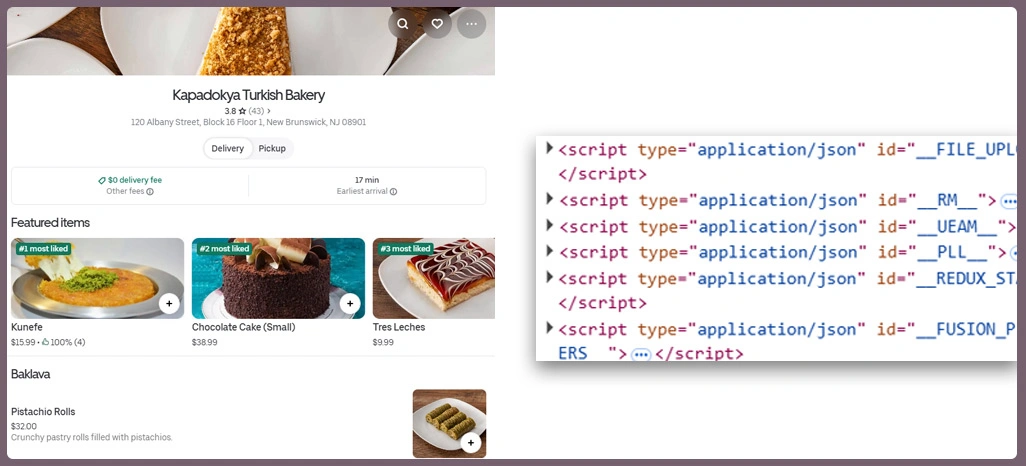
Below is a simplified workflow of how scraping tools extract data:
URL or API Discovery
Scrapers locate:
- Restaurant listing URLs
- Menu API endpoints
- Search results pages
Request Handling with Rotation
Food delivery apps track unusual traffic.
Scraping systems use:
- Rotating proxies
- Mobile IPs
- Device fingerprint rotation
- Header rotation
This ensures smooth extraction.
Parsing HTML/JSON Data
Data points like prices, menu items, and images are extracted from:
- HTML DOM
- App-based APIs
- JSON responses
Structuring & Cleaning Data
The system removes:
- Duplicate data
- Malformed entries
- Missing fields
Finally, it standardizes:
- Cuisines
- Prices
- Session tokens
Data Storage
Cleaned data is stored in:
- MongoDB
- PostgreSQL
- BigQuery
- Snowflake
Based on requirements.
Automatic Real-Time Refresh
Scraping frequency can vary:
- Every 10 minutes
- Every 30 minutes
- Hourly
- Daily
Depending on the use case.
Technical Challenges in Food Delivery App Scraping
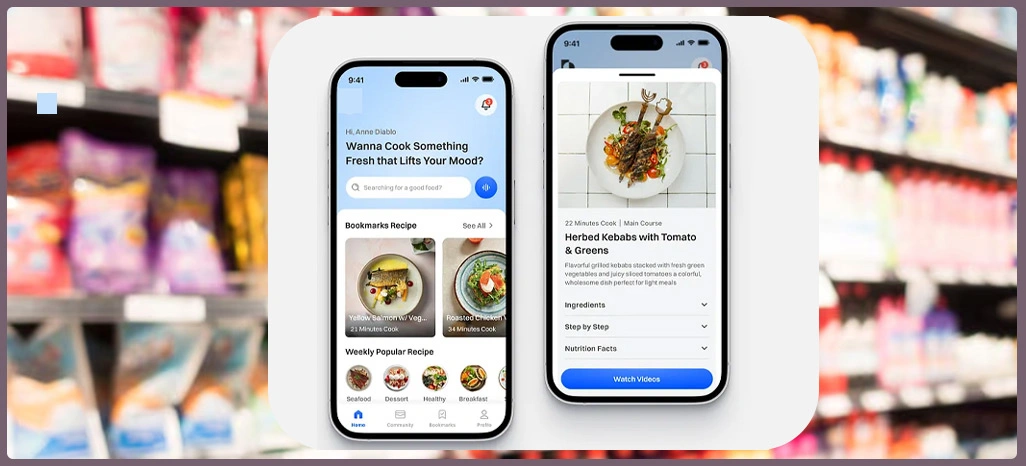
Scraping these platforms requires advanced handling due to:
Anti-Bot Detection
Food delivery apps use:
- Captchas
- Fingerprinting
- Rate limiting
Geo-Restriction
Menus differ by location. Accurate scraping requires:
- GPS simulation
- Pincode-based location injection
Dynamic Content
React/Angular-based pages need headless browser scraping.
Mobile-Only Menus
Platforms like Swiggy & Zomato use different data for app vs. web.
Real-Time Data Volume
Continuous price and menu updates require scalable infrastructure.
Real-Time Use Cases Across Industries
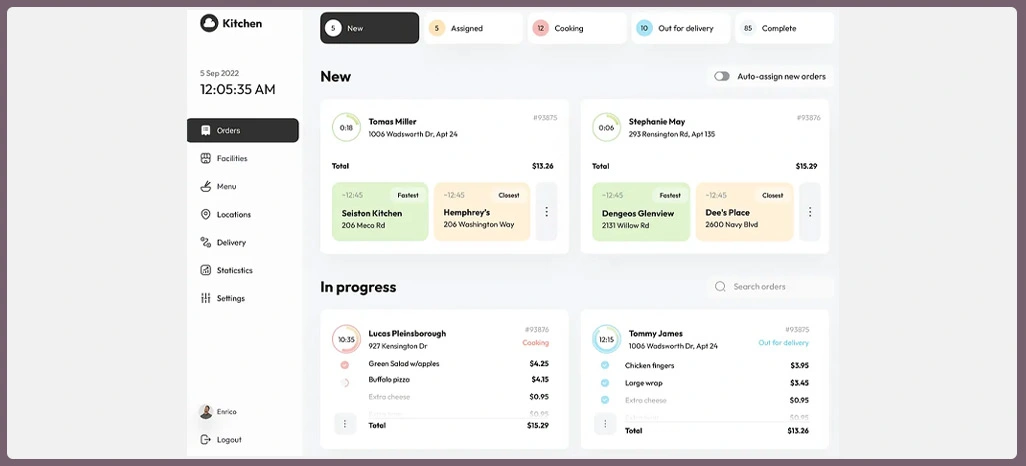
Food delivery data scraping helps multiple industries from restaurants to FMCG brands.
Cloud Kitchens
They use scraping to:
- Track pricing of competitors
- Identify trending cuisines
- Create optimized menus
- Detect zone-wise demand
Restaurant Chains
Chains like Domino’s, McDonald’s, etc. use scraping to:
- Compare prices across platforms
- Analyze customer reviews
- Ensure consistency in offerings
FMCG Brands
Brands track:
- Product availability
- Promotional placements
- Competitor launches
- Pricing across apps
Market Intelligence Firms
They build dashboards with:
- Menu analytics
- Price change alerts
- Restaurant health metrics
- Delivery performance
Delivery Aggregators
Even platforms themselves scrape competitors to:
- Evaluate pricing
- Study operational efficiency
- Benchmark offers
Food Bloggers & Media
Scraping provides:
- Trending food categories
- Top-rated restaurants
- High-performing cuisines
Advanced Applications of Food Delivery Data in 2025
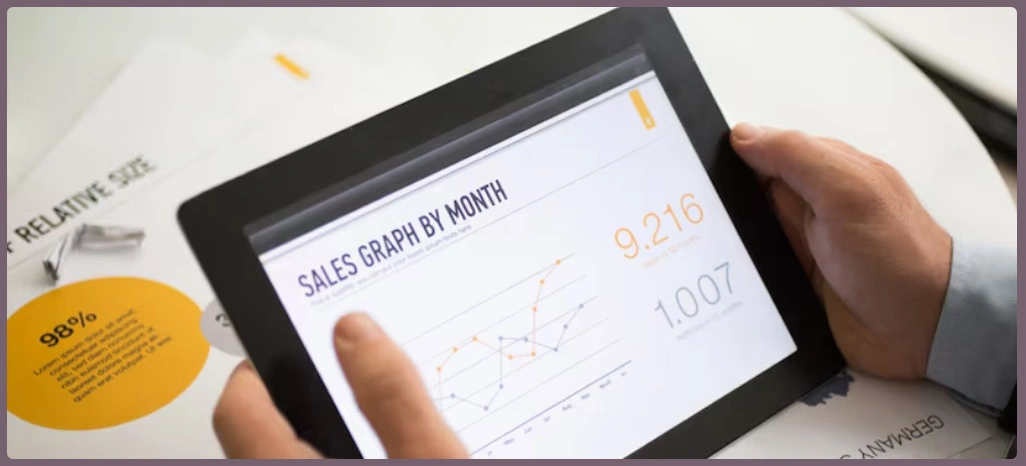
AI-Based Pricing Optimization
Scraped data feeds ML models that predict ideal menu pricing.
Demand Prediction Models
Real-time visibility into popular dishes helps forecasting.
Menu Engineering
Predict the best combinations, portion sizes, and upsells.
Geo-Mapping for Expansion
Heatmaps of order density help brands expand strategically.
Review Sentiment Analytics
Identify dissatisfaction trends before they escalate.
Track thousands of restaurants daily — automatically.
Why Food Delivery App Scraping Is the Future
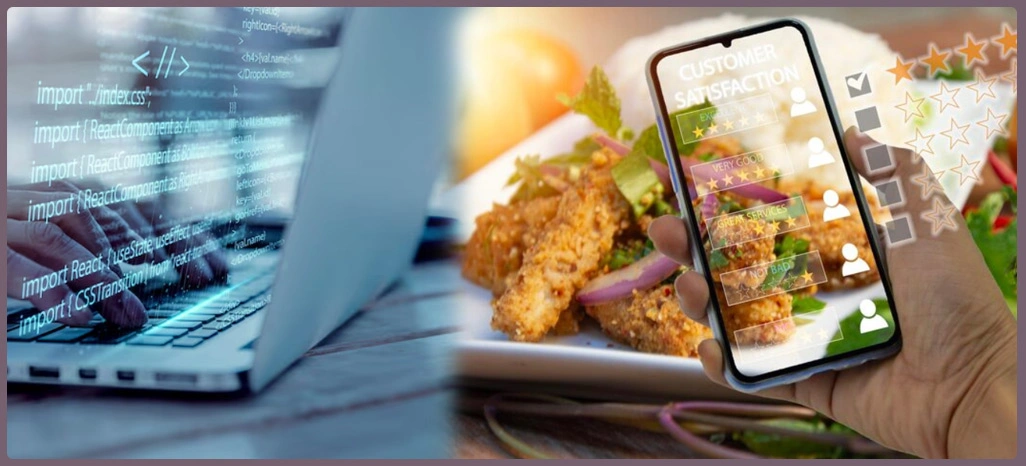
The delivery market is becoming:
- Faster
- More competitive
- More dynamic
Data-driven brands will dominate using:
- Real-time insights
- Automated analytics
- Instant competitor tracking
- AI-powered menu optimization
Food delivery scraping transforms the way brands operate — and will only grow in importance.
Conclusion
Food delivery app scraping is no longer optional — it’s essential for businesses that want to understand market behavior, monitor competitors, optimize pricing, and track customer preferences in real time.
Whether you’re a cloud kitchen, restaurant chain, FMCG brand, grocery startup, analytics company, or food-tech platform, scraping data from Swiggy, Zomato, Uber Eats, DoorDash, Deliveroo, and others provides unmatched insights into:
- Menu changes
- Pricing strategies
- Delivery charges
- Promotions
- Ratings & reviews
- Availability
- Trending dishes
- Market demand
For reliable, scalable, and real-time food delivery app scraping solutions, Retail Scrape offers industry-leading tools and APIs designed to extract restaurant, menu, pricing, and delivery intelligence from all major global platforms—helping your brand stay ahead in the fast-moving food delivery ecosystem.