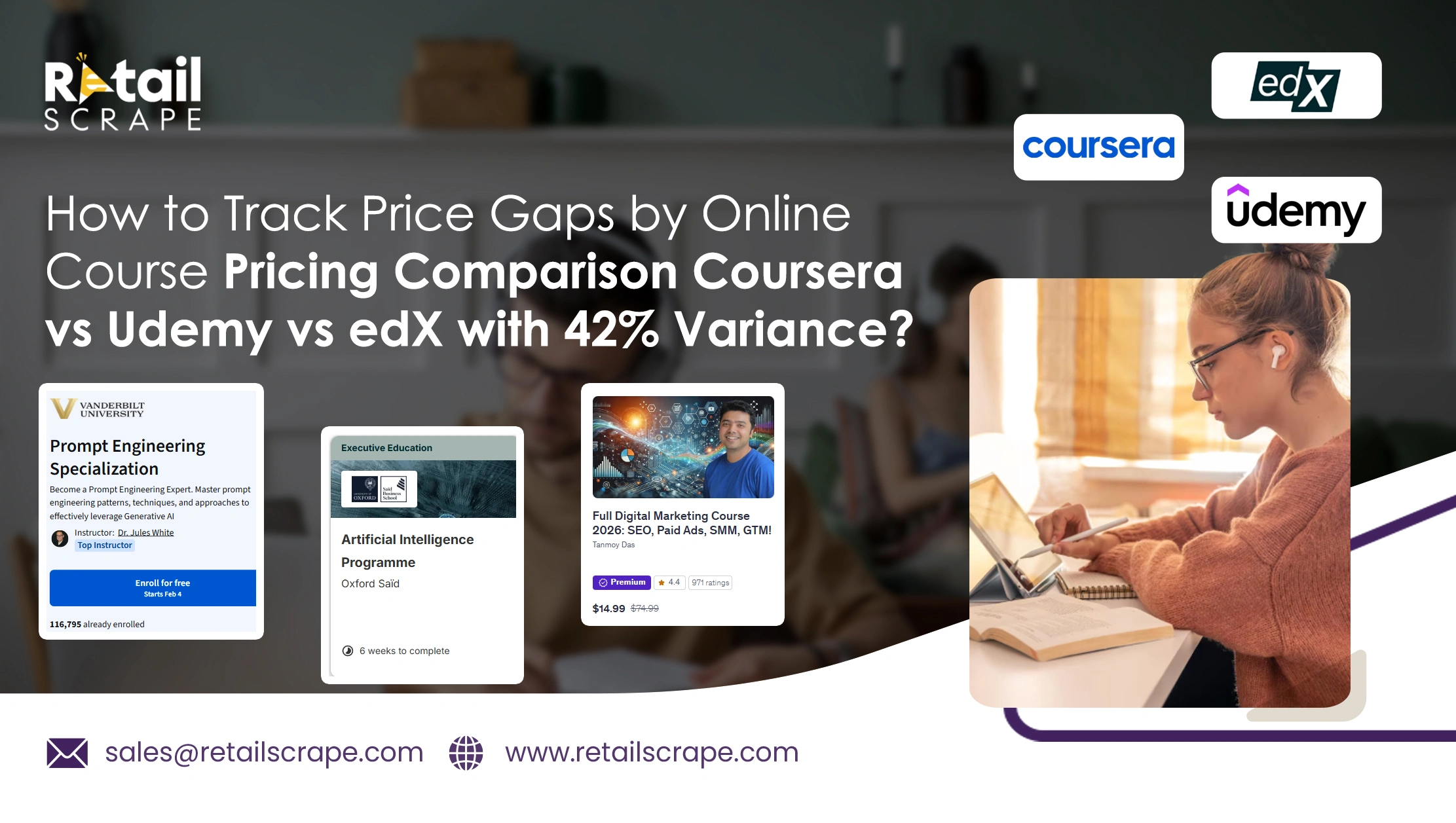
How to Track Price Gaps by Online Course Pricing Comparison Coursera vs Udemy vs edX with 42% Variance?
Introduction
Online learning has transformed how students, professionals, and enterprises build skills. Yet, the biggest confusion for learners is not about course quality, but pricing differences across major platforms. Coursera, Udemy, and edX often offer similar courses in categories like Data Science, Digital Marketing, Python, and Business Management, but their pricing models can differ sharply.
This is where Online Course Pricing Comparison Coursera vs Udemy vs edX becomes essential for cost-conscious learners. Many users unknowingly pay extra simply because they are not comparing platforms in real time. Subscription-based pricing, certificate add-ons, promotional discounts, and seasonal sales can shift pricing weekly or even daily.
For professionals purchasing multiple courses, even a small difference adds up quickly. For enterprises buying licenses for employees, the price gap can turn into thousands of dollars of overspending annually. This blog explains how to track price gaps with structured analysis, clear data tables, and practical comparison methods.
Understanding Why Course Costs Differ Widely
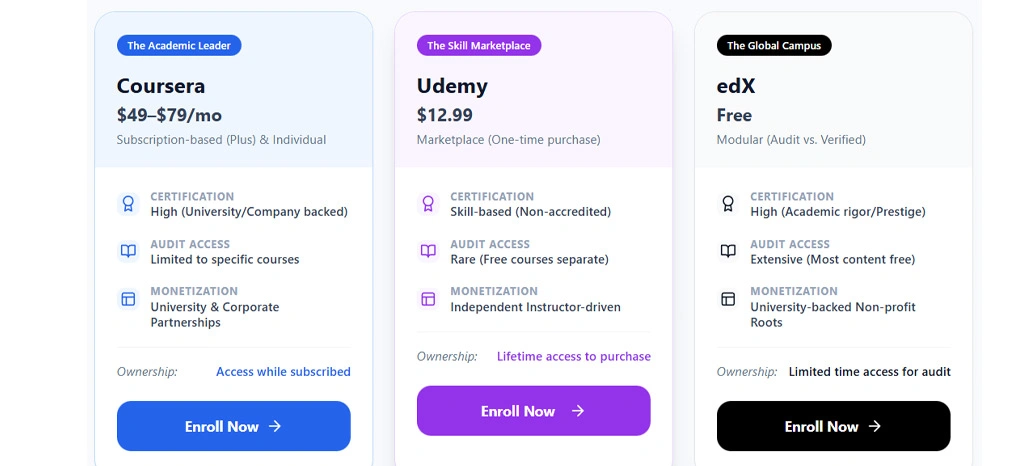
Online course pricing gaps often happen because each platform follows a unique monetization strategy. Some platforms price courses based on university partnerships, while others depend on instructor-driven models. These differences directly impact how learners evaluate affordability, certification value, and learning outcomes.
Many learners struggle to Track Online Course Pricing Coursera Udemy edX because prices change frequently due to seasonal promotions, regional offers, and platform-level subscription adjustments. Coursera typically uses subscription plans for specializations and certificates, while Udemy pushes aggressive discounting strategies where the listed price is rarely the final checkout price. edX usually allows audit access for free but charges more for verified certificates and professional tracks.
This is also why How Edtech Companies Analyze Competitor Pricing has become a standard strategy for platforms trying to maintain competitive advantage. Businesses compare learning format value, certificate credibility, and learner completion patterns to justify pricing models.
| Pricing Factor | Coursera | Udemy | edX |
|---|---|---|---|
| Discount Frequency | Medium | Very High | Low |
| Subscription Dependence | High | No | Medium |
| Certificate Cost Range | Medium | Low | High |
| Free Learning Option | Limited | No | Yes |
| Common Pricing Variance | 25%–40% | 15%–30% | 30%–42% |
Understanding Coursera vs Udemy vs edX Pricing requires evaluating not only the visible cost but also hidden expenses such as completion time, subscription extension, and certificate upgrades. Ultimately, pricing differences are not random. They reflect how each platform positions learning value and monetizes certification access.
Breaking Down Subscription And One-Time Models
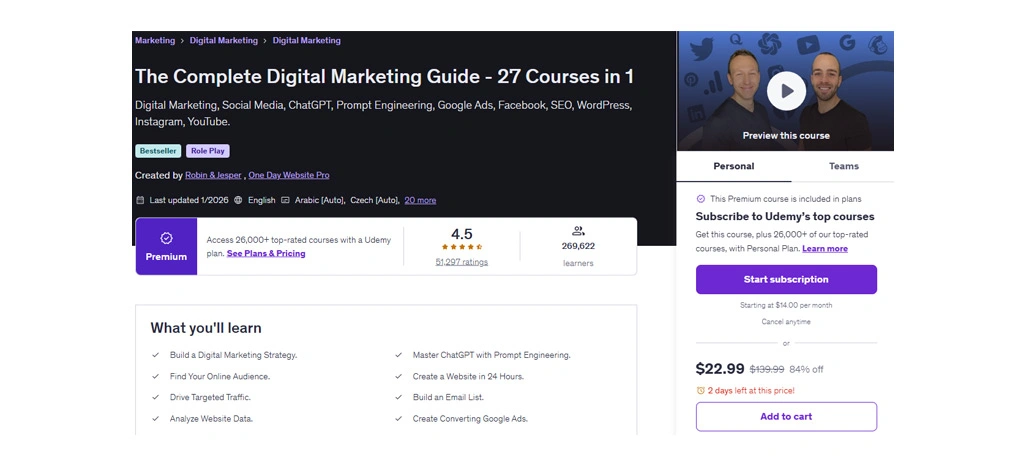
The biggest confusion for learners occurs when subscription-based learning is compared directly with single-course purchase models. Subscription plans appear cost-effective at first, but the total cost often increases when learners take longer to complete the program. This is why Subscription vs Course Pricing Analysis becomes critical for calculating the actual amount paid from enrollment to certification.
Coursera generally charges monthly fees for professional certificates and specializations. If a learner completes a program quickly, the subscription model can be affordable. However, slower completion often results in paying 25% to 35% more than expected. Udemy, on the other hand, relies heavily on limited-time discounts and flash sales, allowing learners to buy a full course at a fraction of the listed price.
This pricing structure is constantly shifting, making Dynamic Pricing Analysis for Online Courses a necessary method for understanding real-time market movement. Many platforms adjust pricing based on enrollment demand, category popularity, and regional purchasing power.
| Model Type | Cost Range | Suitable For | Main Risk |
|---|---|---|---|
| Monthly Subscription | ₹1,500–₹4,500 /month | Fast learners | Higher long-term spend |
| One-Time Course Purchase | ₹399–₹6,999 | Quick upskilling | Discount inconsistency |
| Verified Certificate Fee | ₹5,000–₹25,000 | Career recognition | Expensive credential add-on |
| Free Audit + Paid Upgrade | ₹0 + add-on cost | Knowledge seekers | Limited credential value |
This is why Comparing Certificate and Subscription Pricing Moocs is a practical way to evaluate both the learning access cost and the final credential value. A smarter comparison always includes certificate cost, learning timeline, and pricing stability before making a decision.
Creating A Practical Pricing Comparison Framework

A reliable pricing comparison requires more than checking listed prices. Learners must compare platforms based on structured evaluation points such as certification value, course depth, learning format, and total completion cost. Many people assume Udemy is always the cheapest option, but that is not always true when course quality, instructor credibility, and project-based learning outcomes are considered.
Organizations increasingly rely on Online Course Pricing Intelligence Solution models to build structured competitor monitoring systems. This allows businesses to track pricing changes across categories such as AI, data science, marketing, and programming while identifying which platform is influencing price shifts.
Pricing strategies are influenced by changing learner demand and competitive pressure. This is why Edtech Pricing Trends Analysis Using Scraped Data plays an important role in forecasting future price changes, understanding discount cycles, and identifying regional pricing differences. Without structured tracking, learners often make decisions based on temporary promotions rather than long-term affordability.
| Comparison Factor | Coursera | Udemy | edX |
|---|---|---|---|
| Certification Credibility | High | Medium | High |
| Structured Learning Path | High | Low | High |
| Pricing Stability | Medium | Low | High |
| Discount Volatility | Medium | Very High | Low |
| Career Impact Potential | Strong | Moderate | Strong |
| Audit Learning Access | Limited | No | Yes |
A clear comparison approach helps learners measure real return on investment and avoid unnecessary overpayment. By using a framework that includes cost, completion time, and credential value, learners and edtech brands can make smarter pricing-based decisions.
How Retail Scrape Can Help You?
Many learners and edtech professionals struggle because pricing is constantly changing, discounts vary by region, and subscription models shift without notice. This is where Online Course Pricing Comparison Coursera vs Udemy vs edX becomes far more effective when supported by automated tracking and structured data extraction across multiple platforms.
We Supports You With:
- Automated price monitoring across multiple course platforms.
- Continuous tracking of certification fee changes.
- Regional pricing capture for better comparison accuracy.
- Structured datasets for analytics and reporting.
- Historical pricing trend storage for forecasting.
- Customized alerts for pricing drops and subscription shifts.
With this approach, organizations can apply How to Track Online Course Pricing Using Web Scraping Services to create reliable cost comparisons and improve education budget planning.
Conclusion
A structured Online Course Pricing Comparison Coursera vs Udemy vs edX helps identify whether a course is truly affordable, whether certification is included, and whether subscription costs may inflate total spending over time.
The smartest approach is to compare certificate value, subscription duration, and discount behavior patterns using Subscription vs Course Pricing Analysis to measure the actual completion cost. Contact Retail Scrape now to start tracking real-time course pricing gaps with precision.