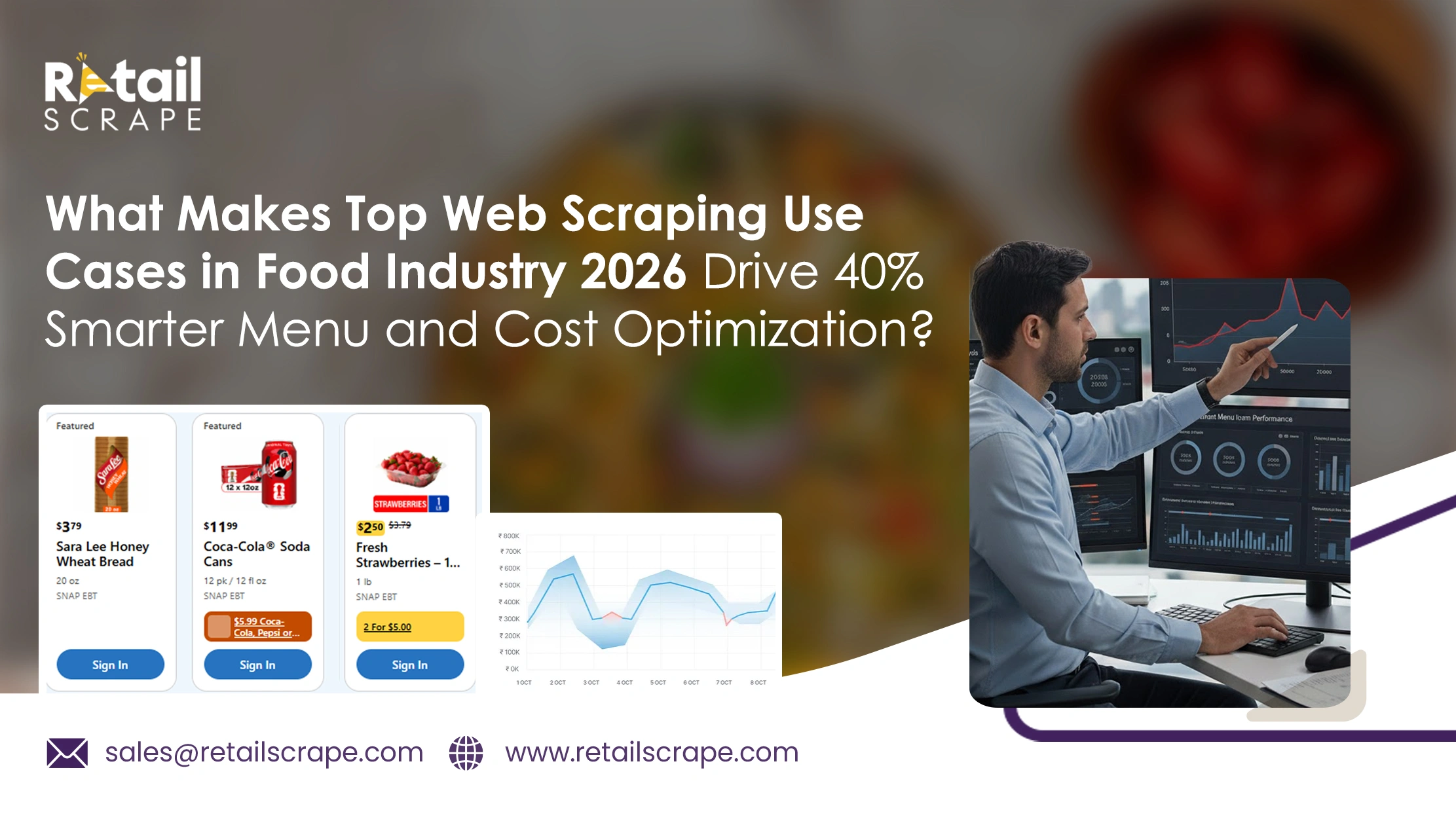
What Makes Top Web Scraping Use Cases in Food Industry 2026 Drive 40% Smarter Menu and Cost Optimization?
Introduction
The global food industry in 2026 is operating in an environment where pricing volatility, shifting consumer preferences, and supply-side disruptions are no longer occasional challenges but daily realities. Restaurants, grocery chains, cloud kitchens, and FMCG brands are under constant pressure to respond faster while protecting margins.
This is where Web Scraping in Food Industry operations are redefining how data is collected, analyzed, and applied. By extracting structured insights from food delivery platforms, grocery apps, supplier listings, and consumer review channels, businesses are replacing assumptions with evidence-based strategies. Industry surveys in 2025 showed that food brands using automated external data sources reduced pricing errors by 28% and improved menu performance accuracy by over 35%.
Organizations adopting Top Web Scraping Use Cases in Food Industry 2026 are not only responding to market changes but shaping them. From real-time cost optimization to demand-driven menu planning, scraping-powered intelligence is enabling smarter, faster, and more profitable decisions across the food value chain.
How Real-Time Market Data Helps Control Price Fluctuations?
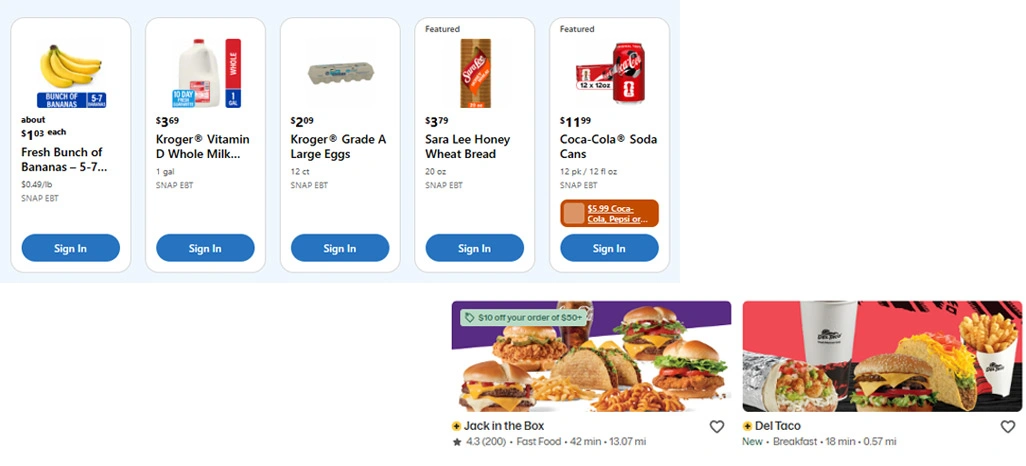
Price volatility continues to challenge food businesses, affecting margins and operational efficiency. Unpredictable changes in raw material costs, regional competitor pricing, and seasonal demand shifts can disrupt revenue streams. Businesses that fail to monitor these changes risk losing both profit and market share.
Food Price Monitoring Using Web Scraping provides real-time insights into thousands of SKUs across delivery platforms, grocery apps, and local marketplaces. Combining this with Restaurant and Grocery Price Monitoring Using Scraped Data allows businesses to align pricing strategies across dine-in, takeaway, and retail operations efficiently.
| Challenge | Data Source | Business Impact |
|---|---|---|
| Sudden price spikes | Grocery apps | Quick adjustment of prices |
| Competitor undercutting | Delivery platforms | Protects profit margins |
| Regional price differences | Local marketplaces | Enables location-specific pricing |
| Promotion overlaps | Aggregator platforms | Reduces discount leakage |
Additionally, Food Price and Demand Analysis Using Web Scraping helps correlate pricing changes with consumer demand patterns. Companies using this approach achieved a 28–32% improvement in pricing decisions, reducing revenue leakage. Integrating this intelligence into operational workflows allows organizations to forecast trends, optimize menu pricing, and improve customer satisfaction.
Improving Forecast Accuracy Through Consumer Behavior Insights
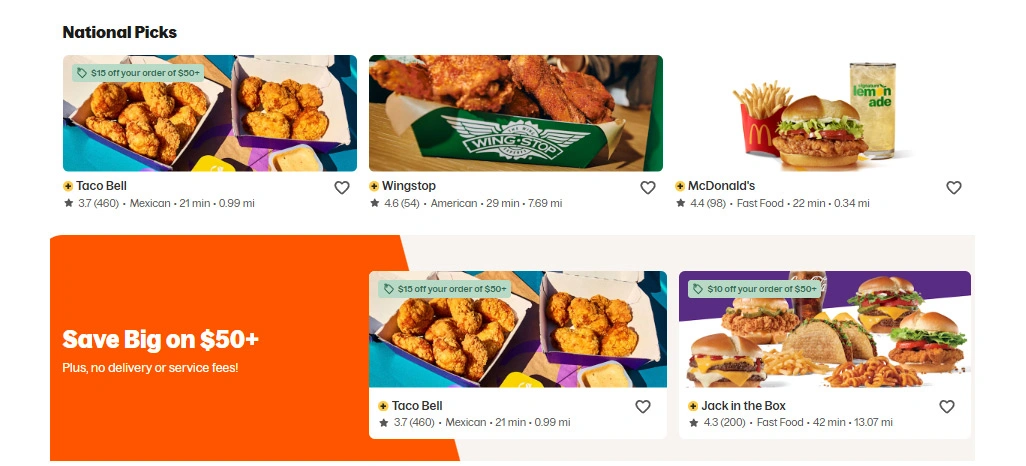
Accurately predicting demand remains one of the most critical challenges for restaurants, grocery chains, and FMCG brands. Overproduction leads to waste, while underproduction risks lost revenue and dissatisfied customers. Relying solely on historical sales data can result in inaccurate forecasts, as it fails to account for real-time consumer preferences and trends.
By using Food Delivery Market Insights Using Web Scraping, organizations can access live data from menus, delivery patterns, and regional customer behavior. This data, when integrated through a Web Scraping API for Food Industry Data, ensures smooth and automated incorporation into existing analytics platforms, reducing manual reporting and improving forecast reliability.
| Signal Type | Platform Source | Forecast Benefit |
|---|---|---|
| Popular menu items | Delivery apps | Smarter menu adjustments |
| Peak ordering times | Aggregator platforms | Improved staffing schedules |
| Regional preferences | Location-specific listings | Localized offerings |
| Consumer feedback trends | Review portals | Anticipates demand shifts |
Moreover, How Web Scraping Transforms Food Industry Analytics allows brands to combine pricing, promotions, and order trends for predictive insights. For example, forecasting can now anticipate seasonal spikes or special event surges, reducing waste by 25–30%. Organizations adopting this method are better equipped to match supply with real demand, enhancing operational efficiency and customer satisfaction.
Optimizing Supply Chain Decisions Using External Intelligence
Supply chain inefficiencies often arise from limited visibility into supplier pricing, stock availability, and market-wide sourcing trends. Depending solely on internal procurement data can leave businesses vulnerable to shortages, unexpected cost increases, and delivery delays. Leveraging external intelligence helps procurement teams plan more effectively and negotiate better terms.
Understanding the Role of Data Scraping in Food Supply Chain enables organizations to monitor wholesale listings, supplier availability, and regional sourcing trends in real-time. When combined with Food Intelligence Using Web Scraping Solutions, this approach helps procurement teams identify alternative suppliers, track ingredient trends, and respond to market disruptions promptly.
| Insight | Scraped Source | Operational Advantage |
|---|---|---|
| Ingredient price trends | Wholesale portals | Accurate cost forecasting |
| Supplier availability | B2B marketplaces | Prevents shortages |
| Regional sourcing patterns | Local listings | Faster procurement decisions |
| Market disruptions | News alerts | Proactive risk mitigation |
By integrating these external insights, organizations can improve negotiation power and maintain stable supply operations. With better visibility into market trends and supplier performance, businesses can control costs more effectively, minimize wastage, and strengthen overall operational efficiency, supporting long-term growth.
How Retail Scrape Can Help You?
Food businesses in 2026 require scalable, accurate, and compliant data solutions to convert external information into measurable performance gains. By embedding Top Web Scraping Use Cases in Food Industry 2026 into operational workflows, we enable faster insights, reduced manual effort, and higher decision confidence.
What you get with us:
- Real-time external data pipelines built for food platforms.
- Scalable architectures supporting multi-location operations.
- Clean, structured datasets ready for analytics tools.
- Secure and compliant data collection processes.
- Custom dashboards aligned with business KPIs.
- Flexible integration with internal systems.
In the final stage, businesses can further accelerate intelligence delivery using the Food Scraping API, ensuring continuous access to actionable market signals without operational overhead.
Conclusion
The food industry’s shift toward data-first decision-making is no longer optional. Businesses applying Top Web Scraping Use Cases in Food Industry 2026 are consistently outperforming competitors through smarter pricing, accurate demand planning, and resilient supply strategies.
At the same time, How Web Scraping Transforms Food Industry Analytics is redefining how insights are generated and applied across the value chain. If your organization is ready to convert external data into real operational advantage, now is the time to act—partner with Retail Scrape and turn market intelligence into measurable growth.