


How Can Zomato and Swiggy Menu Data Scraping Transform Restaurant Pricing and Competitor Analysis?
Introduction
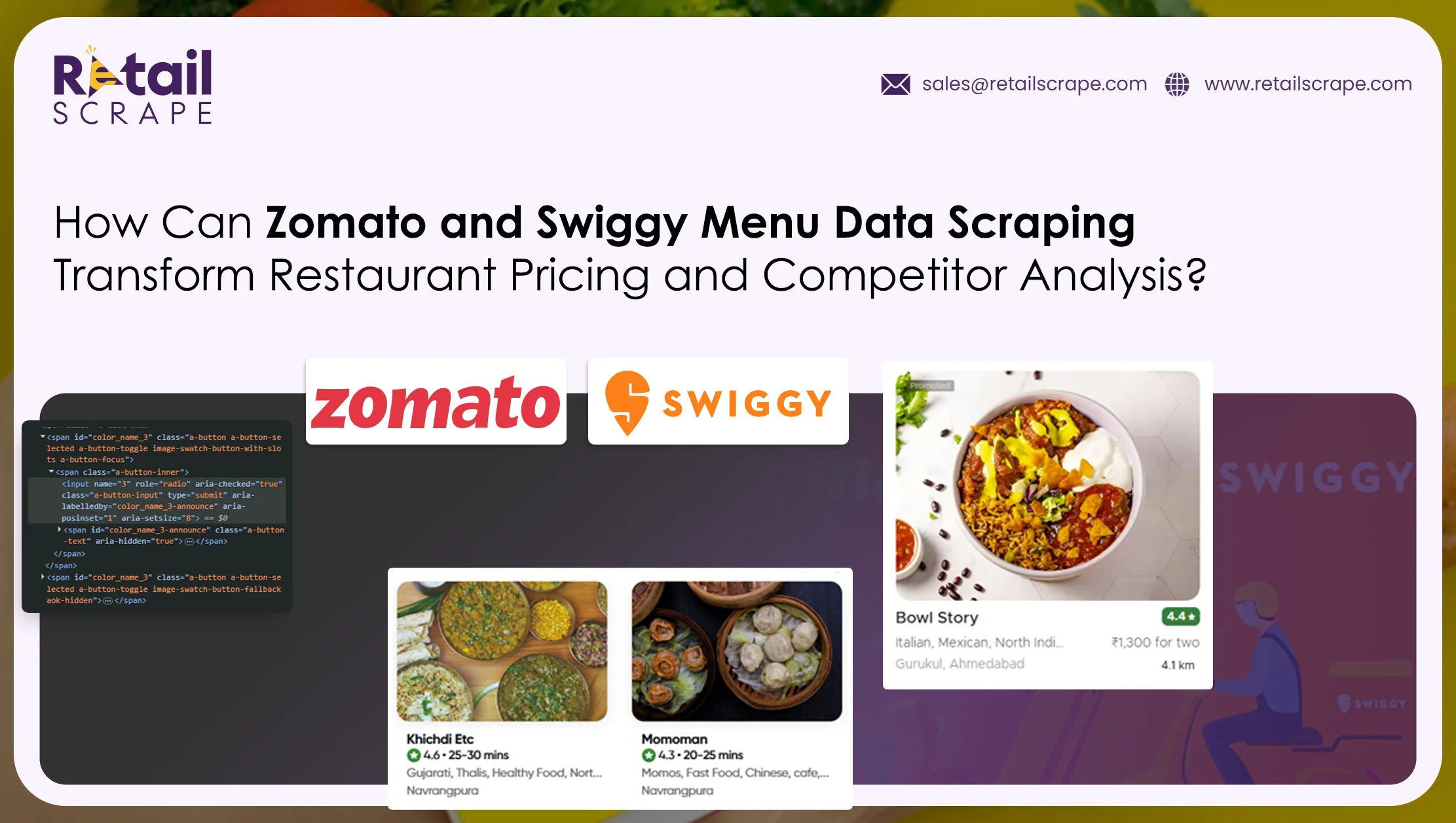
The Indian food delivery sector has become intensely competitive, making real-time market intelligence essential for cloud kitchens and restaurant chains. Implementing Zomato and Swiggy Menu Data Scraping empowers food brands to track dynamic dish pricing, promotional discounts, and regional menu shifts across major metropolitan hubs without manual research delays.
Relying on outdated spreadsheets often leads to mispriced dishes and shrinking profit margins during peak ordering hours. Integrating a structured Zomato Restaurant Data API allows culinary operators to capture accurate item-level details, restaurant ratings, and delivery radius metrics directly into their internal analytics dashboards for faster commercial decisions.
When businesses automate Food Delivery Restaurant Menu Data Collection, they gain immediate visibility into hyperlocal consumer preferences and competitor combos. This systematic approach eliminates guesswork, ensuring every menu update, seasonal launch, or surge pricing adjustment aligns with verified market benchmarks across Tier-1 and Tier-2 Indian cities.
Optimizing Dynamic Dish Rates Using Real Time Aggregator Benchmarks
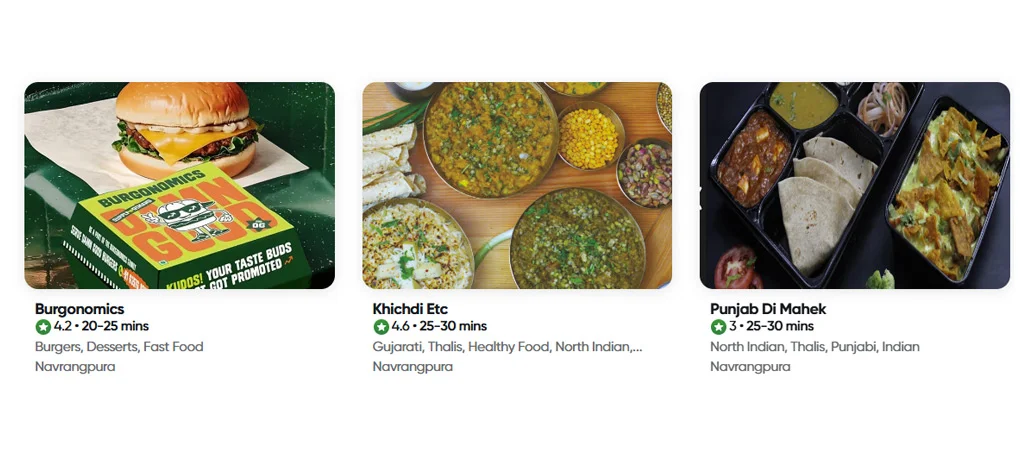
Maintaining profitable margins while staying attractive to price-sensitive diners requires continuous visibility into local market rates across major metropolitan cities. Food delivery platforms frequently adjust service charges, packaging fees, and promotional banners, which directly impacts how customers perceive overall order value. By deploying Automated Restaurant Menu Price Monitoring, restaurant managers can observe exact price fluctuations across competing outlets in the same neighborhood and adjust their own dish rates before losing valuable order volume.
Industry benchmarks in 2026 indicate that cloud kitchens utilizing structured Restaurant Menu Price Monitoring experience up to a 16% improvement in gross order margins compared to peers relying on manual checks. Tracking combo meal pricing during weekend dinner rushes reveals when rivals inflate base prices before applying flat discount codes. Conducting consistent Swiggy Dish Price Tracking ensures your menu remains competitively positioned across every delivery zone, preventing unnecessary discounting while maximizing average order value during high-demand evening windows.
- Track competitor price hikes during weekend dinner rushes and public holidays
- Identify hidden packaging fee adjustments across nearby cloud kitchen outlets
- Measure discount depth and minimum order thresholds used by top rivals
- Adjust high-margin side dishes dynamically without eroding core meal profitability
| Pricing Metric | Manual Tracking | Automated Extraction | Impact on Margin |
|---|---|---|---|
| Update Frequency | Weekly or Monthly | Real-Time / Hourly | +14% Revenue Retention |
| SKU Coverage | 50–100 Dishes | 50,000+ Dishes | 99.4% Pricing Accuracy |
| Discount Visibility | Delayed by 48 Hours | Instant Detection | +18% Promo ROI |
| City-Level Granularity | Limited to 1–2 Zones | Pan-India Pincodes | 3x Faster Expansion |
Granular visibility into hyperlocal pricing enables culinary brands to defend market share without sacrificing unit economics. Rather than reacting weeks later to declining order counts, revenue teams receive immediate alerts whenever key competitors launch aggressive flash sales or revise staple item prices.
Ultimately, replacing manual spreadsheet audits with automated intelligence creates a disciplined pricing framework. Operators gain the confidence to test subtle price increases on bestsellers while keeping entry-level items sharp enough to win first-time diners.
Decoding Competitor Culinary Offerings and Regional Combo Bundling Strategies
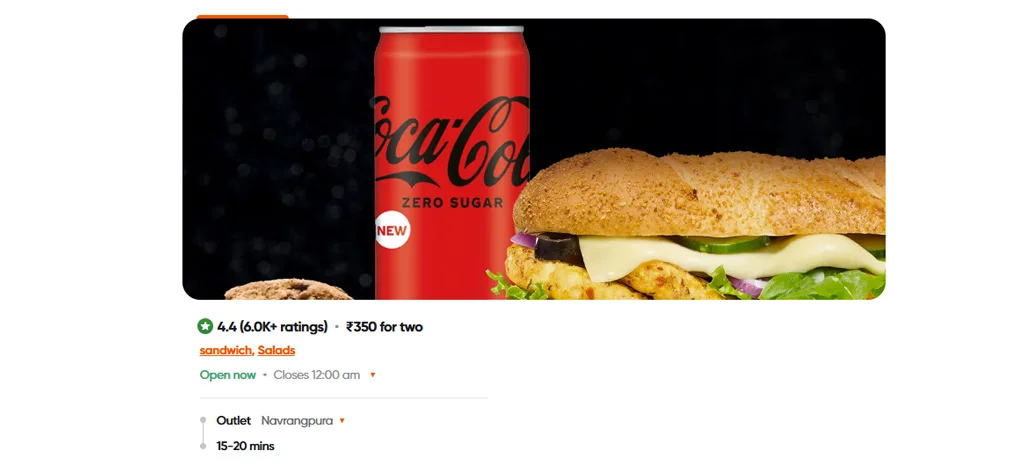
Understanding what competitors sell—and how they bundle high-margin beverages or sides—is critical for effective culinary engineering across diverse neighborhoods. Through Swiggy Restaurant Data Extraction, food brands can analyze thousands of competing menus to identify trending cuisines, top-rated bestsellers, and gaps in local culinary offerings. Instead of launching new dishes blindly, culinary teams can validate demand by studying customer review counts, item availability statuses, and preparation time estimates across multiple pin codes.
Recent food-tech analytics show that 68% of repeat orders on Indian delivery platforms are driven by curated value meals and localized menu adaptations. While a standard public Swiggy API restricts bulk competitive intelligence, enterprise extraction pipelines structure raw listing data into clean, actionable datasets. Implementing Restaurant Competitor Menu Price Tracking India gives multi-outlet brands a clear blueprint of which regional dishes command premium pricing in Bengaluru versus Delhi NCR, allowing leadership to tailor menus specifically to neighborhood purchasing power.
- Spot trending regional flavors and dietary tags gaining rapid customer reviews
- Analyze beverage and dessert attach rates inside top-performing meal bundles
- Monitor rival out-of-stock patterns to capture unmet demand during peak hours
- Benchmark portion sizes and add-on customization tiers across competing kitchens
| Menu Intelligence Factor | Key Data Points Extracted | Strategic Business Application |
|---|---|---|
| Assortment Depth | Veg vs. Non-Veg Ratios, Vegan Tags | Identify underserved dietary niches |
| Combo Engineering | Meal Bundles, Add-On Pricing | Increase Average Order Value (AOV) |
| Stock Availability | Out-of-Stock Timestamps | Capitalize on rival supply shortages |
| Customer Sentiment | Dish Ratings, Review Volume | Refine recipes and portion sizes |
Studying how top-rated restaurants structure their digital storefronts reveals subtle psychological triggers that drive higher cart values. From strategic category ordering to persuasive dish descriptions, every detail contributes to conversion rates on crowded mobile screens.
Armed with comprehensive assortment insights, culinary directors can eliminate underperforming SKUs that slow down kitchen prep times. Focusing resources on proven flavor profiles and smartly priced combos builds stronger customer loyalty and healthier kitchen throughput.
Scaling Multi City Expansion Through Verified Local Demand Intelligence
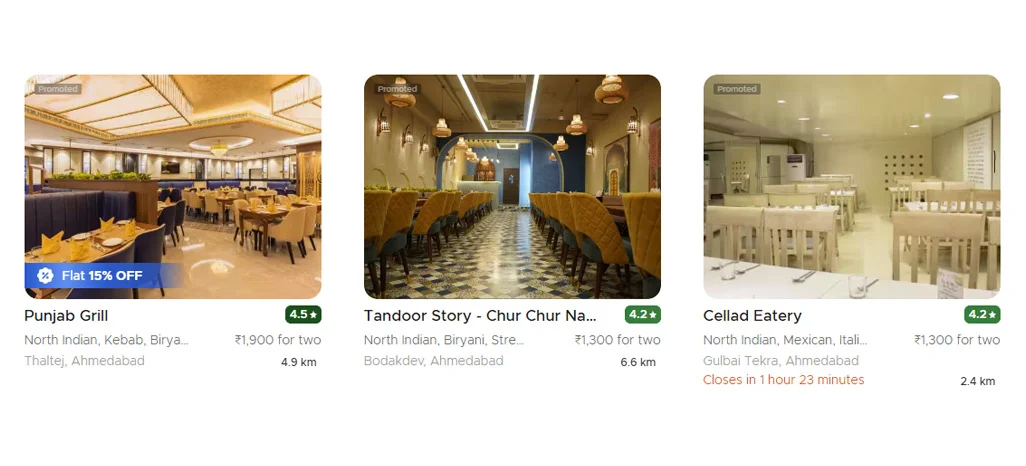
Expanding a restaurant brand into new cities or dark-store clusters carries significant financial risk without verified local demand data. Integrating a reliable Restaurant Menu Data Extraction API in India enables strategy teams to map restaurant density, cuisine saturation, and average delivery fees across hundreds of localities before signing a single lease. Access to structured Zomato and Swiggy Restaurant Data API feeds transforms raw aggregator listings into predictive expansion models.
Data from 2026 hospitality reports demonstrates that brands leveraging Price Tracking Services reduce new-market launch failures by 32% through accurate demand forecasting. By evaluating competitor rating distributions and top-performing menu categories across target pin codes, operations leaders can pinpoint high-potential neighborhoods with strong order frequency and low competition. This data-backed approach accelerates break-even timelines and ensures consistent unit economics across every new kitchen location.
- Evaluate active kitchen density per square kilometer before selecting dark-store sites
- Compare median cuisine pricing across Tier-1 metros and emerging Tier-2 hubs
- Forecast customer acquisition costs based on local promotional discount frequency
- Identify high-demand neighborhoods underserved by quality specialty food brands
| Expansion Parameter | Pre-Launch Data Insight | Measurable Business Outcome |
|---|---|---|
| Competitor Density | Active Kitchens per Sq. Km | Avoid oversaturated delivery zones |
| Category Pricing | Median Price per Cuisine Type | Set optimal launch menu rates |
| Delivery Economics | Average Delivery Time & Fees | Optimize dark-kitchen placement |
| Promotional Intensity | Frequency of BOGO & Flat Discounts | Forecast customer acquisition costs |
Entering a new geographic market requires aligning launch menus with established local price ceilings and delivery expectations. Overpricing signature items in a value-driven locality can stall initial traction, while underpricing in affluent zones leaves substantial revenue on the table.
By grounding site selection and menu localization in empirical marketplace records, expansion teams eliminate costly trial-and-error cycles. Every new kitchen opens with a calibrated assortment, competitive delivery radius, and realistic revenue projections from day one.
How Retail Scrape Can Help You?
Building an in-house web scraping infrastructure to bypass anti-bot protections and parse frequent layout updates consumes valuable engineering hours. Adopting Zomato and Swiggy Menu Data Scraping through us eliminates maintenance headaches by delivering clean, ready-to-use restaurant datasets directly to your cloud storage or analytics pipeline.
Our specialized Food Data Scraping architecture handles proxy rotation, geo-location targeting, and automated schema validation at enterprise scale.
- Custom geo-targeted extraction covering every major Indian city and hyperlocal pin code
- Real-time tracking of dish prices, taxes, packaging charges, and active promotional offers
- High-frequency data delivery in structured JSON, CSV, or Excel formats via webhook or API
- Automated monitoring of restaurant ratings, review counts, and live stock availability
- Dedicated infrastructure built to adapt instantly to platform UI and structure updates
- 9% data accuracy backed by multi-stage quality assurance and anomaly detection
Partnering with us empowers restaurant chains, FMCG brands, and market research firms to turn public delivery listings into a decisive commercial advantage. By combining historical pricing trends with Restaurant Competitor Menu Price Tracking India, our managed solutions provide the clarity needed to optimize margins and outperform local rivals effortlessly.
Conclusion
Navigating the fast-moving Indian food delivery market requires accurate, timely intelligence rather than periodic manual audits. Incorporating Zomato and Swiggy Menu Data Scraping into your daily pricing and menu engineering workflows ensures your brand responds immediately to competitor discounts, regional demand shifts, and category trends.
Deploying Automated Restaurant Menu Price Monitoring allows your team to protect margins, refine combo offerings, and scale confidently across new cities without guesswork. Contact Retail Scrape today to schedule a free consultation and get a custom sample dataset tailored to your target cities.