


What Makes Swiggy Menu Data API Useful for Tracking Restaurant Prices, Special Offers and Discounts?
Introduction
The online food delivery landscape in India is rapidly changing, driven by shifting consumer preferences and dynamic pricing models. To thrive in this environment, businesses require continuous access to hyper-local food catalog information and pricing structures across multiple regional markets. Implementing robust Food Delivery Price Tracking India strategies allows platforms to understand market adjustments in real time without manual data collection hurdles.
Modern aggregator platforms adjust item baseline rates, add delivery fees, and modify surge charges based on peak order hours. Tracking these constant micro-fluctuations manually is nearly impossible for market analysts. Leveraging automated data solutions bridges the operational gap by delivering accurate listings directly from active delivery applications to your internal analytical dashboards seamlessly.
Integrating the Swiggy Menu Data API provides businesses with structured visibility into real-time menu modifications, promotional price shifts, and local market trends. By leveraging this granular data stream, food tech platforms, ghost kitchens, and hospitality brands can optimize their operational decisions and stay aligned with changing consumer demands.
Continuous Tracking of Dynamic Restaurant Prices Across Locations
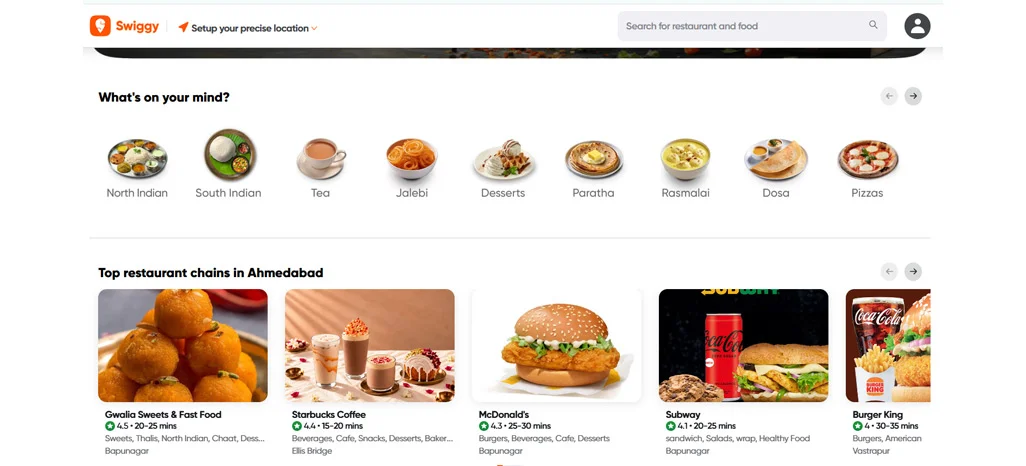
Monitoring dynamic menu pricing across multiple delivery nodes demands continuous analytical oversight. Delivery platforms alter item pricing and extra charges continuously based on localized demand, active delivery radius, and time of day. Utilizing direct data access via the Swiggy API provides technical teams with direct access to accurate catalog rates without running into rate-limiting constraints or processing unstructured raw formats.
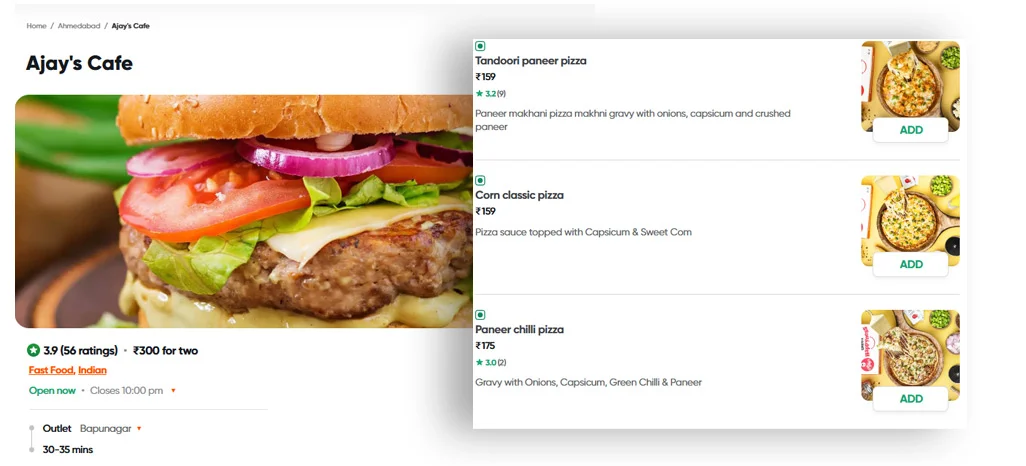
Enterprise platforms must maintain visibility over both published prices and secondary fulfillment charges. Incorporating consistent Swiggy Menu Price Monitoring workflows enables analysts to break down baseline menu costs, packaging fees, and dynamic surge additions across distinct postal codes. This granular visibility helps businesses establish competitive pricing baselines while measuring real-world consumer expenditure accurately.
Market leaders rely on organized data streams to compare regional price variances across competing food brands. Implementing a dedicated Swiggy Food Price Data API feed empowers platforms to aggregate dish-level prices automatically, ensuring market expansion strategies, dark kitchen menu positioning, and product pricing models remain adaptive and profitable.
To effectively process complex pricing matrices across multiple locations, data architectures prioritize several operational pillars:
- Automated extraction of baseline item rates across multiple postal codes simultaneously.
- Real-time calculation of variable fees, including packaging and delivery surcharges.
- Historical price mapping to identify macro-economic inflation trends across culinary categories.
- Instant alert generation when key competitors modify core item prices.
| Metric Type | Aggregator Listing | Extracted Insights | Strategic Impact |
|---|---|---|---|
| Base Price | Standard menu rate | Real-time variations | Detect rate changes |
| Combo Bundle | Display price | Variant cost breakdown | Identify margins |
| Fulfillment Fee | Variable estimate | Multi-variable tracking | Benchmark final cost |
Live Monitoring of Promotional Campaigns and Discounted Offerings
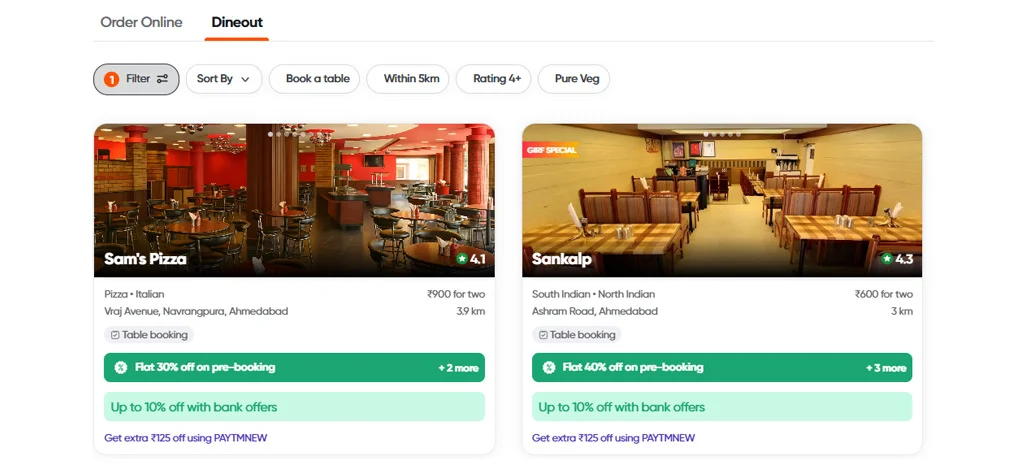
Promotional campaigns on delivery applications change rapidly to capture customer order volumes during peak dining hours. Tracking temporary price markdowns, percentage discounts, flat deals, and loyalty programs gives vital insight into competitor retention strategies. Using continuous Swiggy Food Data Scraping pipelines allows market intelligence teams to log active promotional schedules across thousands of restaurant partners effortlessly.
Isolating actual baseline rates from short-term promotional discounts is critical for accurate market research. Deploying a specialized Swiggy Discount Monitoring API feed gives business intelligence tools the ability to parse raw menu listings, separate standard pricing from transient promo deals, and calculate true merchant profit margins across varied dining sectors.
Evaluating merchant discount behavior over extended periods exposes strategic patterns. Maintaining consistent Swiggy Offers and Discounts Tracking mechanisms helps commercial teams track aggressive promotional spending during major holidays, sporting events, or regional festivals, allowing brand managers to adjust their own marketing budgets accordingly.
Analyzing promotional dynamics across delivery channels requires tracking several specific promotional structures:
- Flat discount vouchers applied at final order checkout windows.
- Merchant-funded percentage markdowns on select menu categories.
- Buy-one-get-one deals designed to clear excess kitchen inventory.
- Free item add-ons triggered by specific minimum cart thresholds.
| Deal Type | Activation Window | Data Value | Commercial Goal |
|---|---|---|---|
| Flat Amount Off | Peak order hours | High | Identify price drops |
| Percentage Promo | Weekend cycles | Medium | Gauge margin sharing |
| BOGO Offer | Off-peak hours | Very High | Track clearance sales |
Comprehensive Evaluation of Menu Assortment and Category Trends
Culinary establishments regularly update their offerings by adding seasonal items, removing slow-moving dishes, and altering combo configurations. Tracking these frequent catalog adjustments provides clear indicators of shifting consumer preferences and ingredient demand patterns. Accessing structured Swiggy Food Delivery Datasets allows retail systems to automatically spot regional menu trends across extensive restaurant networks.
In-depth catalog evaluation requires extracting detailed metadata alongside basic item names and prices. Utilizing automated Swiggy Restaurant Menu Data Extraction processes helps research teams map local culinary trends by tracking changes in dish descriptions, dietary tags, ingredient customizations, and customer review scores over time.
Establishing comprehensive market visibility ensures commercial platforms maintain long-term competitive advantages. Integrating a robust Restaurant Menu Pricing Intelligence API feed gives analysts the data foundation needed to evaluate product gaps, introduce trending cuisine categories, and optimize menu assortments effectively.
Modern catalog engineering workflows rely on systematically extracting and analyzing core menu metrics:
- Categorization tracking for emerging dietary choices like vegan or gluten-free.
- Add-on variant parsing to analyze upsell structures and customization costs.
- Stock availability monitoring to detect frequent out-of-stock menu items.
- Regional taste mapping based on seasonal dish additions and removals.
| Analysis Area | Extracted Data Point | Operational Benefit |
|---|---|---|
| Category Growth | New item additions | Identify trending cuisines |
| Customizations | Add-on option lists | Analyze upsell depth |
| Item Retention | Delisted menu items | Spot low-performing dishes |
By running structured Swiggy Restaurant Price Comparison workflows, commercial teams can map their relative price positioning directly against local competitors to capture under-served market segments efficiently.
How Retail Scrape Can Help You?
Extracting large-scale menu data continuously requires resilient scraper infrastructure capable of handling dynamic layouts, geolocation parameters, and anti-bot measures. Integrating our custom Swiggy Menu Data API allows your engineering team to bypass these technical hurdles, providing automated delivery of clean, structured datasets directly to your analytics pipeline.
- Custom web extraction pipelines built specifically for complex food delivery platforms.
- Automated IP rotation and proxy management for uninterrupted data streams.
- Flexible data formats available in JSON, CSV, or direct database feeds.
- High-frequency updates configured to track hourly price shifts and promo changes.
- Geo-targeted extraction capabilities covering multiple city zones and postal codes.
- Fully compliant and scalable enterprise scraping solutions tailored to your operational scale.
Our team specialized solutions, utilizing an automated Swiggy Scraper, ensure your business receives high-quality feeds to maintain pricing visibility across target regions seamlessly.
Conclusion
Building competitive food strategies relies on consistent access to live marketplace data across varied geographic sectors. Enterprise teams using the reliable Swiggy Menu Data API gain continuous access to clean, structured pricing data, ensuring fast alignment with active market shifts and promotional campaigns.
Integrating modern Swiggy Restaurant Price Comparison tools provides actionable market clarity, helping your business optimize menu pricing, improve profit margins, and capture market share; connect with Retail Scrape today to power your analytical platforms with real-time delivery data feeds.