


How Can Fashion Catalogue Scraping Reveal Trends Across H&M Saudi, Zalando Germany and D2C Brands?
Introduction
Global retail intelligence requires continuous monitoring of dynamic consumer trends across international borders. Operating effectively in multi-region environments demands access to accurate market signals and structured inventory details. Leveraging automated Fashion Catalogue Scraping allows localized retail teams to track competitor movements, monitor assortment expansions, and align seasonal collections with actual consumer demand patterns seamlessly.
Analyzing regional pricing variations highlights clear structural differences between legacy European platforms and rapidly growing Middle Eastern marketplaces. Implementing consistent Cross-Country Fashion Price Monitoring empowers strategy teams to detect regional inflation trends, identify local markdowns early, and adapt promotional schedules efficiently without losing competitive margin across key operating regions.
Furthermore, monitoring regional digital shelf positions provides actionable visibility into global merchandising execution. Capturing localized catalog updates reveals how international retail giants alter product assortments to suit local preferences. Gathering structured web data at scale ensures brand managers evaluate market opportunities accurately while optimizing cross-border distribution channels.
Analyzing European E-Commerce Catalogue Movements For Market Positioning
Capturing continuous data stream updates from massive regional platforms requires specialized infrastructure to maintain reliable extraction accuracy across dynamic inventory catalogs. Retailers operating in European markets face constant variations in digital inventory, requiring high-frequency monitoring tools to process structural catalog changes. Implementing structured data feeds ensures that analytics platforms receive updated pricing metrics and inventory logs directly without experiencing data gaps or service delays across active web sessions.
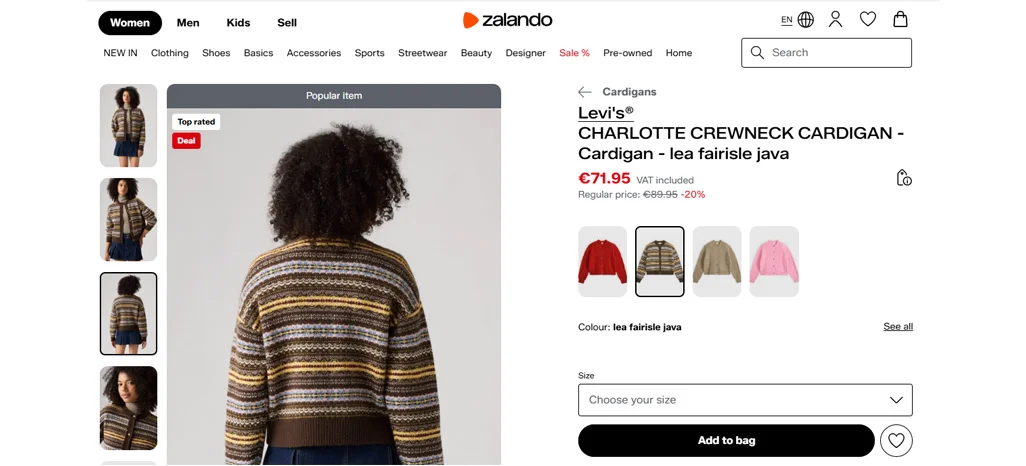
Analyzing large-scale regional catalog dynamics unveils localized consumer demands and specific product velocity indicators. Extracting structural datasets via a Zalando Scraping API provides real-time visibility into stock availability, localized discount patterns, and fast-moving apparel categories across continental European markets. Accessing this continuous feed enables decision-makers to map shifting localized demand, analyze competitive price distributions, and adjust procurement strategies before inventory imbalances occur.
Evaluating Zalando Germany Product Data unveils precise seasonal shift timings, regional sizing preferences, and category-level discount aggressiveness. Automated data collection tracks thousands of fashion brands simultaneously, revealing how inventory velocity shifts across central Europe, which helps localized brands benchmark performance, refine promotional calendars, and optimize regional inventory allocations effectively.
Retail data extraction provides distinct operational advantages for modern e-commerce enterprises looking to scale their digital monitoring infrastructure efficiently:
- Direct ingestion of real-time inventory levels across multiple localized web store fronts.
- Automated tracking of regional discount frequency and promotional campaign duration.
- Standardized category mapping across complex multi-brand digital catalog structures.
- Rapid identification of emerging regional product preferences and sizing trends.
| Data Point | Raw Extraction Metric | Retail Analytics Output |
|---|---|---|
| Catalog Refresh Frequency | Real-Time SKU Updates | Stockout Risk Alerts |
| Regional Price Index | Localized Currency | Currency Arbitrage View |
| Assortment Depth | Category Volume Counts | Gap Analysis Metrics |
Evaluating Middle Eastern Retail Data For Regional Pricing Arbitrage
Expanding retail operations into emerging luxury markets requires deep visibility into localized pricing strategies and regional product availability. Fast-fashion conglomerates adjust regional catalog pricing dynamically to match purchasing power, import logistics, and local tariff structures across international territories. Strategic market planning relies on accurate digital shelf visibility to ensure that regional price adjustments remain profitable while competing effectively against domestic retail offerings.
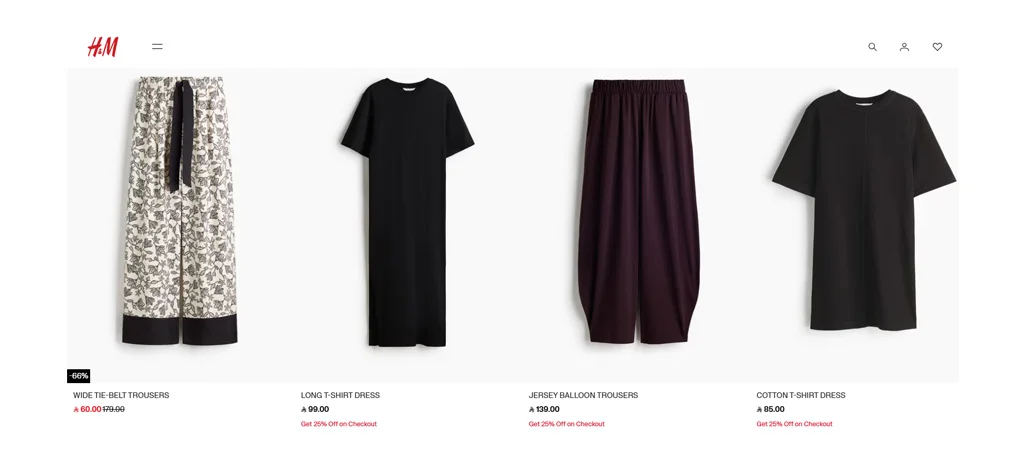
Monitoring cross-border catalog strategies provides essential clarity into how global fast-fashion platforms balance margins across varying regulatory regimes. Leveraging targeted H&M API Data Scraping enables commercial teams to monitor catalogue variations, track currency adjustments, and observe regional collection launch timings across distinct geographic boundaries. Observing these localized variations provides clear clarity into how global fast-fashion brands tailor pricing structures to match local purchasing power.
Reviewing granular H&M Saudi Arabia Product Data highlights distinct regional demand signals, specific fabric preferences, and targeted holiday promotions. Data shows that regional catalog adjustments vary significantly compared to Western European listings to accommodate cultural nuances and seasonal climate requirements, ensuring retailers maintain accurate market intelligence while scaling regional expansion initiatives seamlessly.
Capturing localized middle eastern catalog data delivers key enterprise benefits for growing global brands:
- Clear visibility into regional promotional cadences and holiday-specific discount patterns.
- Accurate monitoring of local currency pricing conversions and margin adjustments.
- Granular tracking of regional fabric variations and modesty-focused collection shifts.
- Automated detection of localized stock depletion rates and supply chain bottlenecks.
| Regional Market | Average Discount Rate | Category Focus |
|---|---|---|
| Saudi Arabia Market | 18% - 25% | Modest & Premium Wear |
| Central European Market | 30% - 42% | Seasonal Basics & Outerwear |
| Emerging D2C Channels | 10% - 15% | Niche Sustainable Lines |
Benchmarking Direct To Consumer Models Against Legacy Platforms
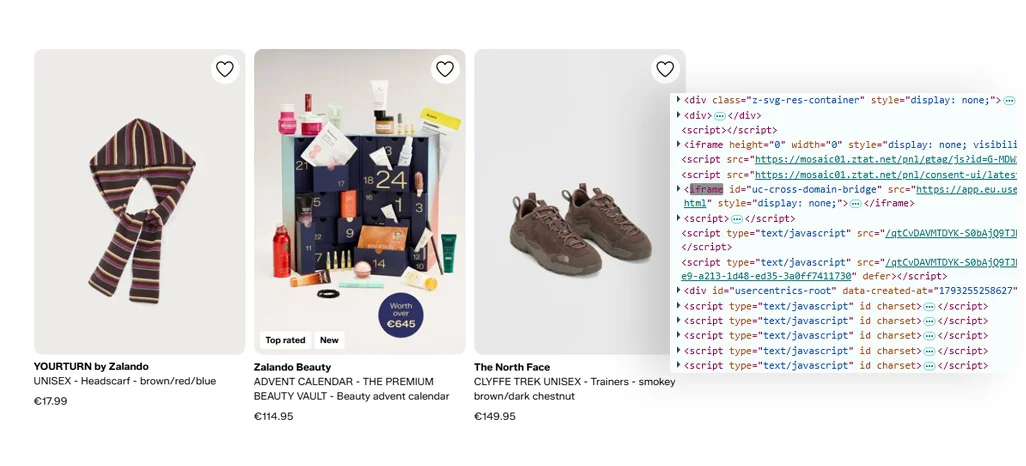
Agile direct-to-consumer (D2C) brands move rapidly to launch niche trends, often outmaneuvering traditional retail legacy systems. Independent online brands leverage localized production cycles and direct marketing to introduce focused product drops faster than legacy department stores. Tracking these independent catalog movements provides early warning signals regarding emerging micro-trends and consumer preference shifts that major platforms may overlook.
Evaluating independent brand ecosystems requires dedicated collection methods designed for decentralized storefront architectures. Executing precise D2C Fashion Brand Data Scraping exposes emerging product variations, micro-trend adoption rates, and digital shelf placement strategies across independent storefronts. Monitoring these agile competitors allows market analysts to spot organic trend originations and benchmark product release cycles against established industry heavyweights.
Deploying reliable Zalando Scraper Services enables enterprise data teams to contrast massive platform strategies against fast-growing direct-to-consumer catalogs. Data benchmarks indicate D2C brands convert niche consumer feedback into active inventory much faster than traditional retail conglomerates, equipping businesses with comprehensive intelligence necessary to maintain strong market positioning.
Integrating direct-to-consumer catalog intelligence offers high-value strategic outputs for forward-looking enterprise analytics:
- Early identification of viral fashion trends before mass market platform adoption.
- Real-time benchmark analysis comparing boutique pricing against platform averages.
- Detailed insight into direct brand release cadences and batch size strategies.
- Improved forecasting accuracy for material sourcing and product development cycles.
| Competitor Tier | Catalogue Velocity | Price Elasticity Score |
|---|---|---|
| Legacy Retailers | Bi-Weekly Updates | High Volume / Low Flex |
| Fast-Fashion Platforms | Daily SKU Refresh | Dynamic Pricing Control |
| Independent D2C Brands | Weekly Batch Drops | Premium Margin Retention |
How Retail Scrape Can Help You?
Modern retail businesses require robust infrastructure to clean, structure, and interpret high-volume web datasets efficiently. Deploying customized enterprise data pipelines simplifies automated Fashion Catalogue Scraping, transforming messy public web data into structured, operational business intelligence.
Our specialized data extraction engines handle complex website layouts, anti-scraping defenses, and localized currency conversions without manual intervention, ensuring continuous dataset delivery for your analytics teams.
- Automated pipeline monitoring ensures uninterrupted web data extraction across global platforms.
- Specialized parser technology normalizes multi-currency pricing into standardized reporting formats.
- Custom scraper workflows extract granular stock levels and localized SKU availability.
- Cloud extraction engines scale seamlessly to capture millions of product pages daily.
- Clean dataset delivery formats integrate directly into existing business intelligence systems.
- Historical trend archiving allows long-term tracking of competitor promotional strategies.
Navigating complex international markets demands precise visibility into global commercial strategy execution. Utilizing professional Cross-Border Price Intelligence ensures your enterprise captures precise catalog updates, competitive pricing structures, and stock shifts effortlessly.
Conclusion
Building scalable analytics pipelines transforms complex web data into actionable market foresight. Enterprise teams relying on structured Fashion Catalogue Scraping gain accurate visibility into multi-region inventory flows, competitor discounting patterns, and shifting global consumer demand.
Maintaining continuous market awareness across diverse platforms requires specialized tools capable of delivering clean catalog intelligence. Implementing systematic Collect Fashion Product Data From International Websites empowers commercial teams to evaluate pricing structures, monitor independent D2C maneuvers, and refine regional promotional campaigns confidently. Partner with Retail Scrape today to unlock complete web data automation and elevate your retail analytics infrastructure to modern enterprise standards.