How Does Swiggy Instamart Price History API Simplify Real-Time Grocery Price Tracking for Brands?
Introduction
Grocery prices can change frequently because of promotions, demand shifts, inventory conditions, and competitor movements. For brands operating in India's fast-moving retail environment, historical and current pricing visibility helps teams understand market behavior, evaluate positioning, and respond to changes with greater confidence.
Using Swiggy Instamart Grocery Price Scraping, businesses can organize product-level pricing information across categories and locations. This creates a structured foundation for comparing current prices with earlier observations, identifying recurring promotional patterns, and evaluating price differences across comparable grocery products.
The Swiggy Instamart Price History API can further simplify this process by delivering structured historical observations for analysis. Instead of maintaining scattered spreadsheets, teams can combine automated data feeds with dashboards, alerts, and reporting workflows to support pricing decisions and ongoing Swiggy Instamart Price Data Extraction.
Improving Real-Time Visibility Across Changing Grocery Markets
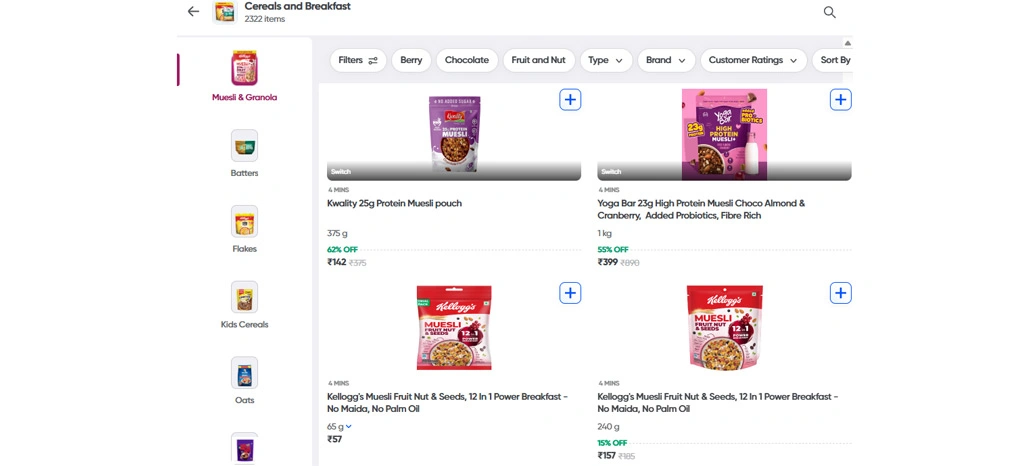
Real-time grocery pricing visibility helps brands understand how frequently product prices change across different categories. Instead of relying on occasional manual checks, businesses can establish recurring monitoring workflows that capture updated observations and compare them with previously collected records. This creates a clearer view of pricing movements and helps teams prioritize products requiring closer attention.
A structured Swiggy Instamart Price Tracking workflow can organize product-level observations according to timestamps, categories, locations, and other attributes. When historical and current records are compared systematically, analysts can identify recurring price changes, temporary discounts, and unusual movements. This approach also makes it easier to evaluate whether changes are isolated events or part of broader category trends.
| Monitoring Element | Illustrative Scale |
|---|---|
| Products monitored | 1,000+ |
| Daily observations | 5,000+ |
| Monitoring frequency | 1–2 hours |
| Change threshold | 5%+ |
Businesses can further strengthen their workflows through Swiggy Instamart Grocery Data Extraction, which can organize product details into consistent records for analysis. Structured records help teams reduce repetitive data handling and create standardized inputs for dashboards, reporting systems, and internal pricing reviews. The resulting information can support faster identification of significant product-level changes.
For brands evaluating Grocery Price Monitoring India, consistent historical observations can provide greater context around daily market fluctuations. Automated monitoring also supports Indian Grocery Price Intelligence, enabling analysts to compare pricing behavior across products and categories. Together, these approaches create a more organized framework for understanding grocery market movements.
- Recurring collection of product pricing information
- Faster identification of meaningful price changes
- Consistent organization of historical observations
- Easier comparison across selected product categories
- Better support for internal pricing analysis
Understanding Historical Patterns Behind Grocery Price Changes
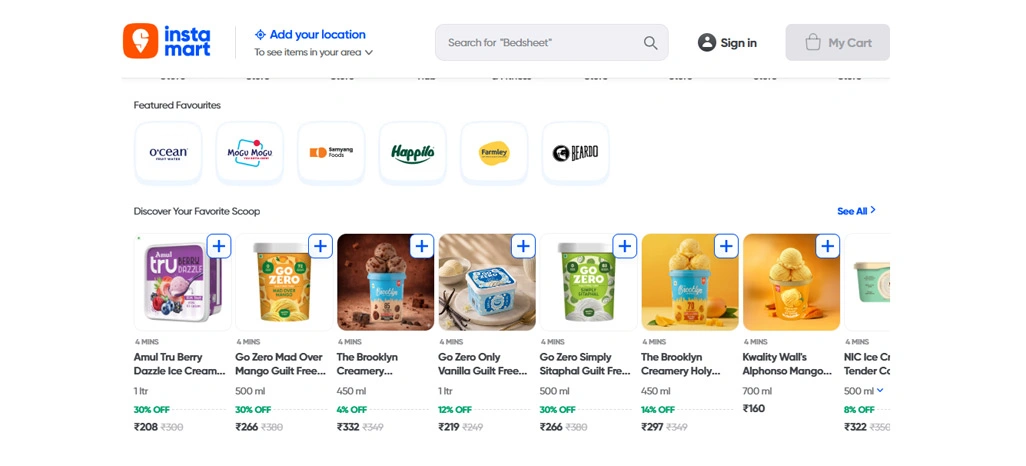
Historical pricing records provide greater context than individual price snapshots. When businesses maintain recurring observations, analysts can examine how prices move across different periods and identify repeated promotional cycles. This makes historical information useful for understanding whether specific products experience regular adjustments, temporary discounts, or broader pricing changes.
Swiggy Instamart Price Monitoring Data can help organize historical observations into structured datasets containing timestamps, product identifiers, prices, discounts, and availability information. These records can then be compared across selected periods to identify changes that may otherwise remain difficult to recognize through manual monitoring. Historical organization also supports repeatable analytical processes.
| Analysis Metric | Illustrative Example |
|---|---|
| Products analyzed | 2,500 |
| Historical records | 40,000+ |
| Review frequency | Daily |
| Price alerts | 250/month |
With Swiggy Instamart Price Monitoring Using API Data, businesses can connect recurring observations with analytical workflows and reporting dashboards. Automated data delivery can reduce spreadsheet dependency while allowing teams to evaluate pricing movements at product and category levels. It also provides a practical foundation for developing alerts when predefined pricing thresholds are reached.
Brands can use Grocery Price Monitoring India to examine broader pricing behavior across frequently purchased grocery products. Combining this information with Indian Grocery Price Intelligence can help analysts evaluate category-level movements, promotional frequency, and competitive positioning. These insights can support pricing reviews and improve the consistency of market analysis.
- Identification of recurring pricing patterns
- Comparison of historical and current observations
- Automated support for pricing alerts
- Better organization of product-level records
- Easier preparation of analytical reports
Strengthening Strategic Decisions Through Historical Pricing Analysis
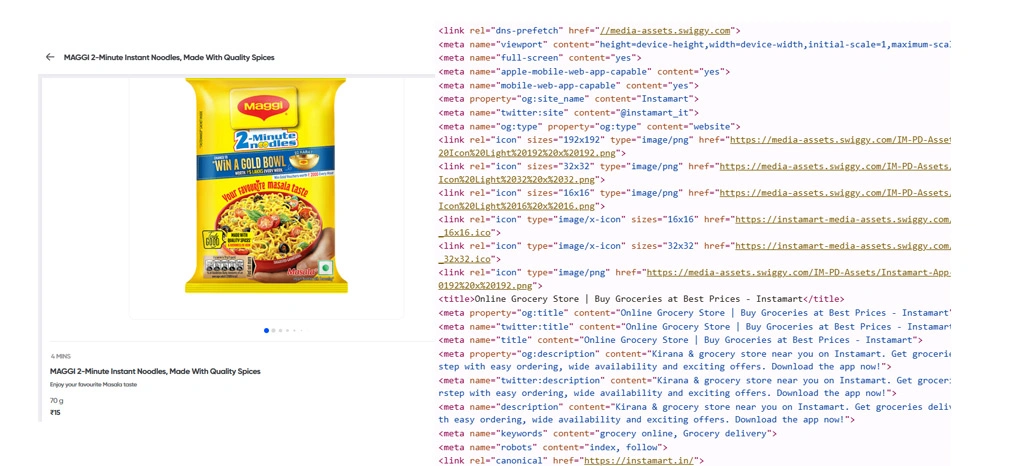
Historical grocery pricing becomes more valuable when businesses connect individual product observations with broader category behavior. Rather than examining isolated changes, analysts can evaluate price movements across multiple periods and determine whether adjustments reflect promotions, demand conditions, or broader market activity.
This creates stronger context for strategic pricing discussions. Swiggy Instamart Grocery Pricing Intelligence can help brands examine product-level pricing behavior, discount patterns, and category movements through organized historical information. When records are consistently structured, teams can compare similar products and identify categories where pricing changes occur more frequently.
| Business Indicator | Illustrative Result |
|---|---|
| Products reviewed | 3,000 |
| Historical observations | 50,000+ |
| Categories compared | 20+ |
| Monthly alerts | 300 |
For businesses focused on Swiggy Instamart Price Data Extraction, standardized records can support dashboards, competitive reports, and category-level analysis. Automated collection helps reduce repetitive research while maintaining a consistent structure for product information. Analysts can use these records to review price volatility, promotional timing, and changes across selected products.
Swiggy Instamart Grocery Data Extraction can also contribute to Indian Grocery Price Intelligence when product observations are combined with relevant historical context. For organizations conducting Grocery Price Monitoring India, structured records can make recurring market analysis easier to manage. This approach helps teams focus on meaningful trends rather than manually reviewing every individual listing.
- More structured historical pricing analysis
- Better category-level comparison
- Easier identification of recurring movements
- Improved support for pricing strategy reviews
- Consistent information for business reporting
How Retail Scrape Can Help You?
We can support brands that need structured grocery pricing information for recurring market analysis. By integrating the Swiggy Instamart Price History API into a broader data workflow, businesses can organize historical observations, current pricing signals, product attributes, and availability information for dashboards and analytical systems.
- Automate recurring grocery data collection
- Structure product-level records consistently
- Monitor pricing changes across selected SKUs
- Organize historical observations for comparison
- Support category-level market analysis
- Deliver data in formats suited to business workflow
Businesses can use Swiggy Instamart API Data Scraping as part of a broader data collection framework when they require regularly updated product information. Properly structured records can help teams analyze pricing changes, product availability, discounts, and category-level movements without depending entirely on manual observations.
It can also support automated reporting, scheduled monitoring, and customized datasets based on specific business requirements. With Indian Grocery Price Intelligence, teams can turn organized market observations into clearer pricing and competitive analysis.
Conclusion
Real-time and historical grocery pricing visibility can help brands understand market movements without depending entirely on manual checks. The Swiggy Instamart Price History API provides a structured approach for connecting current observations with historical records, supporting more consistent comparisons and pricing analysis.
When pricing information is organized across products, categories, locations, and time periods, Indian Grocery Price Intelligence becomes easier to apply across daily business decisions. A scalable workflow can support monitoring, reporting, and strategic analysis while reducing repetitive data collection efforts. Connect with Retail Scrape today to build a customized grocery price tracking and market intelligence solution for your business.