
How Can Restaurant Menu Analytics Using Swiggy & Zomato Uncover Emerging Food Trend Patterns?
Introduction
The digital food ecosystem is rapidly evolving, and online delivery platforms have become a primary source of customer preference signals. Restaurants are no longer relying only on in-store feedback; instead, they analyze online menus, pricing shifts, and consumer ordering behavior to identify what is trending in real time. In this context, Restaurant Menu Analytics Using Swiggy & Zomato has emerged as a strategic approach to decode food demand patterns across cities and cuisines.
Modern restaurant operators increasingly depend on data pipelines to evaluate menu performance, seasonal demand fluctuations, and competitive pricing strategies. At the core of this transformation is Restaurant Intelligence Using Food Delivery Menu Data Scraping, which enables structured extraction of menu-level insights from major delivery platforms.
Businesses today are not just tracking what sells but also understanding why it sells. From ingredient popularity to combo preferences, granular data helps in building adaptive menus that respond to evolving consumer tastes. As competition intensifies, restaurants that adopt analytical frameworks gain a clearer understanding of market positioning and demand shifts across regions.
Shifting Pricing Patterns Across Digital Food Platforms
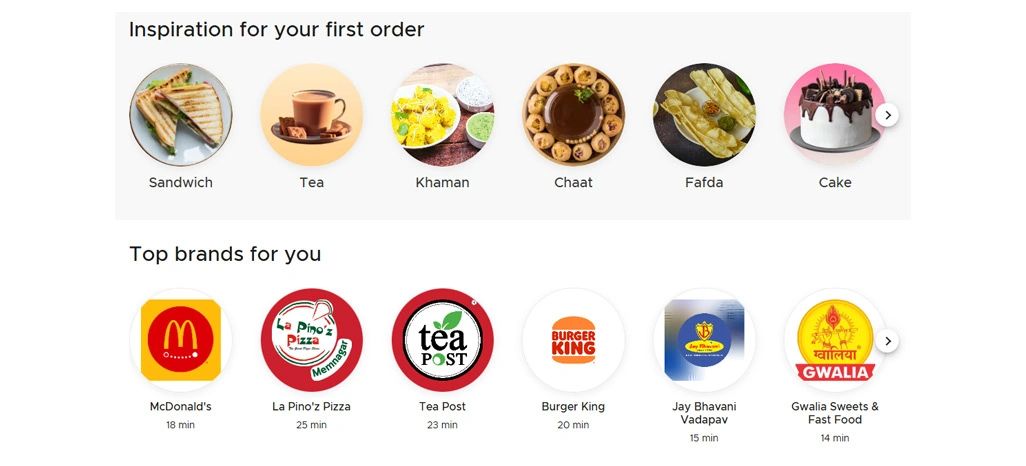
Digital food marketplaces have become highly competitive as restaurants continuously adjust pricing strategies, promotional timing, and menu positioning to capture customer attention. One key approach involves Restaurant Competitor Benchmarking Using Swiggy and Zomato Data, which enables businesses to compare offerings across similar cuisine categories and understand how rivals structure their menus for maximum engagement.
Another important analytical layer is Swiggy and Zomato Menu Trend Analysis, which helps identify how dishes rise or fall in popularity based on time, region, and promotional activity. As competition intensifies, real-time visibility into competitor strategies becomes essential for maintaining relevance and profitability in digital food delivery ecosystems.
Restaurants also evaluate pricing elasticity, discount frequency, and combo structuring to understand how competitors attract customers. This helps in refining internal pricing models and improving visibility across platforms.
| Metric Area | Insight Type | Business Effect | Response Strategy |
|---|---|---|---|
| Price Adjustments | Frequent updates in listings | Revenue instability | Dynamic pricing control |
| Discount Patterns | Seasonal and flash offers | Demand spikes | Timed promotions |
| Popular Items | High order frequency | Demand concentration | Menu reinforcement |
| Category Positioning | Cuisine-based ranking shifts | Visibility changes | Strategic repositioning |
Beyond structured comparison, restaurants also study how presentation style and bundle composition influence customer engagement. This supports more informed decisions around item placement and promotional design, ensuring stronger alignment with customer expectations in a highly responsive marketplace.
Changing Consumer Behavior in Online Ordering Ecosystems
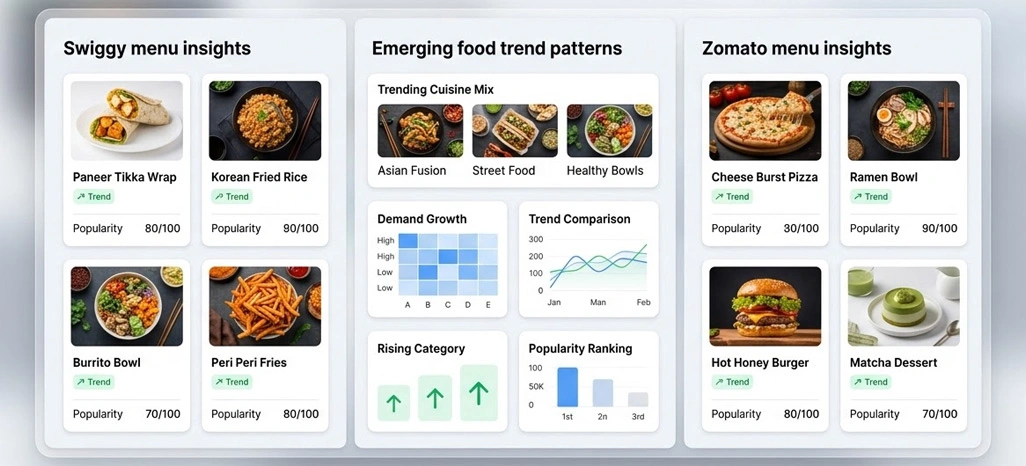
Consumer ordering behavior on food delivery platforms evolves rapidly due to lifestyle changes, regional preferences, and promotional exposure. Restaurants must interpret these shifts accurately to maintain relevance in a crowded marketplace. One critical capability comes from Swiggy and Zomato Menu Data Scraping for Restaurant Intelligence, which allows structured extraction of menu-level insights for deeper analysis.
Additionally, Analyzing Menu Trends and Consumer Demand on Food Delivery Apps helps businesses understand how customer preferences vary across time periods and geographic zones, enabling more precise targeting of offerings. These factors collectively shape how customers respond to digital menus and influence long-term loyalty.
Understanding demand volatility is essential because certain food items experience temporary spikes influenced by festivals, weather conditions, or marketing campaigns. Without structured interpretation, these fluctuations can be misread as long-term trends, leading to ineffective menu decisions.
| Behavior Indicator | Observation Type | Interpretation | Strategic Action |
|---|---|---|---|
| Repeat Orders | Frequent item selection | Strong preference | Prioritize listing |
| Seasonal Surges | Time-bound demand | Temporary trend | Limited offers |
| Cuisine Shift | Regional preference change | Cultural influence | Menu diversification |
| Combo Orders | Multi-item purchases | Value perception | Bundle creation |
Restaurants also assess delivery speed sensitivity, packaging influence, and pricing perception to refine engagement strategies. By integrating behavioral insights into operational planning, businesses can adapt more effectively to changing expectations and improve overall menu performance in competitive online ecosystems.
Improving Menu Design Through Competitive Insights
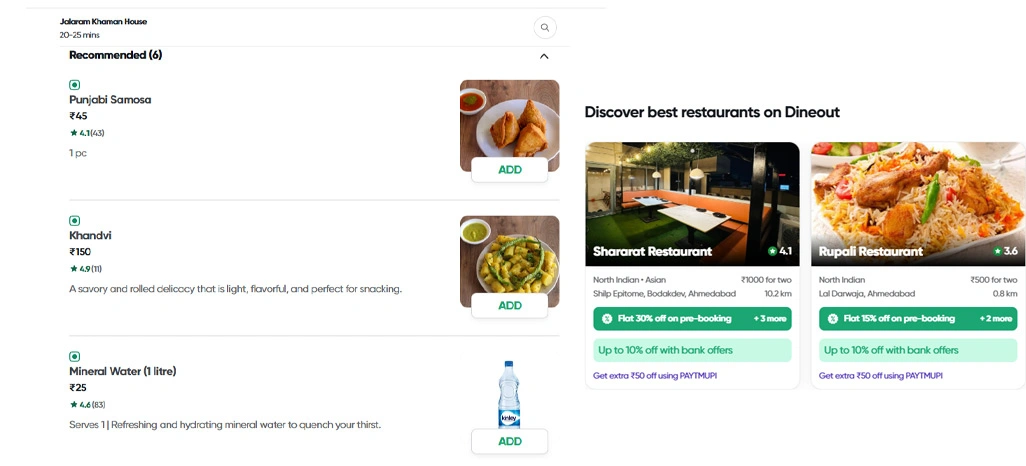
Menu structuring has evolved into a data-driven discipline where performance, profitability, and customer engagement must be balanced carefully. Restaurants now rely on analytical models to refine offerings and eliminate inefficiencies. A key element in this process is Restaurant Competitor Analysis Using Menu Data, which helps identify gaps between a restaurant’s menu and its competitors’ offerings.
Another essential approach is Menu Optimization Through Food Delivery Data Analytics, which supports data-backed decisions on item placement, pricing balance, and category restructuring. Poorly performing dishes often reduce operational efficiency and distort profitability if not regularly evaluated.
By studying item-level performance, restaurants can determine which dishes require modification, promotion, or removal. This ensures that menu composition remains aligned with customer demand patterns and cost structures. These insights enable more effective menu engineering and support long-term profitability improvements.
| Menu Factor | Insight Type | Business Impact | Optimization Approach |
|---|---|---|---|
| Low Demand Items | Weak engagement | Revenue drag | Removal or redesign |
| High Margin Dishes | Strong profitability | Growth opportunity | Promotion focus |
| Ingredient Overlap | Redundancy issue | Cost inefficiency | Recipe restructuring |
| Customer Ratings | Feedback signals | Quality perception | Recipe improvement |
In addition, restaurants analyze how visual presentation, pricing hierarchy, and combo structuring affect customer choices. By applying structured competitive insights, businesses can build menus that are not only appealing but also financially optimized, ensuring sustained performance in highly competitive digital food delivery environments.
How Retail Scrape Can Help You?
The growing complexity of online food platforms demands advanced systems for structured data extraction and interpretation. This is where Restaurant Menu Analytics Using Swiggy & Zomato becomes significantly more powerful when supported by automation and scraping technologies.
Key benefits include:
- Continuous monitoring of competitor menus
- Real-time tracking of pricing fluctuations
- Identification of high-performing food categories
- Detection of emerging cuisine preferences
- Improved accuracy in demand forecasting
- Enhanced menu planning efficiency
These capabilities help businesses transform raw data into actionable intelligence, reducing uncertainty in operational decisions. The integration of Swiggy Food Delivery Data Scraping further strengthens data accuracy by providing consistent and scalable access to platform-level information.
Conclusion
The adoption of data-driven decision-making is reshaping how restaurants understand customer behavior and market competition. Restaurant Menu Analytics Using Swiggy & Zomato enables businesses to decode complex demand patterns and align their offerings with evolving consumer expectations.
At the same time, Tracking Menu Changes and Pricing Trends Across Delivery Platforms empowers restaurants to maintain competitive positioning while optimizing profitability. Adopt data-driven menu intelligence today with Retail Scrape to refine your strategy, improve customer satisfaction, and strengthen your competitive edge in the evolving food delivery landscape.
Effortlessly managing intricacies with customized strategies.
Mitigating risks, navigating regulations, and cultivating trust.
Leveraging expertise from our internationally acclaimed team of developers
Reliable guidance and assistance for your business's advancement