What Strategies Using Real-Time Grocery API Scraping Can Reduce 40% Perishable Food Waste?
Introduction
Perishable food wastage has long been a pressing concern for grocery retailers, causing significant revenue losses and environmental strain. Inefficient inventory management, inaccurate demand forecasts, and delayed stock updates often result in spoilage of fresh produce, dairy, and other perishable items. According to recent studies, supermarkets worldwide lose nearly 20-30% of their perishable inventory annually due to poor demand prediction and stock monitoring.
The solution lies in adopting advanced technological tools like Real-Time Grocery API Scraping , which empowers retailers to monitor inventory and customer demand more effectively. By integrating live data feeds into existing inventory management systems, businesses can make informed decisions that optimize stock levels and minimize waste. Real-time updates allow retailers to detect slow-moving items, adjust order quantities, and manage product placement efficiently.
This approach not only increases operational efficiency but also helps meet sustainability goals by reducing unnecessary food wastage. Retailers implementing such strategies have reported up to 40% reduction in perishable food loss within the first year. Real-time grocery data ensures a data-driven inventory approach, enabling grocery stores to meet consumer demand accurately while safeguarding profitability.
Practical Techniques to Improve Fresh Product Inventory Management
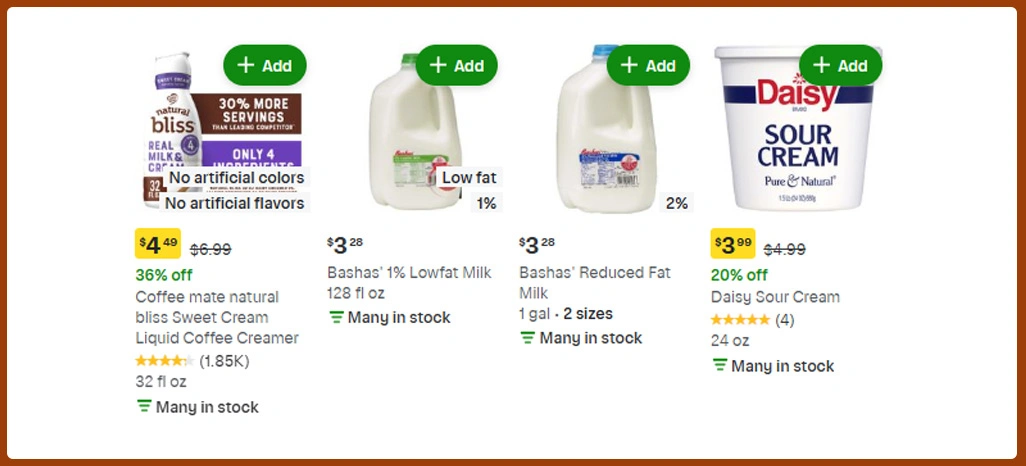
Efficient management of perishable items is one of the biggest challenges for grocery retailers. Stores often face issues like spoilage, overstocking, and inconsistent inventory levels due to manual tracking and delayed updates. By leveraging Real-Time Grocery Data Scraping, retailers can now access live updates about stock availability, which helps optimize procurement and reduce waste.
| Metric | Before Implementation | After Implementation | Improvement |
|---|---|---|---|
| Perishable Wastage Rate | 28% | 16% | 12% reduction |
| Stock-Out Frequency | 15% | 7% | 8% reduction |
| Inventory Turnover | 3.2 | 4.5 | 1.3 increase |
By Using API Scraping to Optimize Perishable Item Inventory, grocery chains can analyze product movement in near real-time, helping them avoid overstocking and understocking situations. Stores can also identify high-demand items that require faster replenishment and prevent spoilage of perishable goods like fruits, vegetables, and dairy products.
In addition, Real-Time Grocery Insights for Better Stock Management provide employees with actionable data to monitor inventory trends, plan promotions for slow-moving items, and make timely adjustments to their orders. Predictive analytics from historical and live data significantly reduces the reliance on manual audits, decreasing human error and inefficiencies.
Effective Approaches to Forecast Customer Demand Accurately
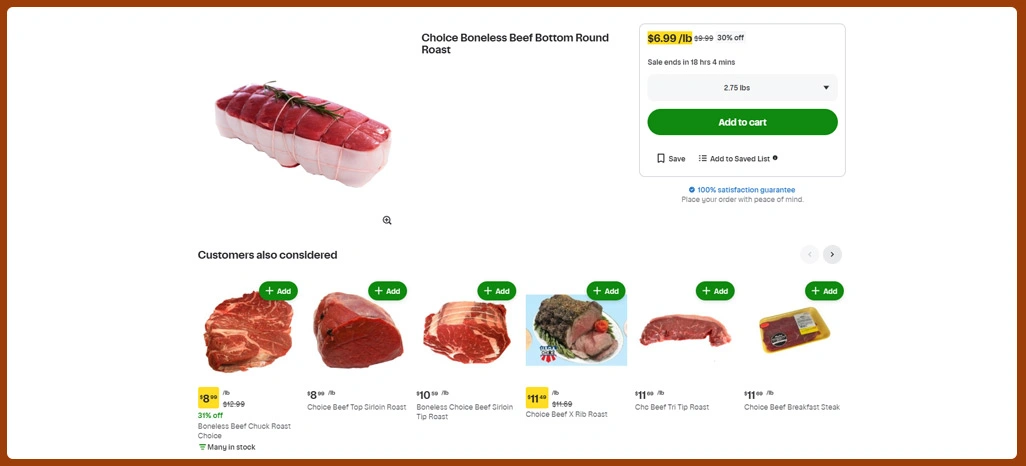
Predicting customer demand is essential to prevent excess inventory and spoilage. Retailers can now integrate Real-Time Price Monitoring into their systems, enabling dynamic adjustments in pricing strategies that encourage timely purchase of perishable items. This approach combines live datasets with historical sales trends to forecast demand for products with short shelf life.
| Metric | Before Forecasting | After Forecasting | Improvement |
|---|---|---|---|
| Overstocked Items | 18% | 9% | 50% reduction |
| Markdown Loss | 12% | 5% | 7% reduction |
| Forecast Accuracy | 72% | 91% | 19% increase |
Through Grocery Demand Prediction With Real-Time Datasets, retailers can adjust procurement schedules, manage seasonal fluctuations, and implement targeted promotions to sell perishable goods before spoilage. For example, during peak demand periods, live alerts generated from API feeds can trigger timely restocking and prevent shortages.
Grocery Demand Forecasting Using Real-Time APIs also allows stores to minimize markdown losses and efficiently allocate stock across multiple outlets. By identifying patterns in customer behavior, retailers can strategically reduce overstocked items and slow-moving inventory, cutting waste and increasing operational efficiency. Predictive analytics further enable staff to plan campaigns or discounts based on near real-time data, improving profitability while ensuring minimal food wastage.
Data-Driven Methods for Minimizing Food Loss in Retail
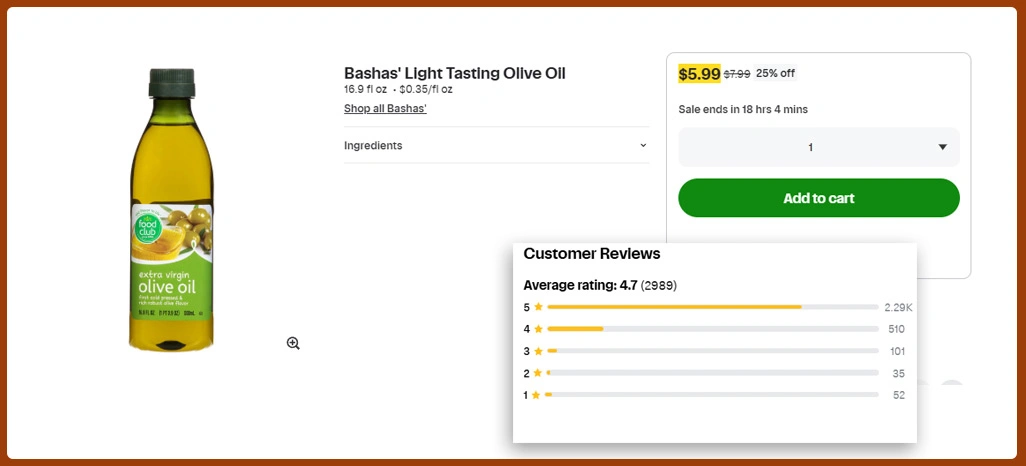
Retailers face significant challenges in coordinating perishable inventory across multiple locations. Web Scraping Grocery Store Datasets provide consolidated, up-to-date stock information, helping stores redistribute products efficiently and reduce waste. By monitoring items nearing expiry, retailers can implement proactive strategies such as promotions, transfers, or dynamic placement to minimize losses.
| Metric | Before Data Integration | After Data Integration | Improvement |
|---|---|---|---|
| Expired Items | 25% | 14% | 11% reduction |
| Redistribution Efficiency | 60% | 85% | 25% improvement |
| Sales Lost Due to Stockouts | 10% | 4% | 6% reduction |
API-Based Inventory Tracking for Perishable Goods allows grocery chains to track product movement in real time and take immediate action to prevent spoilage. This system also enables accurate redistribution of stock between stores with higher or lower demand, improving overall efficiency.
Furthermore, Supermarket Wastage Reduction Using Data Intelligence ensures actionable insights by combining historical trends with predictive analytics. Slow-moving items can be prioritized for promotions, and stores can prevent unnecessary overstocking while meeting consumer demand. Retailers who adopt these strategies typically achieve significant reductions in perishable food wastage, demonstrating the value of a data-driven approach to inventory and supply chain management.
How Retail Scrape Can Help You?
Retailers aiming to minimize perishable food loss can greatly benefit from Real-Time Grocery API Scraping. This technology provides live updates on inventory, customer demand, and market trends, empowering grocery businesses to make precise, timely decisions.
Key ways we assists wineries include:
- Streamline inventory management processes.
- Monitor stock availability across multiple outlets.
- Detect slow-moving items before spoilage.
- Adjust replenishment cycles efficiently.
- Improve customer satisfaction with fresher products.
- Reduce unnecessary operational losses.
Additionally, integrating Predictive Analytics for Perishable Grocery Items ensures accurate forecasting and smart stock allocation. Our API scraping solutions offer tailored insights that help grocery chains achieve measurable reductions in food wastage, improve profitability, and enhance overall operational efficiency
Conclusion
Implementing Real-Time Grocery API Scraping allows retailers to monitor stock levels, predict demand fluctuations, and minimize perishable food loss. By leveraging live data streams, stores can reduce spoilage by up to 40% and optimize overall inventory management.
Incorporating Real-Time Grocery Stock Availability Tracking into daily operations ensures that stores respond proactively to changing market conditions. Take the next step towards smarter inventory management and contact Retail Scrape to implement real-time solutions that transform your grocery operations today.