


How Can Quick Commerce Product Availability Tracking Boost Stock Visibility and Reduce 60% Missed Sales?
Introduction
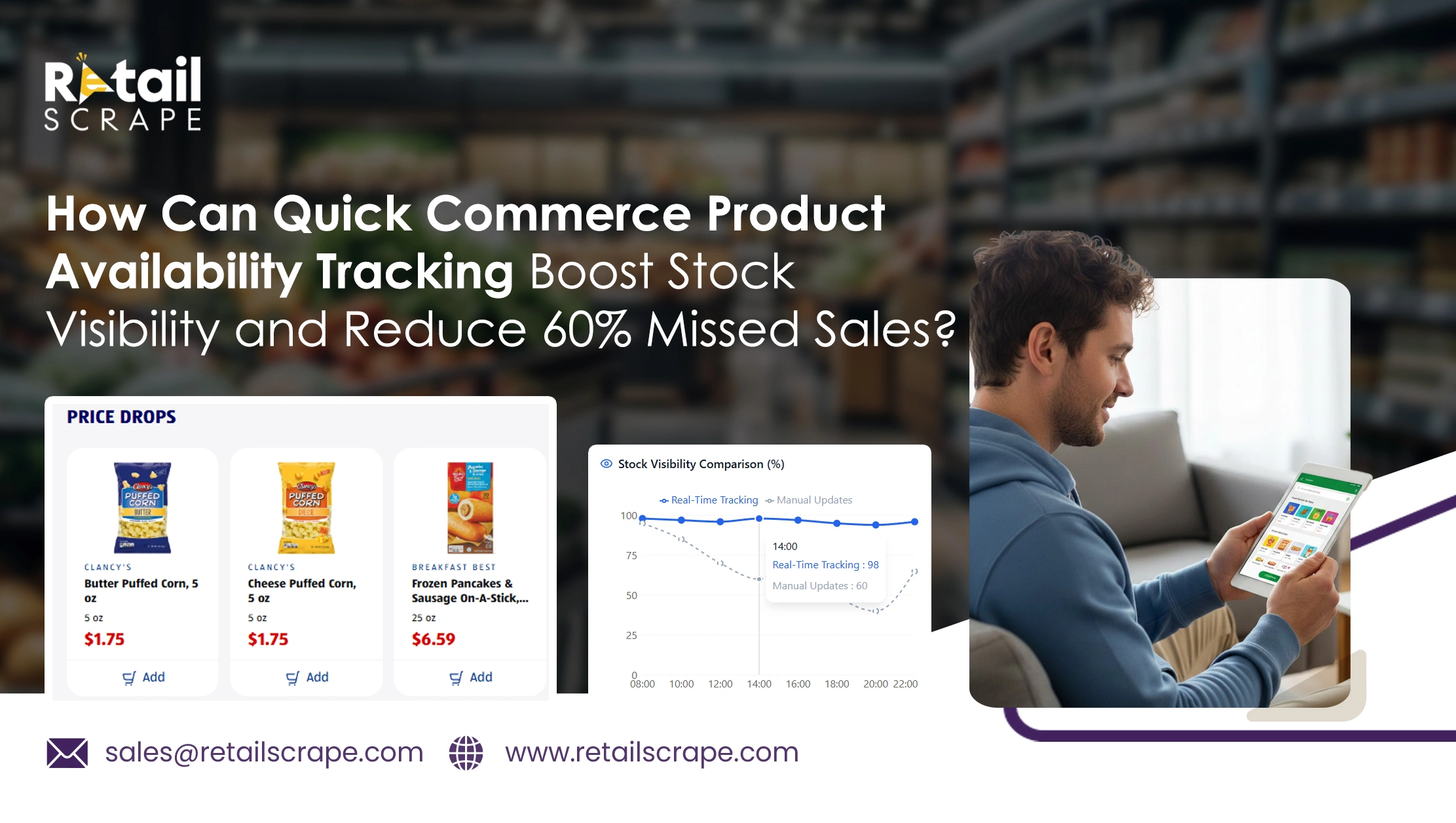
Quick commerce has redefined customer expectations by enabling deliveries in minutes rather than days. Leveraging a Grocery Inventory Analytics Solution helps businesses monitor these changes in real time, ensuring accurate inventory insights. Addressing this volatility is essential to maintain customer trust and encourage repeat purchases.
Many grocery brands and online sellers continue to depend on manual checks or slow reporting systems, causing gaps in inventory visibility. Implementing Delivery App Availability Tracking ensures real-time insights, helping prevent frequent stockouts. Studies show that online shoppers abandon carts swiftly when products are unavailable, and recurring inventory issues can lead to lasting customer attrition.
This is why Quick Commerce Product Availability Tracking is becoming a key strategy for modern retail operations. When product availability becomes measurable and trackable, brands can respond faster, optimize restocking, and reduce demand-supply gaps with greater accuracy.
Challenges in Maintaining Consistent Stock Across Delivery Zones
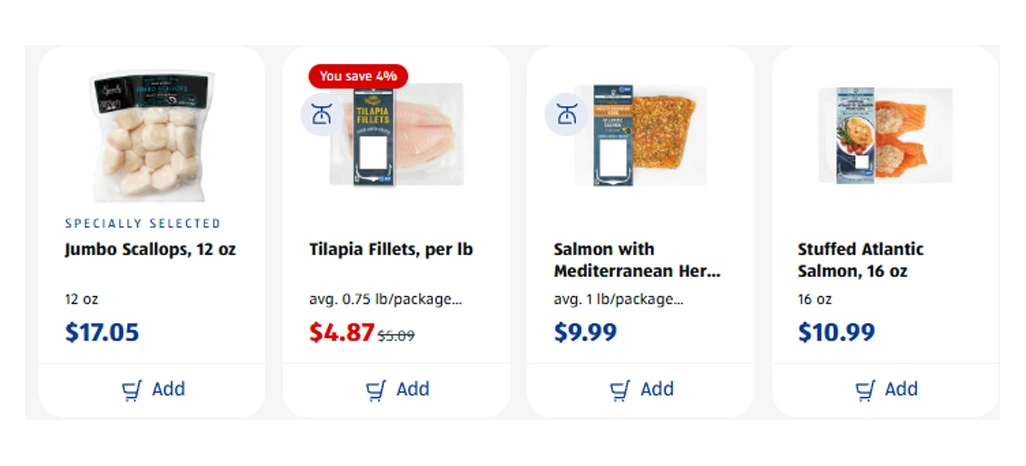
Managing inventory in fast-paced delivery environments comes with several challenges. Quick commerce platforms rely on hyperlocal fulfillment, meaning stock levels can vary between warehouses, cities, and even delivery zones. Without proper monitoring, brands face blind spots in product availability, leading to lost revenue and dissatisfied customers.
Frequent out-of-stock scenarios not only impact immediate sales but also customer loyalty. Platforms without consistent inventory updates amplify this risk. Businesses adopting Product Availability Scraping for Quick Commerce can capture precise stock status directly from platform listings. This helps identify where shortages occur, whether at a specific location or across multiple zones.
Quick Commerce Data Scraping further allows brands to collect structured inventory data efficiently, detect sudden drops in availability, and streamline replenishment decisions. Additionally, tools that Track Stock Across Grocery Apps help compare stock across multiple applications, ensuring no sales opportunities are missed.
Below is an illustrative table showing stock impact:
| Stock Issue Type | Operational Challenge | Potential Sales Loss |
|---|---|---|
| Sudden Localized Shortages | Delayed restocking | 12–22% |
| Manual Inventory Checks | Human error | 10–18% |
| Warehouse-Specific Stock Gaps | Inconsistent availability | 15–25% |
| Hyperlocal Demand Surges | Missed revenue | 18–30% |
Implementing Real-Time Product Availability Monitoring ensures inventory movements are captured promptly, while monitoring short-term gaps can significantly improve sales recovery.
Problems Arising from Inconsistent Multi-Platform Inventory Visibility
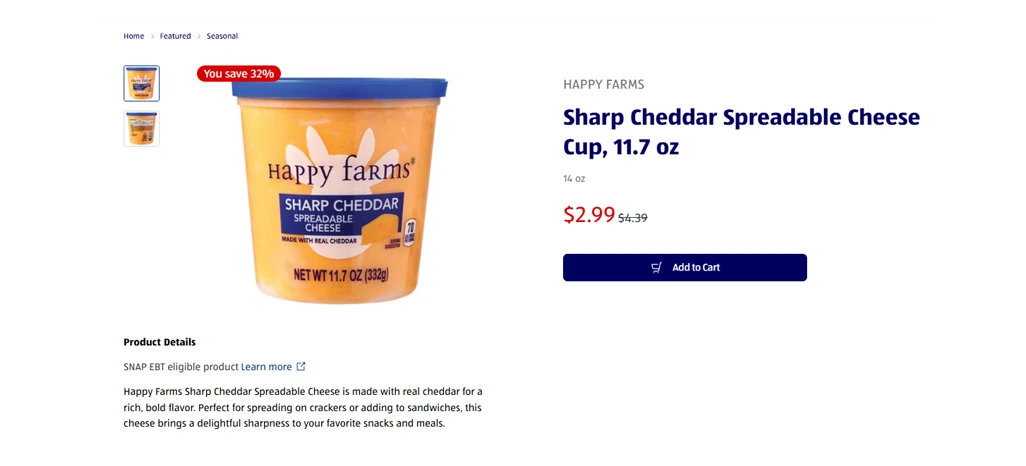
Retailers operating across multiple platforms often face inconsistent stock levels for the same product. One marketplace may show items as available, while another lists them as out-of-stock, creating confusion for both operations and customers. These discrepancies lead to lost orders, uneven sales distribution, and reduced customer trust.
Manual tracking methods are inefficient and fail to capture short-duration stockouts. Businesses that rely solely on internal dashboards often miss critical stock updates that happen in real time. Leveraging Web Scraping Services helps automate the collection of inventory data, providing accurate and timely insights for cross-platform operations.
Scrape Product Availability Data allows brands to collect structured information about listings, delivery eligibility, and stock status. Combined with tools that Monitor Out-Of-Stock Products Online, companies can detect sudden inventory drops and take proactive actions.
The following table illustrates the differences in inventory monitoring approaches:
| Monitoring Approach | Accuracy Level | Update Frequency | Operational Impact |
|---|---|---|---|
| Manual Checks | Medium | 1–2 times/day | High effort, risk of gaps |
| Platform Dashboards | Medium | Delayed | Limited insight |
| Automated Scraping | High | Hourly | Faster restocking decisions |
| Cross-Platform Comparison | Very High | Near real-time | Strong stock consistency |
Integrating these approaches ensures brands maintain accurate inventory visibility across all platforms, improving customer satisfaction and reducing lost opportunities. Multi-platform comparisons using Multi-Platform Stock Comparison help identify discrepancies and guide fulfillment decisions.
Insights into Stock Trends and Demand Planning Across Regions
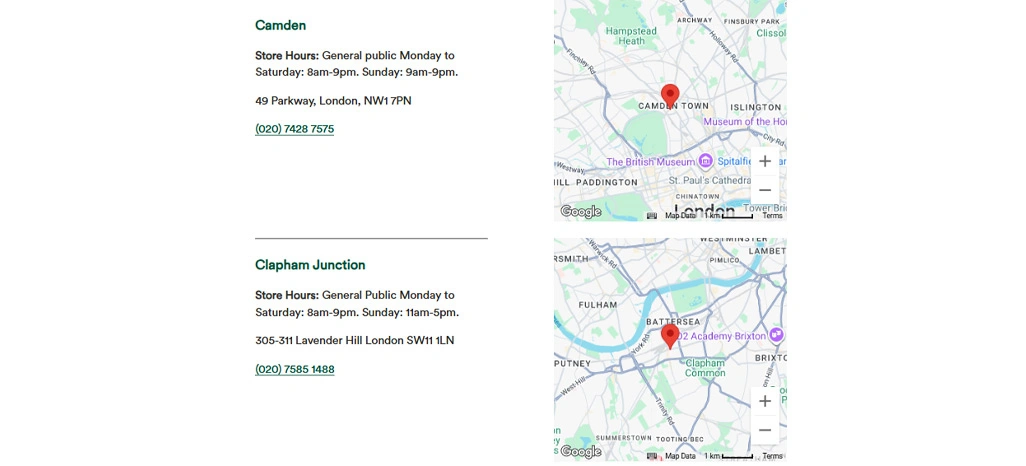
Understanding how inventory fluctuates across locations and competitors is crucial for operational efficiency. By analyzing product availability patterns, companies gain insights into high-demand items, seasonal changes, and competitor behavior, which informs better operational decisions.
Retailers implementing structured tracking have seen replenishment accuracy improve by 30–45% and stockouts decrease by approximately 25%. Tools that provide E-Commerce Stock Intelligence help businesses correlate product availability with order trends and listing performance.
Platforms that implement Track Product Availability Across Quick Commerce Websites can spot city-level demand variations, ensuring inventory is available where needed. Quick Commerce Data Intelligence further enables data-driven forecasts, preventing prolonged shortages and improving operational efficiency.
The following table demonstrates actionable insights from inventory tracking:
| Insight Captured | Practical Application | Expected Revenue Impact |
|---|---|---|
| Frequent Stockouts | Adjust replenishment cycles | +12–20% |
| Competitor Inventory Trends | Optimize promotional campaigns | +10–18% |
| City-Level Demand Patterns | Allocate warehouse resources | +8–15% |
| Product Ranking vs Stock | Reduce lost listing opportunities | +10–16% |
By combining inventory tracking with analytics, brands can ensure operational readiness, reduce missed sales, and strengthen overall supply chain performance. Real-time stock monitoring also allows businesses to adapt warehouse allocations, optimize delivery routes, and reduce missed sales.
How Retail Scrape Can Help You?
We help businesses streamline operations by creating data-driven workflows that enhance inventory transparency across platforms. With Quick Commerce Product Availability Tracking integrated, businesses can respond swiftly before stock shortages affect revenue.
Key ways we support quick commerce operations include:
- Collecting real-time product stock updates from multiple platforms.
- Identifying high-risk products with frequent availability drops.
- Supporting city-level inventory insights for better planning.
- Improving supply chain response time using structured data outputs.
- Detecting listing-level visibility issues across delivery zones.
- Creating actionable reports for faster operational decision-making.
We also help businesses implement Automated Competitor Stock Tracking to support smarter decisions through continuous monitoring and accurate platform-level visibility.
Conclusion
Quick commerce is built on speed, but consistent product availability is what protects long-term revenue. By applying Quick Commerce Product Availability Tracking, brands can maintain stronger control over stock movement and respond faster to high-demand shifts across delivery zones.
To remain competitive, companies must build systems that monitor product availability at scale, across multiple platforms, and without delays. Using Real-Time Product Availability Monitoring allows brands to act on stock changes instantly and reduce revenue leakage caused by sudden stockouts. Connect with Retail Scrape today for a tailored availability intelligence setup.