
How Does Quick Commerce API: Real-Time Pricing & Retail Insights Improve Market Tracking by 50%?
Introduction
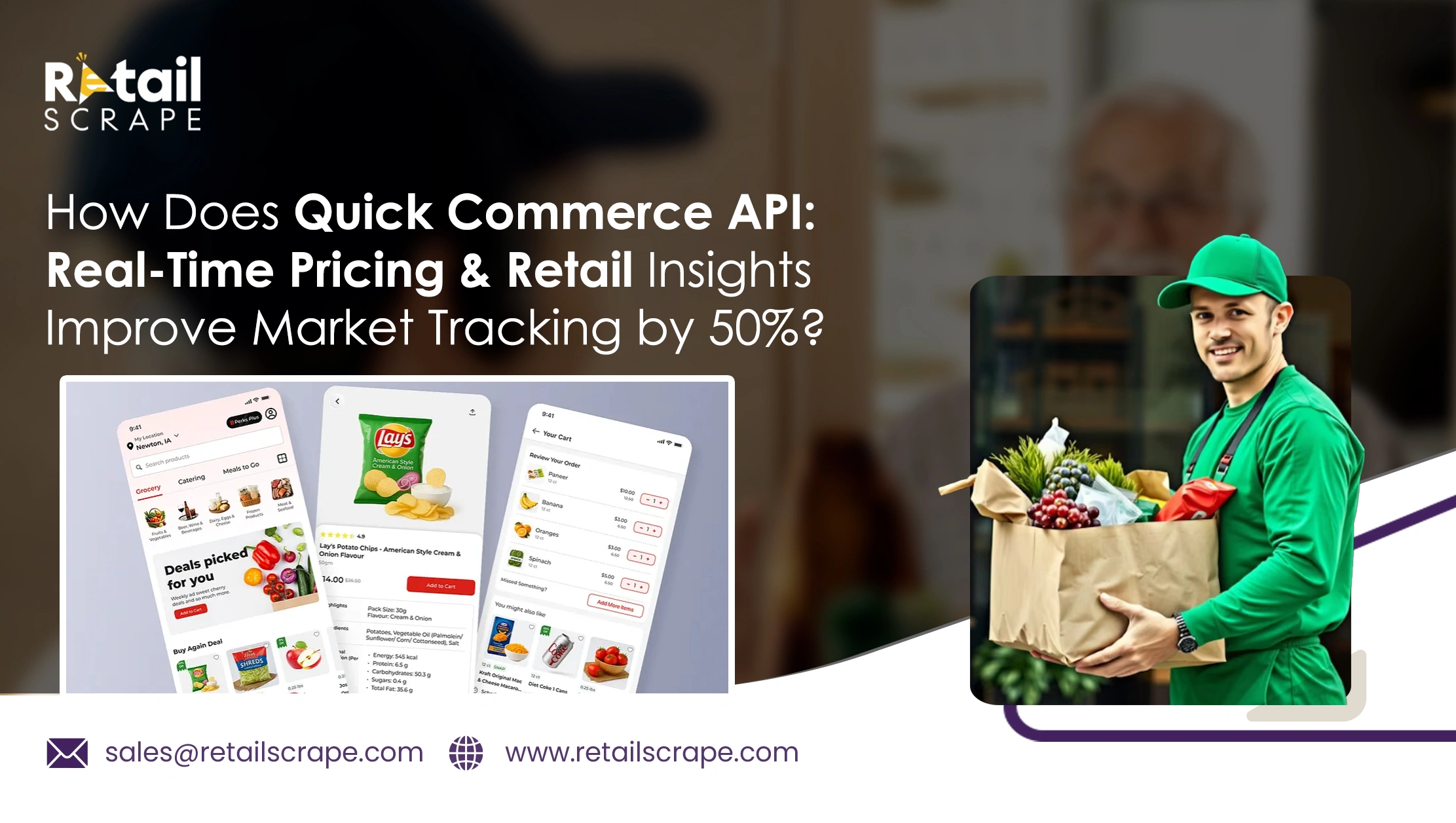
Quick commerce has changed how consumers purchase groceries, household essentials, personal care products, snacks, beverages, and everyday items. With delivery expectations often measured in minutes, retailers must continuously monitor product availability, pricing changes, discounts, assortment shifts, delivery fees, and competitor promotions.
A structured data strategy helps retailers convert marketplace activity into meaningful business intelligence. Quick Commerce API: Real-Time Pricing & Retail Insights supports faster access to product-level information across quick delivery platforms, helping teams understand how market conditions evolve throughout the day. Businesses can compare pricing patterns, identify stock gaps, monitor promotional movements, and evaluate category-level performance without waiting for weekly reports.
Retailers increasingly depend on Digital Shelf Monitoring to understand how products appear, rank, and perform across online storefronts. In 2026, market tracking is no longer limited to observing competitor prices once per week. By collecting accurate marketplace data, companies can reduce blind spots, improve planning, and make decisions based on current retail conditions rather than outdated assumptions.
Monitoring Market Shifts Across Delivery Platforms
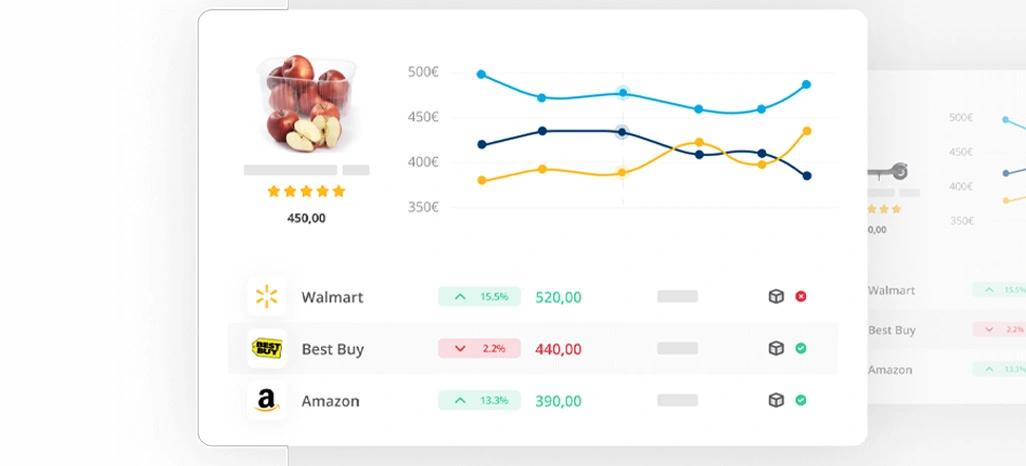
Pricing activity across quick commerce platforms changes frequently due to demand spikes, local competition, delivery charges, product availability, discount campaigns, and category-level promotions. Retailers that depend on manual research often struggle to identify these movements quickly because marketplace prices can vary by city, neighborhood, delivery zone, and time of day.
A Competitor Price Monitoring API helps businesses collect current product pricing, discounts, bundle offers, and fee-related information from multiple delivery platforms. Retail analysts can review price gaps, promotional frequency, and competitor changes through structured datasets that support faster action.
Research indicates that automated market monitoring can reduce pricing response time by nearly 50%. Retail businesses using continuous competitive data can also improve promotion planning by approximately 35%, particularly when tracking fast-moving grocery, household, beverage, and personal care categories.
| Market Challenge | Data Collection Method | Business Outcome |
|---|---|---|
| Frequent price updates | Automated product checks | Faster price responses |
| Regional price differences | Location-level comparisons | Improved local planning |
| Short-term discount activity | Promotion monitoring | Better campaign timing |
| Delivery fee changes | Fee tracking process | Stronger offer positioning |
| Category price movements | Product group analysis | Improved margin control |
An API for Competitor Price Tracking supports detailed comparisons between product prices, promotional offers, and category-level movements. Businesses can identify whether competitors are lowering rates, introducing bundles, or changing discounts during high-demand periods.
Improving Product Availability Through Continuous Visibility
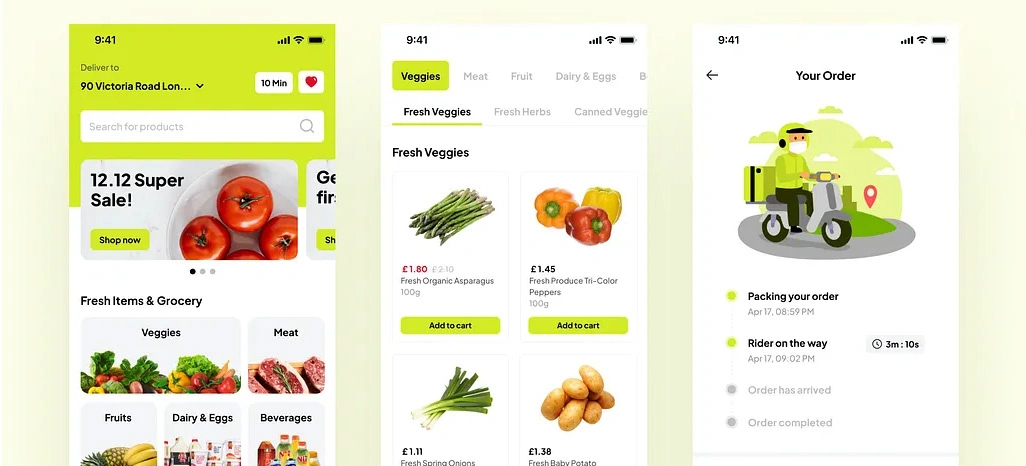
Product availability directly affects customer satisfaction, repeat purchases, and platform loyalty within the quick commerce ecosystem. When essential products are unavailable, customers may switch to another retailer, select substitute brands, or abandon their purchase entirely. Retailers need reliable visibility into product stock status, assortment changes, and competitor availability across locations to avoid missed demand opportunities.
A Quick Commerce Inventory Tracking API enables businesses to monitor product availability across delivery zones, cities, categories, and competitor storefronts. Teams can identify which products are regularly unavailable, which brands receive stronger placement, and where competitors maintain broader assortments.
A structured Quick Commerce Dataset can include product names, package sizes, inventory status, listing availability, promotional labels, category placement, and assortment variations. These details help analysts compare their catalog performance against competitor offerings and identify missing products within high-demand categories.
| Availability Challenge | Monitoring Process | Business Benefit |
|---|---|---|
| Frequent stockouts | Real-time listing checks | Reduced lost sales |
| Missing product options | Assortment comparisons | Better catalog planning |
| Uneven local availability | Zone-level analysis | Improved supply allocation |
| Competitor catalog expansion | Category tracking | Faster response planning |
| High-demand product gaps | Demand-based reporting | Better replenishment cycles |
Retailers that use continuous inventory visibility can reduce stockout-related revenue loss by 20% to 30% in fast-moving categories. A Retail Intelligence Platform Using APIs can centralize inventory, assortment, pricing, and promotion data into unified reports, allowing teams to make faster decisions and improve operational coordination across retail channels.
Building Stronger Competitive Strategies With Marketplace Data
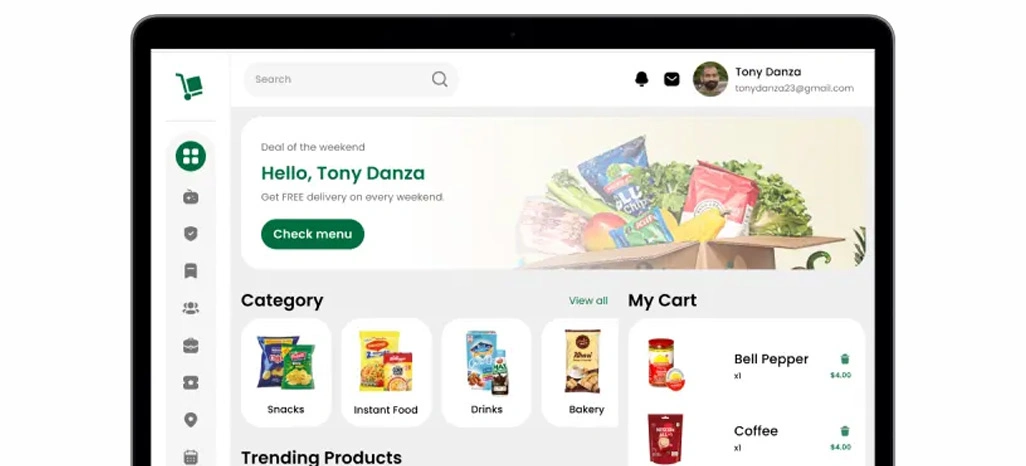
Competitive performance in quick commerce depends on more than product prices. Retailers must evaluate assortment depth, promotional visibility, delivery coverage, search placement, customer ratings, and product availability to understand how competing platforms attract and retain customers.
A Quick Commerce Data Scraping API supports the collection of marketplace information from product pages, category listings, search results, promotional banners, delivery areas, and retailer storefronts. This information helps businesses analyze competitor behavior across multiple locations and identify changes in product assortment, discount activity, and digital visibility.
Automated data collection can reduce manual research workloads by nearly 60%, while businesses using continuous competitor monitoring can improve market response speed by approximately 45%. These improvements help retail teams focus more on analysis, planning, and strategic action rather than repetitive marketplace checks.
| Competitive Signal | Information Collected | Strategic Advantage |
|---|---|---|
| Product assortment | Brand and SKU listings | Identifies catalog gaps |
| Promotional activity | Discount labels and offers | Supports campaign planning |
| Search placement | Product ranking positions | Improves marketplace visibility |
| Delivery coverage | Serviceable areas | Supports expansion planning |
| Customer feedback | Ratings and reviews | Improves product positioning |
A Quick Commerce API for Retail Intelligence helps businesses transform marketplace activity into structured reports for pricing, inventory, promotion, and assortment planning. Competitive Monitoring Using Quick Commerce APIs further supports long-term decision-making by identifying recurring competitor patterns, including weekend discounts, seasonal promotions, salary-cycle campaigns, and category-specific offers across quick delivery platforms.
How Retail Scrape Can Help You?
Retail Scrape helps businesses convert fast-changing marketplace activity into organized and actionable retail intelligence. By using Quick Commerce API: Real-Time Pricing & Retail Insights, retailers can monitor pricing, availability, product assortment, promotions, and competitor movements across multiple quick commerce platforms.
Our approach includes:
- Track changing product prices across delivery platforms
- Compare offers across cities and service areas
- Monitor product availability throughout the day
- Identify assortment gaps within important categories
- Review promotional activity from competing retailers
- Build structured reports for faster business decisions
Retail Scrape provides Grocery Retail Competitor Analysis Data that helps businesses evaluate competitor product ranges, price movements, stock availability, promotional patterns, and category-level activity.
Conclusion
Retail success increasingly depends on the ability to interpret fast-moving pricing, availability, and promotional changes across digital marketplaces. Quick Commerce API: Real-Time Pricing & Retail Insights helps businesses improve market visibility, reduce manual tracking efforts, and respond faster to competitor activity. With reliable data access, teams can make better decisions across pricing, inventory, assortment, and campaign planning.
A stronger competitive strategy requires continuous monitoring rather than occasional research. Grocery Retail Business Intelligence Data helps retailers understand changing customer demand and competitor behavior with greater accuracy. Contact Retail Scrape today to build a reliable data workflow that supports faster, smarter, and more informed quick commerce decisions.
Effortlessly managing intricacies with customized strategies.
Mitigating risks, navigating regulations, and cultivating trust.
Leveraging expertise from our internationally acclaimed team of developers
Reliable guidance and assistance for your business's advancement