
Why Are Marketplace Product Matching Strategies for Retailers Essential for Better Catalog Accuracy?

Introduction
Retailers managing products across multiple online marketplaces often face inconsistent listings, duplicate records, and inaccurate pricing. These challenges reduce customer confidence and complicate inventory management. Implementing Marketplace Product Matching Strategies for Retailers helps businesses maintain clean, standardized catalogs while improving operational efficiency.
Combined with reliable Web Scraping Services, businesses can collect accurate marketplace data for consistent catalog updates. Accurate product matching connects identical products listed under different names, formats, or seller descriptions. This process minimizes duplicate entries, improves search visibility, and creates a consistent shopping experience across multiple channels.
A well-maintained catalog also improves pricing accuracy, inventory planning, and product discoverability. Businesses using automated product matching can respond faster to market changes, monitor competitors effectively, and ensure customers always receive reliable product information. Better catalog accuracy ultimately contributes to stronger marketplace performance and higher operational productivity.
Strengthening Unified Product Records Across Diverse Retail Channels
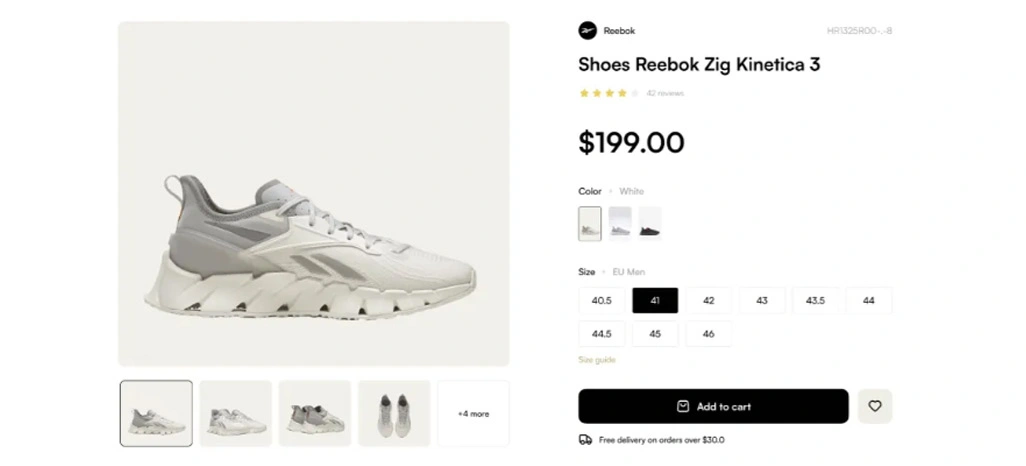
Retailers managing extensive online catalogs often encounter duplicate listings, inconsistent attributes, and mismatched product identifiers. These issues directly affect customer trust and operational efficiency. In the middle of this workflow, Product Data Matching ensures identical products are correctly identified despite differences in titles, descriptions, or seller formats, reducing manual verification efforts.
As retailers expand across multiple selling platforms, maintaining consistency becomes increasingly challenging. Businesses implementing Cross Marketplace Product Matching can standardize product information, improve SKU alignment, and eliminate duplicate records across marketplaces. This structured approach creates reliable product relationships while supporting consistent catalog organization for long-term marketplace success.
Beyond operational improvements, accurate product matching also strengthens inventory management and pricing consistency. Retailers using Product Matching for Ecommerce Retailers benefit from improved catalog organization, better reporting accuracy, and streamlined product updates across multiple digital storefronts. These improvements allow businesses to react faster to marketplace changes while minimizing catalog discrepancies.
Key Benefits:
- Reduces duplicate catalog entries
- Improves SKU consistency
- Simplifies inventory organization
- Enhances catalog quality
- Supports faster product identification
- Strengthens marketplace consistency
Organizations investing in intelligent catalog management often experience measurable improvements in operational performance. Industry research suggests that nearly 68% of retailers reduce catalog inconsistencies after adopting automated product comparison strategies. Consistent product records also contribute to improved customer satisfaction and more reliable business intelligence for future marketplace expansion.
| Catalog Challenge | Business Impact |
|---|---|
| Duplicate products | Lower accuracy |
| Missing attributes | Poor consistency |
| Incorrect identifiers | Inventory confusion |
| Manual validation | Higher operational effort |
Advancing Consistent Operations Through Smarter Catalog Synchronization
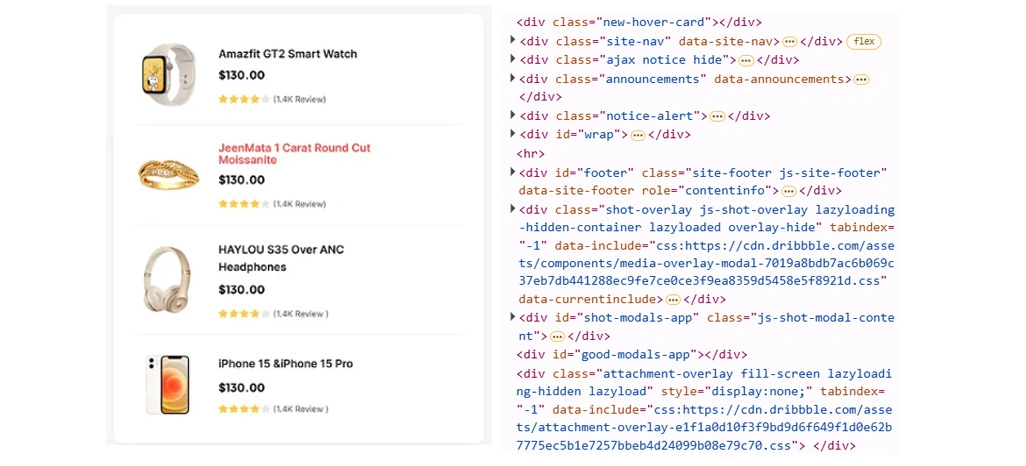
Retail businesses selling across multiple online marketplaces require continuous synchronization to maintain accurate listings and pricing. Automated data collection significantly reduces manual effort while improving consistency across product catalogs. Integrating an E-Commerce Scraping API into marketplace operations enables businesses to collect updated product information efficiently, supporting reliable synchronization and reducing operational delays.
Managing catalogs across numerous platforms becomes easier with standardized product relationships. Businesses using Multi Marketplace Product Matching improve listing consistency, organize product information more effectively, and maintain accurate marketplace records across different selling channels. This approach minimizes mismatched listings while improving the customer shopping experience.
Retailers operating on major marketplaces must also maintain identical product records despite platform-specific differences. Implementing Product Matching for Amazon and Walmart enables organizations to compare similar products accurately, improve pricing consistency, and simplify inventory alignment between leading ecommerce platforms.
Key Benefits:
- Maintains synchronized product listings
- Reduces manual catalog updates
- Improves marketplace consistency
- Supports pricing alignment
- Enhances operational efficiency
- Simplifies cross-platform management
Recent industry reports indicate that businesses adopting automated catalog synchronization improve operational productivity by approximately 55%. Consistent marketplace updates reduce listing errors, strengthen inventory visibility, and support faster business decisions while ensuring product information remains reliable across expanding digital commerce ecosystems.
| Synchronization Activity | Operational Value |
|---|---|
| Continuous updates | Better efficiency |
| Listing management | Improved consistency |
| Inventory alignment | Fewer discrepancies |
| Automated monitoring | Faster workflows |
Enhancing Business Intelligence Through Reliable Marketplace Insights

Accurate marketplace intelligence enables retailers to make informed merchandising, inventory, and pricing decisions. Reliable product information supports stronger catalog performance while improving overall retail operations. Using an Ecommerce Product Dataset API allows businesses to organize marketplace information efficiently and maintain structured datasets for continuous product analysis and reporting.
Comprehensive marketplace visibility depends on collecting well-structured product information from multiple sources. Businesses utilizing Marketplace Product Catalog Scraping improve product standardization while creating organized catalogs that simplify product comparison, inventory management, and operational reporting. Accurate data collection provides a dependable foundation for long-term marketplace growth.
Retail organizations also benefit from advanced analytical datasets that reveal product trends and customer purchasing behavior. Leveraging a Marketplace Product Performance Analytics Dataset alongside a Marketplace Product Demand Analytics Dataset helps businesses evaluate product performance, forecast inventory needs, and improve merchandising strategies using reliable marketplace intelligence.
Key Benefits:
- Improves product intelligence accuracy
- Supports inventory forecasting
- Strengthens merchandising decisions
- Organizes marketplace information
- Enhances analytical reporting
- Enables informed retail planning
Industry research indicates that retailers implementing automated marketplace intelligence solutions improve catalog accuracy by nearly 42% while strengthening reporting quality and operational decision-making. Better product visibility allows organizations to respond quickly to market changes, improve inventory planning, and support sustainable ecommerce growth.
| Intelligence Category | Business Advantage |
|---|---|
| Product insights | Better planning |
| Demand evaluation | Inventory optimization |
| Performance monitoring | Smarter decisions |
| Market reporting | Operational improvement |
How Retail Scrape Can Help You?
Businesses implementing Marketplace Product Matching Strategies for Retailers improve catalog consistency, reduce duplicate listings, and strengthen pricing accuracy while maintaining reliable Product Availability across different selling platforms.
We deliver scalable marketplace intelligence solutions designed to support accurate catalog management and business growth through:
- Collect structured marketplace product information
- Maintain consistent inventory synchronization
- Improve pricing comparison accuracy
- Reduce duplicate product listings
- Monitor marketplace changes continuously
- Support data-driven retail decisions
Along with these capabilities, Retail Scrape also supports Product Matching for Price & Catalog Comparison, helping retailers maintain consistent catalogs, improve competitive analysis, and simplify marketplace operations with dependable product intelligence.
Conclusion
Maintaining accurate marketplace catalogs requires continuous synchronization, standardized product information, and reliable matching methods. Businesses adopting Marketplace Product Matching Strategies for Retailers can improve catalog quality, strengthen customer experience, and create more consistent marketplace operations while supporting long-term retail growth.
Accurate product intelligence also enables better business decisions through Product Matching for Price & Catalog Comparison, helping retailers compare listings efficiently and maintain competitive pricing. Contact Retail Scrape today to build smarter catalog management solutions and improve marketplace performance with reliable retail data.