


What Makes Product Catalog Integration From Multiple Data Sources Guide Essential for Modern Brands?

Introduction
Modern brands operate across marketplaces, brand websites, social commerce platforms, and retail distribution networks, making product consistency a growing challenge. Customers expect accurate pricing, synchronized inventory, detailed specifications, and updated product descriptions regardless of where they shop. Managing disconnected catalogs often leads to duplicate listings, inconsistent attributes, delayed updates, and poor customer experiences.
This is why businesses increasingly rely on structured catalog integration strategies that centralize information from multiple channels into one unified ecosystem. The Product Catalog Integration From Multiple Data Sources Guide helps businesses simplify complex product ecosystems while improving operational efficiency and customer trust. Integrated catalogs support better merchandising decisions, streamlined workflows, and accurate product visibility across online and offline channels.
Advanced platforms powered by Web Scraping Services also help businesses collect competitor pricing, product specifications, and assortment trends from multiple online marketplaces to maintain competitive positioning. Brands that implement efficient catalog integration frameworks are better prepared to manage evolving ecommerce environments while maintaining operational accuracy and customer satisfaction.
Building Consistent Product Experiences Across Expanding Sales Channels
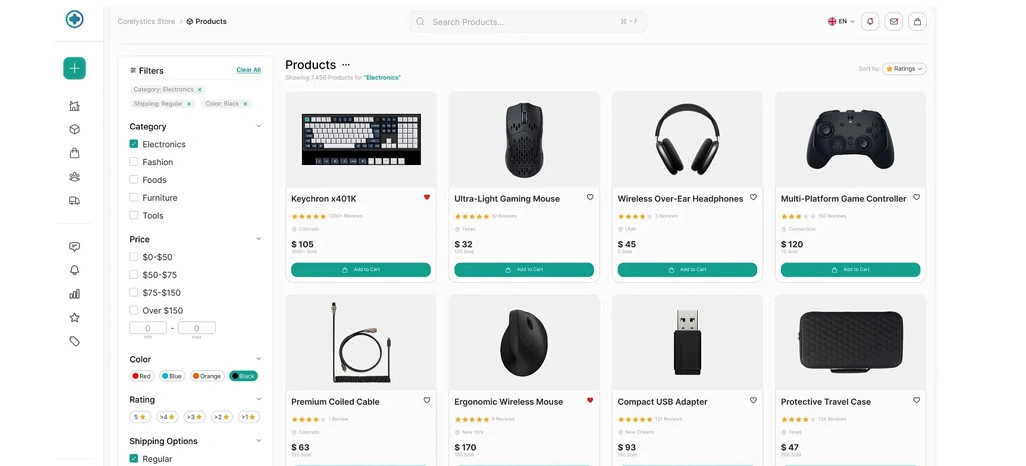
Managing product information across multiple ecommerce platforms has become increasingly difficult for modern businesses operating in competitive digital environments. Brands selling across marketplaces, direct websites, mobile applications, and retail platforms often face issues like inconsistent specifications, duplicate product entries, pricing mismatches, and delayed inventory updates.
Businesses increasingly rely on Marketplace Product Dataset API solutions to collect structured information from multiple marketplaces and maintain consistency across their digital ecosystems. At the same time, Product Data Mapping and Standardization Techniques help organizations align product titles, specifications, descriptions, and categories into a unified structure that simplifies catalog management processes.
Many brands also implement Real Time Product Catalog Synchronization Tools to automatically update product inventory, availability, and attributes without manual intervention across different sales platforms. Integrated synchronization frameworks help businesses reduce operational bottlenecks while improving product accuracy and customer satisfaction across omnichannel ecosystems.
| Operational Issue | Integration Approach | Business Improvement |
|---|---|---|
| Duplicate product entries | Standardized catalog mapping | Improved consistency |
| Delayed inventory updates | Automated synchronization | Faster stock visibility |
| Pricing inconsistencies | Dynamic pricing monitoring | Better competitiveness |
| Fragmented supplier feeds | Unified product management | Streamlined operations |
| Incorrect specifications | Structured data alignment | Improved customer trust |
Operational teams additionally depend on Real Time Price Monitoring systems to track changing competitor prices and maintain pricing consistency throughout dynamic marketplace conditions. Centralized product structures also simplify supplier onboarding, regional catalog expansion, and marketplace compliance management for growing ecommerce businesses.
Streamlining Product Intelligence Through Unified Data Ecosystems
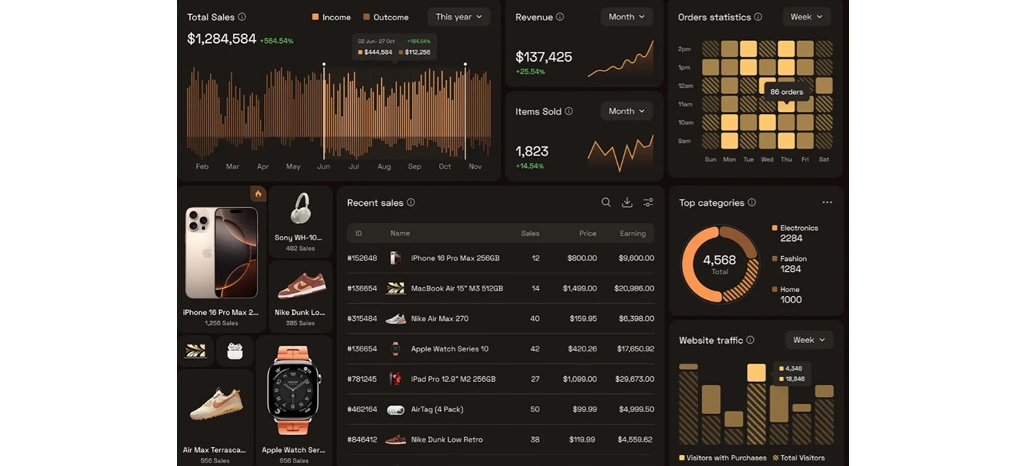
Modern ecommerce businesses generate massive volumes of product information from suppliers, competitors, marketplaces, and customer interaction platforms. Without organized consolidation systems, companies often struggle to analyze product performance accurately or manage operational workflows efficiently. Organizations increasingly adopt Ecommerce Product Data Consolidation Tools to combine marketplace feeds, inventory systems, supplier databases, and pricing structures into one centralized ecosystem.
To strengthen forecasting accuracy, companies rely on Marketplace Product Demand Analytics Dataset solutions that identify changing customer interests, seasonal demand patterns, and high-performing product categories. Many organizations also implement Automated Product Data Unification Using APIs to simplify data synchronization and improve operational scalability. Integrated systems powered by Marketplace Product Analytics API Dataset structures support faster reporting, automated workflows, and enhanced decision-making for merchandising teams.
Businesses further enhance external data collection capabilities through Web Scraping API technologies that gather competitor assortment information, promotional trends, and marketplace pricing insights from online sources. Centralized product ecosystems help companies reduce onboarding delays, improve reporting accuracy, and create scalable operational infrastructures capable of supporting long-term ecommerce growth.
| Data Management Area | Applied Solution | Operational Result |
|---|---|---|
| Marketplace reporting | Consolidated analytics systems | Faster insights |
| Product forecasting | Demand intelligence tools | Improved inventory planning |
| Supplier integration | API-based automation | Reduced manual work |
| Competitive monitoring | External data collection | Better market awareness |
| Catalog synchronization | Unified data environments | Operational scalability |
These systems improve operational visibility while reducing manual data processing challenges across large-scale ecommerce environments. Businesses additionally use Marketplace Product Performance Analytics Dataset frameworks to evaluate product visibility, marketplace rankings, and sales performance across multiple selling platforms.
Enhancing Omnichannel Operations With Intelligent Product Infrastructure
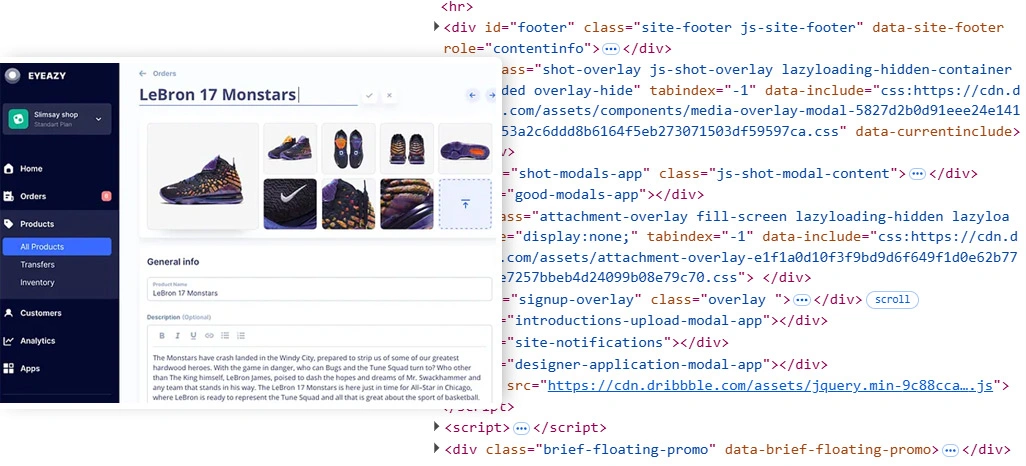
Businesses operating across multiple digital commerce channels require intelligent infrastructures capable of maintaining accurate product information at scale. Organizations increasingly use Marketplace Product Research Analytics Dataset platforms to identify emerging product trends, customer preferences, and category performance across competitive marketplaces.
These insights help businesses improve assortment planning while supporting faster product expansion into new sales channels. At the same time, Marketplace Product Intelligence Analytics Dataset systems provide valuable operational visibility into product performance, merchandising strategies, and customer engagement metrics.
Many ecommerce businesses additionally rely on Ecommerce Product Performance Dataset structures to evaluate product conversions, traffic behavior, inventory movement, and overall sales efficiency across centralized commerce ecosystems. Advanced brands often combine catalog intelligence systems with E-Commerce Data Scraping technologies to collect external marketplace information, monitor competitor activities, and analyze assortment strategies across dynamic digital commerce environments.
| Omnichannel Challenge | Intelligent Infrastructure | Business Benefit |
|---|---|---|
| Inconsistent product experiences | Centralized catalog systems | Better customer satisfaction |
| Limited marketplace visibility | Product intelligence frameworks | Improved discoverability |
| Complex inventory coordination | Automated synchronization | Faster operations |
| Competitive pricing pressure | Market analytics systems | Strategic pricing decisions |
| Expansion across sales channels | Unified infrastructure | Scalable business growth |
Integrated infrastructures simplify supplier onboarding, reduce duplicate data management, and improve operational coordination across global ecommerce ecosystems. Businesses implementing centralized catalog frameworks can scale faster while maintaining stronger operational accuracy and consistent customer experiences.
How Retail Scrape Can Help You?
Managing product information across multiple marketplaces and ecommerce channels requires advanced integration expertise and scalable automation systems. The Product Catalog Integration From Multiple Data Sources Guide helps businesses simplify product operations, improve synchronization accuracy, and maintain consistent catalog visibility across rapidly expanding digital commerce environments.
We provide customized data integration and automation solutions designed to support modern ecommerce ecosystems.
- Simplify complex product feed management across multiple sales platforms
- Improve inventory visibility with automated synchronization workflows
- Standardize product attributes for better marketplace consistency
- Reduce duplicate listings and manual catalog management errors
- Monitor competitor pricing and assortment trends efficiently
- Support scalable product expansion across global ecommerce ecosystems
Our advanced E-Commerce Data Intelligence capabilities combined with scalable integration frameworks help brands improve decision-making, accelerate product operations, and maintain accurate omnichannel product ecosystems for long-term digital commerce success.
Conclusion
Modern ecommerce businesses require scalable systems that maintain consistency, accuracy, and operational efficiency across rapidly growing digital channels. The Product Catalog Integration From Multiple Data Sources Guide supports businesses in building centralized product ecosystems that improve synchronization, reduce errors, and strengthen omnichannel customer experiences.
Brands implementing integrated catalog infrastructures supported by Marketplace Product Analytics API Dataset systems can improve operational agility while optimizing product visibility and decision-making. Contact Retail Scrape today to streamline your product integration strategy and accelerate sustainable ecommerce growth across competitive marketplaces.