


How Can Biedronka Grocery Data Scraping Improve Price Monitoring and Promotion Analysis for Retailers?
Introduction
In today’s hyper-competitive grocery landscape, tracking dynamic market shifts is essential for maintaining profitable margins. Supermarket giants like Biedronka constantly adjust pricing, launch weekly promotional campaigns, and alter product availability across thousands of SKUs. Without automated market intelligence, competing retailers struggle to react quickly enough to counter these rapid commercial strategies effectively.
Web intelligence solutions offer a direct pathway to operational efficiency by replacing manual price checks with real-time automated data collection pipelines. Biedronka Grocery Data Scraping enables retail businesses to monitor competitor movements seamlessly, ensuring their own pricing models remain agile, accurate, and aligned with consumer demand trends across regional markets.
By systematic extraction of public e-commerce and promotional catalog datasets, retailers gain transparent access to critical competitive metrics. This data-driven strategy empowers commercial teams to optimize baseline rates, construct compelling counter-promotions, and capture expanding market share without eroding overall profit margins.
Strategic Price Optimization Tactics for Modern Retail Enterprise
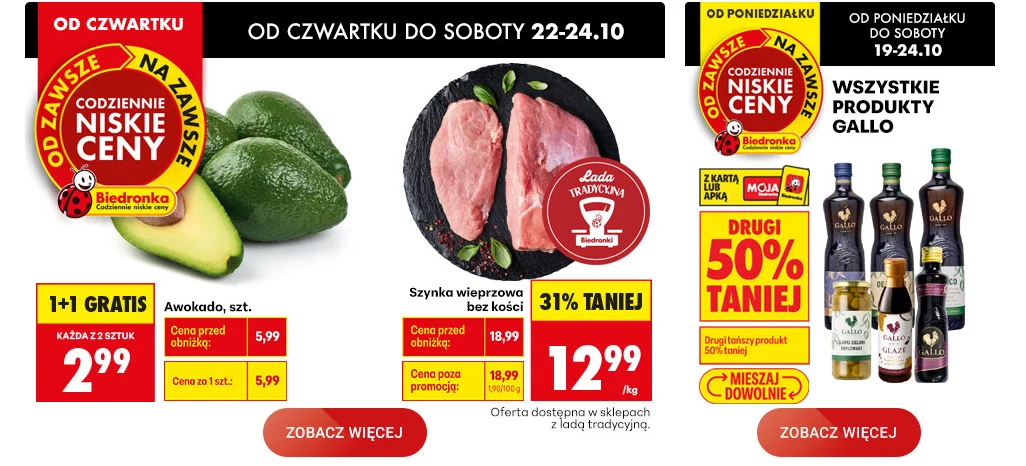
Modern supermarket operations depend on precise baseline pricing intelligence to maintain solid profit margins across diverse product lines. Retail managers who rely on advanced Biedronka Price Monitoring Services can swiftly detect micro-adjustments in local market pricing, ensuring their own brand remains competitive without sacrificing profitability. Continuous tracking provides commercial teams with real-time visibility into baseline price trends across all primary grocery departments.
Establishing automated web intelligence pipelines removes manual data collection burdens while significantly improving market response speeds. Organizations that implement automated Biedronka Grocery Price Analysis inside their core analytics workflows routinely discover critical price gaps, seasonal baseline changes, and local market positioning opportunities before competitors react. This automated stream delivers the foundational market visibility required for long-term commercial success.
| Product Category | Avg Baseline Price (PLN) | Competitor Variance (%) | Stock Availability Rate (%) |
|---|---|---|---|
| Dairy & Eggs | 4.85 | -3.2% | 98.4% |
| Fresh Produce | 6.50 | +1.5% | 94.2% |
| Packaged Snacks | 3.99 | -5.0% | 99.1% |
| Beverages | 5.20 | +0.8% | 97.6% |
Analytical surveys reveal that retailers utilizing programmatic tracking systems achieve notable operational efficiency gains across regional grocery operations. These data streams allow pricing departments to optimize margin structures with continuous precision:
- Automated baseline price collection across thousands of regional SKUs.
- Direct identification of localized price variance trends across departments.
- Faster operational response times when executing dynamic repricing strategies.
Incorporating clean, standardized price data directly into executive decision systems guarantees consistent commercial performance. By continuously monitoring competitive price distributions, retail managers can safeguard existing market share, adjust category strategies dynamically, and build resilient pricing structures that easily withstand aggressive market fluctuations.
Advanced Promotion Analysis Strategies for Supermarket Campaign Intelligence
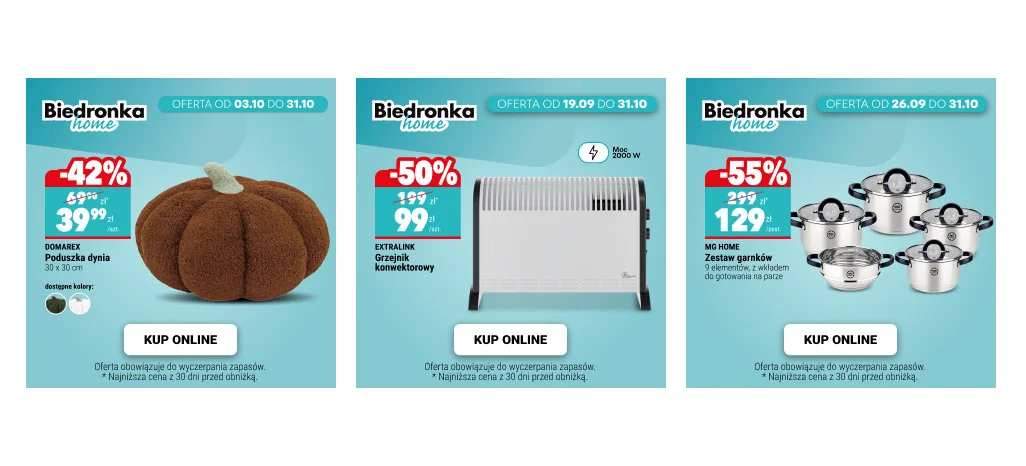
Promotional activities significantly influence shopper decisions and drive massive sales volume across competitive retail networks. By leveraging a high-throughput Biedronka Data Scraping API connection, marketing analysts gain real-time access to competitors' daily discount depth, campaign lead times, and specialized promotional structures. This raw commercial insight allows retailers to build highly effective counter-promotional campaigns well in advance.
Understanding how competing chains construct buy-one-get-one deals and temporary markdowns prevents unexpected losses in market share. Integrating specialized Biedronka Promotion Tracking routines into weekly marketing audits provides commercial teams with exact metrics regarding competitor promotional intensity, seasonal campaign timing, and campaign longevity. Consequently, promotional strategies remain sharp, effective, and perfectly timed.
| Promotion Type | Avg Discount Depth (%) | Lead Time (Days) | Campaign Frequency |
|---|---|---|---|
| Multibuy Deals | 25.0% | 3 | Bi-weekly |
| Weekly Flyer Specials | 18.5% | 7 | Weekly |
| Loyalty App Markdown | 30.0% | 1 | Daily |
| Clearance Discount | 40.0% | 0 | Variable |
Commercial data confirms that firms tracking rival discount frequencies experience up to a 14% improvement in promotional campaign ROI. Executing timely Biedronka Weekly Offers Data Extraction allows merchandising staff to craft competitive circulars that attract price-sensitive consumers effectively:
- In-depth visibility into active multibuy structures and loyalty application specials.
- Precise quantification of discount depths across key promotional categories.
- Strategic campaign lead time insights for optimal counter-promotional scheduling.
Systematic campaign benchmarking allows retail executives to evaluate competitor marketing velocity with complete accuracy. Accessing comprehensive promotional archives helps commercial strategists anticipate seasonal discount waves, optimize marketing budget spend, and secure maximum consumer conversion without eroding baseline profit margins.
Assortment Mapping Insights for Enhancing Enterprise Retail Analytics
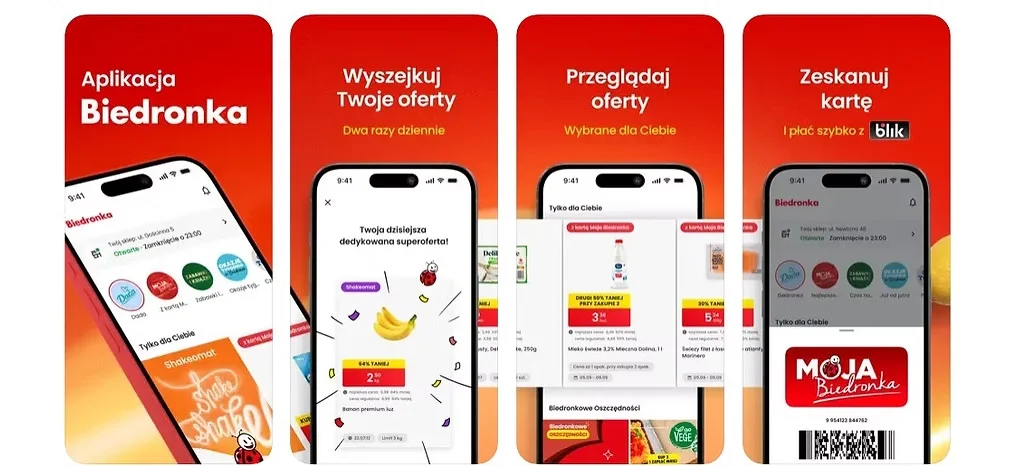
Maintaining optimal inventory coverage requires granular insight into rival catalog breadths, private-label expansions, and product availability. Incorporating clean Biedronka Grocery Data for Retail Analytics allows category managers to spot catalog omissions, map brand representation, and analyze private-label market share across key grocery segments. This intelligence ensures retail shelves remain balanced and aligned with shifting shopper demand.
Continuous product data collection reveals subtle inventory developments, including shrinkflation shifts, unit size changes, and localized stock shortages. Utilizing end-to-end Biedronka Product Data Scraping protocols allows commercial teams to monitor item-level shifts automatically, providing early warnings when competitors introduce new regional SKUs or reformulate flagship product offerings.
| Product Sector | Active SKU Count | Organic SKU Ratio (%) | Private Label Share (%) |
|---|---|---|---|
| Meat & Seafood | 320 | 8.5% | 42.0% |
| Pantry Staples | 850 | 12.0% | 55.0% |
| Personal Care | 410 | 15.2% | 28.0% |
| Frozen Foods | 290 | 6.0% | 48.0% |
Retailers utilizing granular item tracking consistently reduce out-of-stock occurrences by 22% while boosting category sales performance. Robust assortment analysis provides category managers with actionable advantages across core product verticals:
- Complete visibility into regional brand coverage and private-label market share.
- Early detection of emerging product packaging changes and unit size variations.
- Identification of key catalog supply gaps to expand high-demand inventory.
Comprehensive catalog tracking links consumer purchasing behavior directly to product availability metrics. By continuously analyzing assortment depth and inventory stability across competing supermarket networks, enterprise teams can refine stock allocation, streamline supplier negotiations, and maximize overall operational profitability.
How Retail Scrape Can Help You?
Accurate web data extraction helps businesses monitor complex retail environments at scale, while the Biedronka Web Scraping Tutorial explains how to collect relevant retail data efficiently. Implementing Biedronka Grocery Data Scraping through enterprise automated scrapers guarantees accurate, real-time data feeds directly delivered into your decision engine.
- Custom customized data extraction pipelines configured for web, mobile app, and digital promotional flyers.
- Enterprise IP rotation mechanisms ensure uninterrupted continuous extraction without rate-limit disruptions.
- Automated data normalization transforming raw product listings into clean structured JSON or CSV formats.
- Comprehensive API integrations delivering direct pipeline connections to leading business intelligence platforms.
- Advanced scheduled monitoring delivering daily, weekly, or real-time catalog alert updates seamlessly.
- Rigorous automated validation checks ensuring accurate pricing, unit size, and stock availability metrics.
Partnering with an experienced data extraction provider streamlines enterprise intelligence workflows while reducing technical overhead. Utilizing proven Scrape Biedronka Product Prices and Promotions strategies empowers retail businesses to focus entirely on actionable commercial insights rather than managing scraper maintenance.
Conclusion
Supermarket retail demands rapid execution backed by accurate competitive intelligence. Implementing continuous Biedronka Grocery Data Scraping equips commercial leaders with deep market visibility, enabling smarter pricing strategies, optimized promotional schedules, and improved catalog placement.
Enterprise organizations that transition away from slow manual reporting toward automated data streams capture sustainable market share while protecting bottom-line profitability. Integrating systematic Biedronka Product Data Extraction into your central analytics hub guarantees your business maintains a sharp competitive advantage across all product categories. Contact Retail Scrape today to schedule a custom demonstration of our grocery scraping solution.