
How Can Food Industry Web Scraping Reveal 35% Smarter Pricing and Menu Optimization?
Introduction
The food sector is undergoing significant transformation as restaurants increasingly leverage advanced data collection methods to understand market dynamics and enhance their offerings. Food Data Scraping delivers actionable insights not only on pricing but also on customer reviews, promotional offers, and delivery patterns, empowering restaurants to make informed decisions and respond swiftly to evolving trends.
With the rising competition in the food delivery ecosystem, restaurants that fail to analyze large datasets risk losing their edge. Smart pricing strategies, based on actual customer behavior and competitive intelligence, can improve revenue by up to 35%. Similarly, tailoring menu items to reflect preferences captured via web data can boost customer satisfaction and repeat orders.
Moreover, Menu Optimization Using Data allows restaurants to understand which items are high performers and which need adjustments. This combination of analytics and practical application ensures decisions are not just intuition-based but driven by measurable patterns. Data-driven decision-making through Food Industry Web Scraping equips restaurants with the necessary insights to balance profitability with customer appeal, providing a clear competitive advantage in today’s dynamic food market.
How Restaurants Can Analyze Competitor Menus Efficiently?
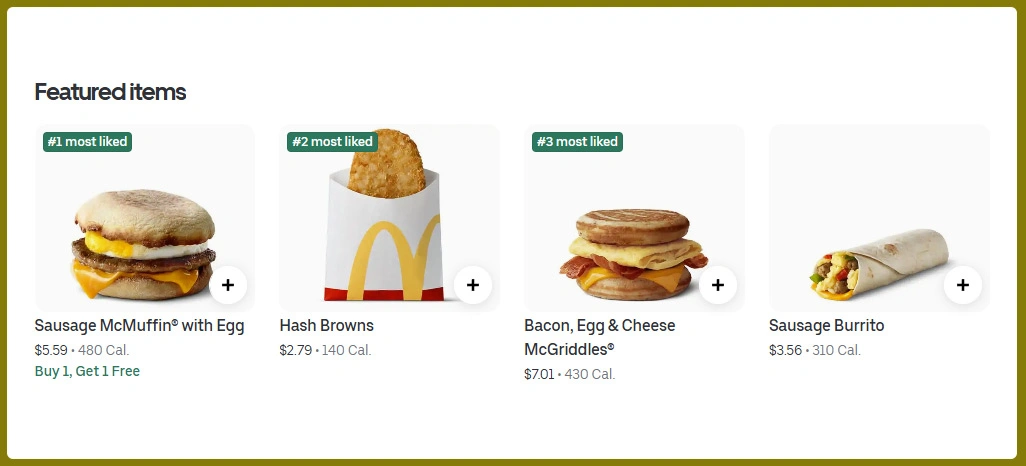
Restaurants often face challenges in understanding how their menu and pricing stack up against the competition. Leveraging structured digital insights, operators can monitor popular dishes, promotional offers, and customer trends across multiple platforms. Integrating Food Industry Data API enables businesses to extract detailed, real-time data from several delivery apps, which can then inform menu updates and pricing strategies.
| Challenge | Insight from Data Analytics | Operational Benefit |
|---|---|---|
| Low-selling menu items | Identify items with low order frequency and ratings | Reduce waste and improve profitability |
| Competitor pricing | Monitor competitor promotions and seasonal offers | Adjust own pricing to remain competitive |
| Regional menu preferences | Analyze multi-location customer behavior | Tailor menus to local tastes |
By analyzing competitor strategies, restaurants gain clarity on which items are performing well and which require refinement. Additionally, Menu and Price Scraping allows for continuous tracking of competitor offerings, ensuring that operators can respond quickly to market shifts. For instance, identifying trending dishes or pricing patterns can help restaurants introduce new items or promotions that align with customer expectations.
Moreover, employing Web Scraping Solutions for Food Industry Analytics reduces manual tracking efforts, automates data collection, and provides actionable insights for menu planning. Operators can prioritize high-demand items, adjust portion sizes, and identify opportunities for limited-time offers.
By systematically tracking competitor menus, restaurants can make informed decisions rather than relying solely on intuition. Data-driven menu planning ensures that offerings remain appealing, promotions are strategically timed, and pricing aligns with market expectations.
Effective Methods To Adjust Restaurant Prices Strategically
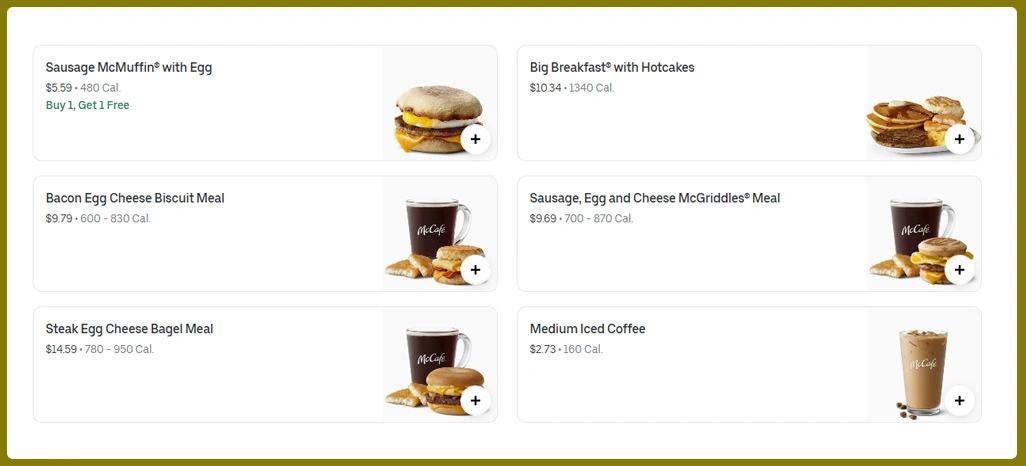
Optimizing pricing is a critical factor for restaurant profitability and customer retention. Through advanced analytics, operators can analyze real-time market conditions, competitor pricing, and customer demand to make informed decisions. Implementing Dynamic Pricing for Restaurants allows businesses to adjust prices according to peak hours, order volume, and trending promotions, ensuring better revenue optimization.
| Pricing Focus | Data Source | Measurable Outcome |
|---|---|---|
| Competitor comparison | Online menus and apps | Align pricing to maintain competitive advantage |
| Peak demand pricing | Historical order trends | Maximize revenue during high-demand periods |
| Seasonal offers | Customer search patterns and trends | Improve sales during promotional periods |
Restaurants using this approach have observed significant results, including up to 35% improvement in revenue through Price Optimization. By dynamically adjusting prices, operators can increase profits while ensuring affordability for customers. Monitoring real-time competitor promotions ensures that pricing remains competitive and aligned with market standards.
Additionally, integrating Using Food Delivery App Data to Optimize Restaurant Offers function provides insights into the most effective discounts, popular combo deals, and seasonal menu adjustments. Restaurants can identify which offerings drive higher orders, optimize inventory, and plan targeted marketing campaigns.
Ultimately, adopting this data-driven pricing approach creates a more efficient and responsive operation. Restaurants gain actionable intelligence to balance profitability with customer satisfaction while staying aligned with broader industry trends. By analyzing market behavior and adjusting pricing strategies proactively, operators can ensure consistent performance and sustainable growth.
Strategies To Improve Menu Choices Based On Customer Insights
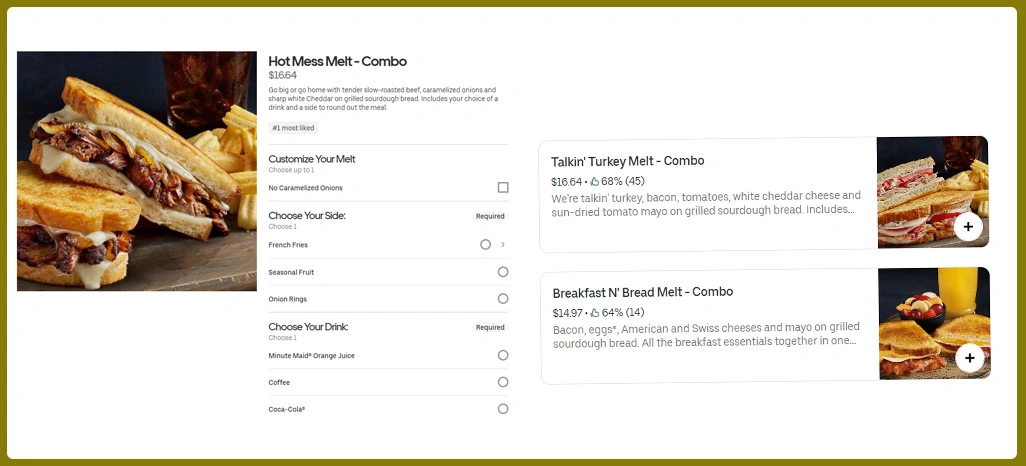
Ensuring that menus reflect customer preferences is essential for sustained restaurant success. By analyzing delivery platform data, operators can identify popular dishes, seasonal trends, and dietary preferences to improve offerings. Access to Food Delivery App Menu Datasets allows restaurants to track customer behavior and understand which menu items generate the most interest and orders.
| Focus Area | Data Insight | Recommended Action |
|---|---|---|
| High-demand dishes | Frequency of orders and customer ratings | Highlight popular items and adjust portions |
| Seasonal items | Trends in customer searches and sales | Launch limited-time promotions |
| Dietary preferences | Reviews and ingredient popularity | Introduce healthier or specialty options |
These datasets allow restaurants to make informed decisions on menu adjustments, ensuring that offerings are relevant and appealing. By using Menu and Price Data Scraping for Restaurant Insights, operators can compare menu performance across locations, identify gaps in the offerings, and introduce new items that meet evolving customer preferences.
Incorporating Food Delivery Market Trends also helps restaurants anticipate market changes, prepare inventory efficiently, and plan promotions that resonate with consumers. Data-driven menu refinement ensures that each dish contributes to profitability while catering to diverse tastes.
By combining customer behavior insights with industry analytics, restaurants can optimize menus, reduce food waste, and enhance operational efficiency. Data-backed decisions create a balanced approach where profitability and customer satisfaction go hand in hand, ensuring long-term business success in a competitive food market.
How Retail Scrape Can Help You?
Restaurants looking to transform their operations can rely on Food Industry Web Scraping to gain actionable insights that improve menu planning and pricing efficiency. We offer comprehensive solutions for extracting data from multiple food delivery platforms, helping businesses make data-informed decisions.
Key benefits include:
- Streamlined data collection across multiple sources.
- Real-time insights into competitor activities.
- Identification of high-demand menu items.
- Insights into seasonal and regional trends.
- Automated tracking of pricing and promotions.
- Reduced resource costs and operational overhead.
By integrating Web Scraping Tools for Restaurant Insights, restaurants can automate menu analysis, track pricing patterns, and monitor market dynamics effortlessly. This enables operators to stay proactive, adapt to changing customer preferences, and maximize revenue opportunities without manual data collection burdens.
Conclusion
Adopting Food Industry Web Scraping empowers restaurants to make smarter, evidence-based decisions regarding menu offerings and pricing strategies. Data-driven insights enhance operational efficiency, improve customer satisfaction, and provide a measurable boost in profitability.
Furthermore, using Menu Optimization Using Data ensures that restaurant decisions align with evolving consumer trends and competitor behavior. Restaurants can implement precise menu adjustments, optimize pricing, and anticipate market changes with confidence. Contact Retail Scrape now to get started!