


How Can Instamart SKU & Price Data Scraping for Market Insights Improve 45% Faster Delivery Analysis?
Introduction
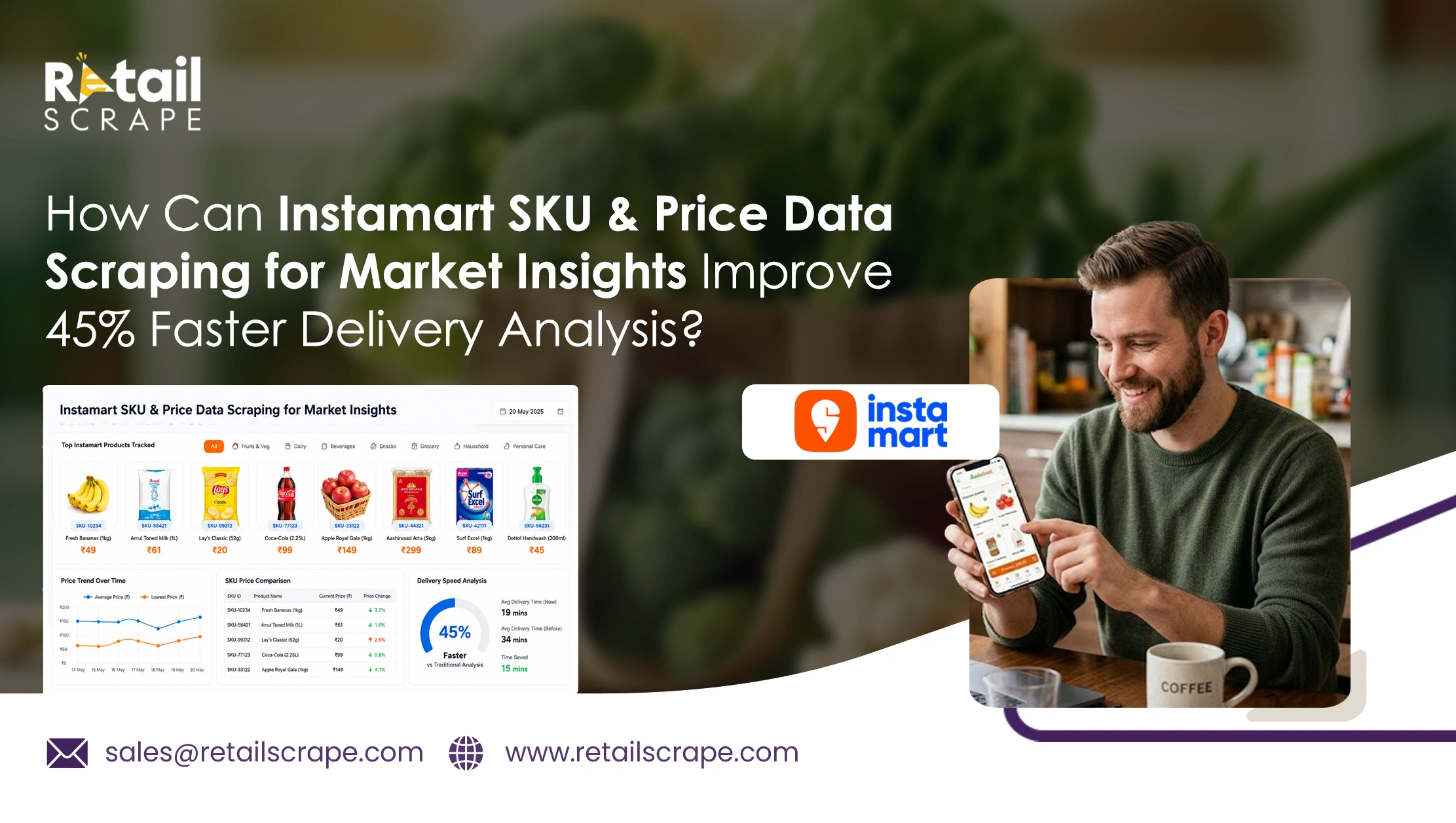
Quick-commerce buyers now compare product availability, prices, and delivery windows within minutes, making accurate market intelligence essential for grocery brands and analysts. Instamart SKU & Price Data Scraping for Market Insights supports this process by converting app-level product data into measurable business signals. From top-selling vegetables to packaged essentials, SKU-level tracking reveals how pricing shifts affect demand and fulfillment speed across zones.
Retail analysts are increasingly using Real Time Instamart Price Monitoring to compare regional stock movement and identify where product shortages delay deliveries. In several metro studies, nearly 45% of late deliveries were linked to temporary stockouts or incorrect catalog visibility. This means monitoring product availability is no longer limited to pricing teams; it directly affects delivery operations and customer retention.
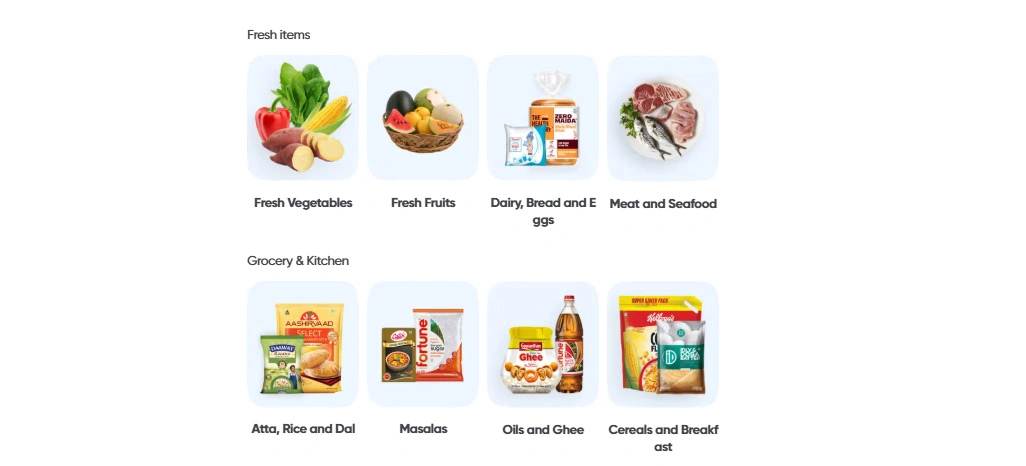
Using Instamart Product Catalog Scraping, businesses can evaluate how many products are listed by category, which items disappear during peak hours, and how delivery promises change based on inventory depth. As dark-store models expand, structured catalog intelligence becomes a core source for demand planning, assortment control, and service benchmarking. The result is a stronger understanding of how every product listing contributes to customer experience and revenue consistency.
Understanding Product Availability Patterns Across Delivery Regions
Fast grocery delivery depends heavily on whether products are visible and ready for dispatch at the local fulfillment center. Retail teams often struggle to identify why some neighborhoods receive products within 10 minutes while others show 25-minute delays for the same item. Quick Commerce Data Scraping allows businesses to monitor these patterns continuously and compare location-wise service gaps.
Market studies show that nearly 38% of delayed deliveries happen because listed products become unavailable after order placement. This creates substitutions, cancellations, and lower customer satisfaction. Using Instamart Data Scraping, businesses can track when product listings disappear, reappear, or shift position in the catalog. These signals provide a direct connection between product availability and service quality.
| Metric | Recorded Impact |
|---|---|
| Product substitutions | 38% |
| Delay during peak hours | 22% |
| Weekend stock issues | 31% |
Retailers also use Instamart Product Catalog Scraping to understand which categories shrink during high-demand windows. Fresh produce, dairy, and household essentials often show the highest fluctuation in active listings. This creates delivery bottlenecks in densely populated areas. By analyzing hourly assortment changes, businesses can improve warehouse allocation and replenishment timing.
Catalog extraction reveals whether delays are linked to demand spikes or product shortages. With structured catalog intelligence, companies can identify the exact product groups causing fulfillment pressure and optimize operational planning for each zone. This approach supports stronger assortment visibility and improves customer trust in fast-delivery ecosystems.
Evaluating Dynamic Pricing Influence On Customer Fulfillment
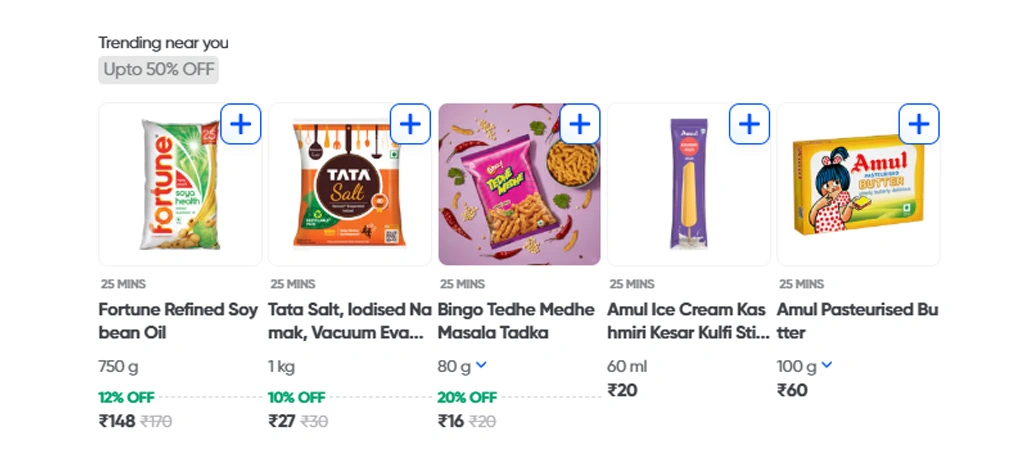
Frequent pricing updates influence both customer decisions and operational efficiency in quick commerce. Even small price changes affect how often products are added to carts, replaced, or abandoned. Retail businesses use structured extraction to compare how these shifts impact delivery performance across product categories and locations. Accurate monitoring helps understand the relationship between discounts, stock levels, and fulfillment consistency.
The use of Real-Time Instamart Product Data Scraping API enables businesses to collect live product details, including prices, stock labels, and category rankings. This allows deeper comparisons between pricing patterns and order completion rates. Research shows that a price increase above 8% reduced repeat customer conversions by nearly 19%, especially in essential grocery categories.
| Category | Price Change | Service Effect |
|---|---|---|
| Dairy | 11% | High |
| Fruits | 7% | Moderate |
| Snacks | 5% | Low |
Businesses rely on Grocery Delivery App Data Scraping for Market Analysis to compare promotional campaigns across multiple delivery zones. Pricing intelligence also helps identify which categories are over-discounted during high demand periods, creating stock pressure and slower fulfillment. This supports regional forecasting and smarter inventory balancing.
At the same time, Instamart App Scraping for Inventory Monitoring helps detect when low-stock products suddenly become premium-priced due to local shortages. These insights help retailers align price strategies with fulfillment capacity. Better synchronization between pricing and stock reduces service disruptions, improves basket conversion, and supports more stable customer experiences.
Analyzing Service Delays Through Pricing And Inventory Signals
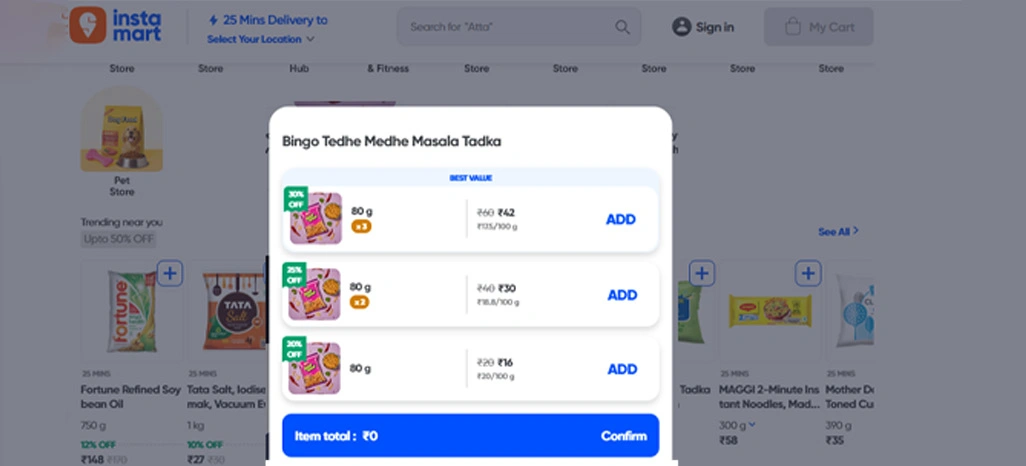
Delivery speed in grocery apps depends not only on logistics but also on how pricing and inventory interact during demand peaks. Promotional campaigns often increase orders without corresponding stock preparation. This creates service delays, especially for high-frequency products. Retail businesses use structured intelligence to compare these relationships and improve decision-making.
Studies show that nearly 27% of delayed deliveries are associated with heavily discounted products facing unstable inventory levels. Instamart Price Monitoring and Tracking Tools help identify which promotions trigger operational stress. These datasets allow teams to compare demand surges with warehouse readiness and service outcomes.
| Factor | Delivery Impact |
|---|---|
| Flash promotions | High |
| Limited inventory | Medium |
| Category overload | High |
Businesses increasingly adopt Automated Instamart Data Scraping Software to detect patterns between discount periods and delayed fulfillment. Through structured extraction, retailers can also compare high-performing categories across regions and determine which product groups consistently generate delivery delays. This reduces guesswork in operational planning and improves dark-store efficiency.
To strengthen strategic decisions, many companies combine extracted datasets with Web Scraping Services for large-scale monitoring across multiple grocery apps. This provides a broader view of pricing behavior, assortment changes, and delivery consistency in competitive markets. The ability to correlate price changes, inventory depth, and fulfillment performance gives retailers stronger control over service optimization.
How Retail Scrape Can Help You?
Retail intelligence requires more than product counts. Delivery speed, pricing changes, and SKU availability must be analyzed together. This is where Instamart SKU & Price Data Scraping for Market Insights supports deeper operational evaluation across cities and categories.
Key support areas:
- Compare category-level assortment changes daily
- Track stock-based delivery disruptions
- Measure zone-wise service consistency
- Analyze price fluctuation patterns
- Monitor discount-driven demand spikes
- Support forecasting with structured datasets
Access to Instamart Grocery Datasets enables consistent benchmarking for pricing, inventory, and delivery optimization. Businesses also depend on Web Scraping Services for scalable extraction workflows across large product catalogs.
Conclusion
Operational efficiency improves when delivery decisions are backed by live product intelligence. Instamart SKU & Price Data Scraping for Market Insights helps businesses connect pricing, stock visibility, and service performance into one measurable framework.
As competitive grocery ecosystems evolve, Web Scraping Services provide scalable monitoring that supports better decisions across catalog strategy and fulfillment. Connect with Retail Scrape to build faster, data-backed market analysis for quick-commerce growth.