
How Does Hotel & Restaurant Supplier Data Scraping Connect Google, Zomato, Swiggy & FoSCoS Platforms?
Introduction
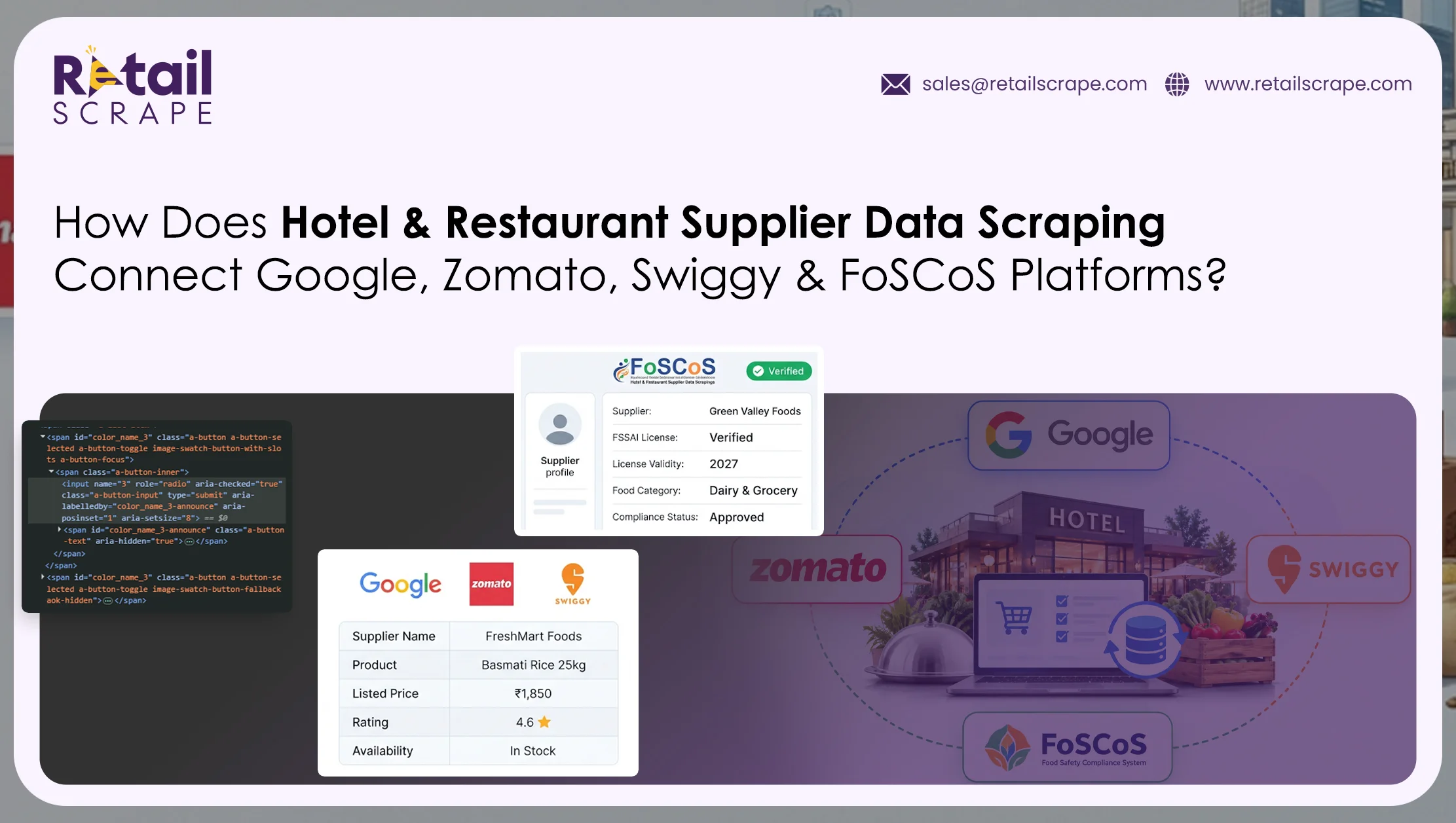
Fragmented hospitality data creates massive blind spots for B2B vendors trying to scale their outreach. When supplier networks rely on scattered directories, sales teams lose critical hours verifying active kitchens. Modern Hotel & Restaurant Supplier Data Scraping bridges this gap by unifying digital footprints across discovery, delivery, and compliance ecosystems into one clean dataset.
To build reliable outreach pipelines, businesses must look beyond static yellow pages and tap into real-time consumer platforms. Initiating Zomato Restaurant Data Scraping reveals active dining outlets, menu pricing tiers, and customer sentiment. Combining these storefront insights with delivery metrics gives B2B distributors an immediate edge in targeting high-volume kitchens.
However, consumer-facing apps alone cannot confirm legal business standing or parent ownership details. Connecting delivery insights with official regulatory registries transforms raw listings into verified enterprise accounts. By integrating multi-platform intelligence, hospitality suppliers eliminate guesswork, prioritize high-converting leads, and streamline vendor onboarding across regional and national markets.
Mapping Digital Storefronts Across Search Engines For Unified Hospitality Network Intelligence
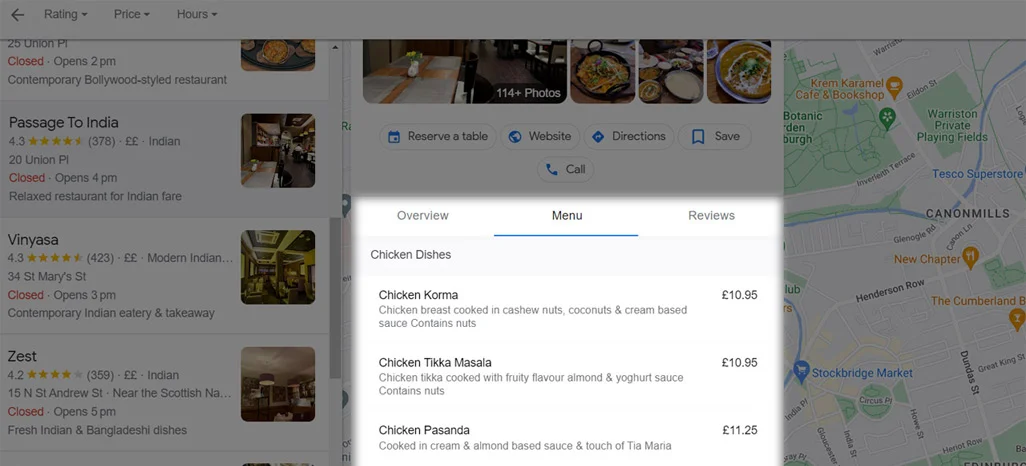
Local search visibility serves as the primary discovery layer for hotels, cloud kitchens, and fine-dining establishments across competitive urban territories. When B2B enterprises execute Google Restaurant Data Extraction at scale, they capture foundational business attributes including verified street addresses, operating hours, direct phone numbers, and real-time customer review volumes. Industry benchmarks indicate that over 78% of hospitality suppliers prioritize establishments maintaining a 4.0-star rating alongside consistent monthly review velocity, as these public signals correlate directly with larger ingredient procurement budgets and lower vendor churn.
Automating Restaurant Listing Extraction From Google gives commercial sales teams immediate visibility into newly launched dining venues before competitors even notice them. Pairing precise geographical coordinates with capacity indicators enables distributors to segment prospects by seating scale, cuisine specialization, and neighborhood density. Rather than relying on static directories that decay within months, modern revenue teams continuously monitor location metadata to detect outlet relocations, seasonal closures, and expanding restaurant chains in real time.
Implementing structured Restaurant Vendor Data Collection Using Web Scraping ensures that contact records and website domains remain accurate across CRM systems. These verified search engine profiles act as the foundational anchor that connects physical storefronts with online delivery aggregators and statutory compliance portals:
- Territory Optimization: Exact latitude and longitude tags streamline field sales routing and cold-chain delivery scheduling.
- Activity Verification: Weekly review timestamps confirm whether a commercial kitchen is actively serving customers or permanently closed.
- Multi-Unit Grouping: Shared website domains and phone numbers link independent branches back to parent hospitality groups.
| Data Attribute | Search Profile Source | B2B Sourcing Value |
|---|---|---|
| Geo-Coordinates & Address | Business Location Pin | Optimizes delivery route planning and territory assignment |
| Review Count & Rating | Customer Feedback Feeds | Indicates kitchen order volume and financial stability |
| Operating Hours | Live Listing Status | Confirms active operations and peak prep windows |
| Contact & Website URL | Business Metadata | Enables direct multi-channel outreach to decision-makers |
Structuring these foundational location signals first creates a clean geographical anchor that effortlessly links physical dining venues with food delivery apps and government licensing databases.
Connecting Real-Time Delivery Aggregator Menus With Physical Hospitality Storefront Profiles
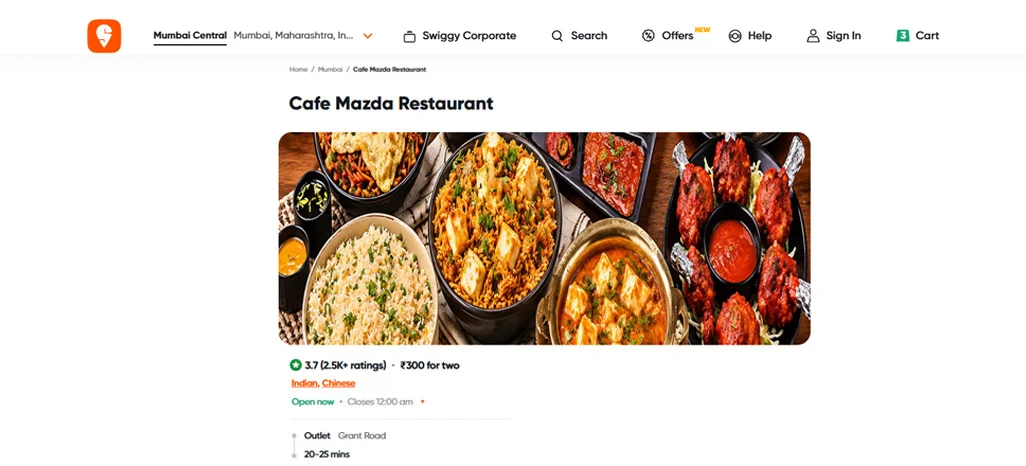
While search engines confirm physical existence, food delivery aggregators expose real-time operational scale, order velocity, and recurring supply needs. Performing systematic Swiggy Restaurant Data Scraping uncovers critical commercial indicators such as average order value, delivery radius, packaging cues, and promotional frequency. Market studies reveal that commercial kitchens operating across two or more delivery apps generate up to 42% higher monthly packaging and raw ingredient consumption compared to dine-in-only establishments.
Integrating live aggregator insights into a centralized Hotel Supplier Database empowers B2B wholesalers to tailor sales pitches around exact menu compositions and kitchen formats. For example, a bakery listing forty specialized desserts requires bulk dairy, flour, and custom boxes, whereas a virtual food court operating five distinct brands from a single kitchen represents a high-volume centralized procurement account. Cross-referencing Zomato and Swiggy storefronts against Google location pins eliminates duplicate entries and reveals true kitchen capacity.
Deploying automated Restaurant Supplier Data Scraping across digital menus also tracks seasonal dish additions and pricing shifts, signaling when an operator is scaling production or upgrading ingredient tiers. Sales representatives gain actionable context before initiating outreach:
- Cuisine-Specific Targeting: Ingredient suppliers match bulk oil, spice, and protein catalogs directly to active menu categories.
- Cloud Kitchen Detection: Overlapping delivery addresses expose multi-brand kitchens operating behind a single storefront.
- Packaging Demand Signals: High delivery volume tags highlight outlets requiring eco-friendly containers, cutlery, and branded bags.
| Aggregator Metric | Operational Insight | Supplier Sales Application |
|---|---|---|
| Menu Item Count & Pricing | Cuisine complexity and margin tier | Matches premium vs. economy ingredient catalogs |
| Multi-Brand Kitchen Tags | Shared kitchen infrastructure | Identifies high-volume centralized procurement hubs |
| Delivery Time & Radius | Order throughput and prep speed | Pinpoints kitchens needing automated kitchen equipment |
| Promotional & Packaging Cues | Eco-friendly or branded box usage | Targets custom packaging and disposables buyers |
Linking these dynamic delivery footprints with search engine profiles bridges consumer demand metrics with verified physical locations across regional markets.
Linking Statutory Food Safety Licenses With Commercial Hospitality Marketplace Ecosystems
The final link in the hospitality data chain connects commercial visibility with statutory compliance under India's Food Safety and Standards Authority. Conducting thorough FoSCoS Food License Data Analysis validates whether an outlet holds a Basic Registration, State License, or Central License, serving as an objective proxy for annual revenue thresholds. Specifically, businesses holding a State License exceed ₹12 lakhs in annual turnover, while Central License holders surpass ₹20 crores, giving B2B distributors a reliable financial qualification filter.
Extracting verified Food Business Operator Data From FoSCoS reveals registered legal entity names, proprietor details, license validity periods, and exact manufacturing or catering classifications. Compliance audits indicate that nearly 31% of third-party delivery listings operate under parent corporate entities whose registered names differ completely from their consumer-facing brand names. Without regulatory cross-checking, enterprise sales teams risk pitching separate branches of the exact same corporate parent company.
Utilizing specialized Multi-Platform Restaurant Data Extraction Services reconciles these discrepancies by matching the 14-digit FSSAI license numbers displayed on Zomato and Swiggy directly against official government records and Google locations. Unifying regulatory data with storefront intelligence delivers clear commercial advantages:
- Financial Qualification: License tiers automatically segment small cafes from high-turnover hotel chains and enterprise caterers.
- Corporate Entity Mapping: Legal business names connect consumer storefront brands directly to parent holding companies.
- Renewal Timeline Alerts: Upcoming license expiration dates create timely outreach triggers for compliance consultants and auditors.
| License Tier | Annual Turnover Benchmark | Ideal B2B Supplier Fit |
|---|---|---|
| Basic Registration | Up to ₹12 Lakhs | Small cafes, local bakeries, and emerging cloud kitchens |
| State License | ₹12 Lakhs to ₹20 Crores | Mid-sized hotels, multi-outlet restaurants, and caterers |
| Central License | Above ₹20 Crores | Enterprise hotel chains, QSR networks, and large commissaries |
| License Expiry Status | Active vs. Renewal Due | Triggers timely compliance consulting and audit services |
Unifying statutory compliance records with search and delivery intelligence ensures B2B sales pipelines focus strictly on legally verified, financially qualified hospitality buyers.
How Retail Scrape Can Help You?
Building an accurate hospitality outreach pipeline requires far more than manual web searches or outdated directory purchases. We engineers end-to-end Hotel & Restaurant Supplier Data Scraping solutions that unify location signals, delivery aggregator metrics, and statutory license records into structured, CRM-ready datasets tailored to your exact territory and product catalog.
- Automated cross-platform entity matching that links storefront names with parent corporate registries and license numbers.
- Real-time tracking of newly launched cloud kitchens, hotels, and quick-service outlets across tier-1, tier-2, and tier-3 cities.
- Granular menu and pricing extraction to segment prospects by cuisine type, order volume, and ingredient consumption patterns.
- Deduplicated, standardized contact records complete with verified phone numbers, geo-coordinates, and operational hours.
- Custom compliance filtering based on license tiers, renewal timelines, and business turnover brackets.
- Scheduled data refreshes delivered in CSV, JSON, or direct webhook formats to keep sales pipelines continuously accurate.
Whether you supply commercial kitchen equipment, bulk ingredients, or eco-friendly packaging, integrating a dedicated Food Scraping API directly into your CRM eliminates manual prospecting bottlenecks and accelerates B2B revenue growth.
Conclusion
Connecting fragmented hospitality platforms transforms how B2B suppliers identify, qualify, and convert high-value commercial accounts. Relying on isolated directories leaves sales teams chasing inactive kitchens, whereas unified Hotel & Restaurant Supplier Data Scraping merges storefront visibility, delivery velocity, and statutory credentials into a single source of truth.
Equipping your revenue team with a verified Hotel Supplier Database ensures every sales touchpoint is backed by accurate operational and compliance intelligence. Instead of wasting bandwidth on unqualified leads, distributors can prioritize high-turnover kitchens, tailor pitches to exact menu requirements, and scale regional expansion with confidence. Partner with Retail Scrape today to automate your hospitality lead pipeline and turn multi-platform food data into predictable B2B growth.