

What Insights Can Grocery Dataset Analysis Provide About 85% of Shopper Behavior Trends?
Introduction
Understanding consumer behavior is the key to success in today’s competitive retail landscape. With the rise of digital shopping and dynamic consumer preferences, retailers need a more precise way to interpret shopper actions. By integrating advanced tools like Grocery Scraper, retailers can efficiently extract large volumes of data, enabling them to track fluctuations in product demand, seasonal preferences, and brand performance.
For instance, analyzing past grocery transactions and purchase frequencies can reveal which items are staples versus occasional buys, helping retailers optimize inventory and promotional strategies. Additionally, understanding these patterns improves personalized marketing campaigns, enhances stock availability, and reduces wastage.
With the insights provided by Grocery Dataset Analysis, retail businesses can anticipate market trends, respond to consumer needs faster, and create data-driven strategies that improve overall operational efficiency. This form of analysis also provides actionable intelligence about product performance, shopper habits, and market shifts, forming the foundation for smarter decision-making in grocery retail.
Strategies for Understanding Shifts in Consumer Product Demand
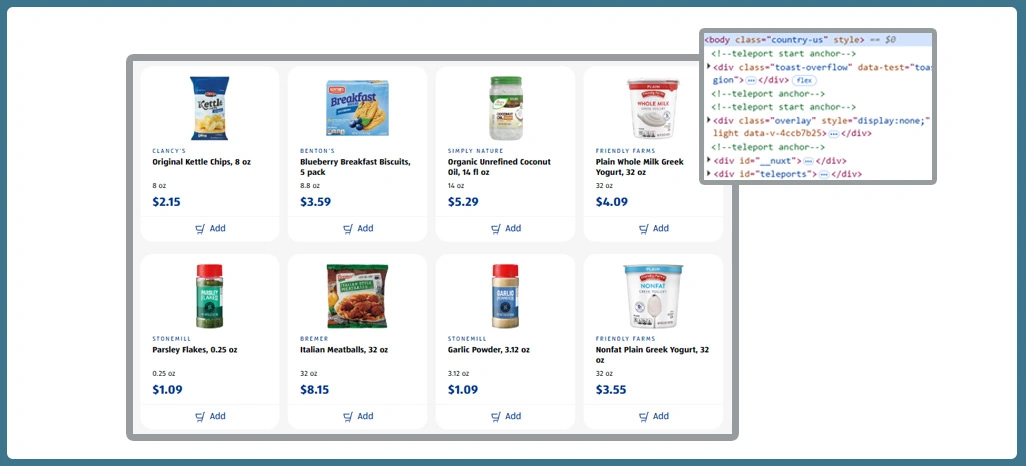
Analyzing product performance is crucial for retailers aiming to align inventory and marketing strategies with shopper behavior. By examining grocery product data, businesses can uncover which items experience consistent demand, seasonal spikes, and occasional slowdowns. Tools like Grocery Scraping API enable real-time extraction of product-level data, helping retailers make informed procurement and stocking decisions.
| Product Category | Average Monthly Sales | Peak Season | Stock-Out Frequency |
|---|---|---|---|
| Dairy | 12,500 units | June-July | 3 |
| Snacks | 9,800 units | November | 5 |
| Beverages | 15,200 units | December | 2 |
| Bakery | 8,600 units | April | 4 |
Analysis shows that tracking purchase patterns allows retailers to plan promotions, adjust pricing strategies, and manage supply efficiently. Additionally, understanding Consumer Preferences in Grocery Shopping provides insights into brand affinity, preferences for organic or healthier alternatives, and frequency of repeat purchases. For instance, bundling popular items based on consumer tendencies can enhance basket value and overall satisfaction.
Furthermore, insights from this data facilitate improved customer experience by ensuring availability of popular products and promoting relevant combinations. In summary, a thorough examination of product demand, combined with Grocery Product Demand Data, empowers retailers to refine merchandising, marketing, and supply chain strategies effectively.
Methods for Analyzing Shopper Habits Through Basket Trends
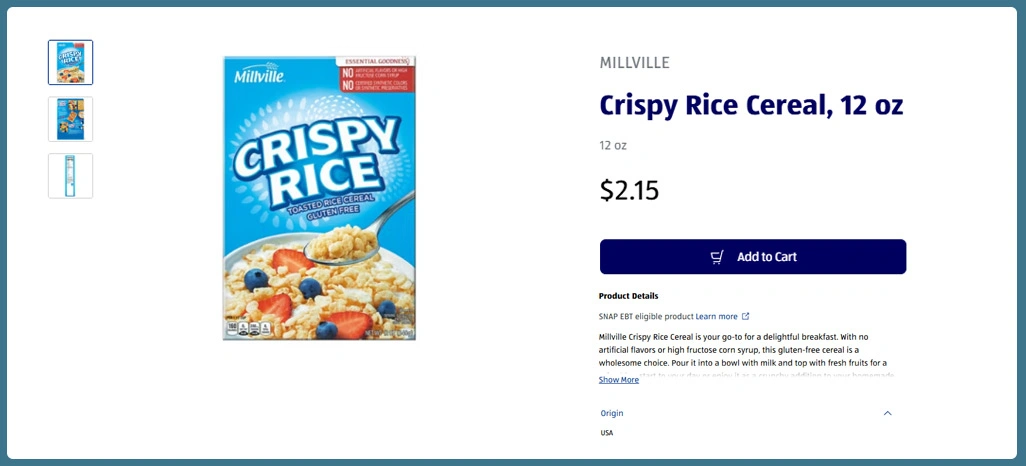
Understanding purchasing patterns at the basket level is essential for optimizing product placement, promotions, and customer engagement. By leveraging Grocery Data Scraping, retailers can collect transactional datasets across multiple outlets, providing a detailed perspective on purchase behavior.
| Basket Type | Average Items | Frequent Product Pairings | Customer Segment |
|---|---|---|---|
| Family Shopping | 25 | Milk & Cereal | Adults 30-45 |
| Quick Grab | 6 | Coffee & Biscuits | Young Adults |
| Health-Focused | 12 | Organic Veggies & Juice | Professionals |
| Bulk Purchases | 40 | Rice & Flour | Retail Buyers |
This data highlights Grocery Basket Analysis for Consumer Insights, showing which combinations are most popular and which products influence purchasing decisions. Retailers can use these insights to improve cross-selling opportunities and encourage larger basket sizes. By examining the Grocery Buying Habits Dataset, retailers can determine peak shopping times, purchase frequency, and customer preferences, enabling more efficient staffing, promotional planning, and inventory replenishment.
Finally, using How Grocery Datasets Reveal Consumer Trends enables businesses to anticipate shifts in demand, tailor offerings, and implement data-driven marketing strategies. Insights derived from basket-level analysis also allow retailers to refine store layouts, optimize product placement, and enhance overall customer satisfaction. Properly executed, these strategies contribute to higher sales, better inventory management, and a more personalized shopping experience.
Techniques for Real-Time Monitoring and Market Trend Prediction
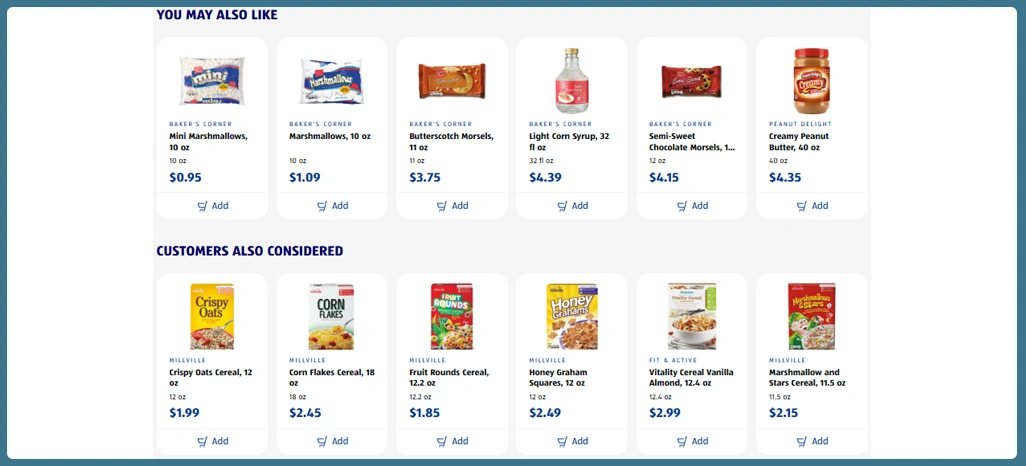
Staying updated on consumer behavior and market shifts is vital for retail success. By conducting Web Scraping Grocery Store Datasets, businesses can monitor current market dynamics and competitor strategies efficiently. Implementing Real-Time Grocery Dataset Analysis for Retailers ensures that decision-makers are always informed about trending products, pricing patterns, and high-performing categories.
| Metric | Current Month | Last Month | Change % |
|---|---|---|---|
| Top-Selling Items | 50 | 45 | +11% |
| Average Basket Size | 18 | 17 | +6% |
| Promotional Uptake Rate | 32% | 28% | +4% |
| New Product Trials | 120 | 100 | +20% |
Analyzing Product Category Demand Dataset provides valuable insight into which categories are driving sales and which may need more attention. Businesses can identify high-margin products, forecast seasonal demand, and adjust inventory allocation proactively. For example, knowing that 80% of sales come from just 30% of items helps focus resources on critical products while avoiding unnecessary overstocking.
Additionally, understanding Grocery Sales Data Insights assists in monitoring competitors’ promotions, pricing, and product availability. Retailers can quickly respond to emerging trends, enhance product placement, and adjust marketing strategies. In conclusion, combining market trend analysis with insights from product category dataset helps retailers make informed decisions regarding inventory, promotions, and sales strategies.
How Retail Scrape Can Help You?
By integrating Grocery Dataset Analysis into retail operations, businesses can transform raw data into actionable strategies that improve sales and operational efficiency. We provide tools to capture, organize, and analyze grocery datasets from multiple channels, offering unparalleled insights into market trends.
Key Benefits of using our service:
- Streamline data collection across multiple stores.
- Monitor competitor pricing and promotions.
- Identify emerging consumer trends.
- Enhance inventory planning and management.
- Support targeted marketing campaigns.
- Enable predictive analytics for future demand.
With these capabilities, businesses can make data-driven decisions. Additionally, our solution helps understand Consumer Preferences in Grocery Shopping, allowing retailers to personalize offerings, optimize product placement, and ensure the right products are always available for the right customers.
Conclusion
Understanding shoppers' choices is crucial in today’s fast-paced retail environment. Grocery Dataset Analysis enables retailers to decode complex buying behaviors and identify patterns that drive strategic decisions. By leveraging these insights, businesses can optimize inventory, refine marketing, and enhance customer satisfaction.
Analyzing datasets like Grocery Basket Analysis for Consumer Insights ensures that every decision is backed by accurate information. Retailers can improve operational efficiency, anticipate demand shifts, and craft targeted promotions. Partner with Retail Scrape today to transform your grocery data into actionable intelligence and achieve sustainable growth.