

How Can Google Maps Keyword Data Collection for Local SEO Success Increase Local Rankings by 47%?
Introduction
Local search visibility has become a major growth factor for businesses that depend on nearby customers, service-area demand, and location-based buying decisions. When users search for stores, restaurants, clinics, agencies, or service providers, Google Maps often becomes the first platform they use to compare options. Google Maps Keyword Data Collection for Local SEO Success helps organizations identify the search terms, categories, location modifiers, and business attributes that influence local visibility.
A well-planned local SEO process also requires accurate market information. Web Scraping Google Maps Business Data supports the collection of business names, addresses, categories, ratings, reviews, contact details, websites, operating hours, and location-specific keyword signals. This information can help marketing teams create more targeted landing pages, improve Google Business Profile content, and prioritize high-value service areas.
For example, a local business may find that competitors ranking in the top three positions consistently include neighborhood names, service keywords, and customer-focused descriptions. With the right data framework, businesses can turn map search behavior into measurable ranking improvements, stronger customer reach, and better local campaign performance.
Identifying Stronger Local Opportunities Through Market Analysis
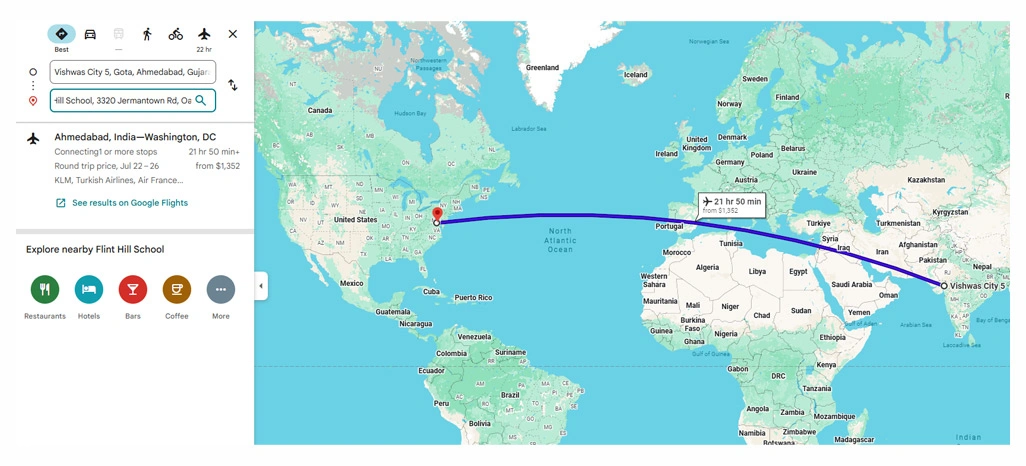
Businesses often struggle to improve map visibility because they lack a clear understanding of competitor positioning, category relevance, review language, and neighborhood-specific search patterns. A structured analysis process helps identify where listings are underperforming and where competitors are capturing local search attention.
Local search studies indicate that businesses appearing in prominent map results can receive nearly 44% of clicks from location-based searches, making accurate competitor analysis important for campaign planning. Google Maps Data Collection supports this process by gathering business names, categories, ratings, reviews, service descriptions, and location details from selected markets.
| Local Visibility Challenge | Data-Based Action | Expected Result |
|---|---|---|
| Limited Keyword Relevance | Review competitor profile content | Better local targeting |
| Weak Area-specific Content | Track neighborhood search terms | Improved regional relevance |
| Missing Profile Attributes | Compare listing completeness | Higher customer trust |
| Low Review Engagement | Analyze recurring review topics | Better service messaging |
Retailers can identify markets where competitors have stronger ratings, more reviews, detailed service descriptions, or better category alignment. This creates a clearer optimization roadmap for each location. Competitive Benchmarking helps businesses compare their local profiles against nearby competitors using measurable listing signals.
With these insights, organizations can refine local content, improve profile accuracy, and focus efforts on the locations most likely to produce stronger search visibility and customer engagement. Google Maps Business Listings data also helps teams identify missing contact details, incomplete business descriptions, and inconsistent operating information.
Maintaining Accurate Profiles Across Multiple Business Locations
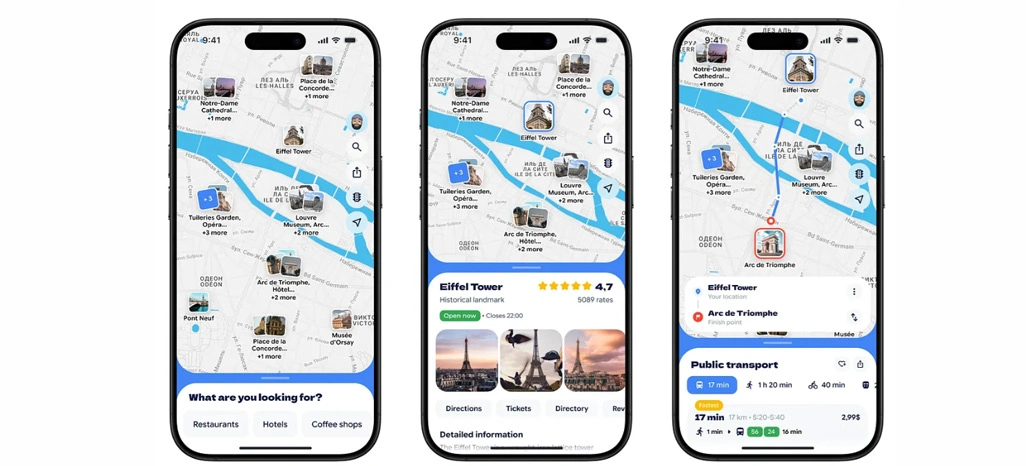
Managing local visibility across several branches requires consistent business information, accurate contact details, complete service descriptions, and properly selected categories. When listings contain outdated hours, duplicate profiles, incorrect phone numbers, or missing attributes, customers may choose competitors instead.
Local marketing research shows that accurate listings can increase customer actions such as calls, website visits, and direction requests because users are more likely to trust complete and updated profile information. Google Maps Data Scraping helps businesses monitor listing quality across cities, service areas, and branch networks.
| Listing Management Issue | Monitoring Activity | Business Outcome |
|---|---|---|
| Incorrect Business Hours | Track updates regularly | Reduced customer confusion |
| Duplicate Profile Records | Identify repeated listings | Better profile authority |
| Missing Service Details | Review profile completeness | Improved search relevance |
| Category Inconsistency | Compare category selection | Stronger local alignment |
Automated workflows can identify changes in competitor profiles, business details, ratings, categories, and customer feedback without requiring manual checks for every branch. Enterprise Web Crawling supports large organizations that need regular monitoring across many locations.
Improved listing accuracy strengthens customer confidence, supports operational efficiency, and helps organizations present reliable local information throughout their target markets. Google Maps Business Dataset information gives teams a structured view of market-level listing performance.
Converting Location Insights Into Smarter Campaign Planning
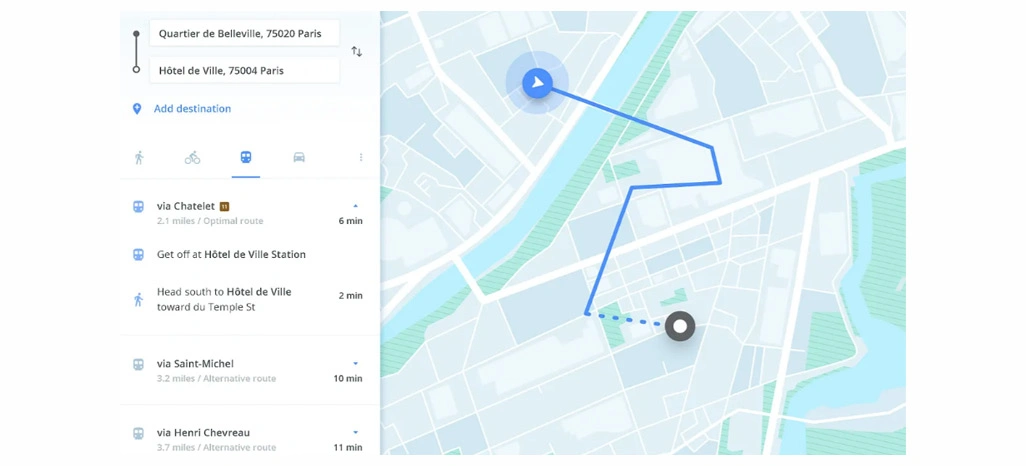
Local campaigns become more effective when businesses understand which locations generate demand, which services customers search for, and where competitors maintain stronger visibility. Without structured market intelligence, teams may target low-value areas, overlook profitable neighborhoods, or create content that does not match local search intent.
These signals can support content development, territory planning, paid advertising, sales outreach, and local profile optimization. Google Maps Data Extraction provides useful information from business profiles, including categories, review themes, ratings, location clusters, service terms, and competitor density.
| Campaign Requirement | Location Signal | Strategic Benefit |
|---|---|---|
| Improve Local Advertising | High-demand service terms | More relevant campaigns |
| Select Expansion Areas | Competitor density patterns | Better market planning |
| Build Location Pages | Review-based keyword insights | Stronger page relevance |
| Create Prospect Lists | Business contact details | More focused outreach |
Google Maps Lead Generation helps B2B companies identify relevant businesses by category, region, rating range, and service type. Sales teams can build targeted prospect lists for industries such as retail, healthcare, hospitality, and professional services.
A Google Maps Data Scraping API supports automated collection, scheduled updates, and structured exports for reporting systems, dashboards, and CRM platforms. Businesses can use these insights to prioritize high-value regions, refine campaigns, and improve decision-making based on current local market activity.
How Retail Scrape Can Help You?
Local market performance improves when businesses can access reliable, structured, and regularly updated map data. Through Google Maps Keyword Data Collection for Local SEO Success, businesses can identify valuable search terms, analyze local competitors, and improve profile relevance across important markets.
Our solution includes:
- Monitor competitor listings across selected local markets
- Track category usage and profile completeness
- Identify review trends and customer service preferences
- Compare ratings, business details, and visibility signals
- Build location-based prospecting and outreach lists
- Export structured data for reporting and analytics
We use a reliable Google Maps Scraper framework to collect business information efficiently while supporting scalable local research requirements. Our solutions can help brands maintain stronger listing accuracy, understand local demand patterns, and make informed decisions based on current market signals.
Conclusion
Businesses that want stronger local visibility need more than general keyword research. Google Maps Keyword Data Collection for Local SEO Success helps teams understand competitor strategies, improve listing relevance, and create location-focused campaigns based on real search behavior.
Accurate Google Maps Business Listings data gives businesses the foundation needed to monitor profile quality, identify market opportunities, and improve local customer engagement. Contact Retail Scrape today to build a customized Google Maps data solution that supports smarter SEO planning and measurable local growth.
Effortlessly managing intricacies with customized strategies.
Mitigating risks, navigating regulations, and cultivating trust.
Leveraging expertise from our internationally acclaimed team of developers
Reliable guidance and assistance for your business's advancement