How Can Fashion API Data for Real-Time Competitor Price Tracking Monitor 10X More Fashion SKUs?
Introduction
Fashion brands operate in a market where prices, collections, discounts, and product availability can change within hours. Manual monitoring becomes difficult when thousands of SKUs are spread across multiple competitor stores. Real-Time Fashion Price Tracking helps businesses capture these changes continuously and turn scattered market information into actionable pricing insights.
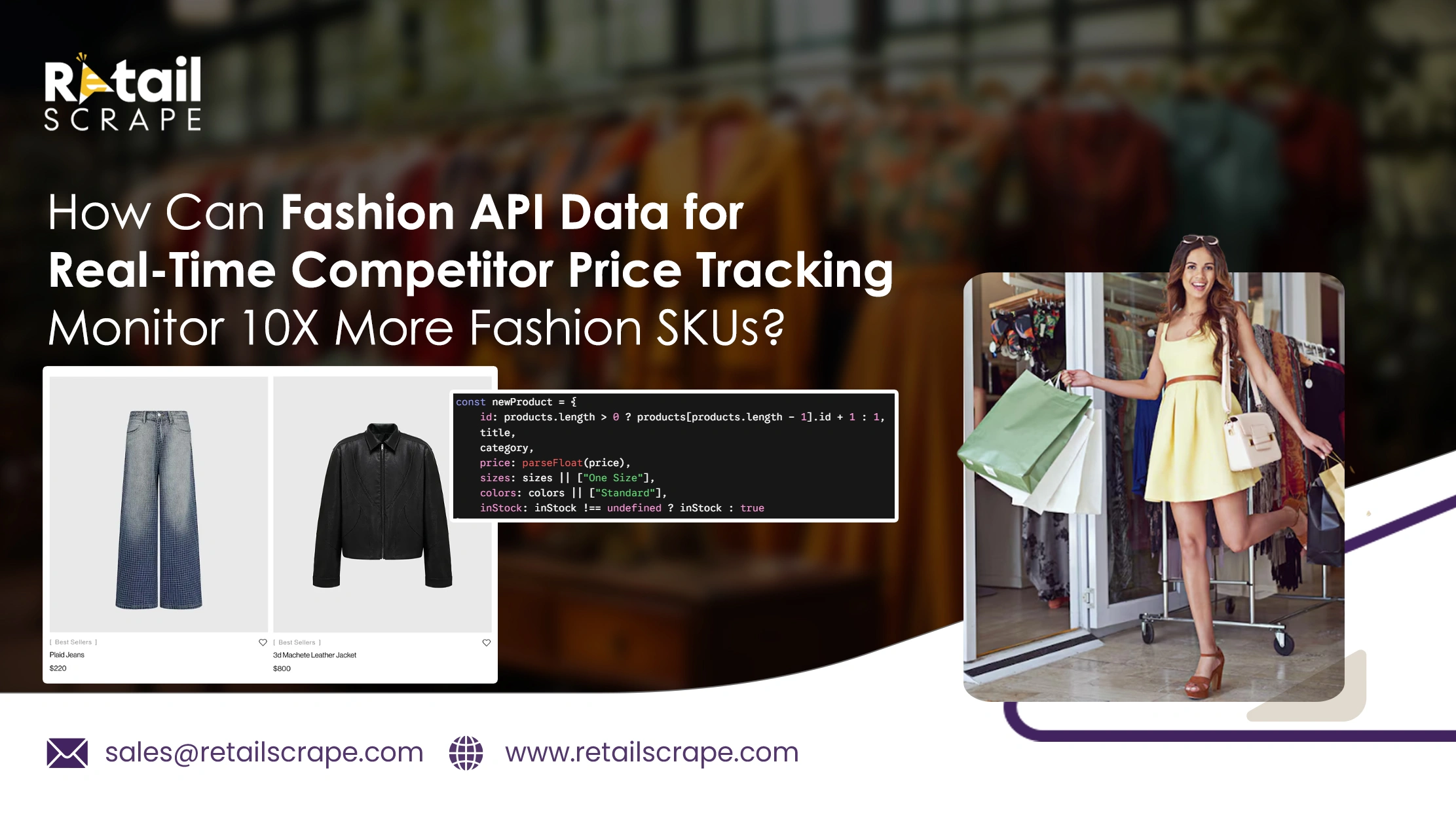
Using Fashion API Data for Real-Time Competitor Price Tracking, retailers can collect structured information across large product catalogs without relying on repetitive manual checks. Automated collection can monitor product names, prices, brands, sizes, colors, availability, promotions, and category movements while maintaining consistent data flows. This supports faster reactions to competitive changes.
The scale advantage becomes particularly important for large fashion catalogs. Instead of checking a limited selection of products, automated systems can process substantially larger SKU volumes at scheduled intervals. With reliable data pipelines, brands can compare market movements, identify pricing gaps, evaluate promotions, and adjust commercial strategies using timely competitor intelligence.
Scaling Automated Data Collection Across Fashion Catalogs
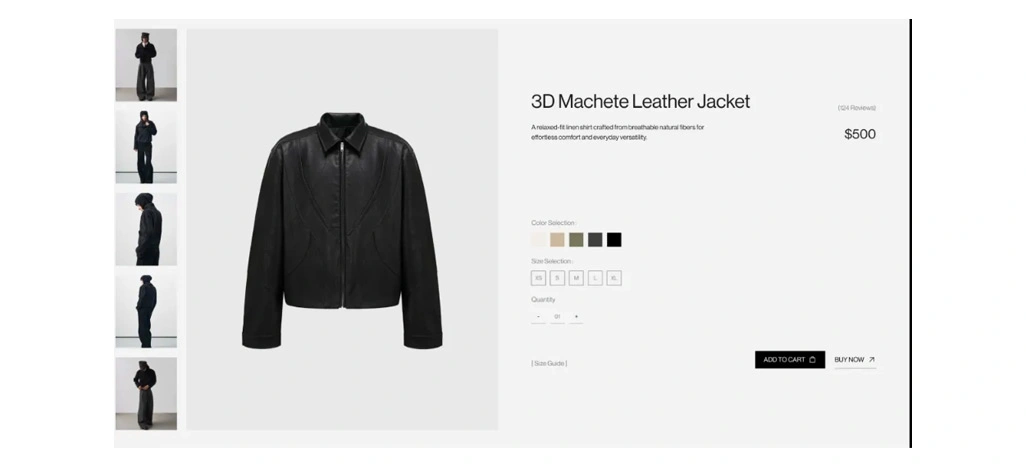
Large fashion catalogs demand automated collection because product information changes frequently across brands, categories, and online stores. Web Scraping Fashion Data enables businesses to collect structured product attributes, prices, discounts, stock information, and promotional details across extensive catalogs. Connected APIs and scheduled workflows can increase monitoring coverage without proportionally increasing manual effort.
For retailers handling thousands of products, Fashion Data Scraping Services can support recurring collections across extensive product URLs while organizing results into standardized datasets. This creates a consistent foundation for comparing competitor movements across different sources. Instead of relying on occasional checks, pricing teams can receive regularly refreshed information that reflects ongoing catalog changes.
Scalable collection also improves the ability to identify changes that may otherwise remain unnoticed. New products, revised prices, discontinued items, promotional offers, and stock movements can all contribute to competitive positioning. Automated pipelines can prioritize relevant categories and maintain historical records, allowing analysts to compare current conditions against earlier observations.
Several operational benefits become possible when monitoring expands across larger SKU volumes:
- Broader competitor catalog coverage
- More frequent pricing observations
- Consistent product attribute collection
- Reduced manual monitoring workloads
- Better historical comparison capabilities
| Monitoring Area | Operational Benefit |
|---|---|
| SKU coverage | Wider market visibility |
| Price frequency | Faster change detection |
| Competitor sources | Broader comparisons |
| Product attributes | Better catalog analysis |
When collection infrastructure is designed for scale, retailers can monitor significantly more products while maintaining consistent data quality. This creates a stronger foundation for competitive pricing decisions and supports continuous market observation as fashion assortments evolve.
Connecting Competitor Signals With Smarter Pricing Decisions
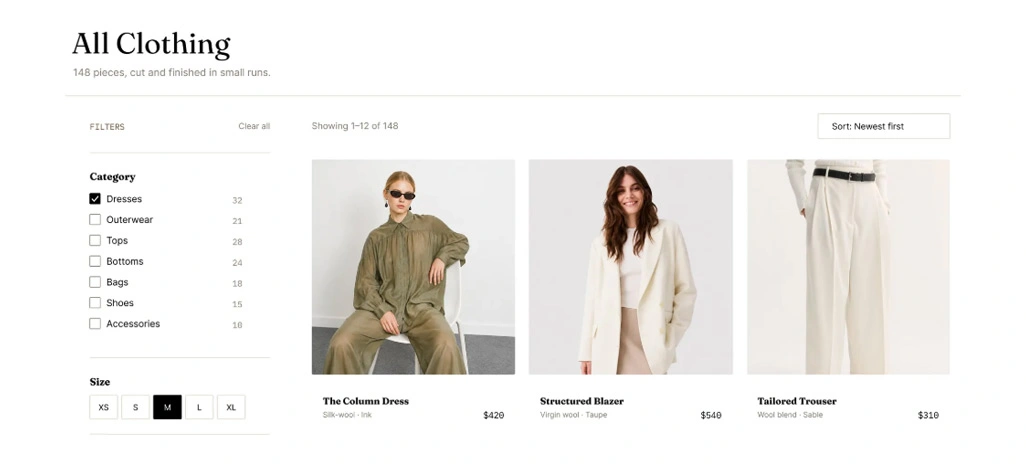
Competitor pricing becomes more valuable when individual price movements are evaluated alongside products, categories, promotions, and broader market behavior. A Fashion API for Competitor Trend Analysis can organize these signals into structured feeds, allowing retailers to identify recurring price patterns, changing competitive positions, and emerging assortment movements across monitored sources.
Businesses can Scrape Fashion Product Data across competitor catalogs and compare current values against historical records. This approach helps pricing teams identify products experiencing frequent adjustments, understand discount behavior, and evaluate how different competitors position similar merchandise. Structured information also makes large-scale comparisons easier for analysts working across multiple categories.
Historical product information provides another important advantage because a single price observation rarely explains the complete competitive picture. Tracking repeated changes can reveal whether discounts are temporary, seasonal, promotional, or part of a longer pricing strategy. These observations can support decisions involving price bands, promotional timing, assortment positioning, and category-level competitiveness.
Key competitive signals can be evaluated through several practical indicators:
- Competitor price movements
- Discount frequency and depth
- Newly introduced products
- Product availability changes
- Category-level assortment shifts
| Competitive Signal | Strategic Application |
|---|---|
| Price movement | Competitive comparison |
| Discount activity | Promotion evaluation |
| New assortment | Market observation |
| Availability | Demand assessment |
By connecting current observations with historical information, retailers gain a clearer understanding of how competitors behave over time. This makes pricing analysis more structured and enables teams to react to meaningful market signals instead of relying exclusively on periodic manual research.
Building Scalable Pipelines For Continuous Fashion Intelligence
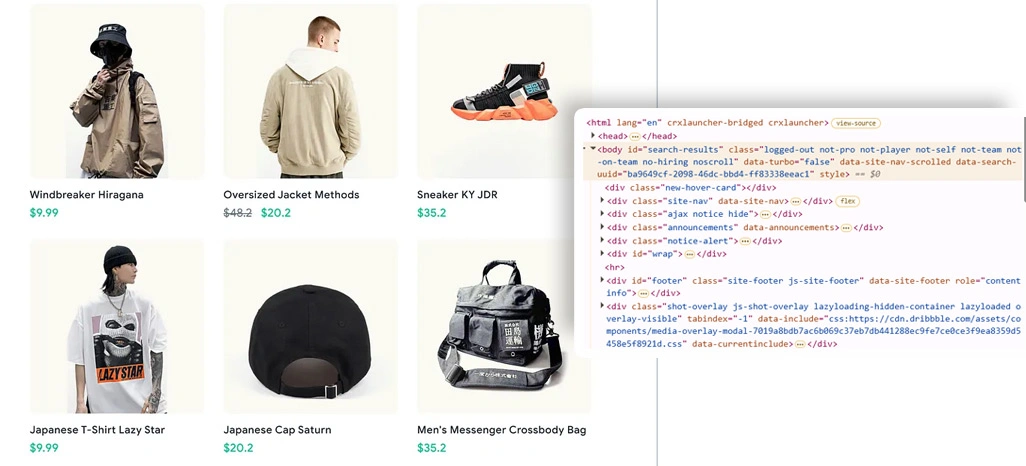
Scaling SKU monitoring requires more than collecting additional URLs because raw information must be cleaned, standardized, validated, and delivered consistently. E-Commerce Data Scraping supports structured collection from multiple retail sources while automated processing can reduce duplicate records, inconsistent attributes, and formatting differences across large product catalogs.
A Fashion Product Data API Scraping Service can deliver organized product information to pricing platforms, analytics systems, and internal databases. This allows businesses to connect collected information with downstream workflows without repeatedly preparing raw records manually. Standardized outputs also make comparisons easier when competitor websites use different product structures and naming conventions.
Frequent pricing analysis can become more actionable when refreshed information is delivered through an automated interface. A Real-Time Apparel Pricing Data API can provide regularly updated pricing signals for competitive comparisons, while standardized historical records can support deeper analysis. This approach allows pricing teams to work with structured information rather than manually assembled spreadsheets.
A scalable pipeline can typically include several connected stages:
- Source identification and URL management
- Automated product data collection
- Data cleaning and normalization
- Duplicate and quality validation
- API or file-based delivery
| Pipeline Stage | Primary Output |
|---|---|
| Collection | Fresh product records |
| Processing | Clean structured data |
| Validation | Consistent information |
| Delivery | Analysis-ready datasets |
A Fashion Market Intelligence API can further support broader market analysis by organizing product and competitor information into usable intelligence feeds. With an appropriately designed architecture, retailers can expand monitored sources and SKU volumes while maintaining reliable processing and delivery across continuously changing fashion markets.
How Retail Scrape Can Help You?
We can help fashion businesses build scalable monitoring workflows that collect competitor product information across large catalogs. By combining automated extraction, structured data processing, scheduled updates, and API delivery, Fashion API Data for Real-Time Competitor Price Tracking can support broader SKU coverage without creating additional manual research workloads.
Key capabilities include:
- Automated collection across extensive fashion catalogs
- Scheduled monitoring for recurring competitor changes
- Structured product and pricing data delivery
- Attribute-level normalization across different sources
- Scalable processing for large SKU volumes
- Integration-ready outputs for analytics and pricing systems
We can also provide Fashion Product Price Monitoring API solutions that help businesses receive structured pricing information for competitive analysis. This enables pricing teams to evaluate changes more efficiently while maintaining consistent monitoring across fast-moving product catalogs and multiple competitor sources.
Conclusion
For fashion retailers, scaling competitive monitoring depends on collecting reliable market information across more products and more frequently. Fashion API Data for Real-Time Competitor Price Tracking can help businesses monitor prices, discounts, availability, and assortment changes across extensive catalogs while reducing dependence on manual research.
When structured data becomes part of a continuous intelligence workflow, pricing teams can respond faster to competitive movements and make more informed commercial decisions. Fashion Pricing Intelligence API capabilities can further support analysis by turning recurring market signals into usable pricing insights. Contact Retail Scrape today to build a scalable fashion competitor price monitoring solution for your growing SKU catalog.