
What Insights Can Marketplace Seller Data Scraping Bring to Walmart, TikTok Shop, Etsy and Amazon?
Introduction
The modern e-commerce environment requires brands to adapt quickly to evolving market trends and shifting consumer preferences. Digital sellers rely heavily on structured intelligence to make informed catalog and pricing decisions across multi-channel retail environments. By leveraging dynamic data collection workflows, companies turn raw public listing details into actionable business strategies.
Executing Amazon Seller Data Scraping helps brands evaluate vendor activity, review counts, fulfillment methods, and daily listing updates. Understanding these operational metrics enables merchants to identify high-performing product categories and spot emerging direct-to-consumer trends early. Obtaining clear visibility into competitive storefront activity serves as the backbone of scalable online expansion strategies.
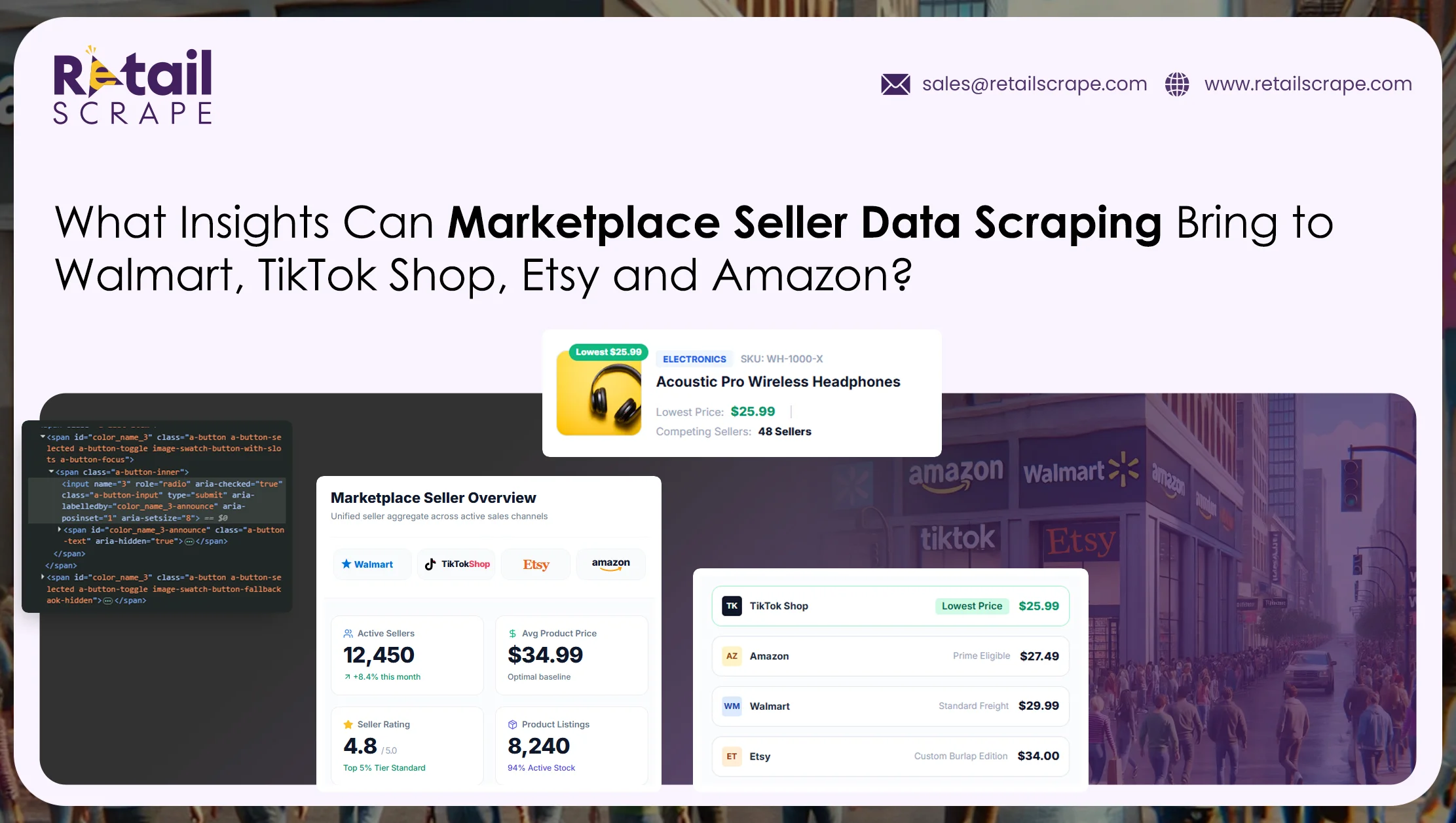
Deploying comprehensive Marketplace Seller Data Scraping across leading platforms allows companies to pinpoint catalog gaps and optimize promotional campaigns. Aggregating vendor insights ensures that modern brands refine inventory management while maximizing profit margins across all key sales channels.
Strategic Price Optimization and Product Catalog Intelligence Methods
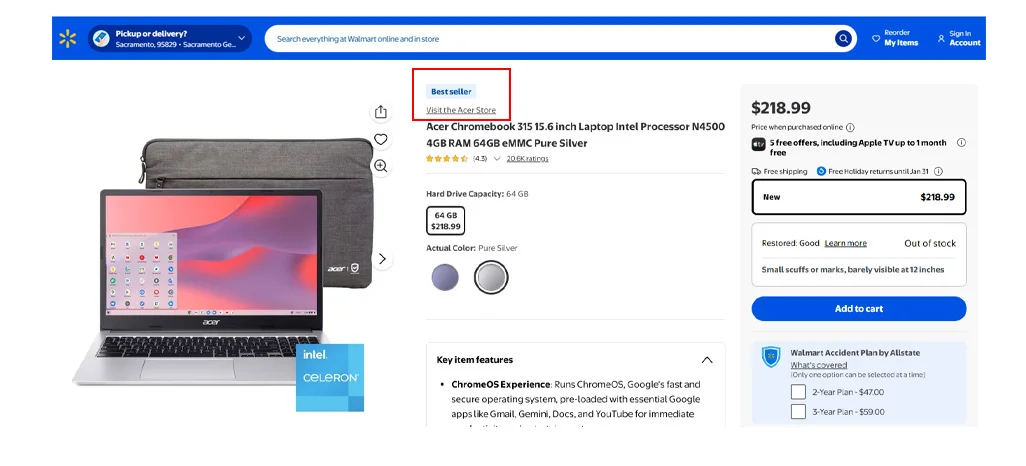
To maintain high conversion rates across top online retail channels, brands must closely evaluate competitive price shifts, listing variations, and vendor catalog depth. Dynamic market monitoring reveals how rival storefronts adjust prices during major promotional events, seasonal clear-outs, or flash sales across platforms. Automated data extraction continuously captures raw numerical data, transforming unstructured channel activity into structured competitive metrics that drive executive decision-making.
Operating in high-volume retail sectors requires a clear understanding of dynamic repricing mechanics to protect profit margins while securing prime buy-box placements. Integrating Marketplace Price Monitoring enables digital brands to establish flexible automated pricing rules that react instantly to rival shifts across multi-vendor channels. Historical price trends highlight exact discount frequencies and highlight promotional windows where margin expansion remains achievable.
Performing Walmart Seller Data Scraping reveals how top third-party merchants position key product variants, bundle slow-moving stock, and configure shipping options to maximize reach. Analyzing seller ratings alongside fulfillment velocity allows brands to pinpoint operational weaknesses in competing storefronts and optimize their own logistics models.
| Platform | Price Shift Metric | Stock Out Ratio | Promotional Frequency |
|---|---|---|---|
| Amazon | Daily Volatility | Low | Continuous |
| Walmart | Weekly Volatility | Moderate | Seasonal |
Establishing automated monitoring workflows empowers commercial teams to build resilient multi-channel strategies, streamline catalog expansion, and prevent margin erosion. Continuous platform tracking acts as an early warning system against aggressive pricing behavior while revealing hidden revenue opportunities across major categories.
- Continuous price tracking helps maintain competitive margins without sacrificing profit.
- Real-time stock monitoring prevents lost sales caused by sudden rival inventory depletion.
- Catalog variant mapping uncovers high-demand product configurations across top platforms.
- Seller rating analysis identifies vendor service gaps and opportunities for market share growth.
Identifying Viral Consumer Trends and Emerging Niche Products

Social commerce platforms and specialized craft marketplaces generate unique consumer demand signals that traditional e-commerce models frequently miss. Rapid social media trends create sudden purchase surges, requiring real-time catalog agility and proactive inventory management. Modern commercial teams actively track buyer interactions, viral product mentions, and niche vendor launches to align supply chains with fast-moving customer interests.
Tracking viral growth metrics across social storefronts enables merchants to react swiftly before niche product demand peaks and saturates the market. Utilizing TikTok Shop Seller Data Scraping allows digital strategists to uncover top-performing affiliate channels, viral product bundles, and rapid inventory turnover rates. Integrating social sales volume with live engagement metrics gives brands a complete view of emerging consumer buying patterns.
Combining social commerce signals with advanced analytical algorithms allows enterprise brands to optimize inventory forecasting and reduce costly stockouts. Applying AI Assortment Optimization helps forecasting teams predict seasonal demand surges and realign stock allocations across warehouse networks with high precision. Automated predictive modeling aligns product sourcing directly with real-time buyer engagement metrics.
| Marketplace | Trend Velocity | Lead Growth Sector | Primary Demand Signal |
|---|---|---|---|
| TikTok Shop | High | Beauty & Apparel | Engagement Volume |
| Etsy | Moderate | Home & Craft Gifts | Favorite List Additions |
Monitoring specialized online channels uncovers authentic customer feedback, custom design trends, and niche handcrafted product preferences before mass market adoption. Executing Etsy Seller Data Scraping offers critical visibility into artisan product categories, customer customization preferences, and unique design trends.
- Social trend tracking provides early indicators of fast-moving product popularity.
- Predictive inventory tools help align supply chain orders with live demand signals.
- Niche marketplace analysis reveals emerging design trends before mass adoption.
- Automated buyer signal monitoring reduces time-to-market for new product launches.
Expanding Multi Channel Reach and Managing Vendor Data
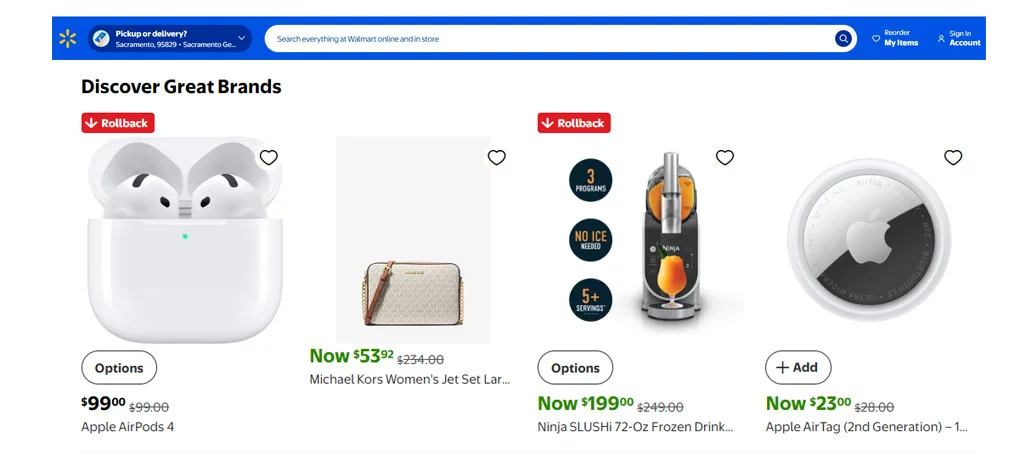
Expanding retail operations across multiple online storefronts requires robust merchant intelligence to minimize inventory risks and avoid market oversaturation. Multi-channel analytics allow enterprise organizations to benchmark performance against competing brands, evaluate regional demand variations, and refine vendor partner criteria. Accessing structured listing records ensures seamless integration with internal business analytics platforms and operational dashboards.
Accessing reliable platform data requires high-performance collection tools capable of retrieving clean product specifications and merchant details consistently. Deploying an enterprise-grade Walmart Scraping API provides structured access to search ranking algorithms, buyer review metrics, and seller fulfillment credentials. Accessing direct listing parameters allows brand managers to evaluate market share and optimize product visibility across diverse buyer segments.
Conducting competitor research on creative product platforms exposes underlying keyword strategies, pricing tactics, and high-margin product opportunities. Executing Etsy Shop Data Extraction for Competitor Research highlights lucrative search terms, shop performance indicators, and seller listing strategies. Analyzing specialized storefront setups helps cross-channel merchants refine their product titles, tag structures, and promotional positioning.
| Sales Channel | Primary Data Field | Extraction Purpose | Monitoring Interval |
|---|---|---|---|
| Amazon | Buy Box Status | Vendor Extraction | High Frequency |
| Walmart | Seller Badges | Catalog Mapping | Standard Frequency |
Detailed merchant analytics allow brands to profile competing seller networks, compare regional sales performance, and identify untapped platform opportunities. Performing structured TikTok Shop Product Category and Seller Data Analysis helps marketing teams identify high-growth vendor accounts, evaluate commission structures, and streamline campaign setups.
- Structured data pipelines ensure seamless delivery of clean multi-channel metrics.
- Competitor keyword research improves product discoverability and search ranking.
- Vendor profiling identifies top-performing seller accounts across diverse categories.
- Automated extraction reduces manual research workload while boosting analytical accuracy.
How Retail Scrape Can Help You?
Modern retail businesses require clean, reliable, and real-time public Web data to maintain a decisive edge in fast-moving online markets. Accessing raw seller intelligence through manual methods remains slow, costly, and prone to errors. Our team delivers custom automated extraction pipelines that deliver structured product, seller, and price intelligence straight into your analytics workflow.
Integrating Marketplace Seller Data Scraping into your daily operations empowers your analytics team to evaluate inventory levels, storefront shifts, and category growth across major global platforms seamlessly.
- Web-scale data extraction designed to bypass complex platform structure changes effortlessly.
- Automated data delivered in clean JSON, CSV, or database formats ready for direct analysis.
- Custom scraper configurations tailored specifically to your target sellers and product categories.
- Near real-time monitoring capabilities for tracking fast-moving price shifts and stock alerts.
- Built-in proxy management and automated anti-bot solutions to guarantee continuous uptime.
- Scalable infrastructure supporting high-volume daily monitoring across global retail channels.
Retailers who partner with us consistently streamline market research tasks and identify hidden margin opportunities across multi-vendor channels. Implementing specialized Etsy Data Scraping solutions allows specialized merchants to pinpoint artisan market trends and optimize product catalog positioning efficiently.
Conclusion
E-commerce brands operating across major digital storefronts must rely on actionable intelligence to refine pricing, protect catalog share, and scale operations. Deploying enterprise-grade Marketplace Seller Data Scraping eliminates channel blind spots and reveals precise growth opportunities across rival storefronts.
Sustaining long-term marketplace dominance requires continuous access to accurate vendor and product information. Performing periodic Track Seller Product Assortments and Pricing helps leadership teams protect profit margins and adapt to unexpected platform shifts. Contact Retail Scrape today to build your custom marketplace data pipeline and boost your retail revenues.