
How to Scrape Uber Eats, Deliveroo & Yemeksepeti Data for Global Food Delivery Market Intelligence?
Introduction
The global online food delivery landscape is expanding rapidly across diverse geographical regions. To successfully navigate competitive regional markets and optimize pricing strategies, aggregator platforms and cloud kitchens rely heavily on automated Global Food Delivery Data Scraping. Accessing granular information across cross-border food platforms provides a transparent view of dynamic consumer preferences and hyper-local demand trends.
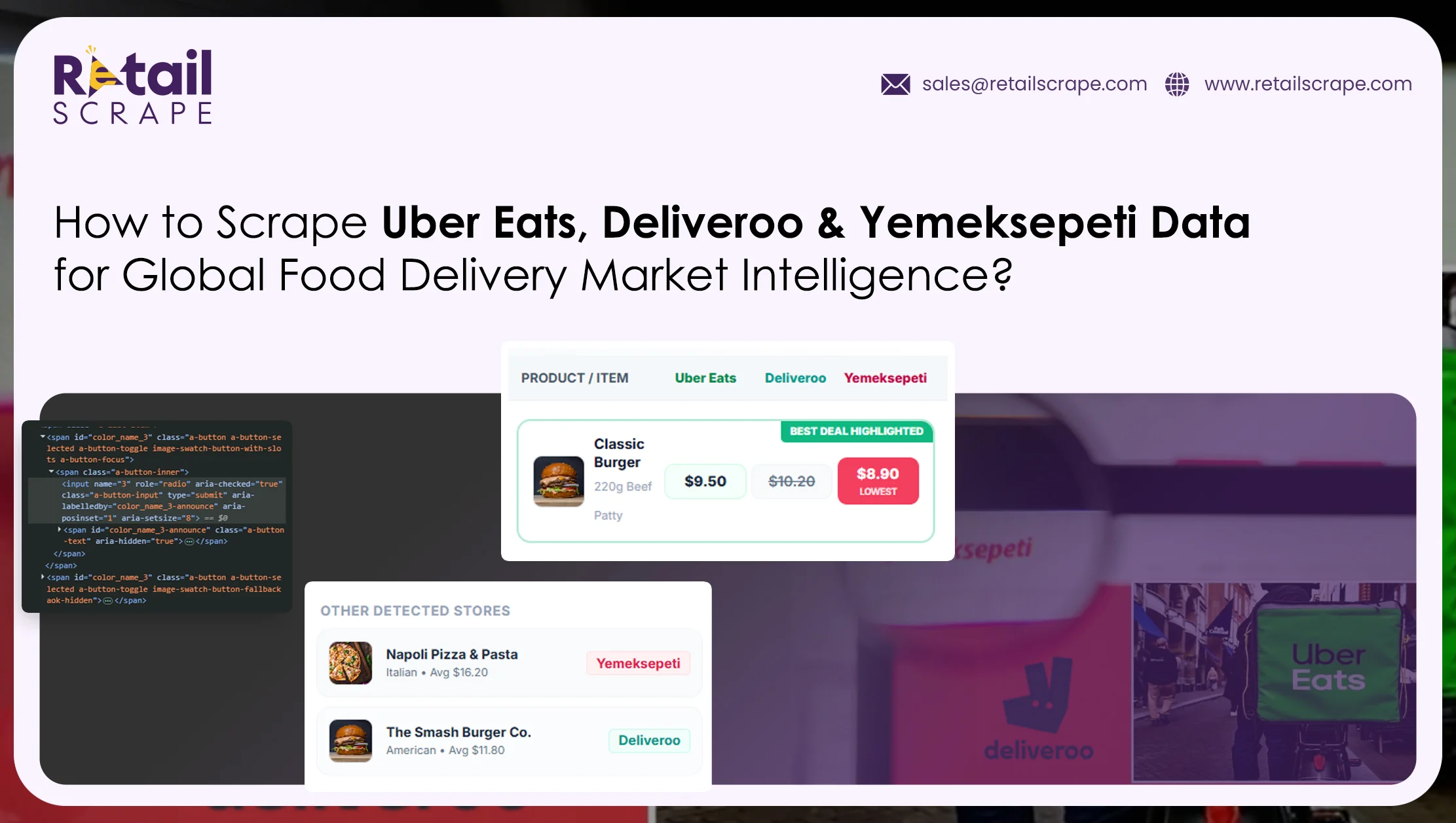
Extracting real-time intelligence from leading platforms enables business analysts to observe competitive menu shifts seamlessly. By choosing to Scrape Uber Eats, Deliveroo & Yemeksepeti Data, enterprise teams gain structured insights into localized menu offerings, active promotions, and delivery timelines. This continuous data stream empowers food delivery brands to make proactive, data-driven decisions that consistently maximize profitability.
Overcoming technical obstacles like dynamic web layouts, IP throttling, and anti-bot protections requires structured data extraction workflows. Modern web scrapers convert unstructured web pages into clean, ready-to-analyze datasets containing comprehensive vendor performance metrics. Establishing automated scraping pipelines ensures that your business intelligence tools receive accurate, high-frequency updates, establishing a strong competitive advantage in expanding markets.
Strategic International Market Analysis and Platform Aggregator Research
International expansion into dynamic dining sectors demands immediate, continuous access to operational data points across multiple territories simultaneously. Conducting a comprehensive Multi-Country Food Delivery Market Analysis allows corporate leadership teams to benchmark localized performance indicators, observe consumer purchase triggers, and identify underserved geographic zones. Monitoring these multi-region digital ecosystems helps food enterprises allocate expansion capital with significant accuracy.
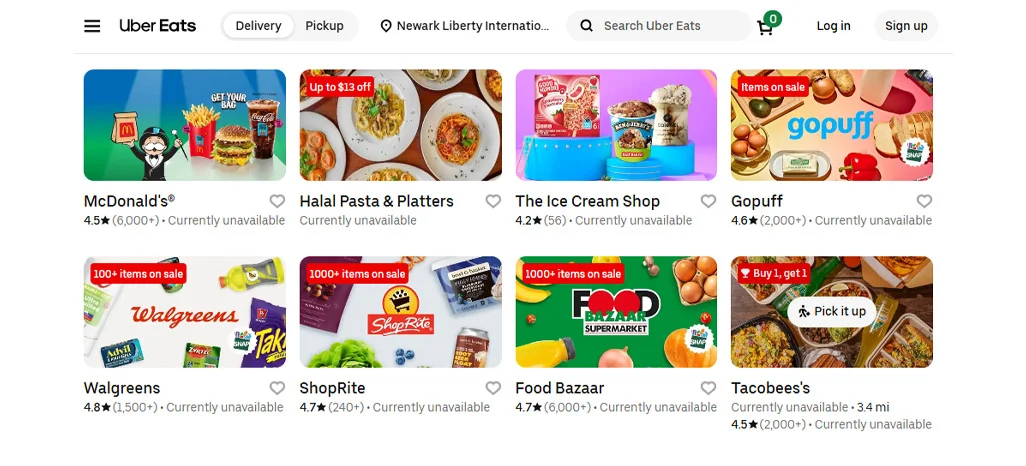
Establishing accurate baseline metrics across varied consumer regions requires consistent observation of local pricing strategies and promotional shifts. Utilizing specialized systems for Uber Eats Food Delivery Price Monitoring enables analytical teams to capture continuous baseline rate adjustments, peak-hour surcharges, and localized promotional discounts in real time. Analyzing these localized movements ensures that brand managers maintain optimal profit margins across every active regional market.
Automated extraction pipelines streamline broad quantitative data collection, helping organizations systematically convert unstructured web pages into actionable operational feeds. Converting multi-platform metrics into standardized reports eliminates manual analytical bottlenecks across internal departments. Continuous analytical pipelines ensure that corporate stakeholders remain fully equipped to respond instantly to shifting market dynamics.
| Region Focus | Core Platforms Analyzed | Key Extraction Metrics | Market Intelligence Value |
|---|---|---|---|
| North America & UK | Uber Eats, Deliveroo | Standard Item Cost, Admin Fees, ETA | Regional fee tolerance & price sensitivity |
| Western Europe | Deliveroo, Uber Eats | Localized Menus, Active Deals, Ratings | Regional cuisine demand & deal effectiveness |
| Middle East & Turkey | Yemeksepeti | Vendor Density, Promotional Offsets, Fees | Demand density & localized pricing trends |
Modern online delivery platforms continuously alter vendor commission structures, regional service boundaries, and consumer fulfillment fees based on localized supply density. Accessing continuous platform insights allows executive teams to establish highly competitive expansion strategies across diverse international territories.
- Cross-border pricing alignment across distinct platform storefronts.
- Real-time monitoring of localized promotional campaigns and discounts.
- Geographic delivery boundary coverage and localized service density.
- Regional competitor market share and growth trajectory tracking.
- Dynamic fee variation tracking based on peak demand hours.
- Comprehensive vendor density comparison across target urban markets.
Detailed Menu Catalog and Regional Vendor Metric Monitoring
Maintaining competitive catalog offerings across multiple digital storefronts requires deep visibility into product options, dynamic item variations, and vendor performance parameters. Implementing robust pipelines for Restaurant Menu and Pricing Data Scraping ensures that enterprise analytics teams systematically capture nested menu structures, dish customization choices, combo package pricing, and stock status.
Evaluating competitor operating parameters provides essential insights into localized service efficiency, kitchen fulfillment standards, and platform visibility ratings. Extracting standardized Uber Eats Restaurant Data helps commercial analysts monitor average order prep times, customer review scores, minimum order requirement thresholds, and operational vendor hours across key service zones.
Deploying enterprise extraction systems eliminates manual monitoring errors while providing continuous updates directly into internal enterprise databases. Automated metric delivery allows product managers to optimize pricing tiers, update menu item descriptions, and address operational bottlenecks across target cities. Continuous operational insights empower food delivery brands to achieve lasting growth in crowded digital marketplaces.
| Intelligence Category | Extracted Data Points | Primary Business Application |
|---|---|---|
| Menu Attributes | Product Names, Modifiers, Standard Pricing | Competitor price optimization & catalog parity |
| Promotional Metrics | BOGO Deals, Direct Offsets, Bundle Deals | Campaign evaluation & discount strategy |
| Vendor Analytics | Review Scores, Total Feedback, Preparation Speed | Operational benchmarking & quality management |
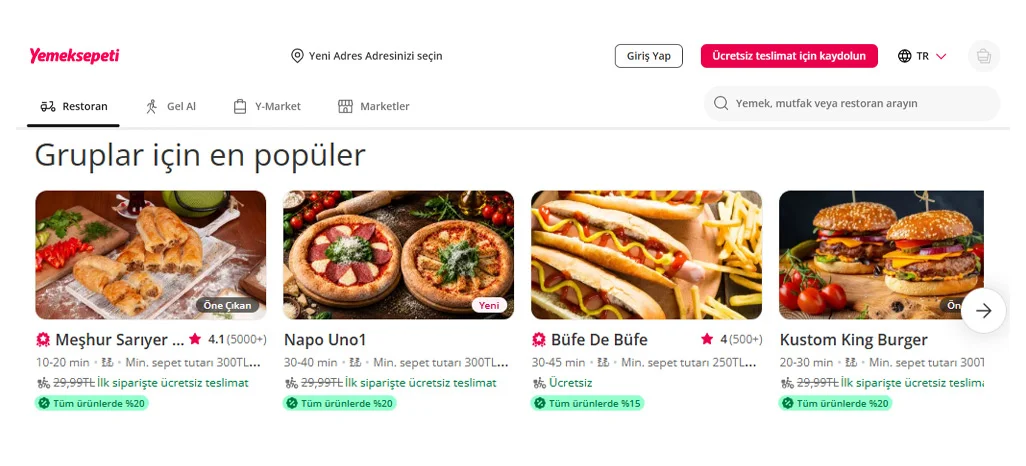
Restaurant chains and aggregator platforms must continuously adapt their digital shelf displays to mirror shifting consumer taste preferences and seasonal dietary trends. Gathering clean menu listings allows culinary development teams to track trending ingredients, popular meal combinations, and pricing strategies used by top-performing regional competitors.
- Continuous extraction of nested dish modifiers and customization options.
- Real-time product availability tracking across targeted delivery zones.
- Detailed promotional combo discount monitoring and price tracking.
- Benchmarking vendor operational hours and kitchen fulfillment speeds.
- Tracking customer satisfaction ratings and feedback volume trends.
- Automated detection of new product launches and catalog updates.
Strategic Logistics Evaluation and Delivery Dynamic Cost Intelligence
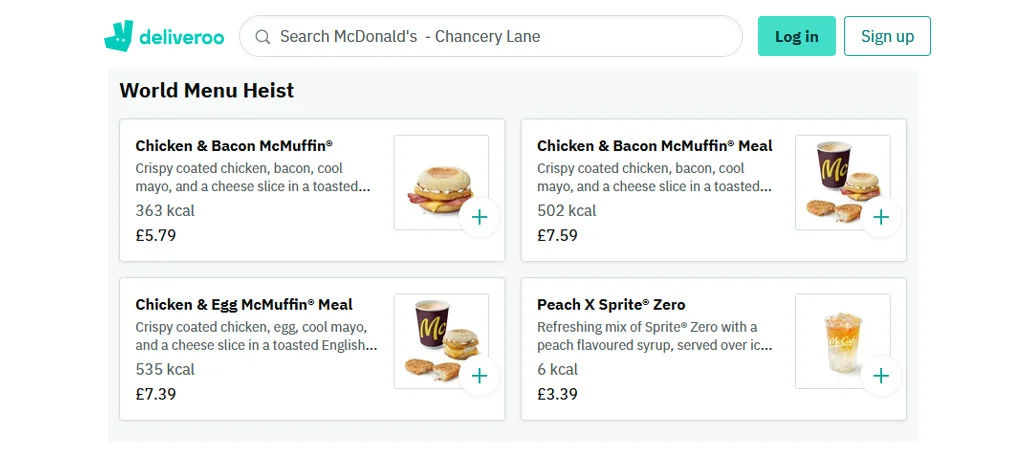
Logistics management and fulfillment pricing models significantly impact overall customer retention rates, platform market share, and order volume across competitive urban markets. Conducting detailed Deliveroo Delivery Fee and Restaurant Data Extraction supplies operational analysts with precise data regarding variable delivery charges, distance-based pricing thresholds, and consumer tip prompts across key metropolitan areas.
Accessing complex, dynamic web frameworks and anti-scraping technological barriers requires robust technical extraction tools engineered for persistent scalability. Deploying a dedicated Deliveroo Scraping API allows internal technical teams to seamlessly bypass IP rate limits, dynamic rendering scripts, and geographic access restrictions while capturing real-time delivery cost metrics.
Integrating continuous fulfillment data feeds into operational planning systems empowers businesses to make agile, data-driven decisions. Automated data collection transforms raw, unorganized delivery parameters into valuable, actionable business intelligence. Consistently tracking logistics metrics ensures that food delivery enterprises maintain a strong competitive edge across all target fulfillment zones.
| Operational Metric | Data Attributes Tracked | Strategic Value Generated |
|---|---|---|
| Distance-Based Fees | Distance Tier Costs ($/km) | Fleet margin & fee structure optimization |
| Surge Surcharges | Peak Hour Fee Multipliers | Demand forecasting & capacity management |
| Platform Promos | Funded Discount Coupons | Aggregator alliance evaluation & strategy |
Dynamic delivery charges frequently fluctuate according to live weather conditions, local traffic congestion, driver supply availability, and peak ordering hours. Evaluating these cost adjustments enables logistics coordinators to adjust localized fulfillment algorithms and balance customer delivery charges with operational costs.
- Real-time monitoring of dynamic distance-based delivery rates.
- Analysis of peak demand surcharges and service fee multipliers.
- Tracking platform-funded customer promotions and checkout discounts.
- Evaluation of vendor fulfillment radii across urban service zones.
- Driver tip prompt monitoring and total order cost calculations.
- Aggregator logistics fee comparison across key competitor apps.
How Retail Scrape Can Help You?
Navigating complex anti-scraping mechanisms, dynamic site structures, and geo-specific IP restrictions presents significant challenges for internal data teams attempting to Scrape Uber Eats, Deliveroo & Yemeksepeti Data at enterprise scale.
Our technical infrastructure seamlessly manages dynamic rendering, IP rotation, proxy networks, and schema adjustments, allowing your organization to focus exclusively on deriving actionable market intelligence.
- Custom web scraping architecture tailored to extract dynamic food platform datasets reliably.
- Automated IP rotation and advanced proxy management to ensure zero IP blocks or captchas.
- Clean, validated data delivery in customizable formats including JSON, CSV, and SQL database feeds.
- Continuous automated updates delivering real-time pricing and menu metrics on demand.
- Scalable multi-region infrastructure handling millions of daily data extractions seamlessly.
- Compliance-focused extraction pipelines adhering strictly to public data scraping protocols.
Integrating our enterprise-grade Yemeksepeti API Data Scraping services grants your business instant access to reliable, structured intelligence across international markets without the overhead of maintaining internal scraping pipelines.
Conclusion
Maximizing market share in the rapidly evolving online food ecosystem requires instant access to accurate, high-frequency operational metrics. Choosing to Scrape Uber Eats, Deliveroo & Yemeksepeti Data empowers enterprise analytics teams to continuously track competitor price fluctuations, menu changes, and promotional campaigns across global markets.
Integrating seamless Yemeksepeti Menu Prices and Restaurant Data Extraction pipelines supplies your decision-makers with the continuous flow of information needed to outperform regional competitors. Contact Retail Scrape today to request a custom demo and launch your automated data extraction pipeline.