


How Is E-Commerce Data Scraping With Entity Resolution Guide Transforming Multi-Seller Data Accuracy?

Introduction
Modern online marketplaces operate across thousands of sellers, product variations, and constantly changing listings. Brands, retailers, and aggregators often struggle to maintain consistent product records because the same item may appear under different titles, descriptions, or pricing formats across multiple platforms. Advanced retail analytics strategies are increasingly supported by Web Scraping Services that collect marketplace data from multiple online stores in real time.
However, raw data collection alone is not enough. Companies also require precise matching techniques to identify identical products sold under different seller listings. This is where E-Commerce Data Scraping With Entity Resolution Guide plays a major role in improving catalog consistency, reducing duplication, and enhancing product-level intelligence.
By combining intelligent product identification methods with large-scale marketplace extraction, businesses can improve product visibility, maintain accurate inventory structures, and generate stronger competitive insights. Automated entity matching workflows help organizations align seller records, standardize metadata, and create highly reliable retail datasets for forecasting, monitoring, and market analysis across global ecommerce ecosystems.
Creating Standardized Product Structures Across Diverse Seller Listings
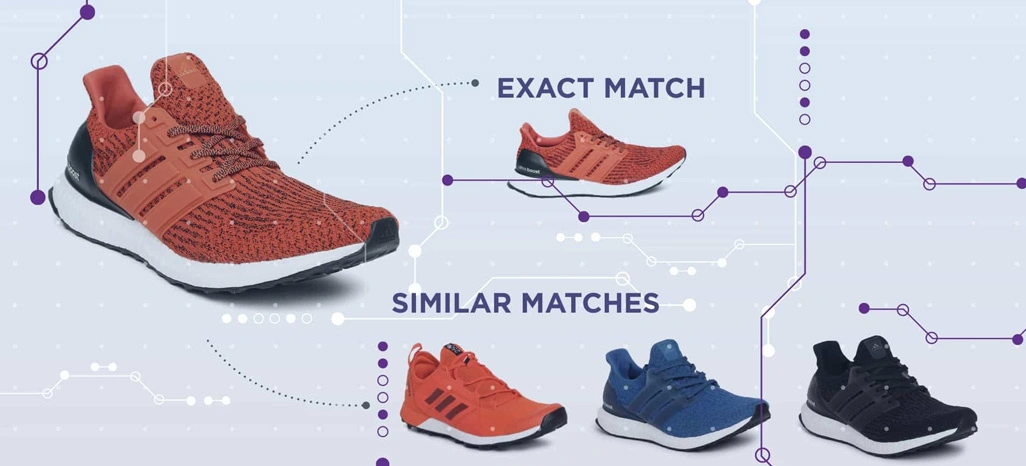
Managing inconsistent marketplace records has become a critical challenge for retailers operating across multiple online selling platforms. Different sellers frequently upload identical products using varied naming patterns, specifications, packaging descriptions, and image references. Organizations adopting E-Commerce Data Scraping frameworks often struggle to maintain clean product structures without intelligent matching systems.
Modern retailers increasingly implement Entity Resolution in Ecommerce processes to compare and align similar products from multiple sellers into unified catalog records. These systems analyze attributes such as titles, SKUs, brand names, specifications, and descriptions to identify matching products accurately. Structured entity mapping significantly improves marketplace consistency while reducing manual validation workloads.
Industry reports indicate that nearly one-third of online marketplace listings contain duplicated or fragmented records that affect operational visibility and pricing transparency. Intelligent automation frameworks help organizations eliminate inconsistencies while supporting scalable retail catalog management.
| Marketplace Issue | Business Impact | Data Improvement |
|---|---|---|
| Duplicate listings | Fragmented analytics | Unified records |
| Seller naming differences | Lower search accuracy | Standardized naming |
| Incorrect category mapping | Reporting confusion | Better classification |
| Multiple SKU formats | Inventory mismatches | Centralized structures |
Retail organizations also rely on advanced Product Matching Algorithms to improve seller record alignment across large ecommerce ecosystems. These algorithms evaluate structured and unstructured product attributes simultaneously, helping businesses identify identical products despite varying seller descriptions.
Developing Reliable Product Intelligence Through Automated Workflows
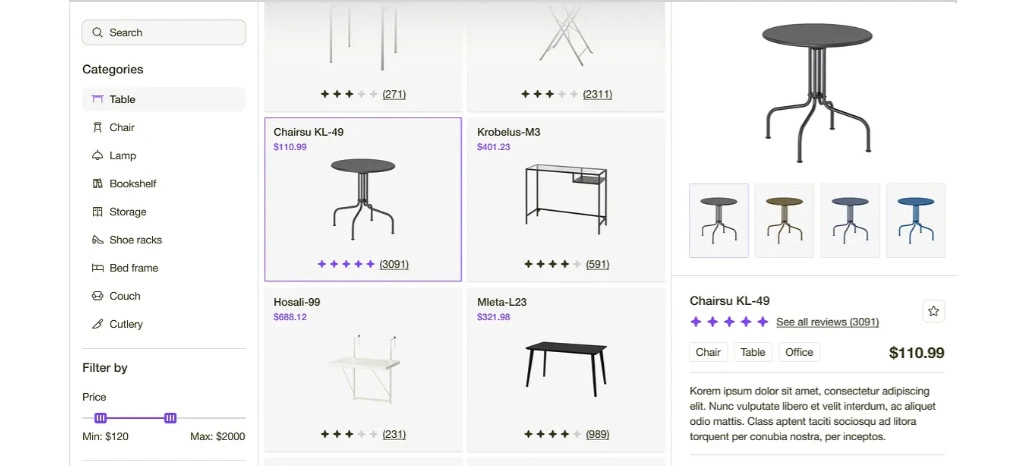
Retail enterprises processing large-scale marketplace data often encounter fragmented seller feeds and inconsistent product structures that reduce operational efficiency. Managing millions of listings from multiple online platforms requires structured automation capable of organizing raw product records into reliable retail intelligence systems. Companies implementing E-Commerce Datasets require scalable processing frameworks to maintain consistency across large product catalogs and marketplace inventories.
Advanced retail operations now integrate Ecommerce Data Scraping systems with intelligent enrichment pipelines to improve product-level data quality. These automated workflows collect seller listings, pricing information, metadata, product specifications, and category structures before standardizing them into structured formats for business analysis.
Organizations additionally use Ecommerce Product Database API solutions to centralize seller records, inventory structures, and product specifications within scalable storage environments. These repositories improve operational consistency and simplify retail reporting. Recent industry benchmarks suggest that organizations using automated entity alignment systems improve catalog accuracy by nearly 40% while reducing duplicate records significantly.
| Data Workflow Stage | Operational Function | Business Benefit |
|---|---|---|
| Data extraction | Collect seller information | Marketplace visibility |
| Data standardization | Normalize records | Consistent formatting |
| Metadata enrichment | Add product attributes | Improved product depth |
| Record validation | Detect inconsistencies | Better data accuracy |
Many businesses now depend on Ecommerce Product Catalog API Dataset integrations to streamline product synchronization across retail platforms and marketplaces. To strengthen marketplace intelligence further, enterprises implement Ecommerce Product Metadata API Dataset systems that enrich product records with structured attributes, taxonomy classifications, and detailed specifications.
Strengthening Competitive Monitoring Through Smarter Retail Intelligence Systems
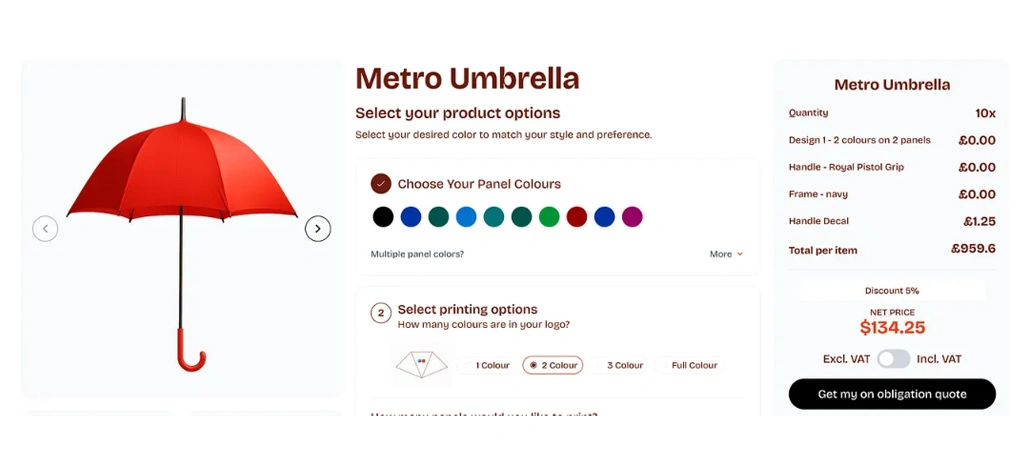
Online retail markets generate continuous streams of pricing changes, assortment updates, seller modifications, and inventory fluctuations. Businesses operating in highly competitive ecommerce environments require advanced monitoring systems capable of processing massive volumes of marketplace information accurately and efficiently. Organizations implementing E-Commerce Data Intelligence frameworks increasingly combine automation with intelligent product analysis to improve strategic decision-making.
Many businesses also implement Ecommerce Pricing Intelligence Competitor Analysis frameworks to monitor pricing behaviors across competing sellers and marketplaces. These systems provide detailed visibility into promotional trends and regional pricing strategies. Manual monitoring methods often fail to track rapidly changing marketplace conditions effectively.
Retailers increasingly utilize Ecommerce Product Research Dataset API systems to collect detailed marketplace intelligence for assortment evaluation and product-level analysis. Industry studies indicate that retailers implementing automated monitoring systems improve competitive response speed by approximately 35% while significantly reducing manual verification efforts and reporting delays.
| Monitoring Area | Key Marketplace Insight | Strategic Advantage |
|---|---|---|
| Pricing analysis | Competitor pricing trends | Faster optimization |
| Inventory tracking | Product availability shifts | Improved planning |
| Seller monitoring | Marketplace performance visibility | Better benchmarking |
| Demand evaluation | Emerging category trends | Smarter forecasting |
Continuous marketplace monitoring is further strengthened through Ecommerce Product Catalog Data Monitoring Service solutions that track listing modifications, inventory fluctuations, and product removals in real time. Additionally, Ecommerce Product Catalog Market Insights Scraping processes help organizations identify changing consumer demand patterns and category growth opportunities across evolving ecommerce ecosystems.
How Retail Scrape Can Help You?
Modern retail ecosystems demand highly accurate product intelligence systems that can process large-scale seller data efficiently. Companies implementing E-Commerce Data Scraping With Entity Resolution Guide strategies can build stronger catalog management systems while improving marketplace monitoring accuracy.
Our approach includes:
- Streamline large-scale seller data aggregation workflows
- Improve product standardization across marketplaces
- Reduce duplicate listing inconsistencies efficiently
- Monitor real-time pricing and assortment changes
- Enhance catalog enrichment and metadata structuring
- Support scalable retail analytics operations
Businesses also benefit from advanced E-Commerce Scraping API integrations that simplify real-time marketplace extraction while improving synchronization between retail monitoring systems and centralized product databases.
Conclusion
Organizations implementing E-Commerce Data Scraping With Entity Resolution Guide frameworks can significantly improve data consistency, marketplace visibility, and operational scalability while minimizing duplicate seller records and reporting inaccuracies.
Reliable marketplace intelligence systems supported by Ecommerce Product Catalog API Dataset integrations enable retailers to maintain stronger competitive positioning and better decision-making capabilities. Businesses seeking scalable retail intelligence solutions can partner with Retail Scrape to improve catalog accuracy.