How Do DoorDash, Uber Eats, and Grubhub Comparison USA Rankings Impact 2026 Food Delivery?
Introduction
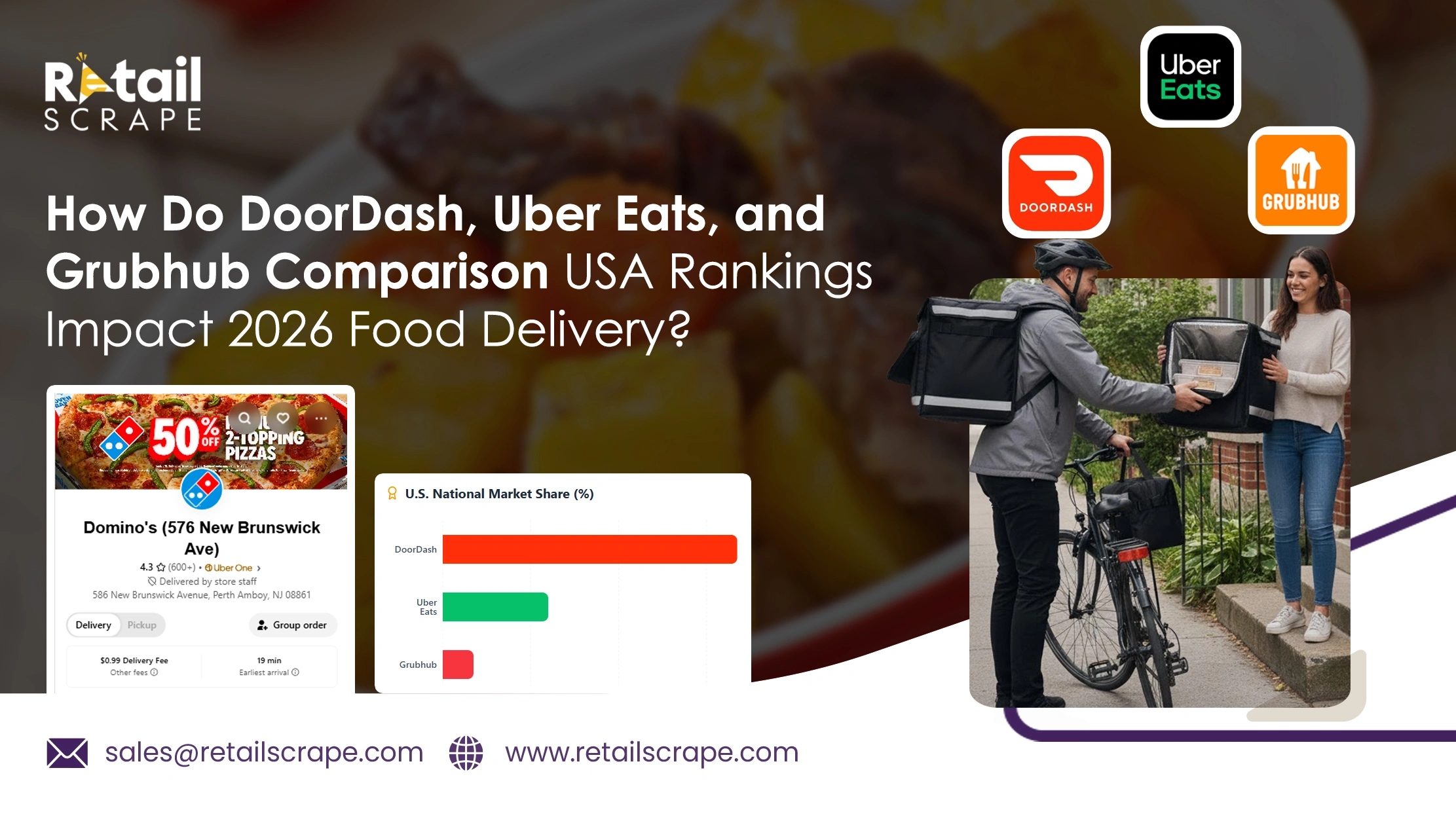
Understanding DoorDash, Uber Eats, and Grubhub Comparison USA rankings offers a detailed perspective on how restaurants can optimize their partnerships and customers can make informed decisions. With multiple delivery platforms competing for market share, insights from Food Pricing Data Scraping have become essential in monitoring trends, evaluating pricing strategies, and identifying areas for operational improvement.
Restaurants looking to expand delivery services need clarity on several factors, such as speed, reliability, delivery fees, and user experience. The DoorDash vs Uber Eats vs Grubhub USA comparison provides actionable insights by highlighting strengths and weaknesses across each platform. For instance, DoorDash dominates suburban regions, Uber Eats shows stronger urban penetration, and Grubhub has a niche focus on long-established restaurants.
This analysis is not only critical for restaurants seeking higher efficiency but also for customers who want to choose the Best Food Delivery App in USA Comparison. By examining metrics like delivery time, menu pricing differences, and late-night availability, stakeholders can make strategic decisions that positively affect both profitability and satisfaction.
How Consumer Choices Shift With Flexible Pricing Strategies?
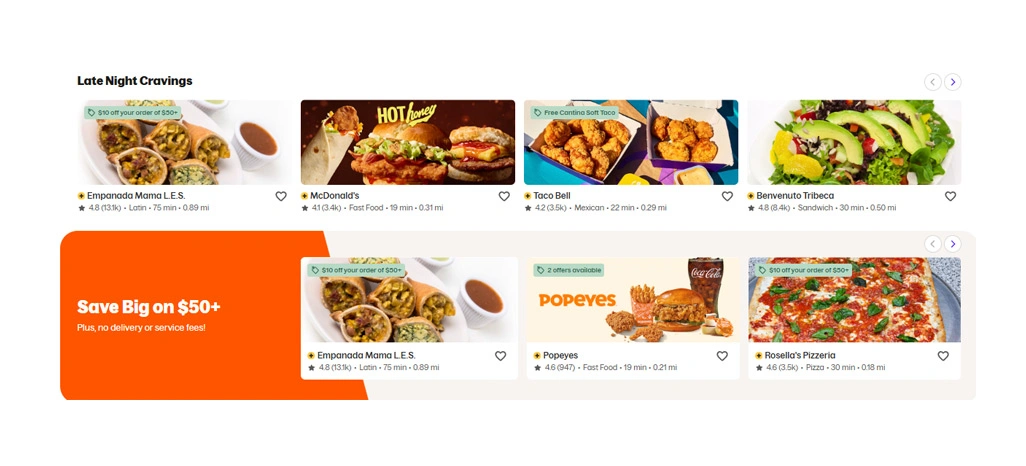
Pricing models in food delivery have become a major factor influencing customer behavior and restaurant revenue. Dynamic Pricing Food Delivery is now widely adopted across platforms, adjusting fees based on demand, time of day, and location. This approach allows delivery companies to maximize efficiency while responding to high-order volumes, but it also changes how consumers make decisions.
| Platform | Average Delivery Time | Peak Hour Fee % | Customer Satisfaction Rate |
|---|---|---|---|
| DoorDash | 28 mins | 15% | 88% |
| Uber Eats | 25 mins | 12% | 85% |
| Grubhub | 30 mins | 10% | 82% |
Even small differences in surge fees can shift customer preference. For example, some users favor Uber Eats during rush hours due to slightly lower fees, while DoorDash retains loyal customers through rewards programs. Restaurants gain a competitive edge by tracking how prices change dynamically and updating their menu pricing accordingly.
Insights from dynamic pricing also support efficient operational planning, including staffing, delivery logistics, and peak-time resource management. Additionally, restaurants can Compare Delivery Fees DoorDash Uber Eats Grubhub to fine-tune their strategy and maximize profitability.
Overall, the impact of flexible pricing strategies extends beyond customers’ immediate choices—it shapes long-term operational planning, platform preference, and the overall competitiveness of food delivery services.
Regional Pricing Patterns and Delivery Service Variations Across Cities
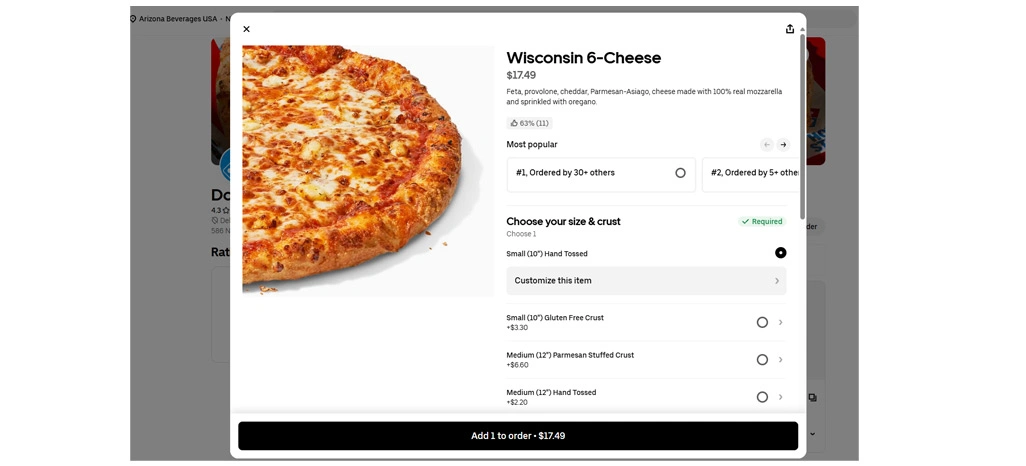
Delivery fees and menu prices vary significantly depending on the city and region, making Uber Eats Pricing Data Scraping essential for strategic decision-making. Customers in different locations respond differently to pricing variations, impacting order volume and platform preference.
| City | Delivery Fee Range | Average Menu Price | Estimated Order Frequency |
|---|---|---|---|
| New York | $2 – $6 | $18 | 3.5/week |
| Los Angeles | $1.5 – $5 | $16 | 3/week |
| Chicago | $2 – $4.5 | $17 | 2.8/week |
The data shows that major metropolitan areas tend to have higher delivery fees, which affects overall customer choice. Lower delivery fees during peak hours often lead to higher adoption rates, helping platforms earn better ratings. This explains why the Fastest Food Delivery App in USA often comes out on top in urban markets, where customers prioritize speed.
Understanding historical order trends also reveals differences in consumer price sensitivity. Some regions may prefer cheaper platforms for smaller orders, while others are willing to pay a premium for faster service or loyalty benefits. Restaurants can adapt pricing strategies accordingly, adjusting menus and promotions to align with customer expectations.
With these insights, restaurants can enhance operations and boost order frequency by aligning with local customer behavior, while understanding How Food Delivery Apps Price Menus Differently to ensure profitability and improved service quality.
Maximizing Profitability Using Competitive Menu Pricing Insights
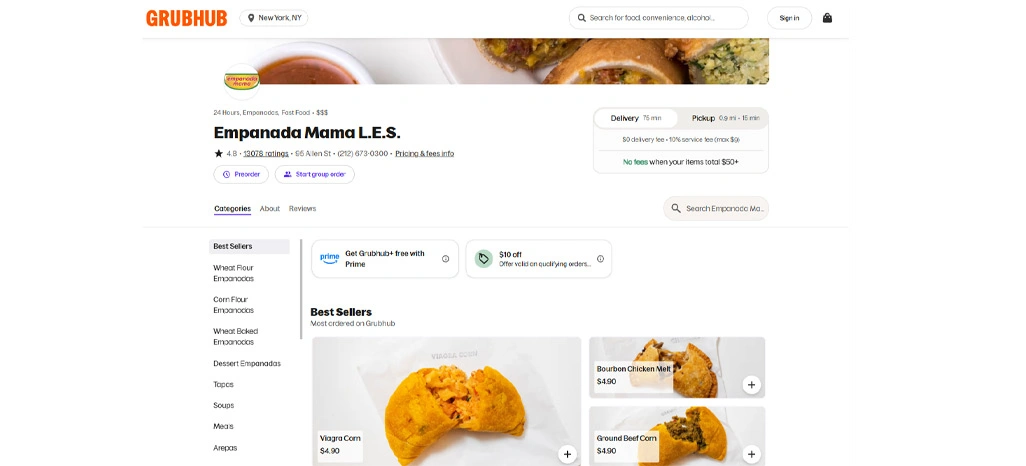
Data-driven analysis of delivery services provides critical insights into menu pricing strategies. Grubhub Pricing Data Scraping offers a detailed view of how prices differ across categories and platforms, helping restaurants adjust offerings and optimize revenue. Data scraping helps identify patterns, track competitor pricing, and evaluate promotional effectiveness.
| Feature | DoorDash | Uber Eats | Grubhub |
|---|---|---|---|
| Average Delivery Time | 28 mins | 25 mins | 30 mins |
| Discount Promotions Available | Yes | Yes | Yes |
| Late-Night Delivery Performance | Moderate | High | Low |
The table demonstrates key performance differences. Grubhub often appeals to cost-conscious users with more frequent promotions, making it the Cheapest Food Delivery App in USA for certain segments. Meanwhile, other platforms may better serve premium menus or urban areas.
Restaurants can combine these insights with operational strategies to maximize order volumes, improve late-night delivery performance, and maintain customer loyalty. For instance, promoting items with better margins on Grubhub while adjusting menu pricing on other platforms ensures balanced profitability.
By understanding how delivery platforms perform across price-sensitive and premium segments, operators can make informed choices about where to focus resources, promotions, and operational improvements. Such insights provide an actionable roadmap for optimizing revenue and enhancing service quality.
How Retail Scrape Can Help You?
Understanding market dynamics becomes much easier when actionable insights are extracted efficiently. DoorDash, Uber Eats, and Grubhub Comparison USA data provides a foundation for strategic decisions, whether monitoring delivery fees, promotional offers, or service quality across platforms.
Our platform offers powerful tools to help restaurants and analysts achieve these goals:
- Seamless integration with multiple delivery platforms.
- Real-time extraction of delivery metrics and menus.
- Automated tracking of promotions and discounts.
- Historical trend analysis for strategic insights.
- Custom reporting tailored to market demands.
- Scalable solutions for businesses of all sizes.
Using a Food Scraping API, businesses can streamline data collection for competitive analysis and menu optimization. Combining these insights with targeted operational adjustments helps operators identify the Best Late-Night Food Delivery App for specific markets and ensures both profitability and customer satisfaction.
Conclusion
Analyzing DoorDash, Uber Eats, and Grubhub Comparison USA provides crucial insights into pricing strategies, delivery efficiency, and market competitiveness. By understanding trends from dynamic pricing, regional fee differences, and menu performance, restaurants can tailor their offerings for maximum impact.
Leveraging Which Food Delivery App Is Best in America insights helps identify the most suitable platform for each market segment, ensuring that restaurants reach target customers effectively. Partner with Retail Scrape today to harness the power of precise, real-time data and elevate your food delivery strategy.