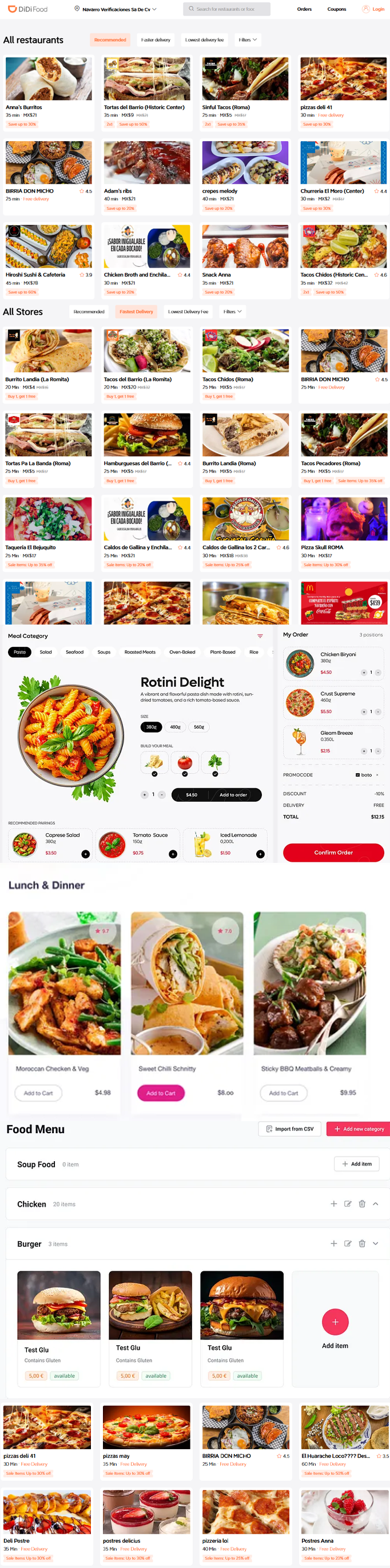
Gain precise, location-level food delivery intelligence with Didi Food Scraper, purpose-built to collect structured restaurant menus, pricing variations, promotional details, and real-time availability data. Through advanced Didi Food Delivery Data Scraping, this solution enables food brands, aggregators, and market analysts to track hyperlocal performance shifts, monitor competitive activity, and understand consumer-facing menu dynamics.
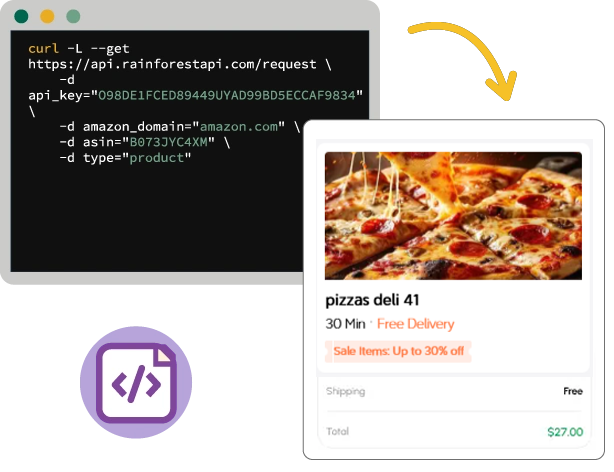

Capture live restaurant menus, pricing changes, and availability signals using Didi Food Data Scraper for faster, market-aligned decisions.

Monitor promotional offers, combo meals, and discounts across cuisines to uncover demand triggers and refine food pricing strategies.

Analyze structured menu hierarchies and item-level pricing through menu and price scraping to benchmark assortments across delivery zones.

Track restaurant operational status, opening hours, and listing consistency to minimize blind spots in hyperlocal food availability markets.

Detect rapid shifts in menu availability and stock signals using real-time food delivery scraping to support time-sensitive decisions.

Generate clean, structured food datasets ready for analytics dashboards, forecasting models, and competitive intelligence workflows.
import requests
from bs4 import BeautifulSoup

REQUEST_HEADERS = {
    "User-Agent": "Mozilla/5.0 (Windows NT 10.0; Win64; x64)",
    "Accept-Language": "en-US,en;q=0.8",
}

def fetch_didi_food_menu(page_url):
    response = requests.get(page_url, headers=REQUEST_HEADERS, timeout=10)
    if response.status_code != 200:
        return None

    soup = BeautifulSoup(response.text, "html.parser")

    restaurant_name = soup.find("h1", class_="restaurant-name")
    menu_price = soup.find("span", class_="menu-item-price")
    rating_score = soup.find("div", class_="restaurant-rating")
    availability_status = soup.find("span", class_="store-status")

    return {
        "Restaurant": restaurant_name.get_text(strip=True) if restaurant_name else "Unavailable",
        "Price": menu_price.get_text(strip=True) if menu_price else "Not Listed",
        "Rating": rating_score.get_text(strip=True) if rating_score else "No Rating",
        "Availability": availability_status.get_text(strip=True) if availability_status else "Status Unknown"
    }

# Example Didi Food restaurant URL
didi_food_url = "https://www.didifood.com/restaurant/sample"
menu_data = fetch_didi_food_menu(didi_food_url)

print(menu_data)
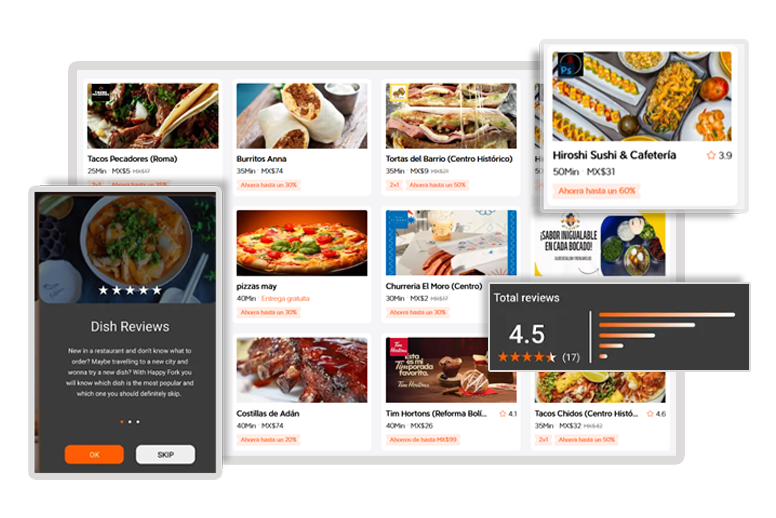

Track restaurant-level menu price fluctuations and localized pricing patterns using menu and price scraping to refine profitable, demand-aligned food pricing strategies.

Identify hyperlocal restaurant coverage, cuisine distribution, and availability gaps with real-time Didi Food restaurant listings scraping to support smarter market expansion planning.

Build structured, analysis-ready repositories through Didi Food menu datasets to compare menu assortments, seasonal changes, and item performance efficiently.

Benchmark rival restaurants, promotional depth, and assortment positioning using Didi Food competitor data to strengthen competitive food delivery decision-making.
Structured menu information is organized into Didi Food Menu Dataset enabling historical comparisons and scalable food intelligence.
Live menu availability and pricing movements are continuously captured using Real-Time Food Delivery Scraping for immediate visibility.
Competitive pricing, assortment depth, and promotional tactics are evaluated through Didi Food Competitor Data supporting market positioning.
Restaurant onboarding, closures, and location changes are tracked using Real-Time Didi Food Restaurant Listings Scraper continuously.
Our Didi Food Scraper is designed with a compliance-first approach, focusing on ethical data access, responsible usage, and adherence to platform guidelines.
Contact UsEffortlessly managing intricacies with customized strategies.
Mitigating risks, navigating regulations, and cultivating trust.
Leveraging expertise from our internationally acclaimed team of developers
Reliable guidance and assistance for your business's advancement