.gif)


Why Does Blinkit Dark Store Data Tracking Help Compare Product Prices Across Different PIN Codes?
Introduction
Quick commerce networks operate through hyperlocal micro-fulfillment centers designed to serve hyper-specific geographic clusters. Because dark stores function independently based on local demand and supply constraints, product prices and stock fluctuate rapidly from one neighborhood to another. Understanding these dynamic variations requires automated continuous observation to capture exact local catalog shifts across targeted zones.
Analyzing local hyper-segmented data points ensures retail brands and market researchers maintain absolute visibility over regional market dynamics. By utilizing continuous Blinkit Price Monitoring, platforms can observe localized price drops, promotional surges, and instantaneous regional price changes. Identifying how neighboring fulfillment hubs price identical items allows businesses to maintain strong competitive advantages in high-demand zones.
Systematic Blinkit Dark Store Data Tracking bridges the gap between regional demand trends and strategic enterprise pricing decisions. Monitoring micro-fulfillment hubs at scale unveils how algorithms update product valuations and stocking metrics across various postal zones. Access to structured localized data helps businesses react faster to regional market conditions and competitor movements.
Analyzing How Hyperlocal Delivery Hubs Adjust Product Valuations
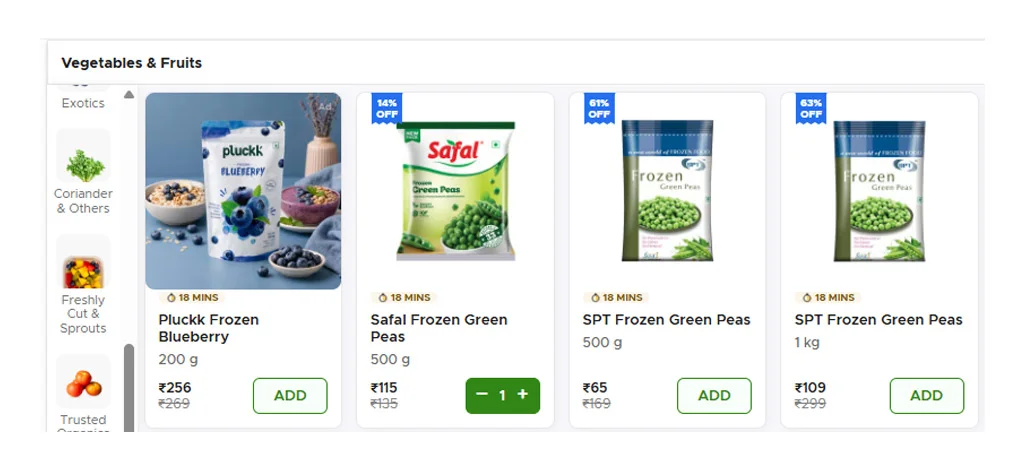
Hyperlocal delivery platforms operate on complex algorithmic models that alter shelf prices continuously depending on micro-fulfillment center dynamics. Each fulfillment node processes localized consumer demand signals, regional inventory levels, and seasonal stock availability independently. Consequently, identical items often carry distinct price tags across postal zones separated by just a few kilometers.
To monitor these rapid adjustments effectively, enterprise analytics teams deploy automated tracking infrastructure across multiple delivery nodes simultaneously. Implementing a dedicated Blinkit Scraper allows market intelligence teams to capture instantaneous shelf prices, temporary promotional markdowns, and surge fees across targeted delivery zones without manual intervention.
Understanding how localized stock depth correlates with pricing changes helps brands optimize their promotional strategies. Integrating Blinkit Product Availability by PIN Code into enterprise monitoring systems provides full visibility into how stock shortages directly drive instant price increases or promo removals across target neighborhoods. Protecting catalog positioning requires continuous observation of these localized micro-fulfillment trends.
- Dynamic Price Adjustments: Tracks real-time price fluctuations across individual neighborhood fulfillment centers.
- Promotional Discount Verification: Monitors localized flash sales and temporary bundle offerings per zone.
- Regional Margin Benchmarking: Evaluates product profitability based on neighborhood-specific pricing models.
| Geographic Zone Type | Primary SKU Category | Regional Price Variance | Discount Frequency |
|---|---|---|---|
| Metro Core Hubs | Fresh Produce & Dairy | 8% - 15% | High (Dynamic Flash Sales) |
| Suburban Outskirt Hubs | Packaged Consumer Goods | 3% - 8% | Moderate (Scheduled Bundles) |
| High-Density Tech Parks | Beverages & Instant Foods | 10% - 18% | Constant (Peak Hour Spikes) |
Regional demand spikes often trigger automated price adjustments to prevent rapid stock depletion in high-volume micro-fulfillment centers. Data collection across multiple delivery locations reveals that dynamic pricing models can produce price variations between 5% and 18% for identical stock-keeping units across adjacent postal coverage zones.
Evaluating Localized Stock Dynamics and Fulfillment Center Inventory Variations
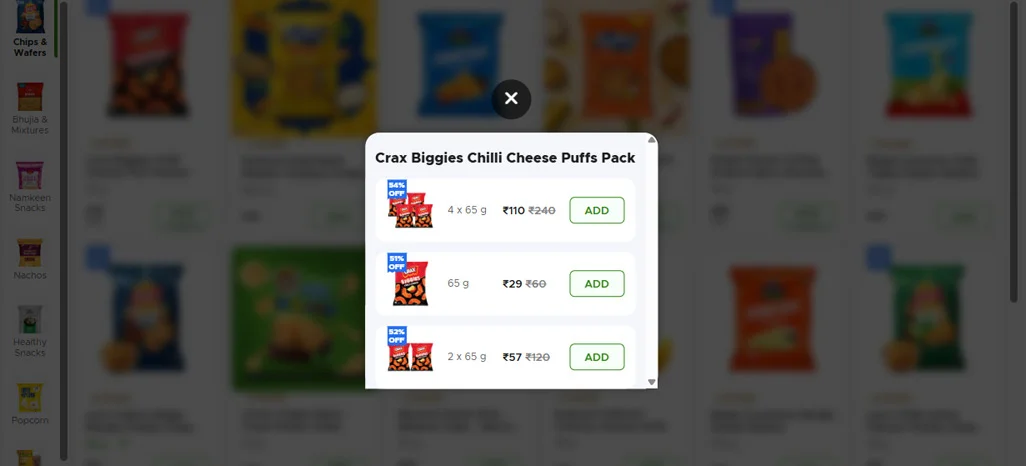
Inventory distribution across quick commerce networks is inherently fragmented due to localized consumption patterns and constrained micro-fulfillment storage capacities. A specific product line might experience high stock availability in one residential neighborhood while facing complete stockouts in an adjacent commercial district. Automated tracking pipelines map these stock movements, allowing enterprise logistics teams to separate true regional supply bottlenecks from simple localized distribution imbalances.
To gain structural clarity into local supply chains, commercial managers require direct connectivity into fulfillment node catalog data. Integrating a robust Blinkit Darkstore API solution enables automated extraction of catalog status, out-of-stock indicators, and replenishment rates across thousands of target delivery radii seamlessly. Streamlining these data streams transforms raw catalog feeds into structured, actionable supply chain intelligence.
Maintaining detailed visibility over fulfillment hub stock levels prevents significant revenue loss caused by unmonitored localized stockouts. Incorporating PIN Code Level Grocery Product Tracking into routine logistics planning enables supplier brands to pinpoint regional inventory gaps early and reallocate supply before consumer demand shifts toward competing brands.
- Out-of-Stock Risk Detection: Identifies localized inventory shortages before they cause broader retail disruptions.
- Regional Fulfillment Auditing: Measures dark store order completion success rates across distinct urban sectors.
- Localized Replenishment Tracking: Monitors supply restoration speeds across high-volume micro-fulfillment centers.
| Operational Indicator | Measurement Frequency | Supply Chain Impact |
|---|---|---|
| Out-of-Stock Duration | Real-Time Monitoring | Prevents localized shelf loss |
| Dark Store Inventory Depth | Hourly Batch Updates | Optimizes regional stock allocation |
| Catalog Replenishment Rate | Daily Tracking | Improves fulfillment reliability |
Regional inventory depletion directly influences shelf placement and product visibility on quick commerce applications. When a dark store experiences low inventory levels, the underlying platform algorithm may deprioritize the item or substitute it with alternative regional brands. Monitoring these inventory shifts helps suppliers safeguard their digital shelf presence and ensure their high-demand items remain continuously accessible to local consumers.
Strategic Catalog Benchmarking Across Geographic Sectors Through Extraction
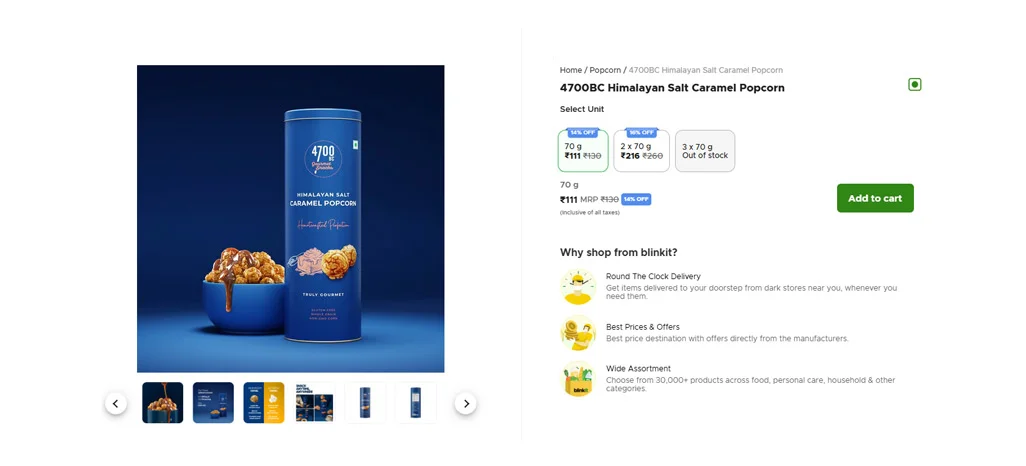
Executing systematic catalog extraction across multiple micro-fulfillment hubs grants e-commerce strategy teams unprecedented clarity into regional competitor maneuvers. Tracking localized product details exposes tailored pricing tiers, regional brand partnerships, and neighborhood-specific promotional campaigns designed for precise target demographics. Maintaining comprehensive market oversight requires scalable technical infrastructure capable of processing high-frequency data from thousands of postal codes simultaneously.
To analyze these complex multi-region dynamics, e-commerce managers utilize enterprise-grade extraction framework pipelines. Deploying specialized Blinkit Data Scraping workflows empowers market intelligence analysts to harvest, structure, and normalize massive volumes of localized catalog metrics into BI-ready analytical dashboards.
Consistent monitoring of localized catalog parameters allows e-commerce brand managers to protect market share against emerging regional competitors. Leveraging automated Blinkit Real-Time Stock Monitoring by Location helps enterprise strategy teams evaluate competitor inventory stability and spot localized promotional gaps instantly. Furthermore, implementing continuous Blinkit Real-Time Inventory Monitoring guarantees that commercial leaders maintain complete control over regional catalog performance and shelf visibility across all active target regions.
- Cross-Regional Catalog Auditing: Compares product assortments and pricing strategies across diverse postal sectors.
- Competitor Promotion Tracking: Identifies localized marketing campaigns and special discount bundles in real time.
- Digital Shelf Visibility Analysis: Measures product positioning and category ranking within specific dark store regions.
| Analytical Dimension | Operational Metric | Strategic Business Outcome |
|---|---|---|
| Regional SKU Pricing | Zone-Specific Discount Levels | Optimized dynamic pricing strategies |
| Dark Store Stock Status | Out-of-Stock Duration by Hub | Rapid inventory replenishment planning |
| Catalog Breadth & Depth | Local SKU Count per Category | Precise competitive shelf space analysis |
Analyzing localized pricing matrices alongside live stock data ensures strategic teams do not mistake regional product unavailability for low market demand. By tracking Blinkit Location-Based Product Data, commercial analysts can identify exact regional pricing trends and evaluate localized promotional effectiveness across diverse neighborhood demographics accurately.
How Retail Scrape Can Help You?
Modern enterprise brands require scalable infrastructure to navigate complex quick-commerce ecosystems seamlessly. Utilizing Blinkit Dark Store Data Tracking powered by advanced extraction technologies ensures your team maintains consistent, structured, and accurate data feeds across every active delivery hub.
We deliver specialized data solutions designed to turn complex, high-frequency quick commerce inputs into clean, operational market intelligence. Our scalable architecture handles high-volume extraction across multiple geographic coordinates seamlessly.
- Custom extraction workflows tailored to your specific competitive benchmarking parameters.
- Continuous automated monitoring pipelines ensuring maximum data accuracy and freshness.
- Enterprise-grade data cleaning, validation, and normalization protocols.
- Seamless API delivery formats ready for direct ingestion into custom dashboard pipelines.
- Detailed historical trend mapping to analyze regional promotional patterns over time.
- Dedicated technical infrastructure handling proxy networks and rate-limit obstacles automatically.
Leveraging specialized Blinkit Grocery Datasets allows commercial strategy teams to optimize product positioning, prevent regional revenue loss, and execute hyper-targeted pricing updates with absolute confidence.
Conclusion
Hyperlocal quick commerce networks have fundamentally shifted how consumer brands manage shelf visibility and competitive pricing strategies. Deploying systematic Blinkit Dark Store Data Tracking grants your organization complete structural oversight across every neighborhood delivery hub.
Maintaining real-time market oversight requires specialized infrastructure built to process massive multi-location catalog streams reliably. Integrating Location-Based Product Pricing into your analytical framework ensures your business makes faster, smarter data-driven commercial decisions across every market. Contact Retail Scrape today to automate your quick commerce market intelligence pipelines.