

How Does the Best Way to Scrape Amazon Product Data Guide Boost 10x Data Accuracy for Sellers?

Introduction
In today’s hyper-competitive marketplace, Amazon sellers operate in a data battlefield where pricing, ratings, availability, and product visibility change by the minute. A minor data gap can lead to missed buy-box opportunities, inaccurate competitor tracking, and flawed demand forecasting. That’s why mastering the Best Way to Scrape Amazon Product Data Guide is no longer optional—it’s essential for scaling profitably.
Accurate data collection empowers sellers to refine pricing strategies, monitor competitor movements, and track catalog changes in real time. With rising reliance on Amazon Pricing Data Scraping, businesses are now able to adjust prices dynamically based on stock levels, promotions, and seasonal shifts. Industry reports suggest that sellers using automated product monitoring tools experience up to 30% faster repricing cycles and 18–25% improved conversion rates due to data-backed decisions.
However, scraping Amazon data isn’t just about extracting product titles and prices. It involves structured parsing of ASINs, reviews, descriptions, seller rankings, and category positioning. Let’s explore how strategic scraping solves major data accuracy challenges for Amazon sellers.
Fixing Data Inconsistencies and Missing Product Attributes at Scale
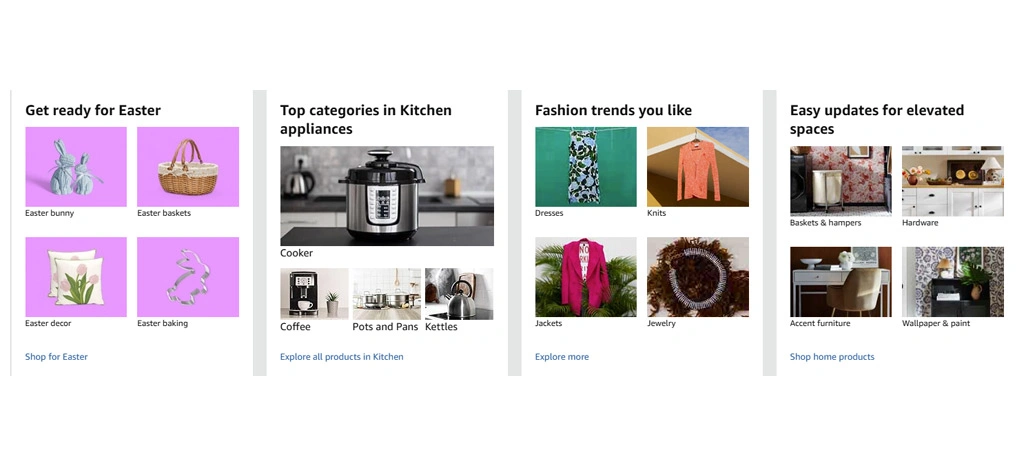
Incomplete product fields, inconsistent formatting, and skipped attributes are common challenges when collecting marketplace data. Sellers frequently encounter missing ASINs, inaccurate stock flags, or partial review counts when extraction logic is poorly structured. Implementing Amazon Web Scraping for Product Data with validation checkpoints significantly reduces such inconsistencies.
Businesses that follow a structured Amazon Data Scraping Tutorial for Beginners often build a solid base, but scaling accuracy requires advanced parsing rules and automated retries. For technical teams, Amazon Product Data Extraction via API ensures standardized response formats and better reliability for high-volume pulls.
At the same time, many sellers rely on Amazon Product Data Extraction Without API to maintain flexibility when handling public product pages. Combining this approach with Amazon Asin Bulk Data Extraction improves catalog-wide audits and ensures every SKU is mapped correctly.
| Data Field | Basic Scraping Accuracy | Structured Extraction Accuracy |
|---|---|---|
| Product Title | 84% | 99% |
| ASIN | 76% | 100% |
| Price & Discount | 81% | 97% |
| Ratings & Review Count | 73% | 96% |
| Availability Status | 69% | 95% |
When structured mapping, deduplication, and error logging are applied consistently, sellers reduce reporting gaps and improve downstream analytics performance. Clean datasets ultimately lead to smarter inventory planning and more stable advertising optimization.
Overcoming Price Volatility and Competitive Monitoring Challenges
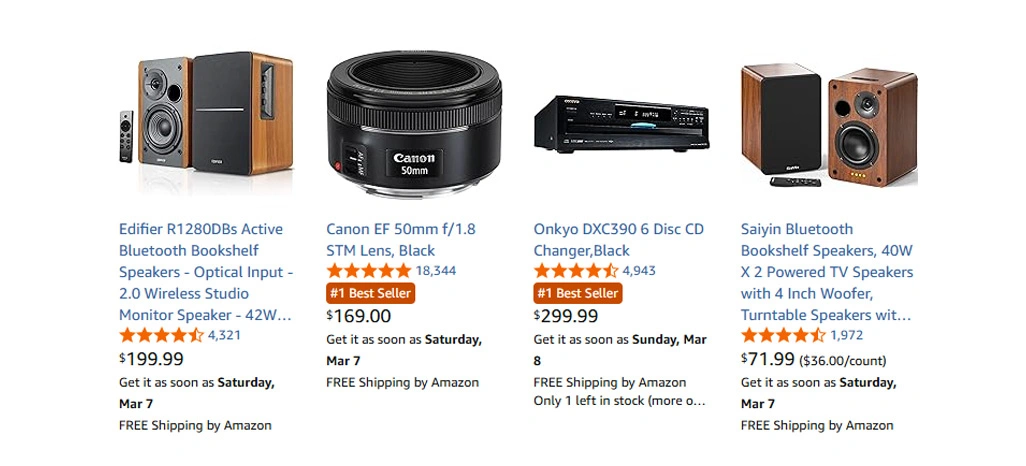
Frequent price shifts and promotional updates create major tracking issues for Amazon sellers. In competitive categories, prices may change multiple times per day, leading to outdated datasets if monitoring cycles are slow. Research shows that automated repricing based on real-time intelligence improves profit margins by up to 15%. Using an advanced Amazon Web Scraper, sellers can schedule high-frequency extraction intervals and capture dynamic pricing elements.
Understanding How to Scrape Amazon Product Data effectively involves identifying coupon blocks, lightning deals, and buy-box ownership patterns. Applying refined Amazon Scraping Techniques for Product Listings and Prices ensures precise capture of both visible and hidden promotional elements.
For businesses looking to scale efficiently, the Best Tools to Scrape Amazon Product Information in 2026 support automated monitoring across multiple categories without manual supervision.
| Monitoring Metric | Manual Tracking | Automated Tracking |
|---|---|---|
| Price Update Frequency | Once Daily | Every 15–30 Min |
| Buy Box Detection Accuracy | 63% | 94% |
| Promotion Recognition | 52% | 92% |
| Listing Change Alerts | Delayed | Instant |
With structured automation, sellers reduce pricing blind spots and improve responsiveness to competitor adjustments. Consistent monitoring strengthens strategic pricing models and minimizes revenue leakage caused by outdated data snapshots.
Strengthening Catalog-Level Intelligence for Strategic Growth Decisions
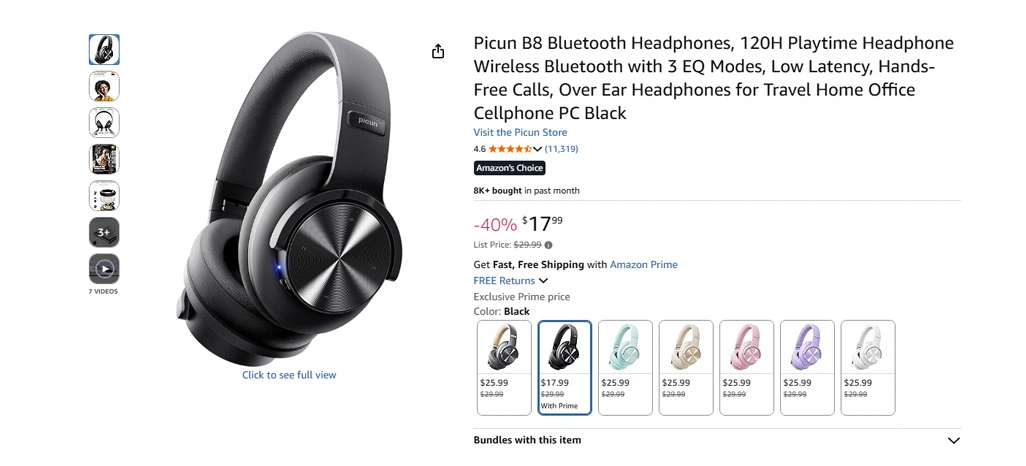
Beyond pricing, long-term growth depends on structured catalog insights. Sellers must analyze variation hierarchies, review trends, keyword positioning, and competitive assortment gaps. Data-driven merchants report up to 20% higher ad efficiency when catalog analytics are aligned with performance metrics. Building structured Amazon Product Catalog Datasets allows businesses to identify seasonal shifts and fast-moving SKUs.
Many affiliates and analysts depend on Amazon Product Scraping for Affiliates and Market Research to evaluate trending niches and high-conversion listings. While startups may begin with the Cheapest Amazon Scraping Tools With CSV Export, scaling requires automation frameworks capable of handling millions of records.
For deeper benchmarking, ecommerce professionals use Best Amazon Product Scraper Tools for Ecommerce Research to compare competitor assortments, price tiers, and review velocity patterns.
| Intelligence Metric | Business Impact |
|---|---|
| Review Velocity Tracking | +14% Conversion Rate |
| Category Rank Monitoring | +11% Visibility Boost |
| Assortment Gap Analysis | +17% Revenue Growth |
| Keyword Trend Observation | +13% Click-Through Rate |
Structured data pipelines transform fragmented listings into decision-ready insights. When catalog intelligence is continuously monitored, sellers move from reactive adjustments to predictive planning, improving long-term scalability and competitive resilience.
How Retail Scrape Can Help You?
Scaling product intelligence requires expertise, automation, and compliance-ready systems. Our solutions are designed to implement the Best Way to Scrape Amazon Product Data Guide with enterprise-level reliability, ensuring clean, validated, and actionable datasets for sellers of all sizes.
Our capabilities include:
- Automated large-scale catalog crawling.
- Real-time price and stock monitoring.
- Structured ASIN mapping and validation.
- Multi-category competitor tracking.
- Secure data storage and export options.
- Custom dashboards for insights visualization.
We provide structured extraction models, intelligent rotation systems, and scalable crawling frameworks to maintain accuracy even during peak traffic events. Through compliant Amazon E-Commerce Web Scraping, we help sellers maintain data consistency, reduce errors, and improve strategic execution.
Conclusion
Implementing the Best Way to Scrape Amazon Product Data Guide transforms raw marketplace data into accurate, decision-ready intelligence. Sellers who adopt structured scraping frameworks experience fewer inconsistencies, better pricing strategies, and improved catalog performance.
When paired with Amazon Web Scraping for Product Data, businesses can create scalable monitoring systems that adapt to Amazon’s dynamic environment. Ready to elevate your Amazon analytics? Contact Retail Scrape today and power your growth with precision-driven product intelligence.
Effortlessly managing intricacies with customized strategies.
Mitigating risks, navigating regulations, and cultivating trust.
Leveraging expertise from our internationally acclaimed team of developers
Reliable guidance and assistance for your business's advancement