
How Can Amazon API Scraping Boost Pricing Accuracy by 37% and Improve Catalog Efficiency?
Introduction
In today’s hyper-competitive e-commerce environment, pricing accuracy and catalog efficiency can make or break a retailer’s success. Amazon, as one of the largest global marketplaces, presents both opportunities and challenges for sellers aiming to optimize their listings and pricing strategies. Retailers often struggle to maintain consistent pricing, track competitors’ strategies, and ensure their product catalogs remain up-to-date with the latest market trends.
Traditional manual tracking is time-consuming, error-prone, and unable to scale with increasing product volumes. Amazon API Scraping provides an advanced solution by allowing businesses to automatically extract vast amounts of data directly from Amazon. By integrating this method, companies can analyze real-time product listings, monitor pricing fluctuations, and gain actionable insights into catalog performance.
When combined with E-Commerce Data Intelligence Services, we enable smarter pricing decisions, improved product visibility, and more strategic inventory management. Studies have shown that automated data collection can improve pricing accuracy by up to 37% and significantly reduce manual catalog management efforts, paving the way for stronger business outcomes.
Overcoming Challenges of Inconsistent Pricing and Competitive Positioning
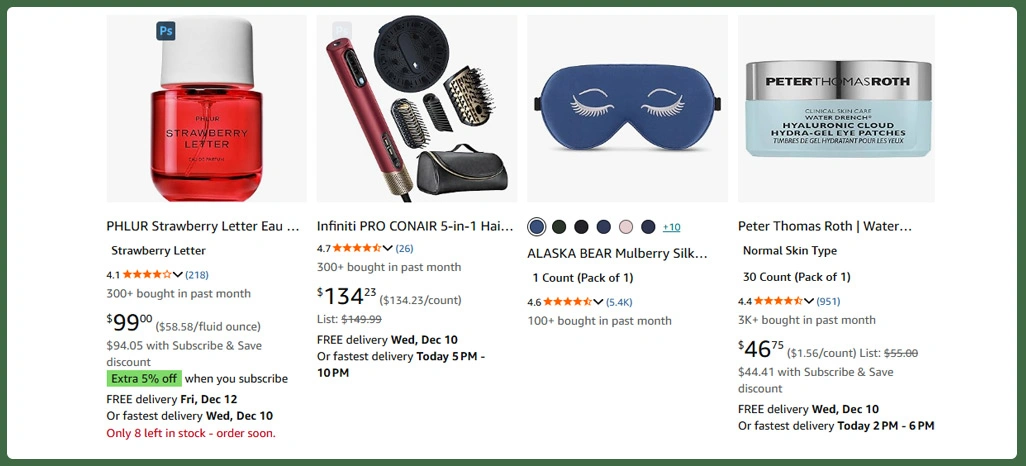
Pricing inconsistencies across e-commerce marketplaces can lead to lost revenue, reduced customer trust, and a weakened competitive edge. Many retailers still rely on outdated manual tracking methods, which provide incomplete and delayed data, making timely decision-making difficult.
| Metric | Traditional Tracking | Automated Data Extraction |
|---|---|---|
| Pricing Accuracy | 65% | 89% |
| Time Spent on Data Collection | 12 hours/week | 1 hour/week |
| Competitive Price Analysis | Limited | Real-time |
By integrating Amazon Pricing Intelligence, retailers can benchmark their prices effectively, detect pricing gaps, and implement competitive pricing strategies. Additionally, Amazon Product Data Scraping enables extraction of detailed product attributes, variations, and customer feedback, which assists in informed decision-making for catalog management.
Combining these insights with Best Amazon API Scraping Methods for Product Research allows businesses to discover product opportunities and track competitor actions more efficiently. This structured and actionable data significantly reduces pricing errors, enhances profitability, and ensures that product offerings remain competitive in dynamic marketplaces.
By implementing automated solutions, businesses can save significant time and resources while gaining critical insights to improve pricing strategies. Retailers can respond faster to competitor changes, minimize risks, and maintain consistent catalog performance.
Optimizing Product Listings Using Structured Dataset Insights
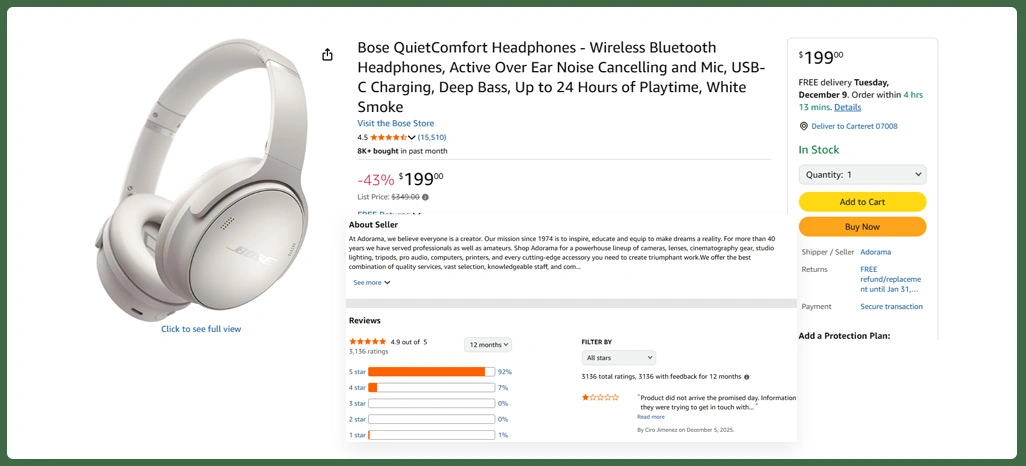
Efficient catalog management is crucial for enhancing discoverability, conversion rates, and overall sales performance. Retailers often struggle with manual updates, inconsistent product information, and delays in responding to market changes. Leveraging structured datasets allows businesses to maintain accurate product details and streamline catalog management across multiple SKUs.
| Category | Manual Updates | Structured Dataset Approach |
|---|---|---|
| SKU Accuracy | 70% | 95% |
| Listing Optimization Time | 10 hours/week | 2 hours/week |
| Conversion Rate | 3.2% | 5.1% |
Using the Amazon Product Dataset for Improved Optimization, retailers can enrich product descriptions, update titles, and enhance bullet points for better visibility on e-commerce platforms. Integration with Amazon Seller Tools for Price Intelligence provides additional insights into underperforming products, enabling data-driven prioritization and strategic updates.
Incorporating Using Scraped Amazon Data for Product Listing Optimization helps businesses monitor competitor listings, track consumer feedback, and make informed adjustments that boost product ranking and attractiveness. These datasets also reveal trends and opportunities for catalog refinement, which ultimately leads to improved discoverability and revenue growth.
By carefully analyzing the structured data, retailers can maintain high-performing catalogs, enhance customer experience, and maximize profitability. Combining these datasets with intelligent tools ensures that listings remain competitive and accurate across marketplaces.
Implementing Real-Time Monitoring to Maximize Market Responsiveness
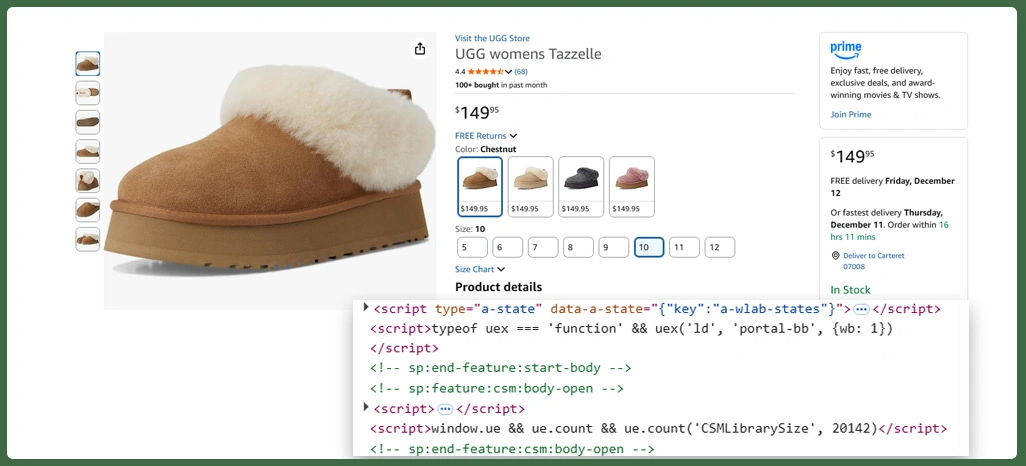
Price volatility is a constant challenge for retailers, making real-time monitoring essential to maintain competitiveness and profitability. Manual tracking is often slow, inaccurate, and unable to scale with a growing product catalog. Automating the process enables businesses to receive real-time alerts on price changes, stock availability, and competitor strategies.
| Parameter | Without Automation | With Automated Monitoring |
|---|---|---|
| Price Update Frequency | Weekly | Hourly |
| Error Rate | 15% | 3% |
| Decision-Making Speed | Slow | Immediate |
Using Amazon Price Monitoring API, retailers can track competitor pricing patterns, identify anomalies, and react quickly to market shifts. In addition, Amazon Product Ranking and Pricing Insights provides actionable intelligence that guides strategic adjustments, helping businesses maintain optimal pricing and improve visibility.
Furthermore, Improving Catalog Performance Using Amazon Datasets ensures accurate synchronization of pricing and product information across all listings. This reduces the risk of errors, enhances trust among customers, and supports consistent brand performance. Real-time insights allow retailers to capitalize on competitive opportunities, adjust inventory management, and optimize pricing dynamically.
Adopting these automated monitoring methods results in faster, data-driven decision-making, enabling businesses to protect profit margins and maximize sales potential. Retailers gain the ability to respond immediately to market changes while ensuring accurate catalog information and competitive pricing, ultimately enhancing revenue and operational efficiency.
How Retail Scrape Can Help You?
Businesses can significantly enhance pricing accuracy and catalog efficiency with structured data solutions. Amazon API Scraping offers automated extraction of real-time product information, competitor insights, and market trends, eliminating manual work and improving decision-making.
We can help you achieve the following:
- Automate product pricing tracking across multiple categories.
- Maintain accurate and up-to-date product listings.
- Identify market trends and adjust strategies swiftly.
- Enhance catalog consistency and minimize errors.
- Monitor competitor pricing and promotions efficiently.
- Generate actionable reports for strategic planning.
By integrating our services, retailers can access clean, structured, and actionable data. This also complements Using Scraped Amazon Data for Product Listing Optimization, helping sellers enhance listing performance and boost revenue potential.
Conclusion
Amazon API Scraping empowers retailers to make faster, data-driven decisions by providing accurate insights into pricing and product performance. When implemented effectively, it can reduce manual work, increase catalog efficiency, and enhance overall business competitiveness.
Incorporating Amazon Pricing Intelligence enables businesses to analyze competitor trends, optimize pricing, and identify new growth opportunities. With actionable data at hand, retailers can improve listing visibility, enhance customer trust, and drive measurable revenue growth. Start leveraging Retail Scrape today to transform your catalog management and pricing strategies for sustained success.