


What are the Benefits of Airline Price Monitoring Web Scraping in Driving 25% More Bookings?
Introduction
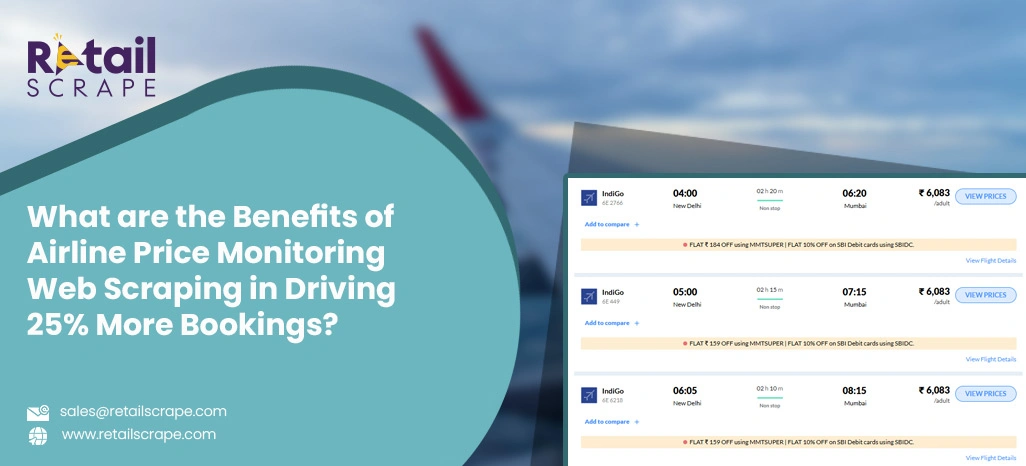
In today’s highly competitive aviation market, pricing is no longer a static decision made once per season. To adapt effectively, airlines require reliable data-driven pricing insights that support fast and confident decisions. This is where Airline Price Monitoring Web Scraping plays a transformative role in reshaping revenue strategies and improving booking performance.
Modern travelers compare multiple platforms before finalizing bookings, making price sensitivity a defining factor in conversion rates. According to industry reports, airlines that actively adjust fares in response to real-time market changes see up to 25% higher booking volumes compared to those relying on static pricing. By systematically collecting competitor fare data, route-based pricing trends, and historical fluctuations, airlines can proactively optimize prices instead of reacting too late.
Beyond competitive positioning, data-backed pricing supports smarter forecasting, route-level planning, and targeted promotional strategies. Airlines using structured pricing intelligence gain visibility into demand peaks, fare elasticity, and traveler preferences across regions. As a result, pricing becomes a growth driver rather than a risk factor.
Understanding Market Fluctuations Through Structured Fare Insights
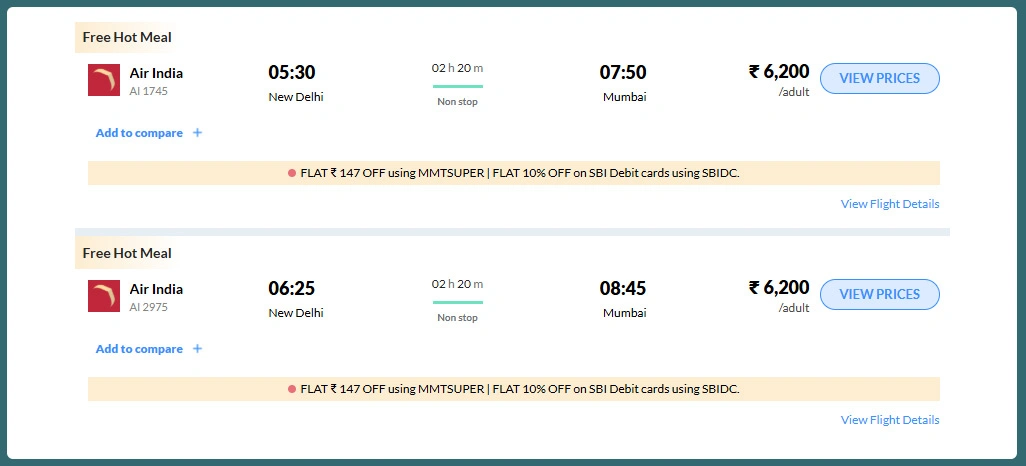
Airline pricing volatility often stems from external pressures such as seasonal demand, fuel cost variations, competitor tactics, and route popularity. When pricing teams lack a structured system to observe these shifts, they risk delayed reactions that directly affect booking volumes. This challenge is addressed through Flight Price Data Scraping, which enables airlines to gather consistent fare information across competitors, booking platforms, and geographic markets.
Using Airline Fare Monitoring Tools, revenue teams gain visibility into competitor movements, including sudden discounts or aggressive price positioning. Industry studies indicate that airlines tracking competitor fares at least once daily can improve load factors by nearly 18%. Additionally, Advanced Web Scraping for Flight Fare Analysis supports deeper evaluation of historical pricing behavior, allowing teams to identify repeatable trends tied to holidays, events, or booking lead times.
| Pricing Observation Area | Insight Generated | Business Impact |
|---|---|---|
| Competitor fare shifts | Real-time gaps | Faster repricing |
| Historical fluctuations | Seasonal trends | Better forecasts |
| Route-level comparisons | Price elasticity | Improved margins |
When automated through a Web Scraping API, these insights are delivered continuously, reducing manual workload while improving response speed. With structured pricing intelligence in place, airlines gain the ability to react confidently, ensuring fares remain competitive without undermining profitability.
Adapting Fare Decisions to Constant Market Movements
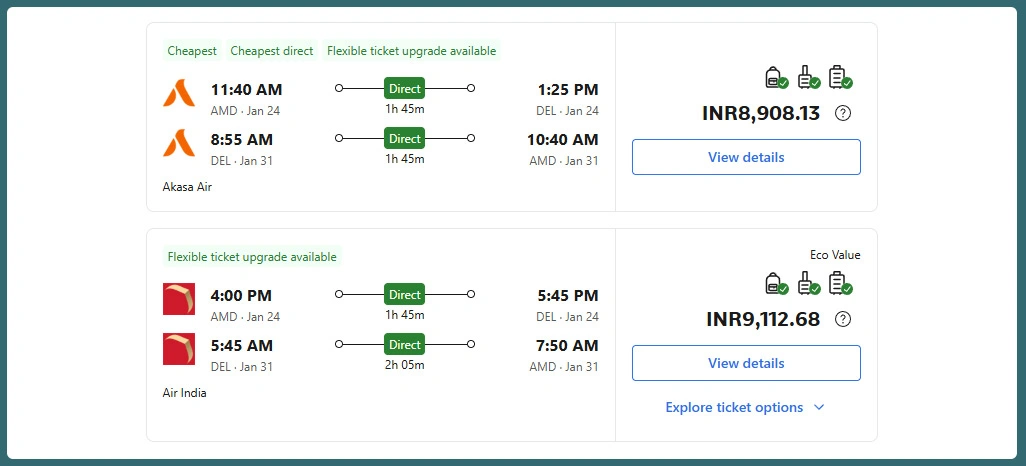
Airline markets evolve rapidly as demand surges, inventory levels change, and competitors adjust fares multiple times per day. Without continuous visibility, pricing strategies can become outdated within hours. Tracking Dynamic Airline Pricing With Web Scraping enables airlines to monitor these movements consistently, ensuring pricing decisions remain aligned with current market realities rather than delayed snapshots.
Through Scraping Airline Ticket Prices for Market Analysis, airlines evaluate competitor responses during peak demand, promotional campaigns, and last-minute booking windows. Integrating this intelligence into operational workflows using Web Scraping for Airline Pricing allows revenue teams to automate fare reviews and trigger adjustments based on predefined thresholds.
| Reaction Timing | Conversion Effect | Revenue Outcome |
|---|---|---|
| Same-day update | High increase | Strong uplift |
| Next-day update | Moderate gain | Stable growth |
| Delayed update | Minimal change | Missed demand |
This approach ensures that pricing remains synchronized with customer expectations and competitor behavior. As a result, airlines avoid revenue leakage while improving traveler confidence through fair and timely fare positioning.
Improving Revenue Forecasts Using Data-Driven Models
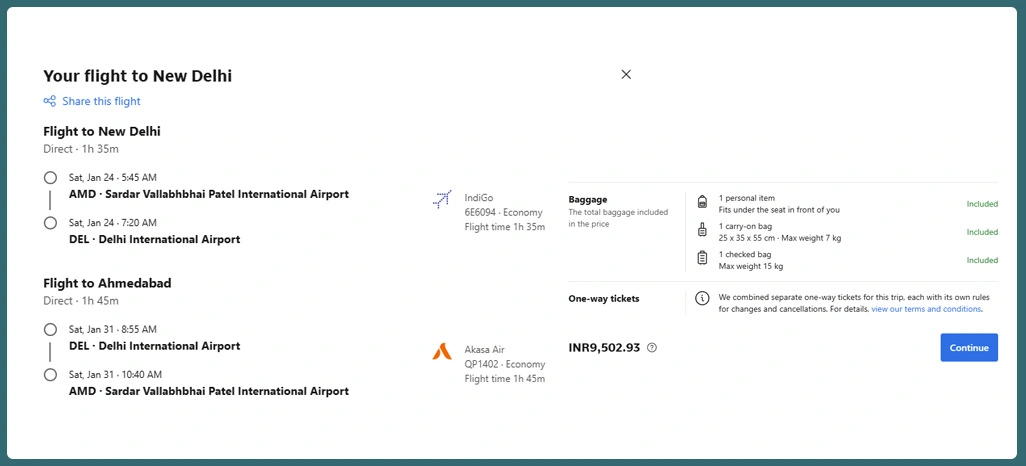
Accurate forecasting remains a persistent challenge for airline revenue teams operating in volatile environments. Traditional methods often rely heavily on limited historical datasets, making them less effective during unpredictable demand cycles. Predictive Airline Pricing Models Using Scraped Data address this limitation by analyzing large volumes of real-time and historical fare information to anticipate future pricing movements.
By incorporating Airfare Price Intelligence, airlines gain the ability to model demand behavior across routes, seasons, and booking windows. These insights help optimize advance-purchase discounts, adjust fare buckets, and refine promotional strategies. Industry benchmarks suggest that airlines using predictive models supported by external pricing data improve yield management efficiency by approximately 15%.
| Forecasting Method | Accuracy Level | Strategic Value |
|---|---|---|
| Manual estimation | Low | Limited control |
| Historical trends | Medium | Reactive plans |
| Predictive models | High | Proactive growth |
Data-backed forecasting empowers airlines to align pricing strategies with expected demand, reducing uncertainty and enabling sustainable revenue optimization across competitive markets.
How Retail Scrape Can Help You?
By integrating Airline Price Monitoring Web Scraping into pricing workflows, airlines gain continuous visibility into competitor behavior, route-level trends, and market-driven price shifts without operational complexity.
What sets us apart:
- Provides real-time fare visibility across global routes.
- Ensures scalable data collection across multiple platforms.
- Delivers structured datasets ready for analytics integration.
- Supports historical trend analysis for seasonal planning.
- Enables faster response to competitor pricing actions.
- Maintains high data accuracy and consistency.
By combining these capabilities with Airline Price Intelligence for Revenue Optimization, we help airlines translate raw pricing data into measurable booking growth and improved yield performance.
Conclusion
When airlines embed Airline Price Monitoring Web Scraping into their revenue strategies, they gain the ability to align fares with real-time market demand, improve booking conversions, and maintain competitive relevance without sacrificing margins.
As pricing decisions grow more complex, adopting Airline Price Intelligence for Revenue Optimization becomes essential for sustainable growth. Partner with Retail Scrape to strengthen your pricing strategy, increase bookings, and build a smarter, data-driven airline revenue model.